
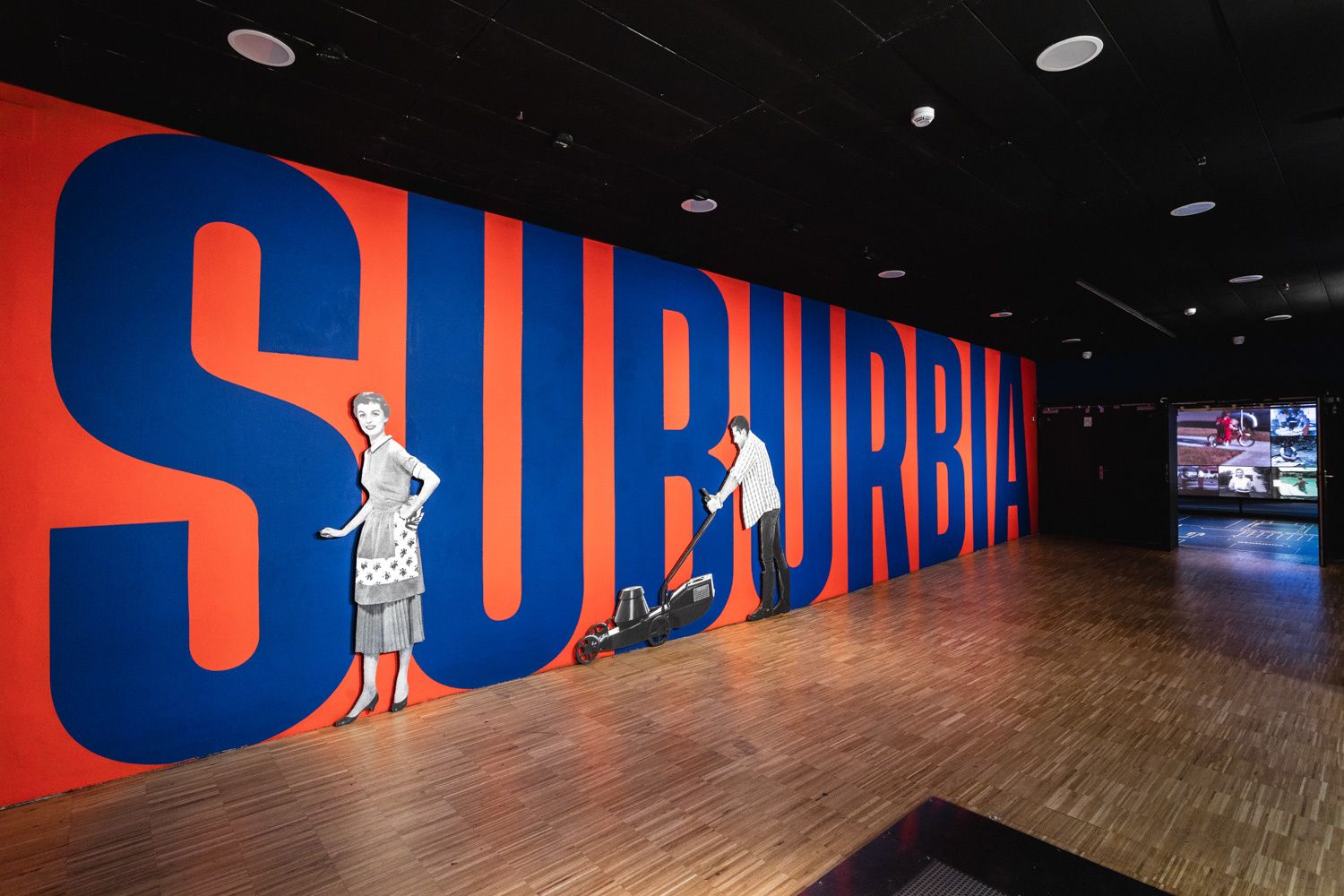
In 2024, on the occasion of the Suburbia exhibition at the CCCB, which we discussed several times in this column, geographer Francesc Muñoz explained the following to us during his guided tours: when one of the surveys used to build quality of life indicators in Catalonia asks about the preferred type of housing, among the various options (apartment in a block, detached house, semi-detached/terraced house, or country house), the most selected is the latter. The only one of the four categories that does not have a clear urbanistic definition. It is an idealization, even an aspirational statement, rather than a careful image of what it actually means.
"La caseta i l'hortet" (the little house and the small garden), indeed, have been part of the Catalan imaginary for a long time, and I believe we can affirm that it is still valid today. Surely, whoever reads these lines has participated at one time or another, especially since 2020, in a conversation where the central theme has been the pros and cons of leaving the big city in pursuit of that ideal, and almost everyone knows someone who has recently taken this step.
This is suggested by the fact that El Periódico de Catalunya revealed on December 31 that the most read article in the Barcelona section of its website during 2025 was titled: "We are not considering returning to Barcelona." Five faces of the new exodus to the second metropolitan crown.
We will have to ask ourselves if being a metropueblitano (metropolitan villager) will be a viable option in the medium term or rather constitute a fleeting luxury, until the villages themselves, overwhelmed, lose the attributes that make them attractive.The immediate reason that comes to mind to explain this exodus is housing prices in the municipality of Barcelona and its closest neighbors. True. There are, however, other influencing circumstances. Thus, in 2024 we jointly commissioned with other institutionsa studythat told us that 70,000 people had planned to leave the metropolitan core to go live in less dense or even rural areas, and that more than 200,000 planned to do so if circumstances allowed. These circumstances had to do with finding more affordable housing, yes, but also with it having certain characteristics or being well connected by public transport. Having a job that allowed teleworking was another key factor.
By the end of 2025, and despite having been published on July 15, El Periódico's article had accumulated more than 250,000 reads, to which should be added those reached by a series of pieces that delved into the matter in subsequent days. All of this led the newspaper to coin the expression "Cardedeu effect" to label this phenomenon of the flight of what we understand as middle classes towards municipalities outside the Barcelona Metropolitan Area, but which are clearly part of metropolitan dynamics, that is, of the city of five million for which we work in the Barcelona Metropolitan Strategic Plan (PEMB).
Cardedeu has thus become a paradigmatic example of a coveted destination for many disillusioned urbanites who also do not want to end up in an isolated and depersonalized urbanization. In recent years we have experienced this closely at the PEMB, as two people who already lived there have passed through our team, one from the current team has recently moved, as well as up to five regular collaborators. I add a personal friend. I call them "metrovillagers".
My metrovillager friends and acquaintances know that it is a professional term, by no means pejorative. On the contrary, it reflects the achievement of an ideal that thousands and thousands of people would sign up for, which is to live in a village environment having both nature and the advantages of being part of a large metropolis very close by. The housing they find may not be a small house, it will surely not have a garden either, but it will be very similar to the dreamed country house of the surveys.
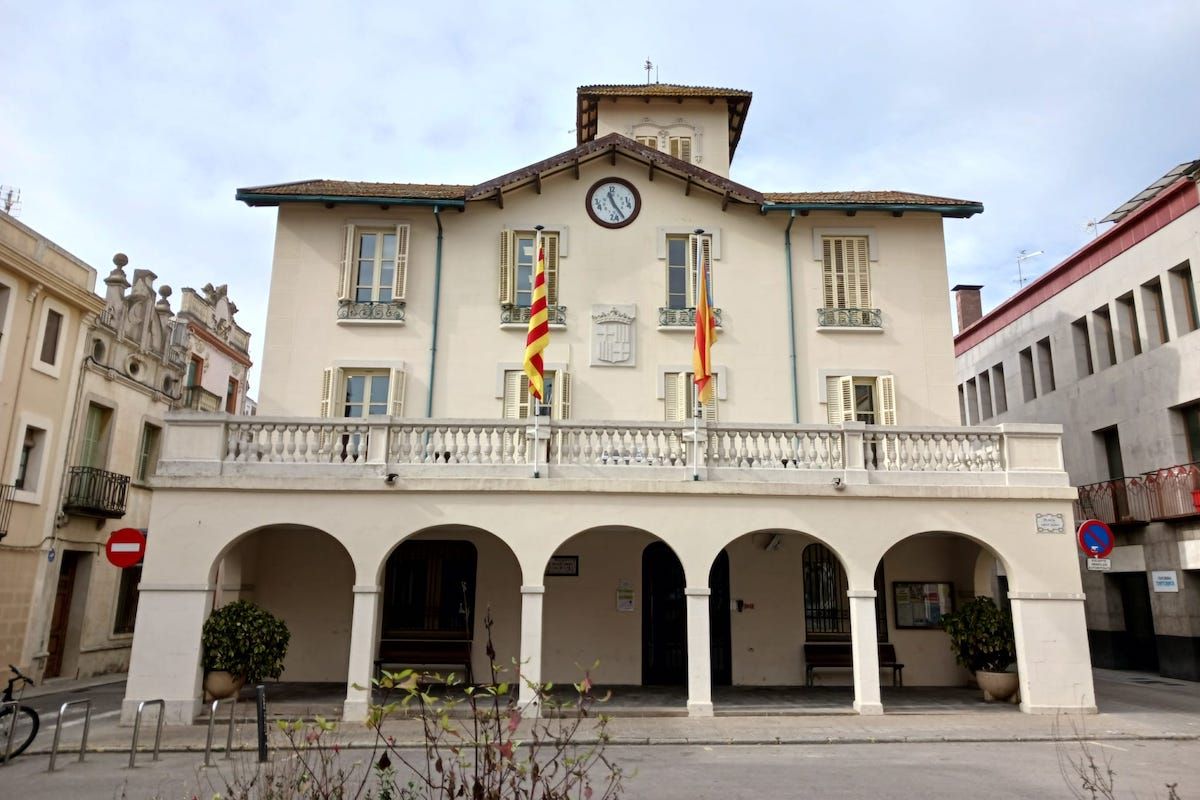
"A box at the Liceu and a tower in Cardedeu" was a defining phrase for wealthy Catalan classes at the end of the 19th century. It is no surprise, then, that the Vallès town is in the spotlight for those seeking quality of life, as it currently meets many of the conditions required to host metropueblitanos.
It has a Rodalies station in the urban area (although this is not precisely a guarantee of quality of life at the moment). It is also close to the highway and several economic activity zones in surrounding municipalities, in addition to being 20 minutes from the center of Granollers, which has the services corresponding to a regional capital.
Additionally, Cardedeu stands out for its educational offerings, with several centers considered among the most innovative in Catalonia. In fact, the first time I met someone who moved there from Barcelona, back in 2015, it was for this reason.
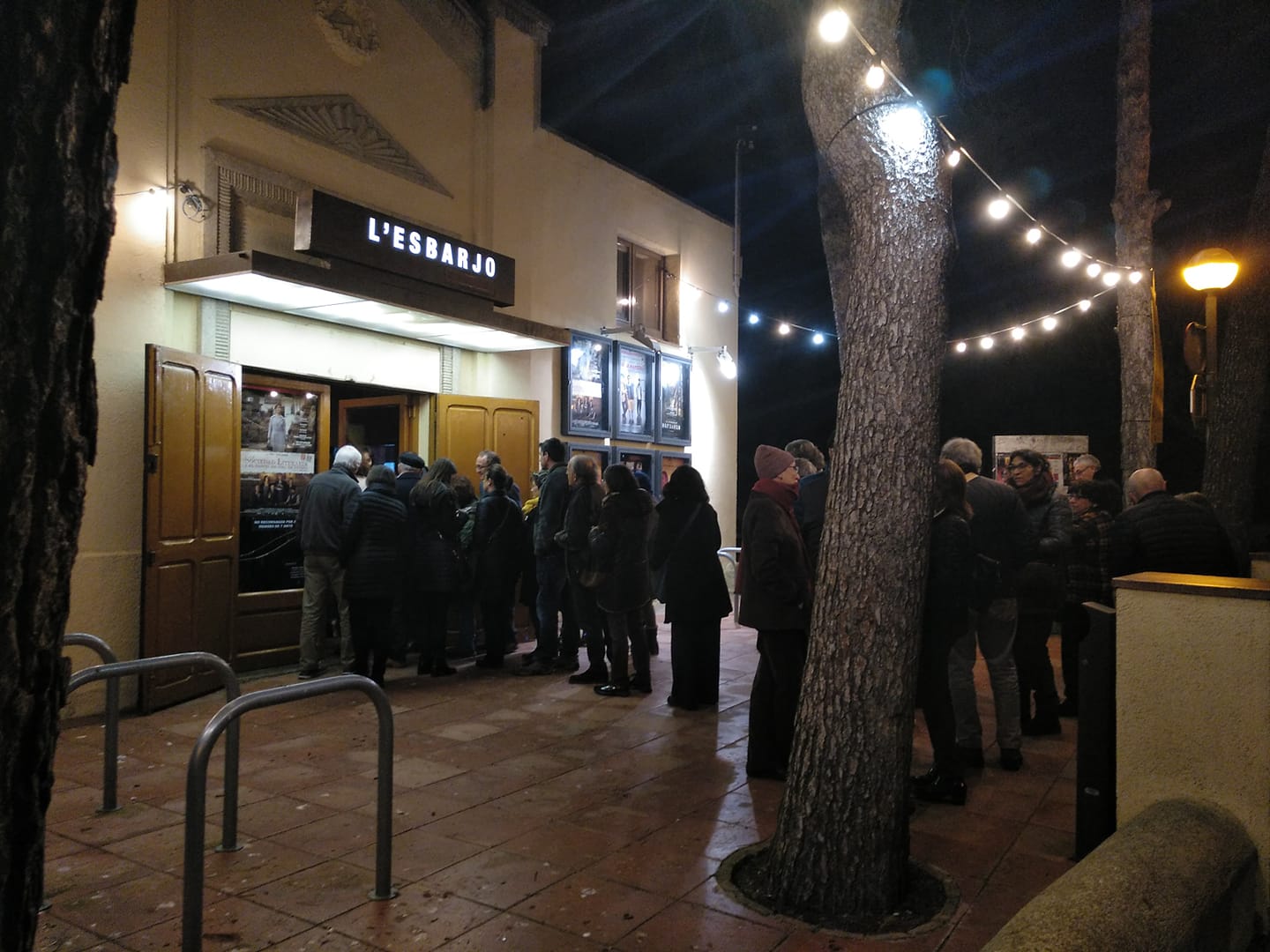
The proliferation of cultural and social and solidarity economy initiatives, in a municipality already quite traditionally active in these areas, also shows a particular profile of many of the people who have gone there to reside, who want to recover the community ties they feel are lost with the globalizing dynamic of the big city. Perhaps that is why some call it "the new Gràcia neighborhood."
However, is this metropueblitanism a dream within everyone's reach?
Above all, as expected, it must be said that the effect on the housing market is more than notable. In Cardedeu in particular, sale prices are already close to €2,500/m2 (€500 more than five years ago), above the regional average and close to the Catalan average. Rents have also skyrocketed with increases of over 50% in a decade. In this sense, the ripple effect of prices, without greater supply either in the center of the metropolis or beyond the AMB, will continue to operate relentlessly towards all localities with these characteristics.
Cardedeu has thus become a paradigmatic example of a coveted destination for many disillusioned urbanites who also do not want to end up in an isolated and depersonalized urbanization.This implies, as is also known, a displacement of the local population who either cannot afford these costs or find a way to profit from their property and move to another municipality. In the case of Cardedeu, mainly to another one in the same region. It should be noted that the municipal register, which records 19,091 people in 2025, has grown by 1,000 people in 10 years, a figure very close, however, to the number of those who have left.
Exceeding 20,000 inhabitants entails adding some minimum mandatory competencies for the local council, such as civil protection and fire extinguishing services or having public sports facilities. Cardedeu could exceed this population threshold before 2030, but it must be said that, in general, the cities and towns of the province of Barcelona have these needs well covered with the support of the Diputación.
What is more difficult to adjust budgetarily are other services that, whether dependent on the local council itself or other administrations, see demand increase at a rate that resources do not follow, with education and healthcare at the forefront. Ensuring jobs in these environments, bearing in mind that not all jobs allow teleworking, is another of the fundamental challenges to close the cycle of prosperity and prevent the formation of dormitory towns, as has happened over time with some cities.
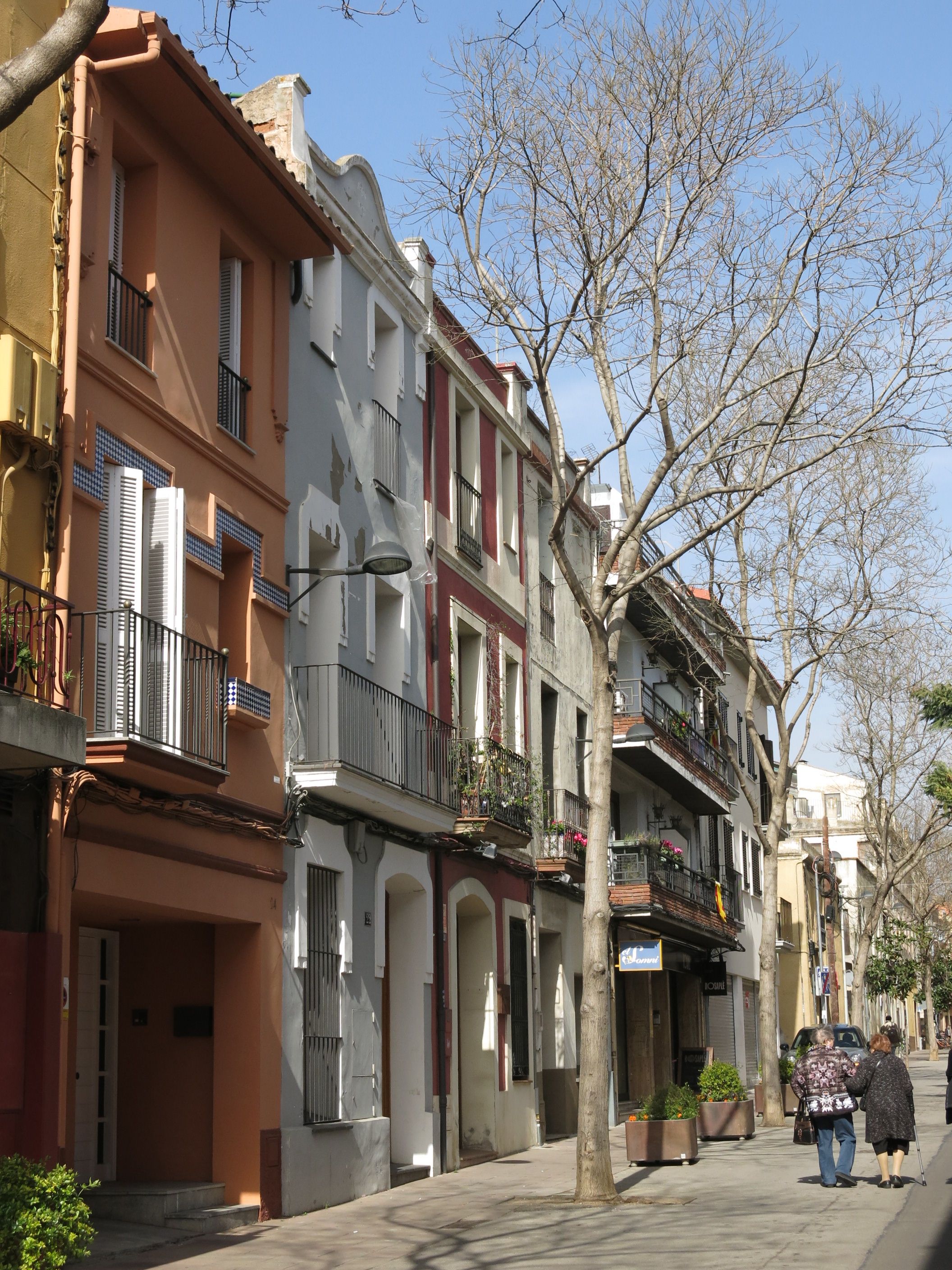
In short, when talking about population growth in Catalonia, with projections that even contemplate reaching 10 million inhabitants in 25 years, and the constant and growing trickle of population towards areas increasingly further from the capital, it will be necessary to consider how this population should be distributed throughout the Catalan territory and whether the towns located within a 45-minute radius of Barcelona can continue to be towns. We will therefore have to ask ourselves whether being metropueblitano will be a viable option in the medium term or rather constitute a fleeting luxury, until the towns themselves, overwhelmed, lose the attributes that make them attractive.
I began by pointing out that there are many people who wanted to have a metropueblitana life, but it is equally true that there are many others who would not trade the hustle and bustle of the big city for anything. In the same way, we must look for formulas to prevent this phenomenon from leading to the expulsion of people from their towns.
Making different ways of life compatible in different types of settlements (metropolises, intermediate cities, towns, villages, etc.) is part of the conditions for the sustainable development of a country. And to achieve this, it is necessary for Catalonia to recover and renew territorial planning, which we have left aside for too long, to draw what kind of country we want by 2050.
From the PEMB we want to start thinking about this shortly. We will keep you informed.
Add The New Barcelona Post as your preferred Google source for free
Stay informed with the latest news.