
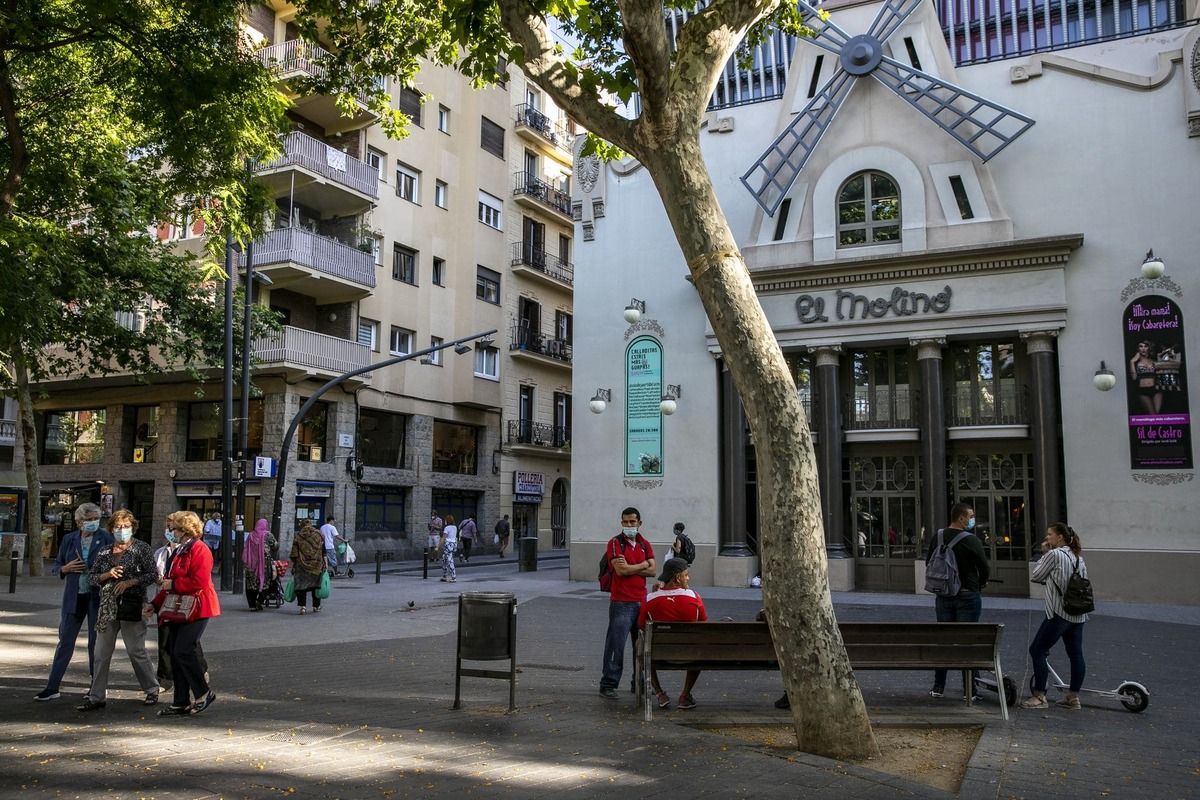
If I can ask the dear readers of this Punyalada to perform a very simple exercise (travel to Mr. Google to fish for news about the recent purchase of El Molino by the Barcelona City Council), they will find a string of articles written by colleagues from the cultural press who, basically, reproduce the press conference in which Mayor Colau presented the investment of 6.2 million euros to convert the old entertainment and recreation hall into a facility with the aim of boosting culture in Paralelo. Readers can choose any of the texts by our Barcelona chroniclers: they are the same copy-paste where it is narrated how the new infrastructure intends to open in 2022, after a management tender, and with two essential particularities: public-private management and a facility profile marked by a desire for interdisciplinary transversality and artistic experimentation.
One of the essential problems of what we used to call "cultural policy" in our city (also in the rest of the territory) is the lack of journalism that explains and audits it as it should. When the City Council proposes a significant investment, and vociferates the purchase of an essential infrastructure in the history of a ground zero of national culture, it is a symptom that cultural journalism (precarious to appalling limits, colleagues, I know!) swallows euphemisms and simulacral generalizations of an initiative that, as usual, has thought first of the brick and later of the substance. Because it only takes a minimum of curiosity and willingness to work to understand that, with El Molino, the City Council has made a facility public, it is true, but whose management will be private, for the simple reason that a tender has been opened for a company to manage it at a basic level and develop a cultural project.
When the City Council calls a tender to choose a management company for an entity, it establishes a series of objective canons (one of the primary ones is usually the money to be paid during the contract and which will revert to public coffers) and in parallel ---hence Colau and the delegate of Cultural Rights of the City Council, Dani Granados, have insisted on the character of the facility being open to the neighborhood and its heritage--- the administration can demand a variable canon from the programming or from the profits to the company, focused on the public interest of the entity: in this case, for example, a theater management company could use it as one of its programming spaces, but it should singularize it by presenting an educational project, a special program related to the history of the place, that would include companies, artists from the neighborhood, and so on.
Well, here we have the usual problems: when the City Council buys an infrastructure and offers a year to the few companies that will have the economic possibilities to manage El Molino, it will be impossible for Focus, The Project, or similar companies to establish a canon or a program contract that has enough ambition to revive it and weave a heritage project that honors the immense history of Paralelo. Recently, we praised the enormous effort that our great Theatermacher Xavier Albertí has made for Barcelonians to reconnect with the history of the neighborhood (in the exhibition El Paral·lel, 1894-1939, Barcelona i l'espectacle de la modernitat and the recent Emperadriu d'El Paral·lel at the TNC). Well, I can assure you that the projects that will compete will not even reach a hundredth of the sole of this shoe.
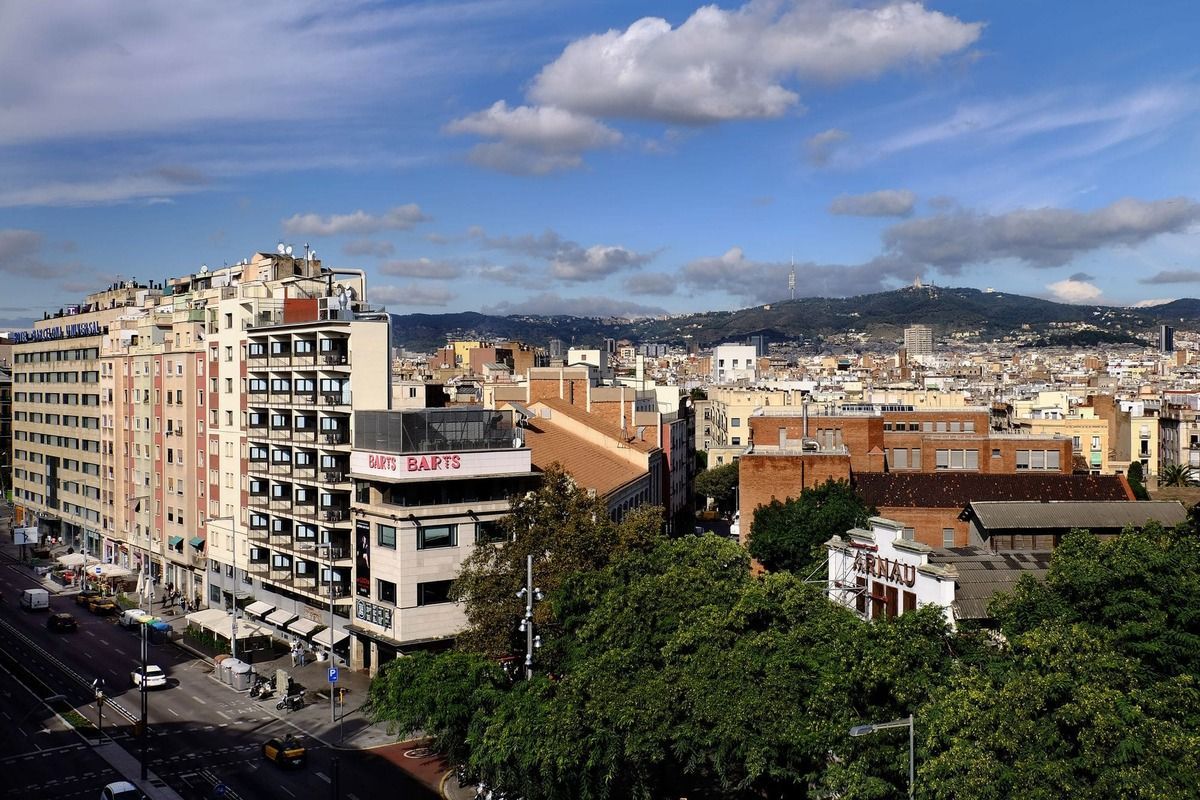
I answer the initial question of the article. Is it necessary for the City Council to buy El Molino? Well, like everything in life, it depends. If the Barcelona administration had shown ambition and a desire to innovate in the infrastructures it has acquired or intends to help manage (the cases of Sala Barts or the Hermitage, respectively, are paradigmatic examples), the companies that wanted to present a project to manage them would know that they must sweat blood with a cultural plan that goes beyond the usual generalizations and clichés of a desiderata of artistic management (that it is multidisciplinary, that it is transversal, that it is close to the neighborhood and all that chatter) and the administration, in turn, would ensure beforehand that it would not have to swallow any fast-food since the project would be born from a competition to foster competitiveness in excellence that would force them to work hard.
Putting the cart before the horse in a hurry, I insist, precisely the opposite is encouraged; a kind of every man for himself in which, I anticipate, what will end up counting much more is the most juicy fixed payment canon for an administration that hardly needs the four pennies of a certain offer and where the cultural project, predestined to the trivialization of a simple PowerPoint, will be as decorative as the blades of a dry mill. This is not an article against public-private collaboration, quite the opposite! If the administration facilitated the purchase of equipment or its restoration and fostered a climate of healthy competition to liven up a restless cultural sector attentive to new proposals, the news of the purchase of El Molino should be celebrated with the best champagne. But, unfortunately, we are still in the usual paradigm.
If the administration fostered a climate of healthy competition to liven up a restless cultural sector attentive to new proposals, the news of the purchase of El Molino should be celebrated with the best champagne
How will this story end? Since we're at it, I'll jot down an answer. The City Council will privatize a facility with the resources of all citizens and, finally, will end up facilitating a company to benefit from it without its work resulting in better cultural health for the citizenry and greater patrimonial vibrancy for Paralelo. As I said before, if in the tribe we had something like cultural journalism, operations like these should be described and named for what they are; a fraud of law and above all a scam to the community by an administration that fulfills the tradition of treating culture as the crippled sister. But things are as they are, the law of silence will continue, and our meritorious mayor will be able to continue boasting that vulture funds have not ended up buying one of the jewels of Paralelo.
What I'm telling you is a real shame, but here we are and if anyone thinks I'm exaggerating, let them remember how the Barcelona administration announced the purchase of the Arnau theater, also in Paralelo, with the same exact pomp and promises of cultural integration with the neighborhood, transversality, inclusivity and all the verbal rubbish ending in dad, a chatter that, for now, has only ended in a ruined theater that no one knows what to do with. Here we are and, unfortunately, when it comes to cultural policy, we only move to descend even further into the dark hell.
Add The New Barcelona Post as your preferred Google source for free
Stay informed with the latest news.