
We Barcelonians are a lazy bipedal species and the MNAC, due to its alpine location and pompous figure, like a pharaonic and helpless temple, has been one of the ancestral victims of our laziness in moving our asses, even more so when it comes to visiting museums. It also affects the fact that our favorite mausoleum of tribal art is one of those places we visited with school and any pedagogical recreational activity, especially if it is led by that horrifying species of museum guides and art historians who walk the kids through the nooks and crannies of a museum spouting monumental nonsense about works of art they don't know a damn thing about while pretending to be cool, usually tends to be castrating and counterproductive for a later visit.
In the case of the MNAC it's a shame, because since Pepe Serra took command, the museum has structured its magnificent collection with solid and clear narrativity, its rooms are an optimal space to breathe and get excited with extraordinary works of art and many temporary exhibitions like those of Francesc Torres have managed to make the art that was dozing full of dust in the museum now reread in the present time, giving us a true catharsis of contemporaneity.
Trust me and rush to the MNAC, if necessary more than once (you have until November 7, 2021, unless the world ends before then, the year counter suddenly explodes and we all go to hell) and stroll. I write stroll consciously because this is the first achievement of this intrusive experience, because the Suñol works are scattered throughout the two floors of the MNAC and, as we look for them like clueless tourists, the route gently imposes on us the unhurried walk of the flâneur, and it is thus that we can reconnect without stress and with more pleasure with some old acquaintances (I took the opportunity to stop for a while before the great Saint Jerome from Josep Ribera's workshop, an enormous painting of the saint hypnotized by the divine trumpet, brilliantly portrayed with that childlike, drunken face).
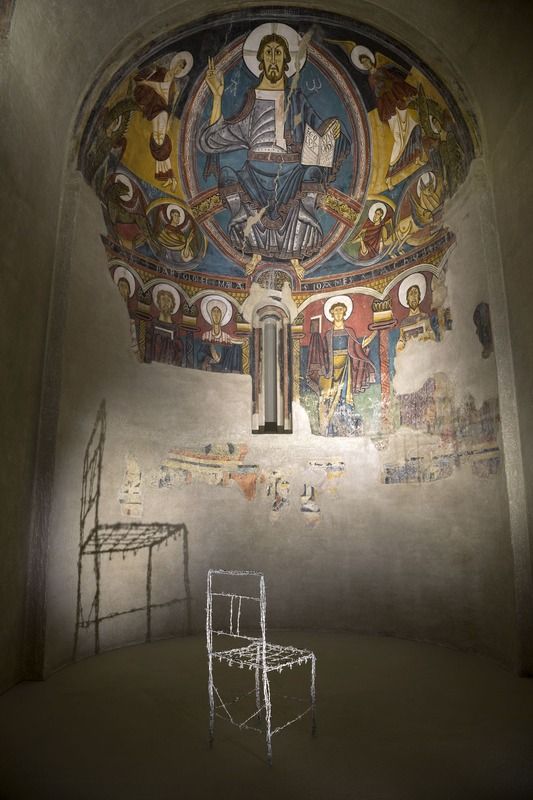
Being able to hunt down the 19 works of the Suñol collection last Wednesday morning at the MNAC was something orgiastic for me, because it must have been the first time in my fruitless life that I have been able to see an exhibition for more than two hours without crossing paths with a single visitor, being able to interact only, masked and communicating with my gaze, with one of the entities that has always aroused in me a more fervent anthropological passion: the gallery attendant. Perhaps for this reason, the pleasure of having the MNAC all to myself, I especially enjoyed what is perhaps the simplest work of the entire exhibition, the Chaise de salon d'art (1974) by the great artist from Salt Jaume Xifra, a chair woven from metallic thread, the material of Christ's suffering crown and of torment, which contemplates simply, defiantly like a resentful widow, one of the most beautiful Maiestas Domini in the Sant Climent room. One must be there, in that room, for as long as necessary, just to see how this simple little chair by our Xifra defies all the magnificence of the Durro Altar and how with a simple stroke of metal it summarizes the morbid dignity of the martyrs who imitate Our Lord and whom our postmodernity has translated into much more imperfect forms such as the Holy Spirit of Lledoners and the Robinson Crusoe of Waterloo.
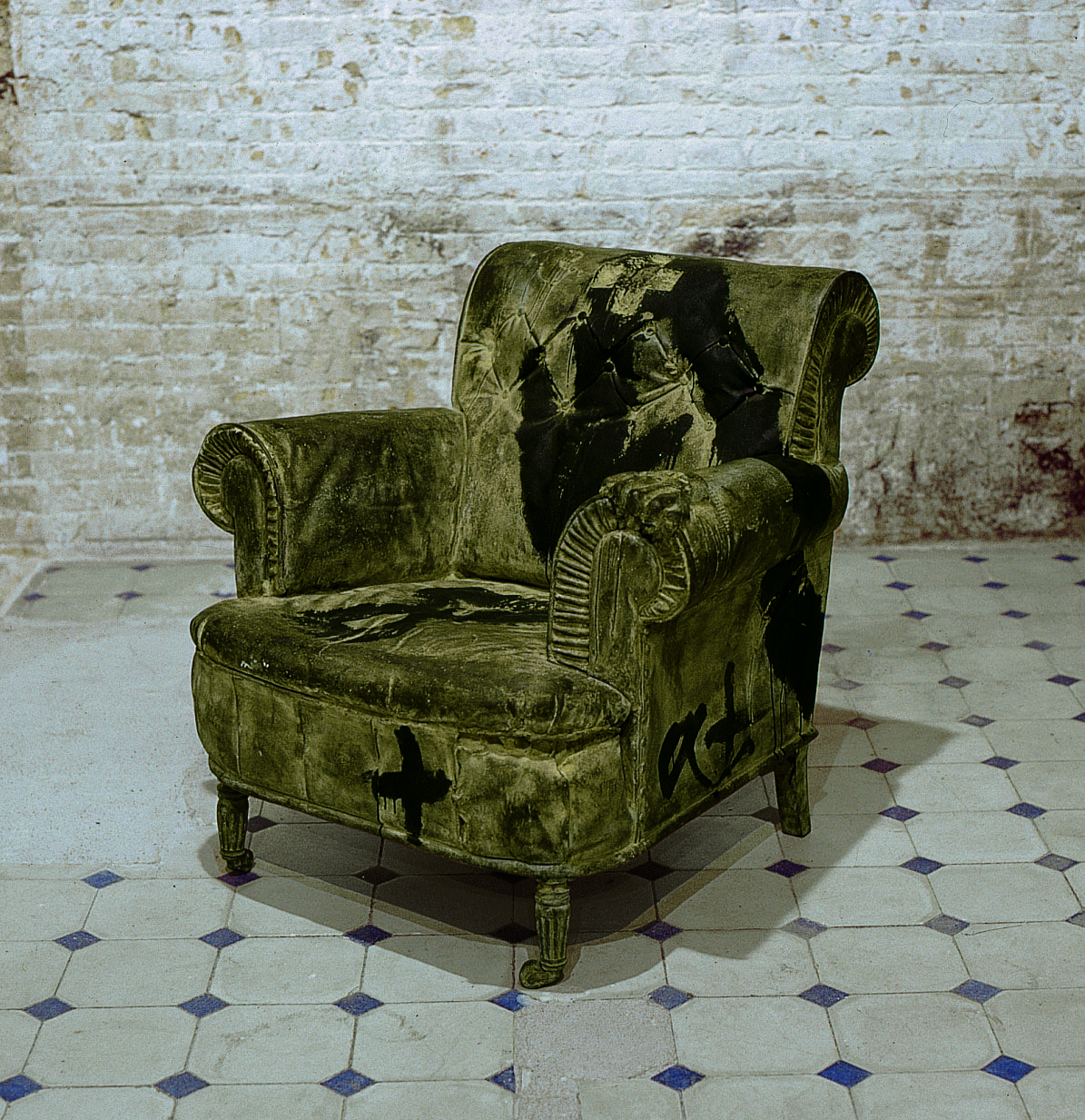
Now truly an intruder, I meditate that art has always been a form of spying dialogue, because there is not a single artist, not one, who thinks or creates from nothing, and even geniuses like Mozart or Picasso always end up listening and looking at the work of their co-religionists, even if it is to mock their failures. My thoughts surprise me as I contemplate Tàpies's Armchair (1987), which catches the viewer's eye by bursting into the room where the sumptuous thrones of the Gothic medieval virgins of Jaume Huguet are piled up, and one is captivated by this simple piece, modesty personified in dry skin that seems to defy the portraits of Sant Jordi and the virgins who get excited like sows contemplating it. The image is contrasting, it may even seem disrespectful amidst so much sacrosanct nonsense, but if we are patient and approach the canvases, we will discover that the skin of this simple piece of furniture ends up magically resembling the ink and stuccoed reliefs of the wonderful Sant Jordi and the princess (third quarter of the 15th century) from the Cabrera lineage. We contemplate the object again, now converted into a magnificent work of art, and at this precise moment it will seem that all the Sant Jordis in the room will no longer fight to drink the princess, but to rest on this beautiful and impoverished sofa.
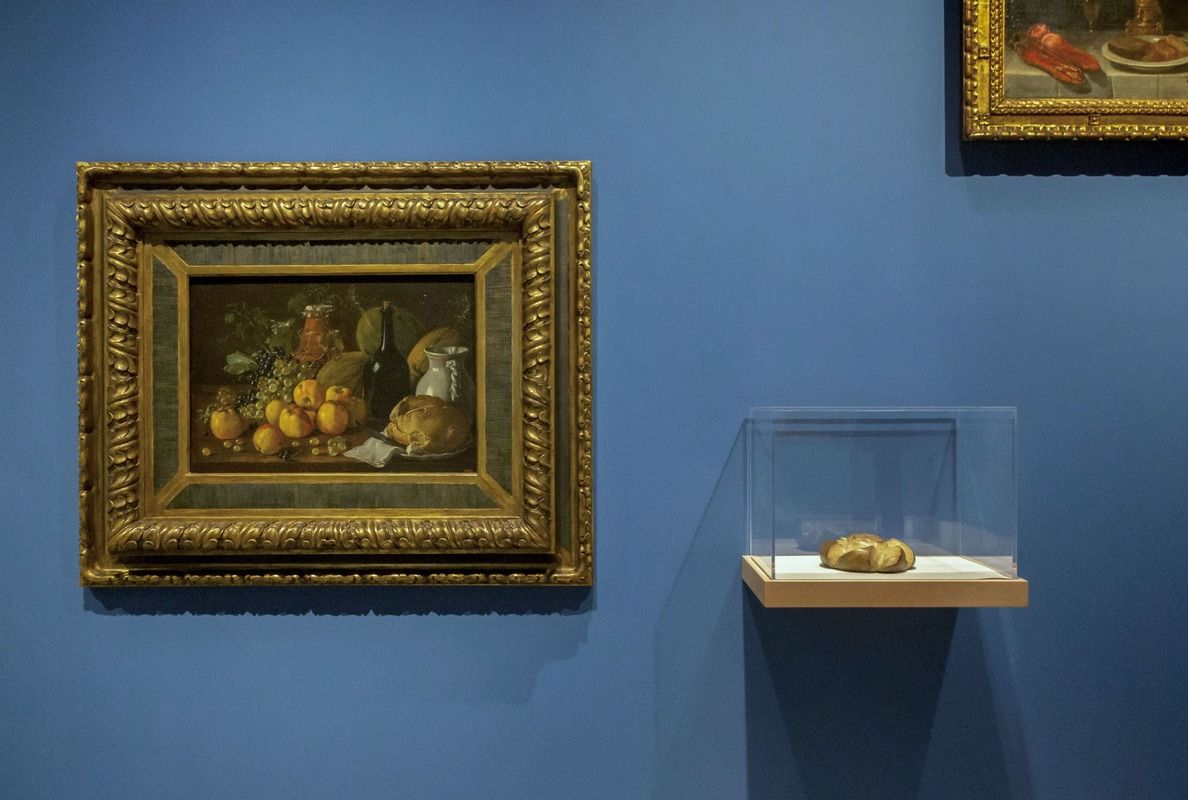
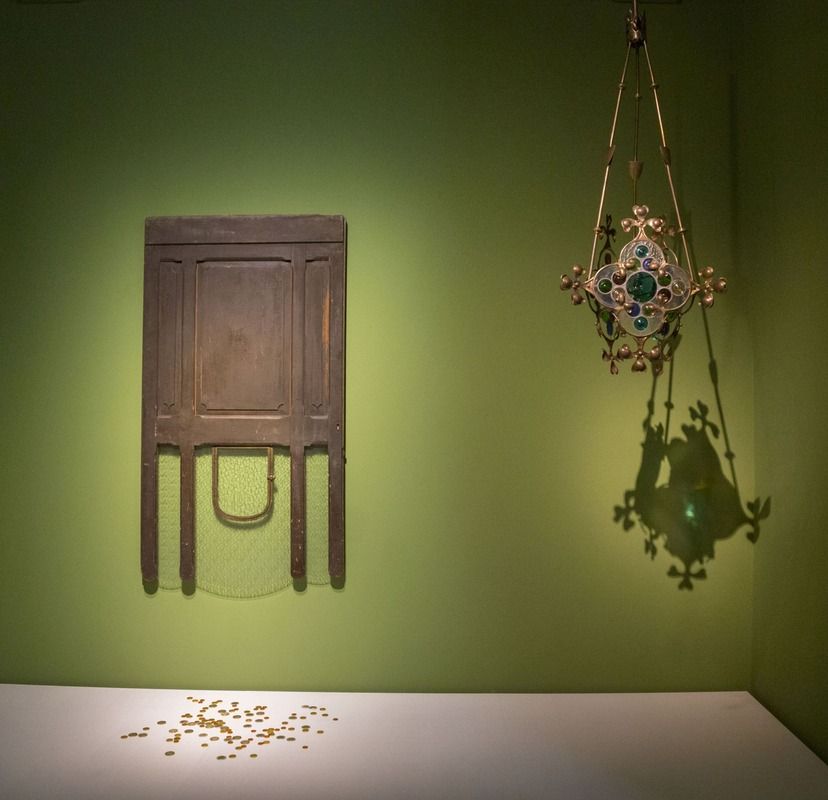
It is not strange, then, that the dialogue between the immediate past and tradition is more impactful when the former is objectual, as also happens with Claudio Bravo's Toasted Bread (1974), which gives us a note of ironic-realistic humor to the usually lavish still lifes of baroque halls and their dreadful feasts, or the genius of our great Brossa, who in Capitomba (1986) places us before an inverted old bank teller from which we believe we see coins falling that are actually chocolates, an installation that summarizes like few others Brossa's bad temper and that gains even more truculence when placed among the exuberant lamps of our beloved kitsch Modernists. It is important to remember that one of our great achievements as a race has always consisted of putting in parentheses what we consider sacred, of making fun of the four things (there are no more, to hell with it) that make up that bullshit we usually refer to as national character, and it is in this sense that the objects of Xifra, Tàpies and Brossa embed an interesting dialogical note towards (or against) our past. It is important that we venerate it, no doubt, but also, now that we have been carrying many years of procés on our backs, with its insufferable martyrology and constant petulance, that we realize that our excrements also stink and that, too often, we make fools of ourselves. Thank you artists, for reminding us.
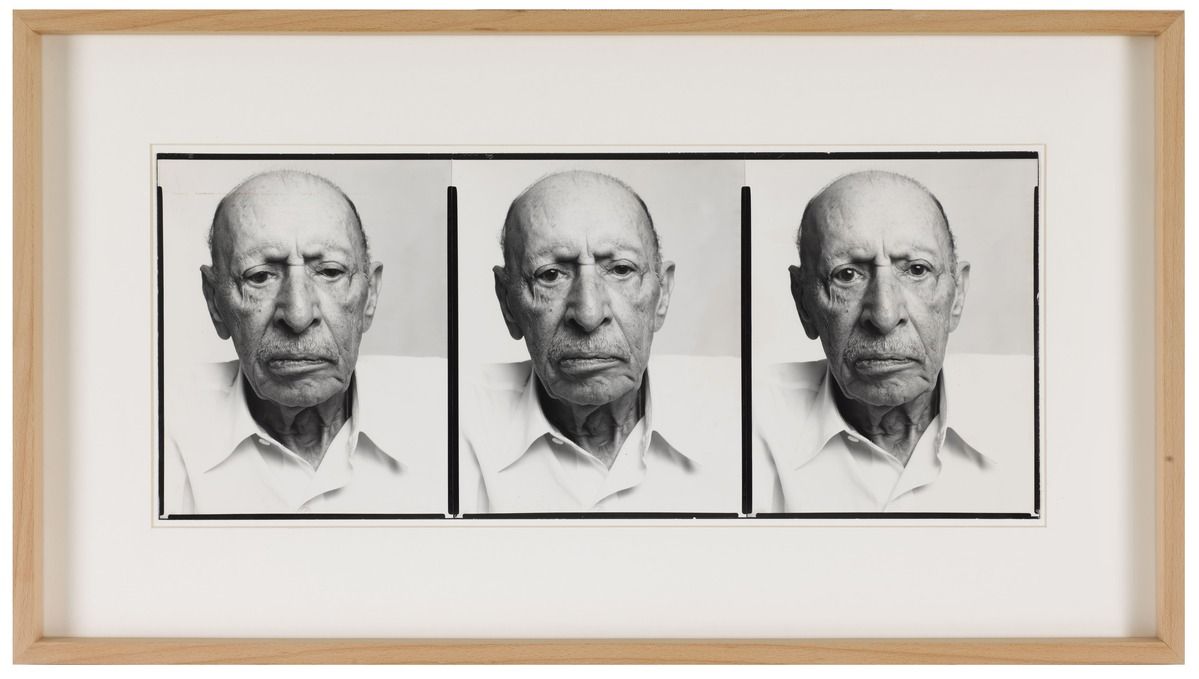
I must confess that the abstract painting sector of the 70s-80s in can Suñol does not make the hair on my body stand on end like its undeniable sculptural excellence, and the dialogical impact represented by the works I have cited before declines a little in the works of José María Sicilia (Flor marco negro, 1987) or José Manuel Broto (A-3, 1984) and even more so in the otherwise beautiful Stravinskyan photos of Richard Avedon (1975). This also happens with the work of my adored Joan Hernàndez Pijoan, from whom the curators have chosen his marvelous Díptic II from 1978 (applause and ovations) with the aim of contrasting the orgiastic explosion of impressionism and all its posts with the extremely austere search for color in our great Barcelona artist. At the risk of sounding too knowledgeable, I would say that the location of this marvelous work, which is on par with the best of Barnett Newman, would deserve another space in the MNAC where the brilliant nuance and the enormous brushwork science of our Hernández Pijoan would shine much more (room 52 is too small, almost a transit space where the viewer cannot immerse themselves as God intended in the pictorial texture of the work, which unfairly passes as minor when, in my immodest opinion, it is one of the most interesting of the selection, by far). The amendments are there to annoy a little because annoying, here at La Punyalada, we love it.
After the walk, fatigued by the pleasure of the intruders, I wander through the Oval Room of the MNAC. Permanyer told me one day that this is the second largest space of this type in Europe after the Royal Albert Hall. I don't know if the data is true, which with Lluís it surely is, but we can undoubtedly affirm that it is one of the worst used on the planet. Some of my spies tell me that its magnificent organ needs a couple of kilos of euros to be repaired, so, if any rich person from the tribe reads me, it would be good if they shelled out a little money and that among all of us we organized a Mahler's Eighth there as it should be, because the Oval Room would be a fantastic space to program concerts of all kinds (after conditioning the reverberation) or at least something of higher artistic category than those dreadful charity dinners that occasionally go there, full of badly dressed people and this nauseating Christmas spirit that is about to regurgitate to screw up our confined existences a little more. Fortunately, we still have art, and despite the minor issues I have commented on, we still have delicious experiences like going up to the MNAC to enjoy like camels with these Intruders, walking through our museum, and dedicating a couple of hours to having fun with thinking itself.
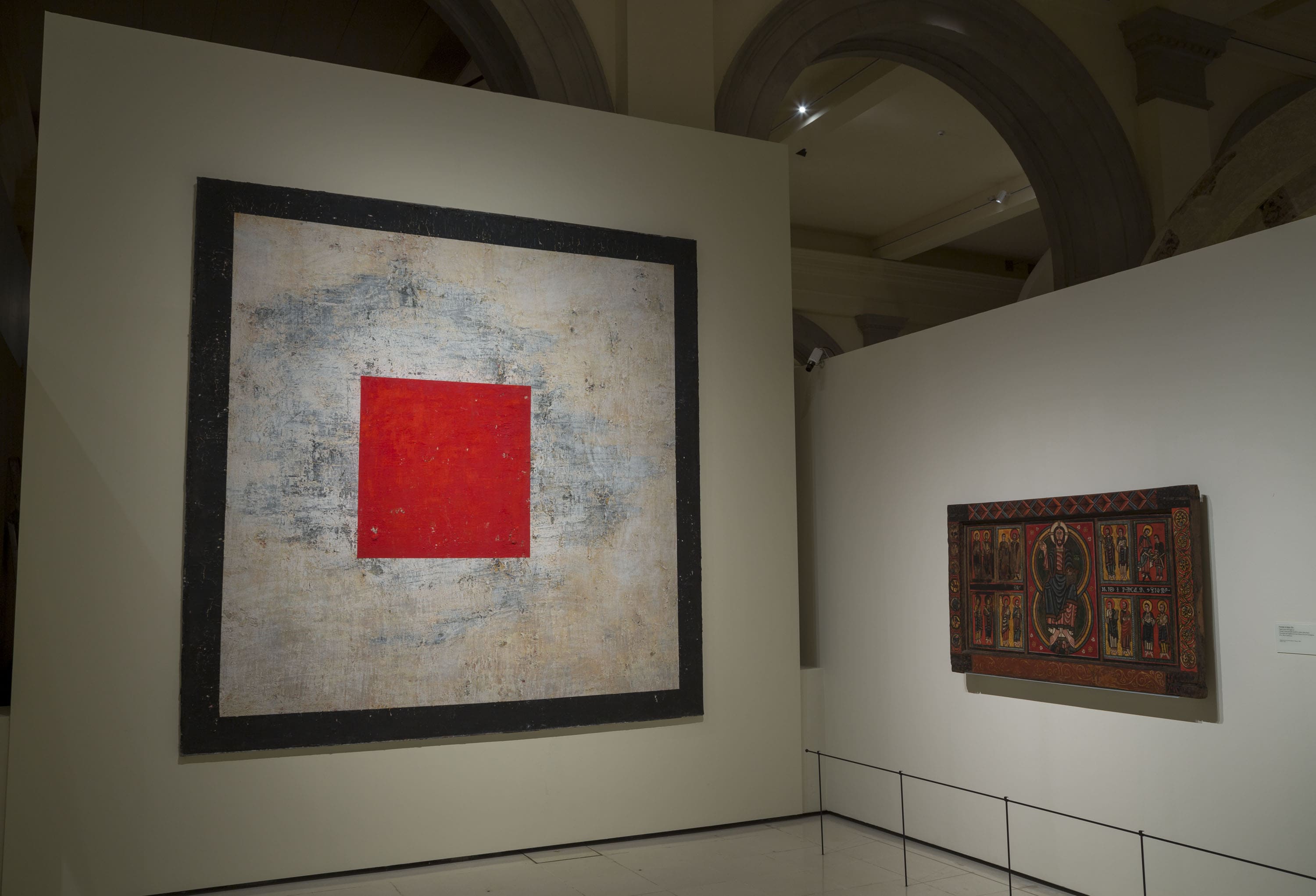
Listen to me, don't be lazy and lift your buttocks. Go up to the MNAC, because this exhibition makes perfect sense in its motto: Everything is present, because art is always breathed from the now, and this now of the dialogues between can Suñol and our museum is a fantastic artistic experience to enjoy and rack your brains. I will surely return, and it would be great to do the tour again more alone than ever, but it would be even better to find my readers frolicking around the place. Come on, Barcelonians, move your ass.
Add The New Barcelona Post as your preferred Google source for free
Stay informed with the latest news.