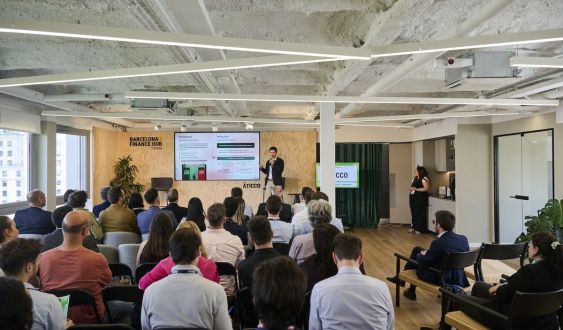
Barcelona has been building an entrepreneurial ecosystem for years that has turned the city into a meeting point for startups, investors, and talent. The ecosystem is made up of a wide variety of actors, from founders to investors, and among them, incubators and accelerators. Together, they form a network that accompanies entrepreneurial projects throughout the journey from an idea becoming a business.
The map of incubators and accelerators in Barcelona is broad and heterogeneous, with generalist initiatives and others more specific, focused on sectors or concrete areas. Among them, actors such as Barcelona Activa stand out, which has a public network of incubation spaces, through which more than 1,500 companies have passed. Beyond the network promoted by the City Council, the city has a wide range of options to propel entrepreneurial ideas and projects, also sectoral, such as Lab4Travel from Barcelona Travel Hub, linked to tourism innovation, or the Logistics 4.0 Incubator, from the Consorci de la Zona Franca de Barcelona, specialized in technology applied to the supply chain.
Also part of the entrepreneurial scene are initiatives such as AticcoLab, the ecosystem of Tech Barcelona, BCombinator and multiple initiatives promoted by the university and business world. The entire ecosystem has been articulated and sophisticated in recent years; two decades ago, there were practically no initiatives that supported entrepreneurship.

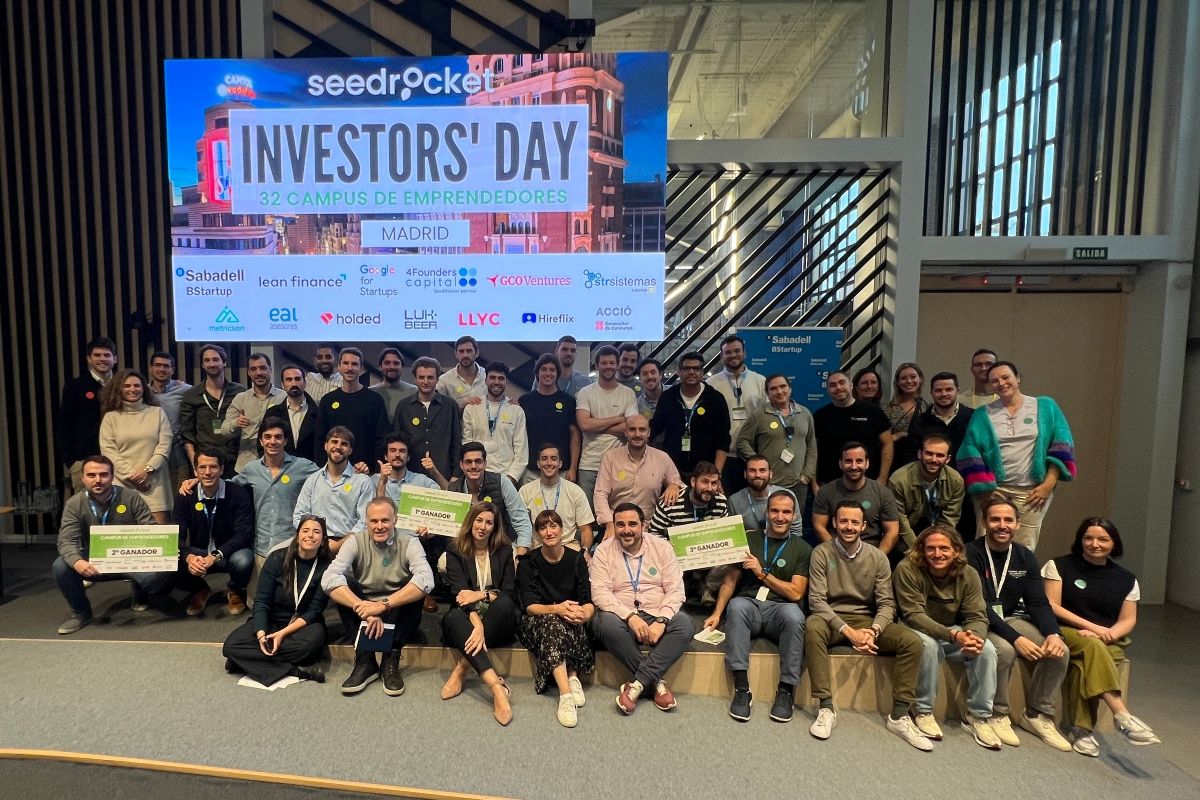
It was then that SeedRocket was born, as Jesús Monleón explains: “We are serial entrepreneurs. We have been doing business for 25 years and, when we were starting, we would have liked to find someone who would have accompanied us.” SeedRocket was created with this objective in 2008, with experienced entrepreneurs turned into mentors: “They are not consultants who help you make a business plan,” but professionals and founders of leading companies who accompany with their experience: “We contribute to bringing realism to the ecosystem.”
The main entry point to SeedRocket is its Entrepreneurs Campus, aimed at early-stage startups. It is held twice a year for a week and brings together projects that have passed a selection process: more than a hundred usually apply to each call, and only 12 access the program. Those selected come into contact with mentors, and some end up linking as business angels.
Since the emergence of SeedRocket and other initiatives that paved the way, the ecosystem has been strengthening, also with actors who have stopped looking so much at billing to focus on impact. The proliferation of programs has opened space for projects seeking to generate social or environmental impact, such as programs from Impact Hub Barcelona or Norrsken, the Impactech of Tandem Social in TechBloc4, or Scale4Impact, from the Ship2B Foundation.
As explained by Guillem Bargalló, program manager of Scale4Impact, the program is part of venture philanthropy, a formula that combines funding with specialized support to professionalize impact organizations. “It’s not just about investing, but also providing technical assistance to projects.”
To do this, Scale4Impact selects projects that work with vulnerable groups, especially in areas related to education and employment, and without necessarily being newly created. In the 2026 call, the foundation contacted nearly 600 entities: 130 submitted applications and eight were selected for the first phase. After a bootcamp of training and mentoring, three projects move on to a second six-month acceleration stage.
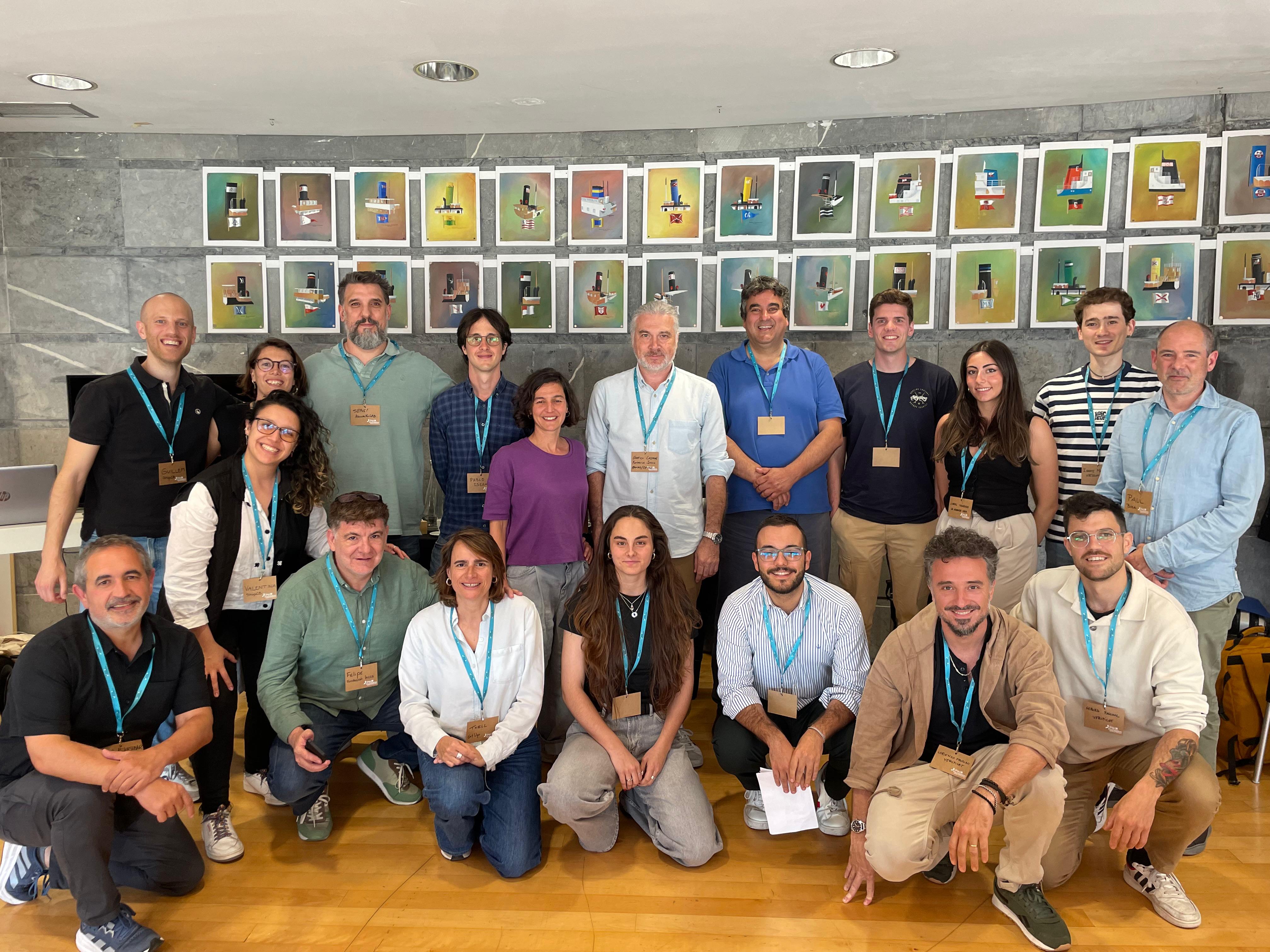
Among the projects are initiatives such as Getup, aimed at improving the employment situation of families, especially single-parent ones, or NeurekaLab, a platform to detect and work on learning difficulties such as dyslexia, dyscalculia, or ADHD. The fundamental criterion is not which one can bill the most: “Impact is prioritized. That’s what is sought; the rest is secondary,” summarizes Bargalló.
The progressive expansion of the ecosystem has also allowed international organizations to enter. Friends of Bata is one of them: Launched in 2020 as a non-profit foundation by Thomas Archer Bata, it works in Barcelona to connect students, entrepreneurs, mentors, and investors, with programs like Founders of Tomorrow, developed together with AticcoLab at the Barcelona Finance Hub. In an intensive day, students and young people from different countries form teams, develop an idea, and turn it into a first product or prototype with the help of mentors. In this summer's edition, 75 students from 27 nationalities applied to participate, of whom 50 were selected to take on the challenge of transforming an idea into a startup in a few hours.

The diversity of the incubator and accelerator map reflects the evolution of the city's entrepreneurial scene, to shape ideas and turn them into viable business projects. And what is the formula to determine which project will work, which will fall by the wayside, or which will be a success? "We don't have a crystal ball, and no one does," Monleón emphasizes. This is how they see it at SeedRocket: "Of the twelve companies that enter the campus, there will always be an outlier, a champion, but we don't know which one it is. Of the twelve, eight will not work; two will become businesses, and one will stand out. But at the beginning, we don't know which one it is, and there is no formula to know."
"Betting on startups is also a probabilistic matter," adds Monleón, from his investor role. "In the entrepreneurial world, there is always an uncertainty that is impossible to eliminate; you have to live with it. And that's okay." Incubators and accelerators precisely contribute to managing this uncertainty: they do not eliminate risk, but they bring entrepreneurs closer to mentors, networks, and tools to face it.
Add The New Barcelona Post as your preferred Google source for free
Stay informed with the latest news.