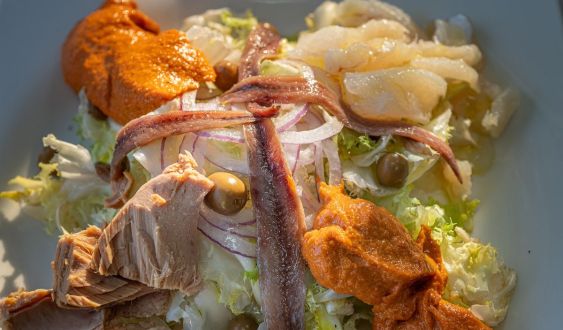
The gastronomic routes in the regions of Barcelona allow you to taste quality products and, at the same time, connect with the history, landscape, and people who make them possible. In this context, in Alt Penedès, Garraf, and Lluçanès, we find three proposals that highlight the work of producers and restaurants that keep the local identity alive: the Xató Route, the Milk Route, and the Truffle Route. All three share the same purpose: to preserve products and recipes linked to the territory and turn them into cultural and gastronomic experiences for visitors.
Doing these routes goes beyond gastronomic tourism. It is about betting on a model that recognizes the dedication of farmers, ranchers, and chefs who, with their daily work, keep alive a culinary heritage that is part of our culture. It is also a way to support rooted projects and turn a getaway into an experience that combines the pleasure of the table with the memory of a land.
The Xató Route: cuisine and wines in Penedès and Garraf
One of the great examples of how a recipe can unite culture and gastronomy is the Xató Route. For years, this route has connected the regions of Alt Penedès, Baix Penedès, and Garraf through a unique and singular dish. The proposal includes more than 200 activities, fromxatonadespopular ones to tastings and contests, passing through museum visits, local festivals, nature excursions, and wine tourism getaways."The Xató Route is an experience that invites you to discover an entire territory," explains Jordi Gasol, president of the route. "Furthermore, it values the restaurants that keep alive a unique recipe that pairs perfectly with the wines of the D. O. Penedès." Over the years, the project has grown and currently includes nine municipalities, five of which are in the Barcelona regions: Sitges, Vilafranca del Penedès, Vilanova i la Geltrú, Cubelles, and Sant Pere de Ribes.
This growth has allowed for the diversification of the offer and reaching a wider audience. "We want to grow in the number of restaurants and localities so that xató reaches more people and expands," adds Gasol. But the route does not focus only on gastronomy: it also incorporates cultural activities that reinforce the identity of the area. A good example is the Museums à la Carte campaign: "You go to a restaurant to eat and then we give you a voucher to enter a city museum for free," he points out.
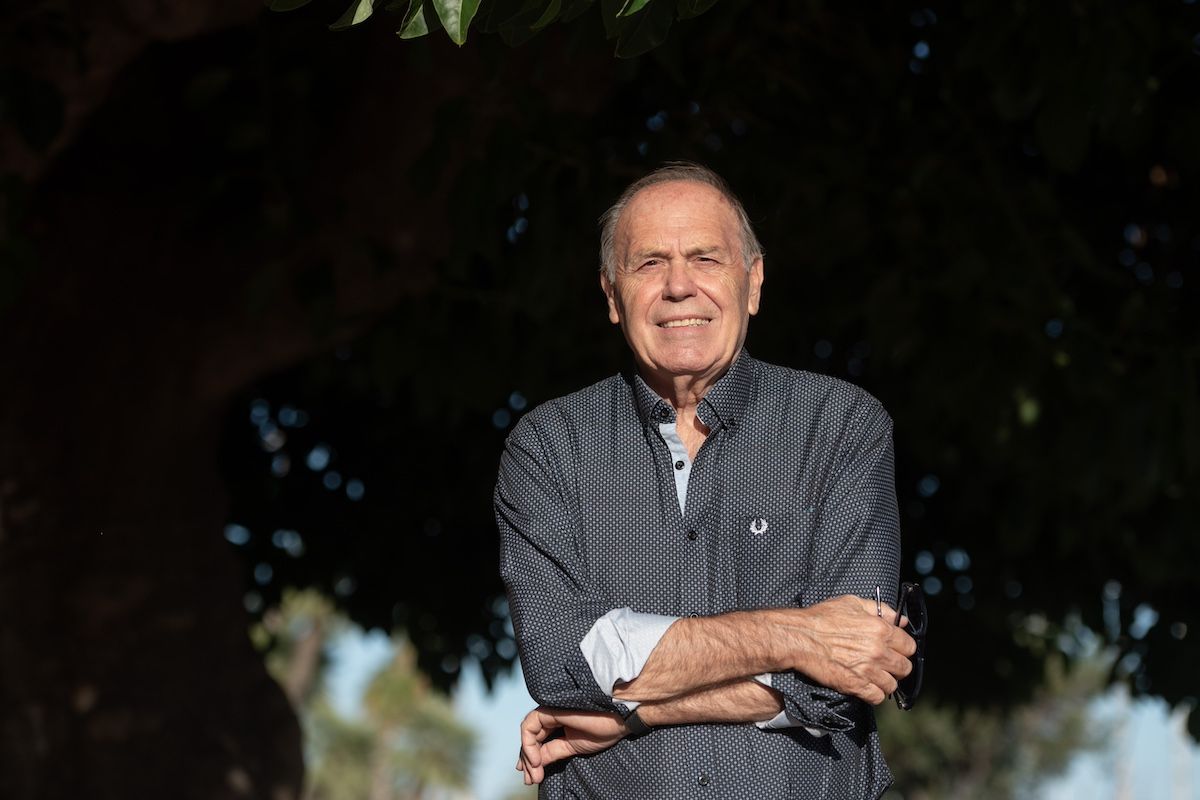
However, beyond the activities, the true protagonist remains the dish and its variants according to each locality. Each municipality adds its personal touch to the crunchy endive, the creamy cod, tuna, and anchovy, especially to the sauce. "In Sitges, it's made with anchovies, in Vilafranca they add María biscuits, in El Vendrell tomatoes… Some use a slice of bread, others don't; the amounts of vinegar, nuts, ñoras vary… These are small details that make the route even more interesting," concludes the president.
The Milk Route: farms, cheeses, and living landscape in Lluçanès
If Alt Penedès and Garraf are discovered through wine and thexató, Lluçanès does it with milk and its derivatives.The Milk Routeconnects the region with visitors through farms and cheese dairies that, with prior reservation, open their doors to their daily lives. It is a way to understand how milk is produced and to taste artisan cheeses that are part of the local identity.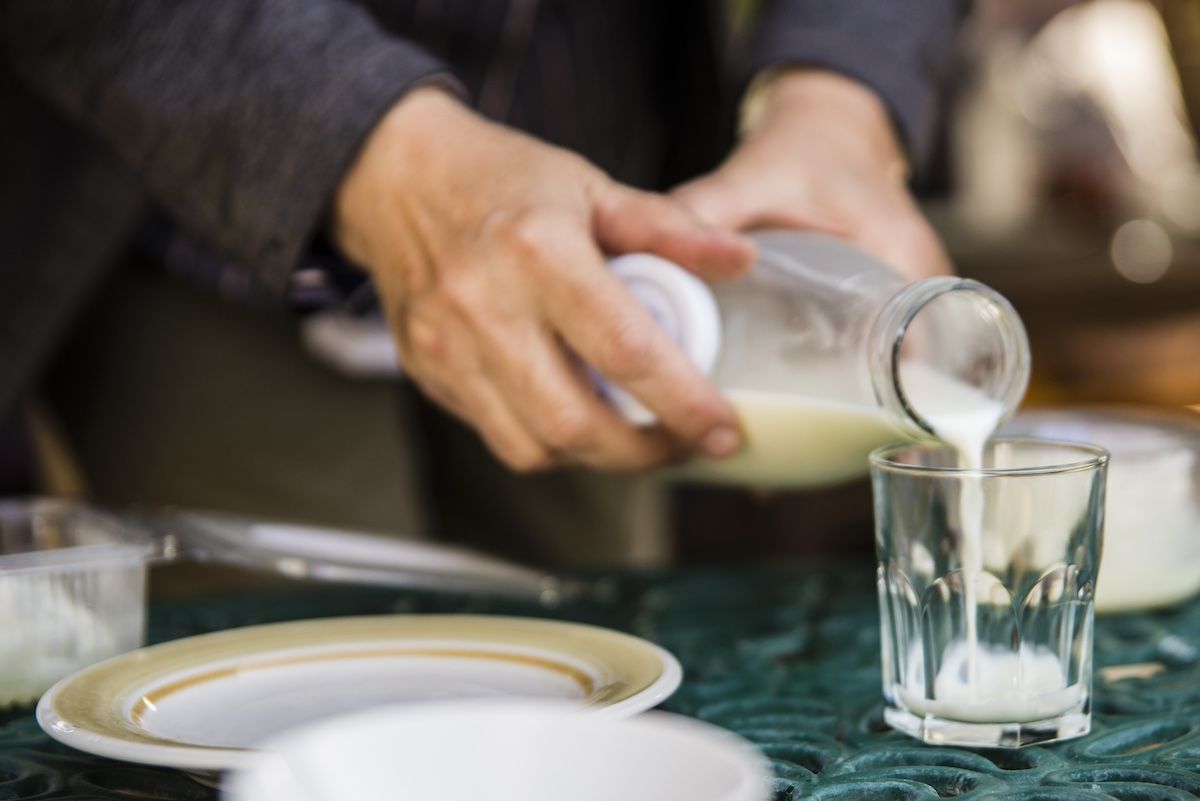
The tour combines very different experiences. At Formatges de Lluçà, the producer accompanies visitors among the herd of alpine goats and explains how the fields are worked before showing the cheese making process. At Soler de n'Hug, tradition coexists with technology thanks to a robotic milking system. And at Mas Rogers, you can breathe the atmosphere of a family farm: cows graze on the estate and the tour allows you to follow the entire process until the final tasting.
Formatges Betara also participates, an eco-farm with 400 organic sheep, located in Olost. "We want visitors to realize the difficulty involved in producing sheep's milk today. These animals must be milked every day and the process is semi-manual: although a machine is used, there is always a person responsible for the entire process," explains Ramon Berengueras, the company's manager.
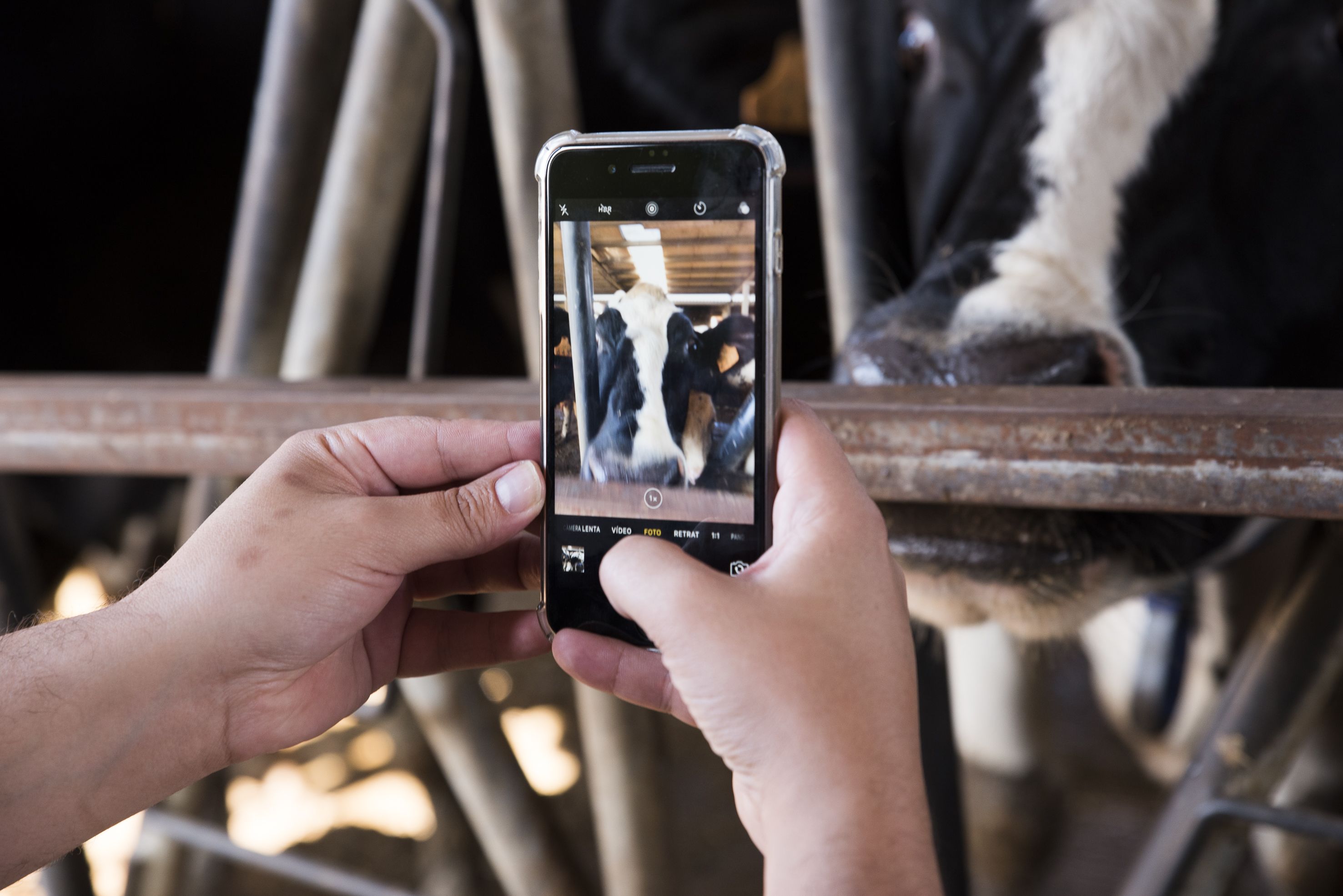
The route has, in this sense, an essential pedagogical component: to show the dedication involved in obtaining milk and the need to respect natural cycles. "If the animal has not given birth, there is no milk. Visitors learn that it is not a matter of pressing a button," they emphasize from the farm. An experience that allows you to discover Lluçanès, taste artisan cheeses and understand the commitment and craft behind every glass of milk.
The Truffle Route: savoring the magic of the forest
The third proposal takes us back to Lluçanès, this time to delve into the secrets of one of the forest's most precious treasures.The Truffle Routeis an opportunity to get to know this unique product of great gastronomic value up close, with visits to plantations where it is explained how it is born, sought, preserved, and used in cooking. Among the proposals, highlights include the guided visit to the Noir et Blanc plantation, which shows the cultivation and harvesting of truffles up close, and the tasting-pairing at Cal Siller, where this forest treasure is enjoyed in combination with other local flavors."When we started with the plantations, my goal was just to commercialize the harvested truffles," explains Clara Busoms, founder of Noir et Blanc. Over time, however, she realized that it was necessary to make this product known and open it to the public. "Everything I bought was expensive and of poor quality, almost a deception. The people who truly knew truffles were privileged, and I took on the commitment to share authentic truffles with everyone."
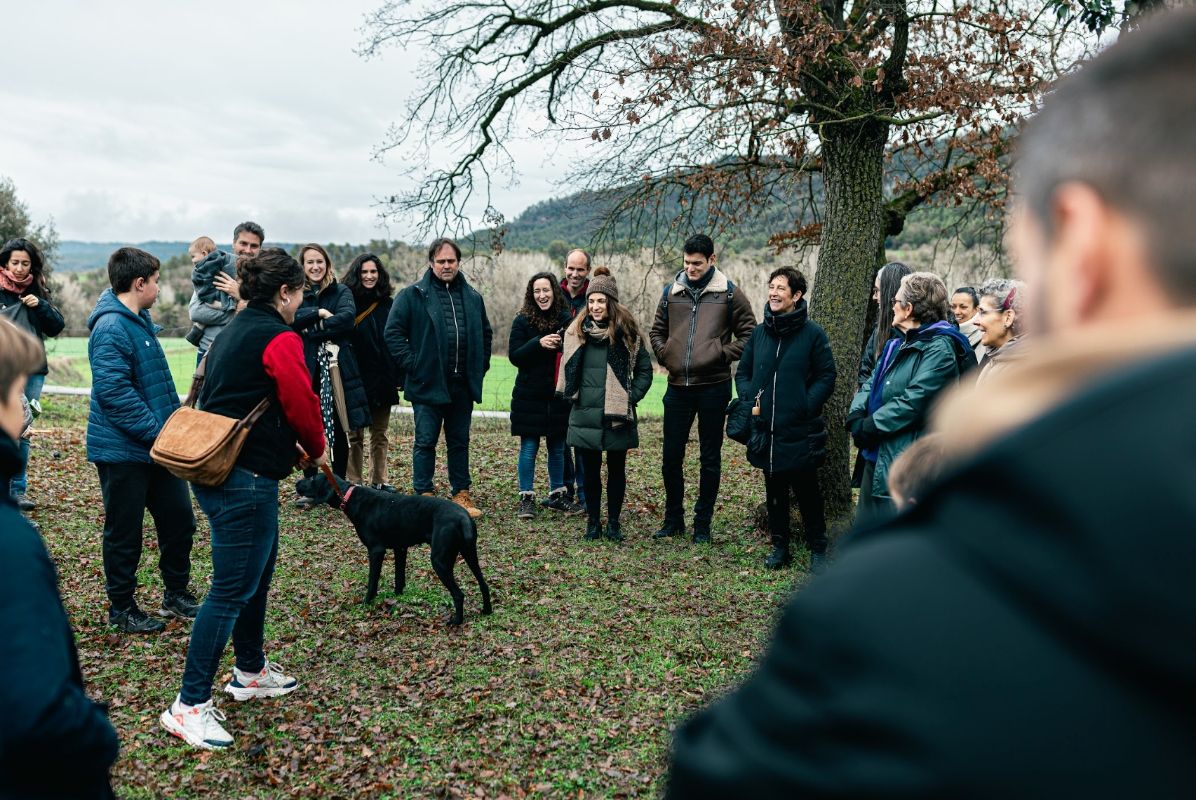
The project was consolidated with the opening of a store in Vic in 2021 and today offers visits that combine pedagogy, tastings, and sustainability. "The truffle is magical in many ways: from how it is born and grows, to how we harvest it, select it, and bring it to homes," Busoms continues. Sustainability, moreover, is one of the pillars of the project: "The type of cultivation we do is regenerative and ecological. We respect the truffle's cycle and the tree's cycle: we don't force it to produce more. And we have planted many holm oaks!"
The season culminates with the Black Truffle Circle, a festival that on March 8 will include activities for adults and families, as well as a meal of truffled dishes. "I would like a different chef to come each year, from one of the restaurants that buy truffles from us, so they have the opportunity to make themselves known and so people can enjoy the truffle as the chef uses it," explains Busoms.
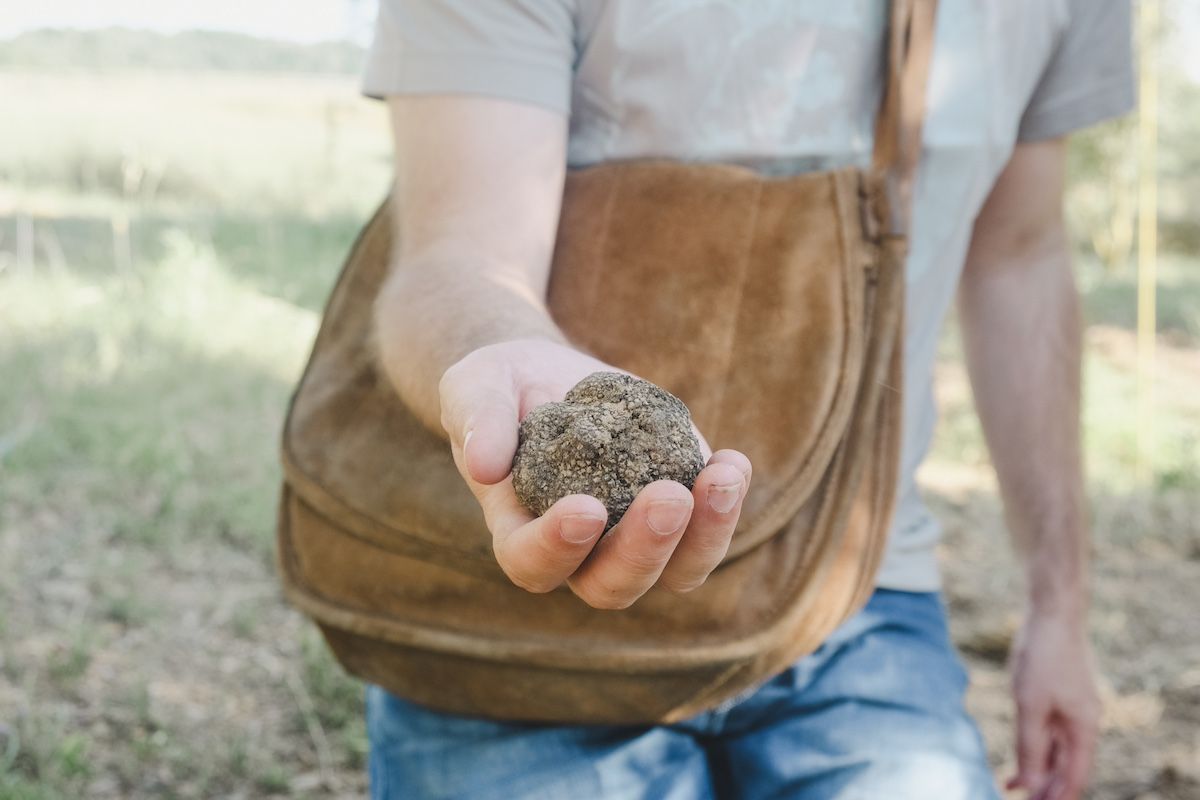
Like xató and milk, truffles are much more than an ingredient: they are a symbol of territory and craft. The routes that highlight them allow visitors to enjoy gastronomy and, at the same time, support producers, discover the environment, and preserve a heritage that is both cultural and culinary. Turning a getaway into a "territory tasting" is also a form of commitment: to the landscape, to the people of the countryside, and to the future of a cuisine that wants to remain alive and rooted.
More information at: barcelonaesmoltmes.cat/es/gastronomia
Add The New Barcelona Post as your preferred Google source for free
Stay informed with the latest news.