Why do we lie? What lies do we need to live and what truths are we capable of enduring? These questions frame the 8th edition of the Clàssics Festival, the contemporary arts and thought event promoted by La Casa dels Clàssics and Abacus, which will take place in Barcelona from October 8 to December 17.
The event will feature about thirty proposals covering theater, music, philosophy, and visual arts to debate about lies in all their complexity, understood not only as malicious deception but also as a tool for fiction, protection, and human coexistence.
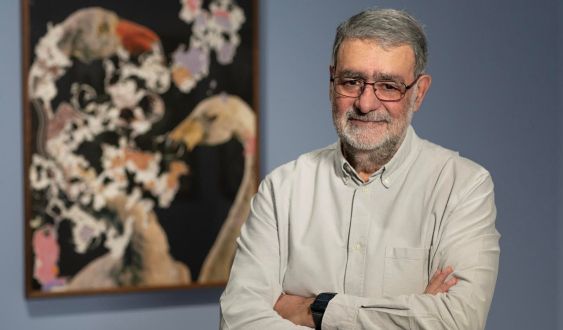
This edition boasts a luxury patron: photographer and essayist Joan Fontcuberta, one of the most recognized international voices in the reflection on image, simulation, and the limits of truth. Fontcuberta is also the author of this year's poster image, will sign the exhibition Confabulacions at La Capella (from November 25, together with FRAU recerques visuals) and will offer the conference Decadència i elogi de la mentida on December 2 at La Virreina Centre de la Imatge.
A kick-off with philosophical reflection and the novelty of its own essay
The festival will open this Thursday, October 8 at 7 p.m. in the CCCB hall with the round table Tot és mentida (Everything is a lie). Film director Kike Maíllo, writer Míriam Cano, and philosopher Oriol Farrés will speak with Sira Abenoza, director of the Clàssics Festival, about the fragility of reality and the manipulation of discourse, taking Hannah Arendt's thought as a reference.
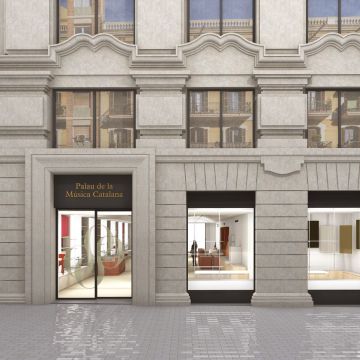
The musical program of the Clàssics Festival 2026 will take place in emblematic venues of the city. The Palau de la Música Catalana will host on October 16 El millor dels mons possibles (The best of all possible worlds), a dialogue between Voltaire's irony (voiced by actor Guillem Balart) and Bach's music. On October 23, it will be the turn of the first symphonic proposal in the festival's history: a contemporary revision of Shakespeare and Mendelssohn's A Midsummer Night's Dream by La Camerata, Cor Aglepta, and actress Elisabet Casanovas.
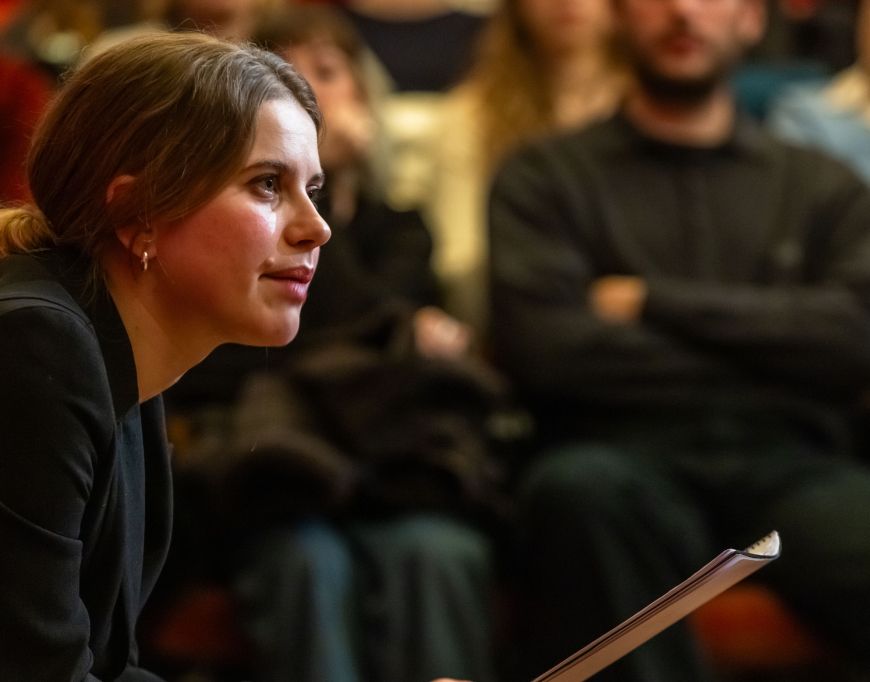
The musical program will be completed in December with two remarkable premieres. On the one hand, Magalí Sare will present Descasada on December 4 at the CCCB, a concert based on the farewell songs of brides to question traditional narratives of romantic love. And, on the other hand, Mazoni will bring Les cançons de la mentida to the Teatre l'Aliança del Poblenou on December 9, a journey through traditional pieces from the Càntut project archive that moves between hyperbole, betrayal, and the fantastic genre.
Great voices of Catalan literature
Theater and literature will have an important weight at the festival with productions dedicated to great figures of Catalan letters. On November 4 and 5, Àngels Gonyalons, under the direction of Sergi Belbel, will star at the Frederic Marès Museum in the dramatized reading El mot mentida, innoble i punyent, based on four short stories by Víctor Català.
For her part, Anna Alarcón will perform on December 15 at the CCCB Digues que m'estimes, Montserrat Roig, a show directed by Magda Puyo about the last book by the Barcelona writer.
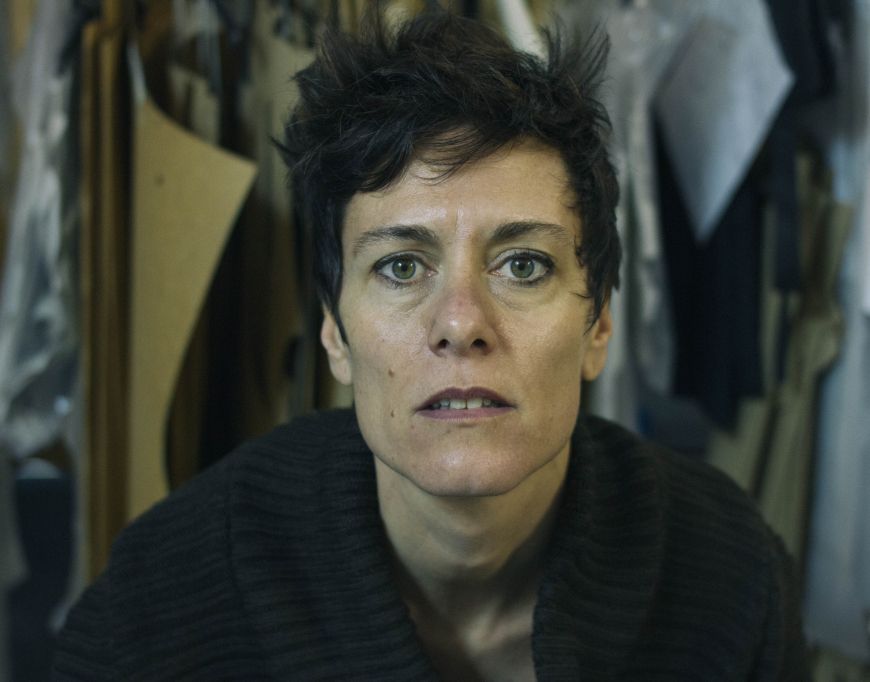
The theatrical program also includes the proposal Calderada with Jordi Oriol, Carles Pedragosa, and Laura Aubert at the TNC, on October 27, as well as the monologue Una història certa sobre la mentida by Maria Rovira (Oye Sherman) at Espai Texas on November 24, December 1 and 8.
The Clàssics 2026 Festival will conclude on December 17 at the Antiga Fàbrica Estrella Damm with the event L'ofici de buscar la veritat. The day will include a conversation between the philosopher Gregorio Luri and Ignasi Aragay (deputy director of ARA), followed by a live editorial meeting with the newspaper's director, Esther Vera, where the public will be invited to exercise critical thinking and learn to detect fake news.
As a major novelty, this eighth edition premieres an editorial collaboration between the festival and Arcàdia. On October 13, Si tot fos mentida, the new essay by the director of the Clàssics Festival, Sira Abenoza, will arrive in bookstores. This title marks the beginning of a project so that each year the festival's theme has its own reference book. The essay traces the genealogy of truth and deception from Plato and Augustine of Hippo to Kant, Constant, and Hannah Arendt, and presents lies not only as malicious deception but also as a social and creative construction.
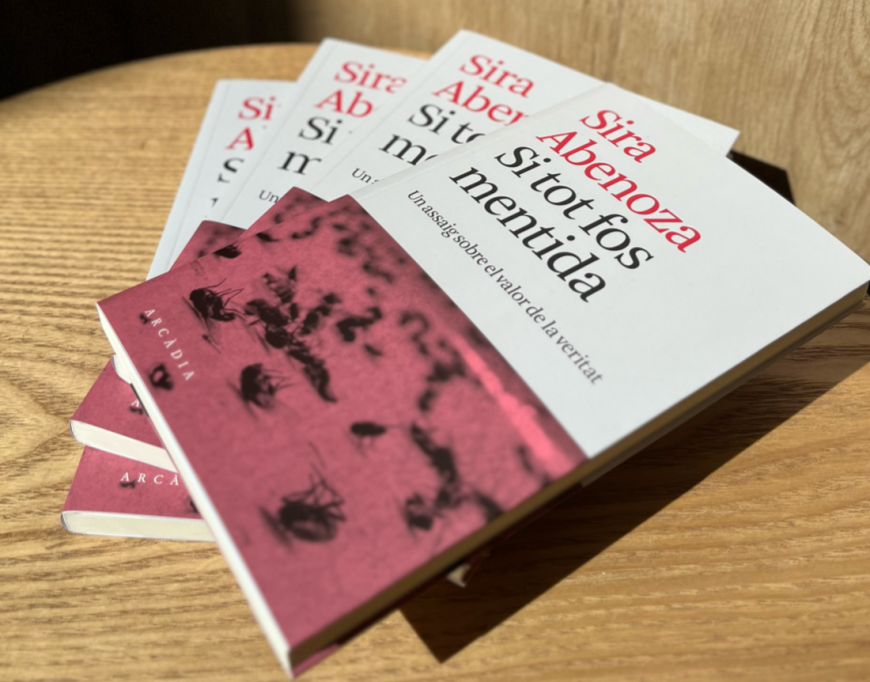
Ultimately, both the book and the festival pose the same question: how do we build and maintain the trust that allows us to coexist when everything around us seems to be called into question.
Add The New Barcelona Post as your preferred Google source for free
Stay informed with the latest news.