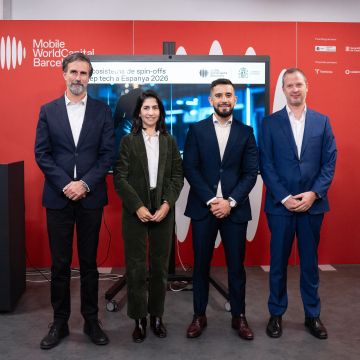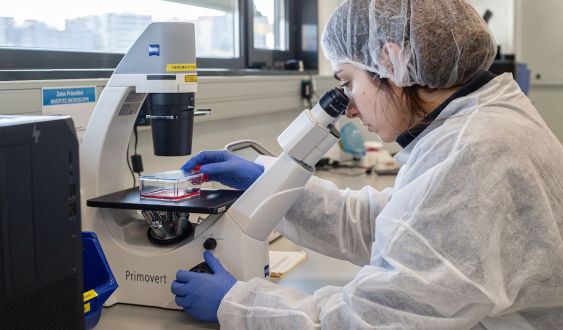
Converting years of scientific research into a company capable of bringing a technology to market is a long-distance race. In the deep tech field, projects often arise from scientific discoveries or complex technological advances and require years of validation, specialized knowledge, and millionaire investments before reaching commercialization. But what happens when a woman leads a company with these characteristics? Other obstacles are added to the demands of the sector: difficulties in accessing financing, the lack of role models in positions of responsibility and, often, the need to prove again and again that they can carry out a business project.
"In recent years we have made progress in incorporating female talent into the entrepreneurial ecosystem, but there is still a long way to go for this presence to translate into equal opportunities," says Itziar Blasco, Executive Director of Business and Entrepreneurship at Barcelona Activa. This evolution is also reflected in the figures: if a few years ago less than 25% of the startups supported by Barcelona Activa had at least one female founder, today they are already 43%. The trend is confirmed in the Catalan deep tech sector as a whole: according to the report Analysis of the deep tech startup ecosystem in Catalonia by ACCIÓ (published this November 2026), 42.8% of companies in this field have at least one woman among the founders.
All this, in an ecosystem that has not stopped growing and already has 402 deep tech startups, that is, companies that develop technologies based on scientific advances or complex engineering and that often need years of research and development before reaching the market. These companies work in fields such as biotechnology, artificial intelligence, nanotechnology or robotics, and have increased by 7.5% compared to the previous year.

The figures, however, paint a reality with two sides. On the one hand, women are gaining presence in the creation of new projects: 42.8% of Catalan deep tech startups already have at least one woman among the founders. But, what happens when these projects start to grow? Who gets the necessary capital to make them advance? Who occupies management positions? And who retains decision-making power when the company consolidates?
The data indicates that the presence of these women in the founding team does not necessarily translate into the same opportunities to grow projects. At a European level, deep tech companies with at least one female founder raised only 14% of venture capital in 2025, according to the European Deep Tech Report 2026. The data highlights one of the sector's major barriers: it is not enough to have an innovative idea and found a company; it is also necessary to secure the resources to grow it and have the capacity to decide its direction.

Furthermore, gender inequalities are still accentuated in some of the sectors where these companies operate, especially in traditionally masculinized fields. Women have more representation in startups specializing in biotechnology, where 47% of founding teams include at least one woman, and in artificial intelligence, with 27%. In contrast, in fields such as space technologies, this proportion drops to 4%. The differences show that, despite advances, there are still deep tech sectors where entrepreneurship remains markedly masculine and where work is needed to facilitate the access of more women to founding teams.
Although these figures show that there is still a long way to go, International Women's Entrepreneurship Day, promoted by entrepreneur Wendy Diamond and first celebrated on November 19, 2014, is also an occasion to highlight progress and celebrate projects that are already paving the way. Itziar Blasco points, in this regard, to two companies that demonstrate how far initiatives led by women can go. One is Qilimanjaro Quantum Tech, led by Marta P. Estarellas, which works on the development of quantum computers and in October managed to raise 19.6 million euros in the first tranche of its financing round. The other is Theker Robotics, co-founded by Carla Gómez Cano and Jiaqiang Ye Zhu, which this year made history by closing a round of 85 million dollars — about 73 million euros — the largest achieved by a European company in the robotics sector.
More women in science, more role models in entrepreneurship
Making these successes visible is important not only to recognize the trajectory of the companies that lead them, but also because they contribute to expanding the imagination of who can undertake and lead technological projects. Having women who have already paved the way in these fields is fundamental for new generations to find role models, break stereotypes, and be encouraged to develop scientific and entrepreneurial vocations.
"Deep tech companies with at least one female founder captured only 14% of venture capital in 2025"
But for these vocations to become real opportunities, it is necessary to start long before creating a company: in access to scientific and technological training. Currently, women represent 32% of students in STEM degrees —related to science, technology, engineering, and mathematics—, 36% of master's degrees, and 40% of doctorates. Although these figures point to a growing presence of women in scientific studies, the challenge is to ensure that this talent also reaches the business world and that women can maintain their space as projects grow.

Because founding a company does not always mean retaining its leadership. "The presence of women in founding teams is important, but so is seeing if this presence is maintained over time and if they continue to be the ones leading the companies," warns Ariadna Boloix, co-founder and executive director of Flavii Therapeutics, a spin-off of the University of Barcelona that works on the development of epigenetic treatments for neurodegenerative diseases such as Alzheimer's or Huntington's disease. With Boloix at the helm and after closing a funding round of 843,000 euros, the company is advancing in the development of its main therapeutic candidate, FLAV-27. If the planned deadlines are met, the company expects to start clinical studies in 2028, while market entry is still far off: estimates point to 2036 at the earliest.
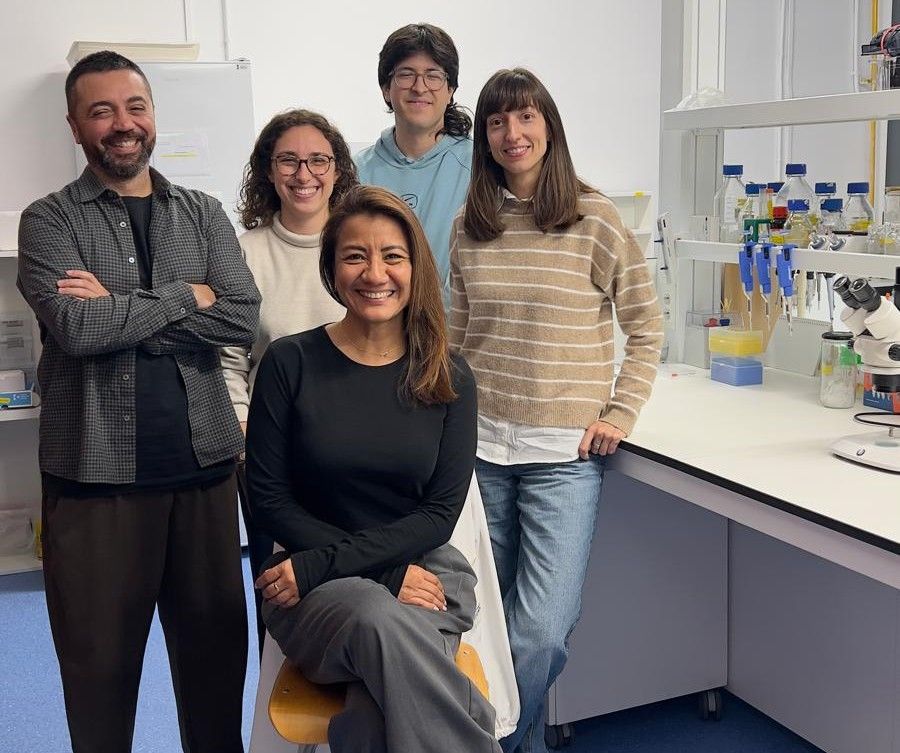
Blasco warns that the very evolution of deep tech companies can lead to changes in the people leading them over time. Often, these projects are born in research environments and, as they approach the market, they need to incorporate profiles specialized in management and business, which can alter the distribution of responsibilities. In this process, the challenge is for women who have contributed to launching these projects to continue playing a relevant role in their development and in the decisions that will shape their future.
Funding, another long-distance race
For women not only to be able to found companies and remain at the helm, but also to grow them, access to funding remains a key issue. In the deep tech sector, long development times, high investment needs, and risks associated with technologies still in the validation phase make access to capital difficult. This situation is also evident in the Barcelona ecosystem, where female entrepreneurs point out that there is still a lack of funds willing to assume the risks of these projects and accompany them until they reach the market.

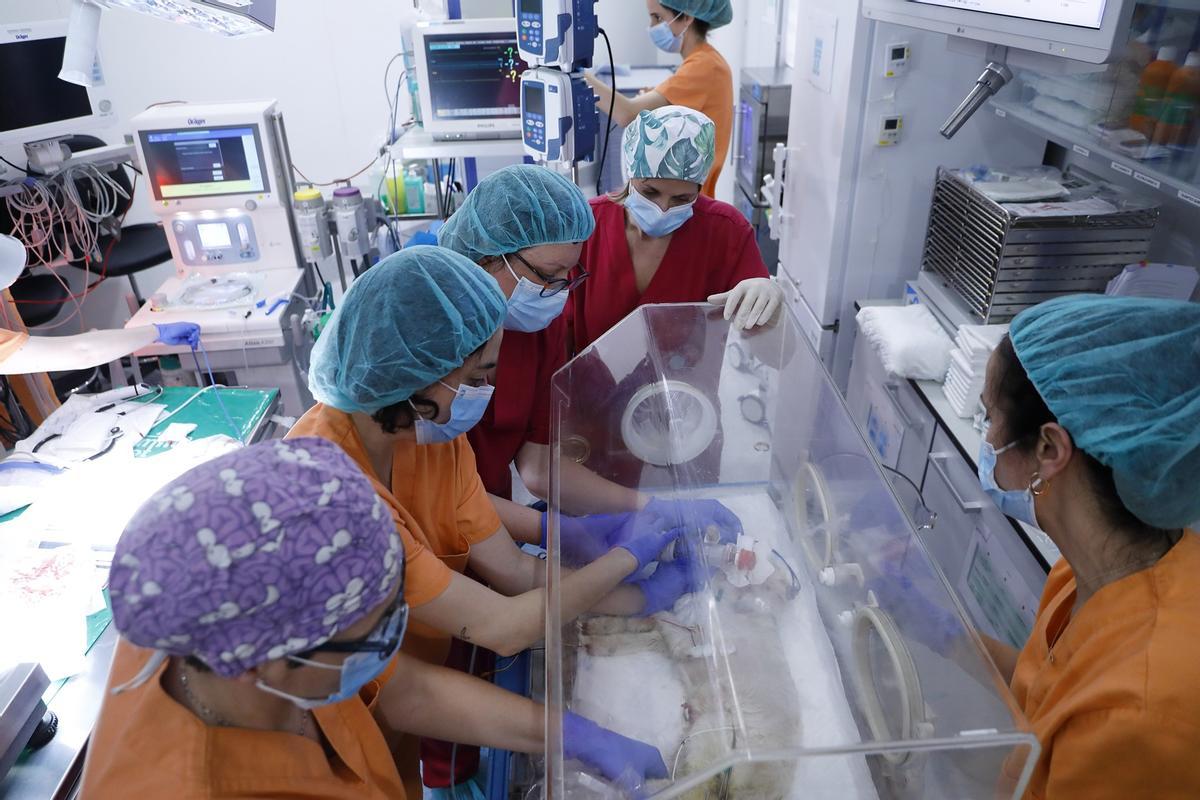
Elisenda Bonet, co-founder of FetaLife Therapeutics, knows these difficulties well. The company, which emerged from research linked to Hospital Sant Joan de Déu, Hospital Clínic, and the University of Barcelona, develops a liquid incubator that seeks to recreate the conditions of the maternal womb to support extreme premature babies. The technology has already been validated in animal models, but it still needs to overcome several development phases before being tested in humans. To reach these first studies, planned for late 2028 or early 2029, the project estimates it needs about eight million euros, between public funding and private investment.
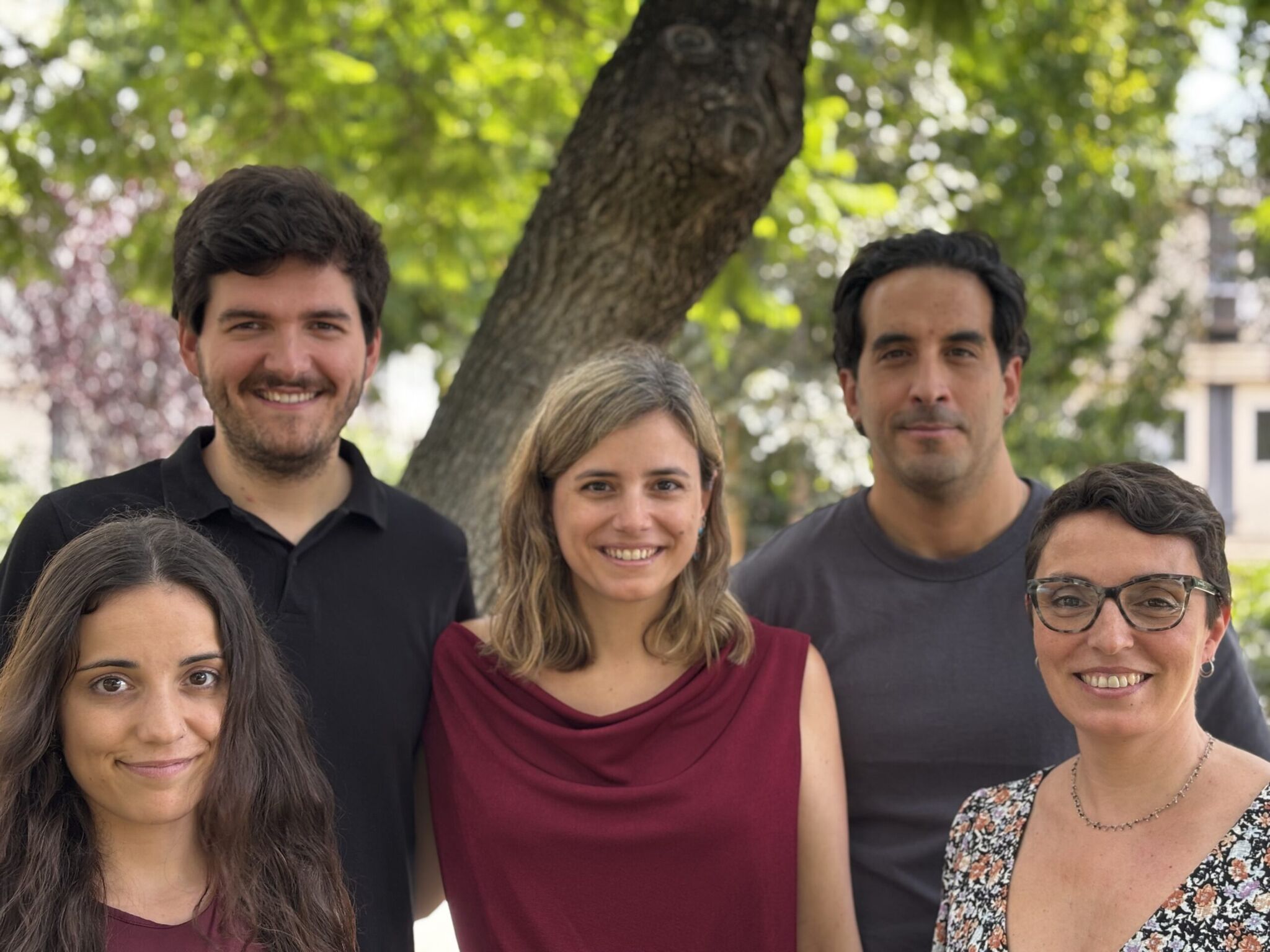
Bonet laments that attracting investment is especially difficult when it comes to technologies aimed at small markets, such as neonatal medicine. Unlike other products with a very broad potential audience, these projects may generate less interest among investors. Furthermore, funds often prefer to wait until the technology has proven its effectiveness before getting involved. "It's like a kind of vicious circle: we need investment to validate the technology, but investors prefer to wait for this validation before betting on the project. If no one helps us take this first step, we run the risk of never being able to demonstrate its potential," she laments.
Boloix, from Flavii Therapeutics, explains that she and her partner Aina Bellver —along with Christian Griñán, also co-founder— have perceived distrust in some conversations with investors due to being two young women. In some cases, the questions have gone beyond their professional experience and have addressed issues such as motherhood and how it could affect their dedication to the company. Bonet, for her part, explains that she has had to demonstrate the project's solidity more because she comes from the world of research and does not have a business background, a factor that, in her case, has weighed more than being a woman. These experiences, however, have not prevented Flavii and FetaLife from securing funding, although they highlight that there are still prejudices and barriers in some conversations with investors.
Networks and support to change the rules
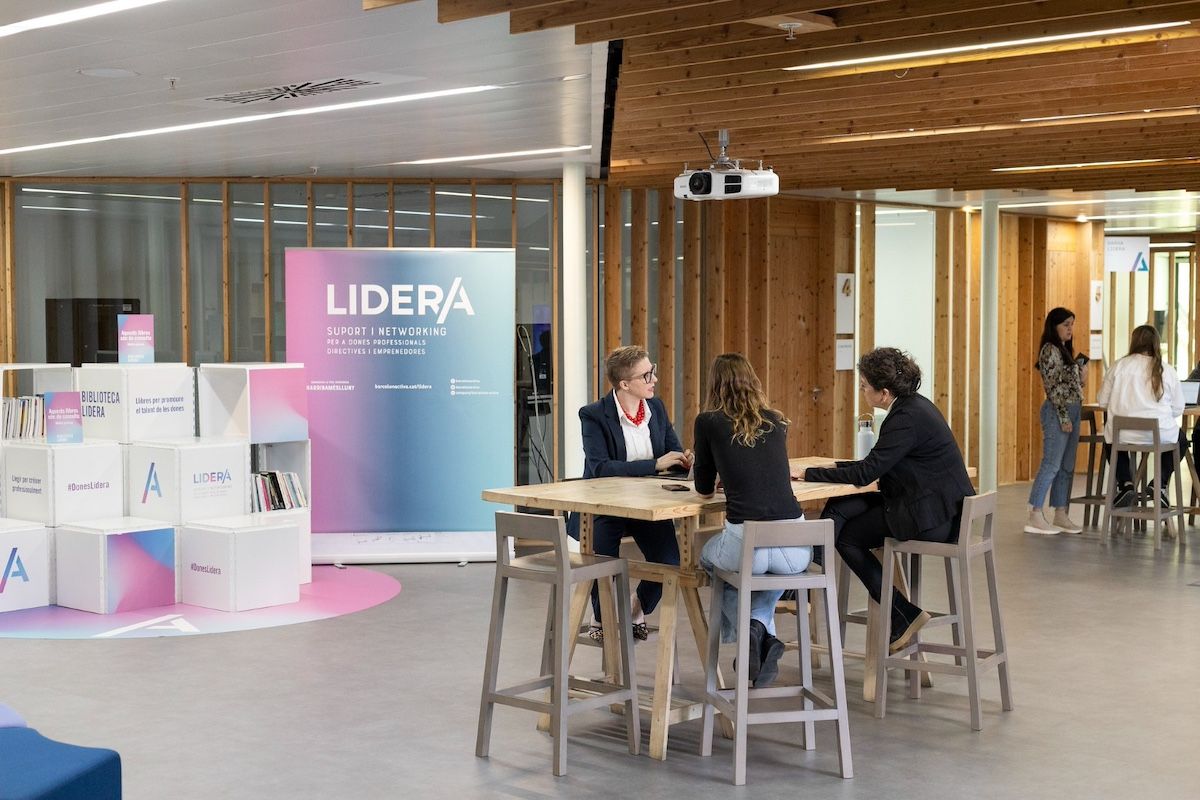
Given the difficulties in accessing funding and decision-making spaces, investment networks and support programs can open new opportunities for women entrepreneurs. This is the case of initiatives such as WA4STEAM, a network of women investors created in 2015 to promote companies led by women in scientific and technological fields, or the LIDERA hub of Barcelona Activa, inaugurated this year, which promotes professional growth and connections among women executives and entrepreneurs, and also offers training, advice, and support programs.

Blasco believes that these programs continue to be necessary as long as there are inequalities, but argues that the horizon should be for them to cease to make sense. "The ideal would be that specific initiatives were not needed to make female talent visible and that we could talk about entrepreneurship without making distinctions. This would mean that opportunities are already the same for everyone," she concludes.
Add The New Barcelona Post as your preferred Google source for free
Stay informed with the latest news.