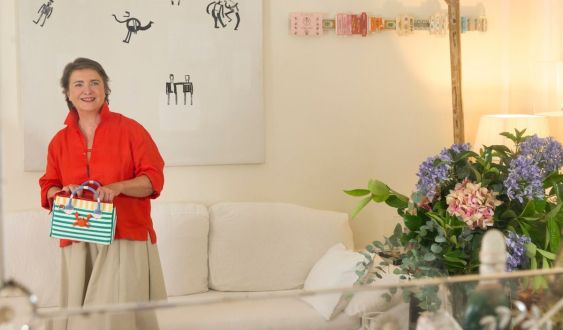
At almost 60 years old, Cristina Castañer decided to change her life and professional career. Together with her siblings, Cristina represents the third generation at the helm of the family business, the consolidated Catalan brand known for its espadrilles and sandals that her grandfather Luis Castañer founded in 1927, and which now bills more than 30 million euros annually. However, after more than three decades working and innovating for the brand that not only carries her blood and surname, but has also occupied a large part of her professional and personal career, Cristina decided to respond to that entrepreneurial bug that ran through her, to that creativity that she wanted to exploit freely and to that determination that had characterized her long stage in Castañer.
She did it, moreover, taking advantage of the pandemic, making the most of the small vital pause caused by the confinement. And betting on values ---those of sustainability and craftsmanship--- that, although they were already an inherent part of the family brand, she wanted to take a step further: creating fresh and fun bags from high-quality fabrics that had been left in the warehouse. Four years after embarking on entrepreneurship, Castañer opens the doors of her home in the Eixample which, at the same time, has become a small art gallery and collection of objects that inspire her and permeate her brand, in addition to being the studio and creative workshop of her brand MyBesty's.
--- Do you consider that your professional career in Castañer has marked your stage as an entrepreneur?
--- Without a doubt. I have a lot of appreciation for Castañer not only because it is my blood and my surname, but also because in the company I have trained and developed as a professional. I graduated in law and lived in different cities, until I worked for a multinational in the United States. It wasn't until my father died in a car accident that I decided to work directly for the brand. My career in Castañer has allowed me to develop my creativity and my proactivity, being able to innovate in different areas of the brand and betting, for example, on opening the company's first store in Barcelona, which became what is now known as concept store.
--- With all this trajectory, at what point do you consider starting your own business and creating MyBesty's?
--- The bug of creating a personal project has always been with me. But it was during the pandemic, a time when many people took the opportunity to rethink their life path, when I decided to undertake. It was based on some fabrics that I had stored for years and that I had bought from a mattress factory that was closing in Barcelona. They were high-quality fabrics that I could give a first life to, as they had never been used. I also added fabrics that had never left Castañer's warehouses. Not only were they beautiful and quality fabrics, but they also had a lot of history. In the end, it was a very natural process, I converted those fabrics that I liked to keep into garments that people could wear.
"Starting a business creates a lot of insecurity, even more so if you do it at 60 years old"--- How has the process of entrepreneurship been?
--- Entrepreneurship creates a lot of insecurity, especially if you do it at 60 years old. On the one hand, it is very enriching and even rejuvenates me to be living this intense creative process, but it is also exhausting. Entrepreneurship is not easy at all, but it is also rewarding because you can celebrate every small success, whereas in a large company your action is more diluted. Despite the difficulties, I would undoubtedly launch myself again because I am a restless and creative person who likes to set goals and achieve them.
--- And why did you bet on creating handbags?
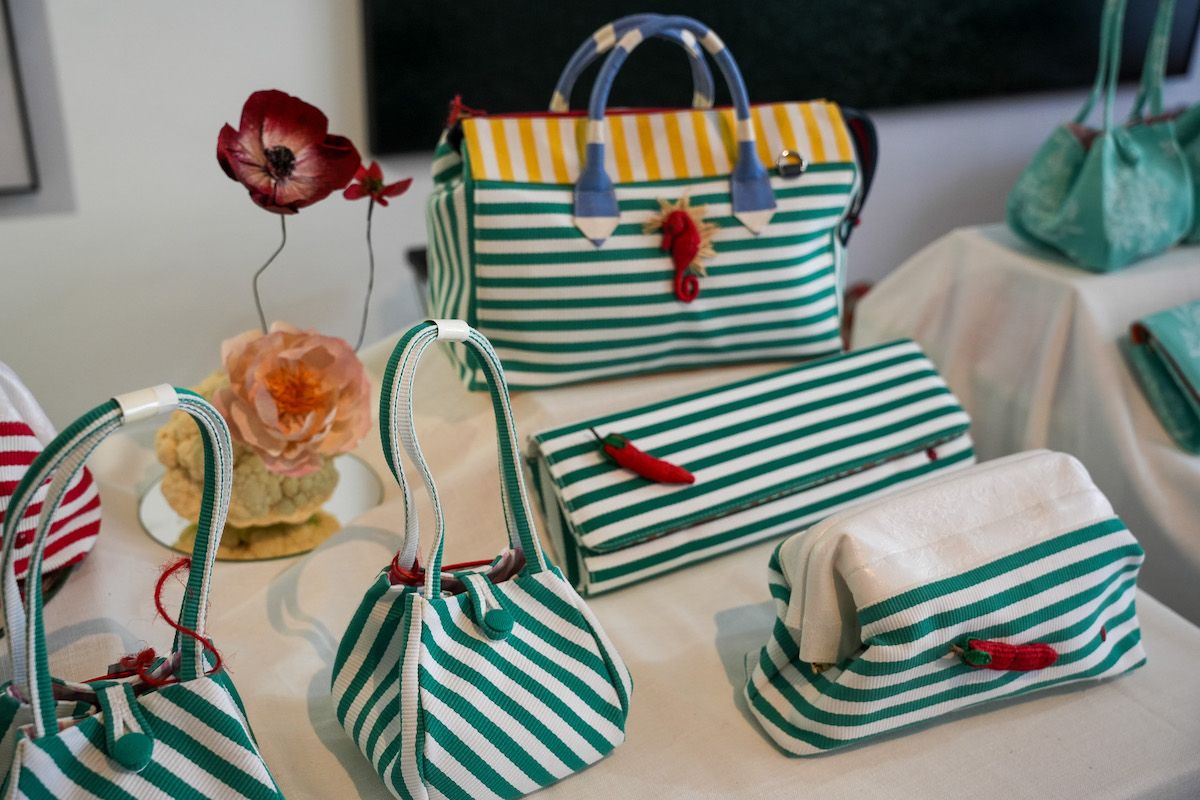
--- I was clear, for example, that I would not make shoes, because it would not make sense to compete with my own family business. Also, since I was planning to undertake it alone, I wanted to start a small-scale project, and shoes require making a large number of sizes, from 35 to 42. In contrast, with handbags I could create unique and exclusive pieces, as well as timeless ones. It has not been an easy road. When changing products, it was like starting from scratch; I had to look for new producers, sales channels... It is true that I would love to make everything from handbags to hats, but I must be realistic and concentrate efforts on a single product.
--- In fact, for you, handbags, as the name of your brand expresses, are considered your 'besties', that is, your best and intimate companions. Why?
--- What is more personal than a handbag? Here you keep your essentials for both day and night. I wanted to revolutionize these accessories that accompany us everywhere and give them soul and that fresh and fun component.
--- What inspires you to create your collections?
--- On the one hand, I try to make both collections, summer and winter, timeless but, at the same time, also unique and exclusive. My sources of inspiration are varied: from contemporary art, to, for example, Jean-Paul Gaultier's t-shirts, who I have always found to be a designer with a lot of spark. I have many inputs of objects that inspire me and that I collect and that, later, I try to transform into garments, not so much with a commercial idea but thinking above all that it should be fun.
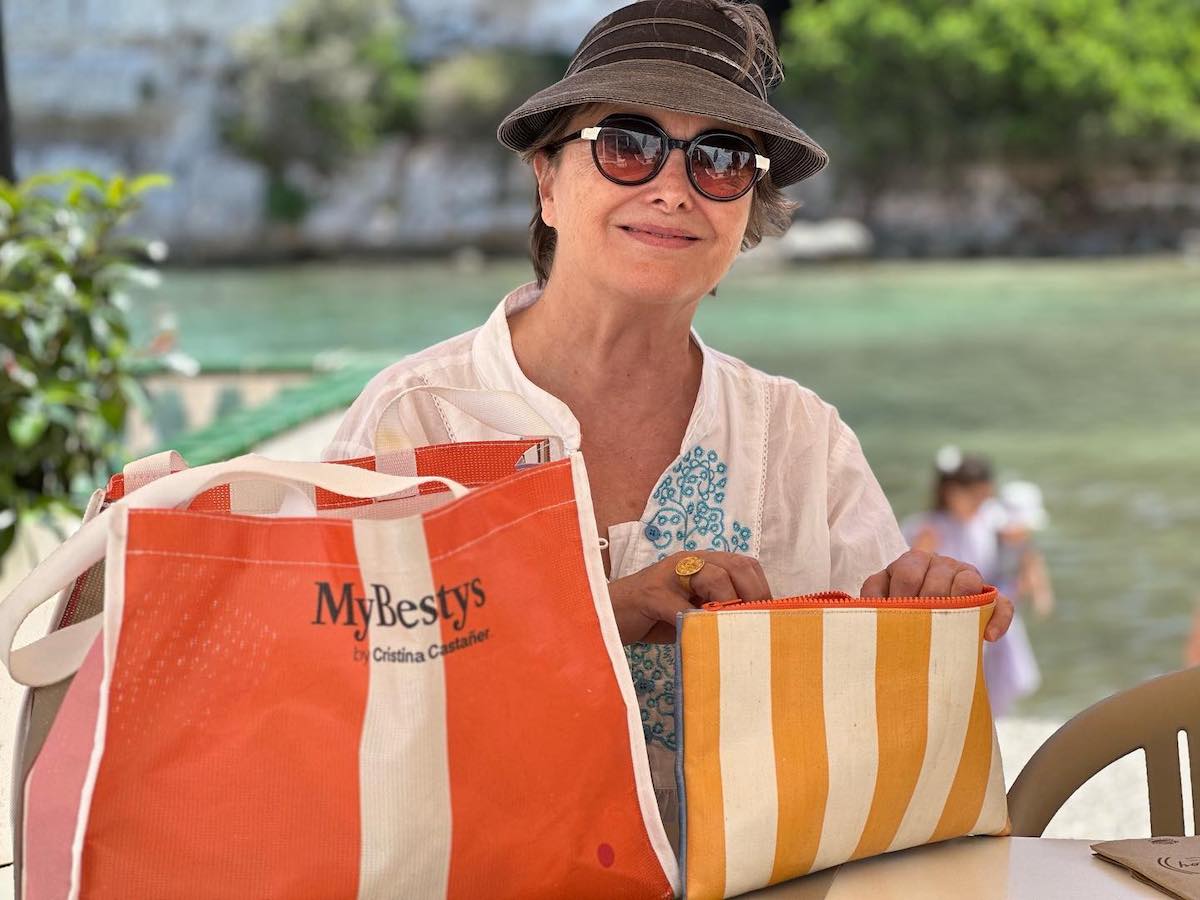
--- It was with that idea of collecting objects that inspire you that you bought the fabrics that today serve as the base for your bags.
--- I have been a collector all my life. When I was little, for example, I collected matchboxes. Then came art, buying posters and souvenirs from museums and, later, paintings and other artistic objects. I am especially a lover of contemporary and conceptual art, and above all I have a predilection for artists of my generation because they have been very innovative and daring, something I also try to be with the brand.
"Fast-fashion brands have helped democratize fashion but behind them hide values that are neither sustainable for the planet nor ethically fair to their workers"--- What would you say are the attributes that make MyBesty's bags unique?
--- Its fun colors and patterns. The fabrics I use are of high quality and, furthermore, they are unique because they are unrepeatable. That is, they are fabrics that I have either recovered from that old mattress factory, or from Castañer's warehouses. Therefore, the patterns and colors are not infinite or reproducible. However, it is true that I have a large quantity of fabrics that will last for a long list of collections.
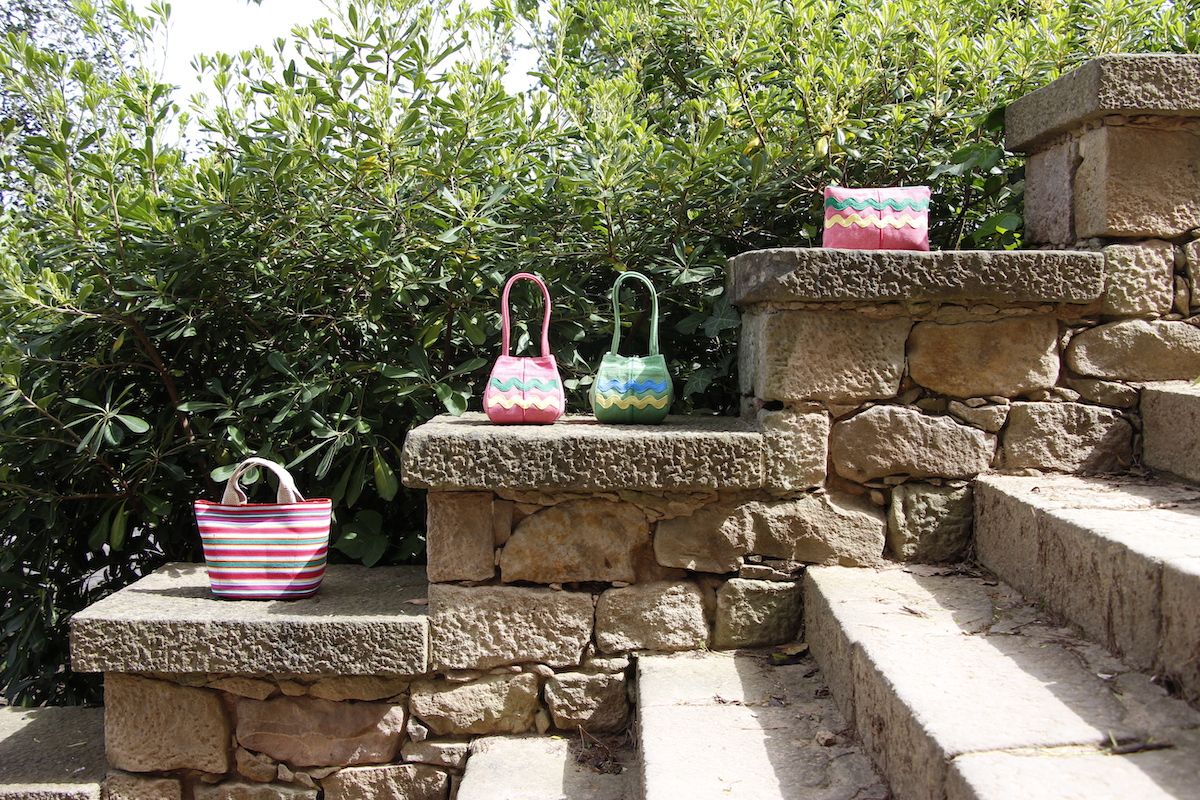
--- Those striking colors and patterns you mentioned, you decide to place them not only on the visible face of the bag but also on its interior. Why?
--- For me it was essential: it must not only be beautiful to the world but also for the person who carries it. That's why I was clear that I didn't want black or bland linings. I like my bags to be recognizable, to be identifiable because they have a soul, and the linings are one of MyBesty's most recognizable features, which other brands have now also decided to reproduce.
--- What would you say is the soul of these garments?
--- The DNA of the bags is their joy. But also their quality. Their craftsmanship and proximity, the fact that they are manufactured by small local producers.
"The fashion industry is one of the most polluting. The use of dyes, plastics, chemicals, polyesters... All these elements are harmful to the planet"--- Why was this commitment to local and artisanal important?
--- These are values that I have integrated since I was little and that are already in Castañer's DNA. We have always been honest and respectful with the product, and I was clear that I wanted to continue being so. For example, in some of my collections, I incorporate into the bags objects made with raffia by a group of indigenous women from Colombia, such as the new charms inspired by fun vegetables: from a chili to a pea leaf. I vindicate craftsmanship because, unfortunately, in the first world it is being lost. So much so that I always say that craftsmanship is becoming the new great silent luxury.
--- Silent luxury?
--- Yes, that is to say: that luxury that opts for quality garments, authenticity and durability, fleeing from ephemeral fashions. Craftsmanship is a great luxury because today there are very few artisans producing.
--- In addition to craftsmanship in garments, another of the brand's great commitments is sustainability.
--- That's right. By using fabrics that have never been used before, I avoid having to manufacture and pollute the environment. The fashion industry is one of the most polluting. The use of inks, plastics, chemicals, polyesters... All these elements are harmful to the planet and also do not disintegrate or decompose, but rather tons and tons of unused clothing accumulate.
"I don't believe in the concept of sales. For me, the garment does not lose value or quality depending on the day you buy it"--- Do you perceive that consumers are increasingly more aware?
--- I would like to believe so, but unfortunately, it is mostly small brands that are committed to sustainable and artisanal fashion. Fast-fashion brands have helped democratize fashion, but behind them, they hide values that are neither sustainable for the planet nor ethically fair to their workers. Many consumers still perceive sustainable clothing as expensive, but that's because they don't realize what their prices represent. I understand that it is very attractive to buy a cheap garment, but you have to know what is hidden behind it. For that very reason, I don't believe in the concept of sales. For me, the garment does not lose value or quality depending on the day you buy it.
--- In addition to committing to sustainability with garments, you have also started a series of conferences with this value at the center.
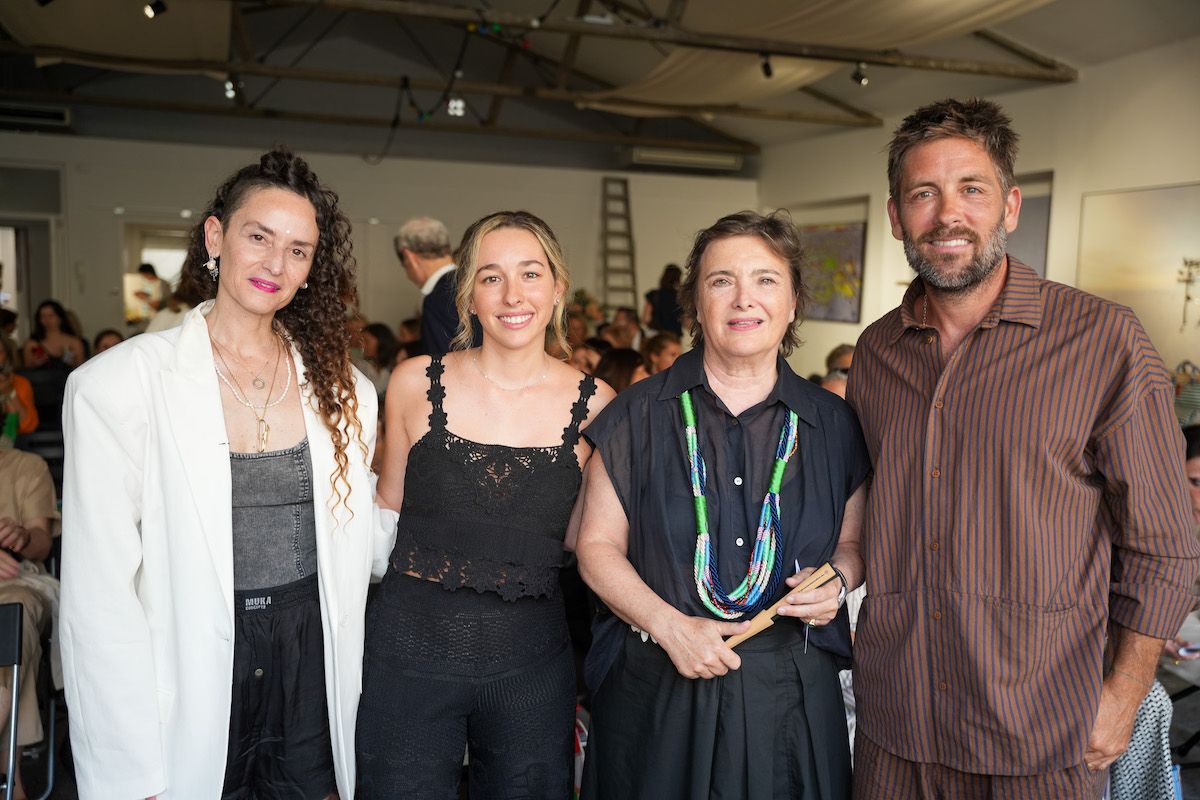
--- We want to disseminate these values through all available channels: garments, social media, my brand, and now also through these colloquiums. In the first one, we had Pepe Barguñó, founder of Thinking Mu, journalist Àlex Jover, and trend analyst Clara de Nadal, and the idea is to be able to repeat these colloquiums so that the message reaches both brands and consumers. My wish is that more and more brands, and especially large companies, stop championing sustainability just because it seems to be in fashion and that they truly commit to it in all their manufacturing processes.
Add The New Barcelona Post as your preferred Google source for free
Stay informed with the latest news.
