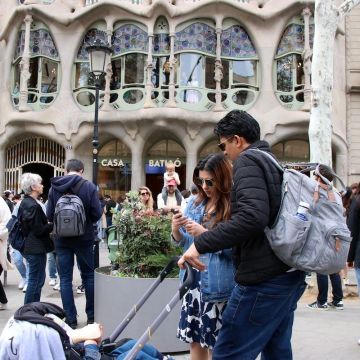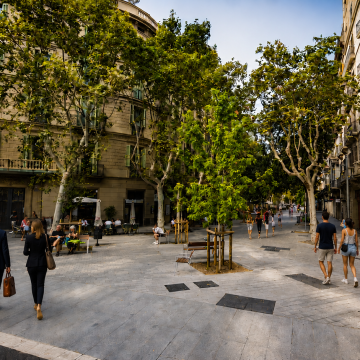
Barcelona is undergoing one of the most significant periods of urban transformation in recent decades. The new Rambla, the new Sagrera and Sants rail hubs, the transformation of Glòries, the expansion of Camp Nou, the completion of the Sagrada Família and the major projects tied to Montjuïc and the new Hospital Clínic all point to a city in the midst of evolution. Add to these strategic infrastructure projects like the airport expansion and the consolidation of the L9 metro line, which will strengthen metropolitan and international connectivity.
When a city transforms, it's not just the streets, squares and infrastructure that change. The way people live, move, work and shop changes too. That's why talking about urban planning means talking about the kind of city we want to build.
For too long, the urban planning debate has focused almost exclusively on technical, environmental or mobility issues. All of these are essential, but there's another factor that also deserves a central place: retail.
Retail is not simply an economic activity. It's one of the main generators of urban life. It gives neighborhoods their identity, creates gathering spaces, makes streets feel safer, creates jobs and contributes to social cohesion. In a city like Barcelona, it accounts for close to 15% of GDP and nearly 22% of employment. But above all, it's an essential element of quality of life.
There's no such thing as a living city without commercial activity. And at the same time, retail needs a well-planned, accessible and attractive city in order to thrive. Urban planning and retail aren't two separate worlds; they're part of the same reality. When a street is transformed, it redefines the flow of people, business opportunities, the coexistence of different uses and, ultimately, the vitality of a neighborhood.
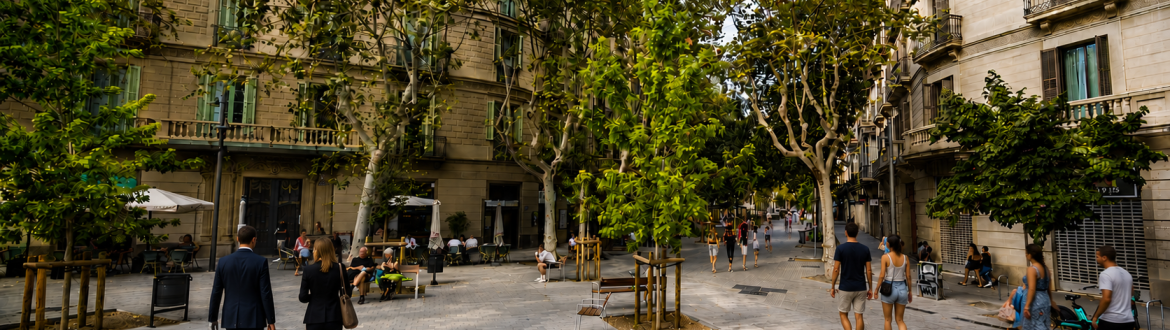
That's why it's so important to build the retail perspective into urban planning from the very start, as one more piece of the city's overall vision. Major urban transformations will only reach their full potential if they also help strengthen a diverse, balanced and high-quality retail fabric.
Barcelona has an extraordinary opportunity to do just that. The new Rambla, the major renovation of the Boqueria market, the future renewal of Carrer Pelai, and the planned redevelopment of Avinguda Gaudí can all become examples of an urban planning approach that puts people at the center and understands that public space and economic activity aren't at odds, but complementary. The city needs pleasant streets for walking, but it also needs stores that give them life, personality and activity throughout the day.
This is also the moment to champion retail excellence as an urban value. Excellence is also built through the urban landscape, through the quality of storefronts, careful signage, responsible use of public space, and a retail mix that's coherent with each neighborhood's identity. The beauty and quality of our streets are also part of the experience of the city.
The city needs pleasant streets for walking, but it also needs stores that give them life, personality and activity throughout the day.
At the same time, Barcelona must preserve its retail diversity. Major European capitals compete to attract talent, investment and visitors, but also to preserve authentic neighborhoods and a rich, distinctive retail offering. Avoiding homogenization and favoring the coexistence of local businesses, international brands, restaurants and cultural activities is a strategic commitment to our city's retail model, one that benefits residents and visitors alike.
Achieving this requires stronger collaboration between government, the private sector and civil society. The best urban transformations are the ones born out of dialogue, ones that listen to different perspectives and draw on the knowledge of everyone involved. Consensus isn't a brake on progress; it's the best guarantee that projects will endure and generate shared value.
Throughout its history, Barcelona has shown that it knows how to reinvent itself. It has always done so when it has been able to combine efforts and look beyond the short term. Today we have a new opportunity to do the same. The major urban transformations ahead of us can become a driver of prosperity, cohesion and urban quality if we give retail the place it deserves.
Because building a city also means building its retail. And building Barcelona's future means understanding that urban planning and retail excellence must move forward together, with a shared, open and ambitious vision for the city we want to leave to future generations.
Add The New Barcelona Post as your preferred Google source for free
Stay informed with the latest news.