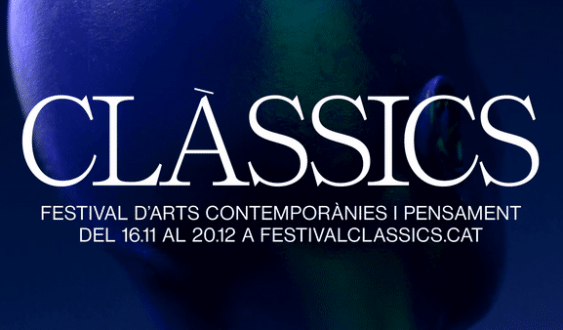
The Clàssics Festival is described as an Arts and Thought Festival. Organized by La Casa dels Clàssics (Bernat Metge) from November 16 to December 20, it is structured around the concept of reset, a technical term usually employed for the suspension and restart of electronic devices, here connoted from Humanism with the affirmation "let's rethink the world by returning to the classics." A true declaration of principles that the website ---profusely interactive and starring an androgynous recreation of Leonardo Da Vinci's Vitruvian Man with reminiscences of Westworld (HBO)--- energizes through an attractive and coherent narrative, separating Past, Present, and Future. The episodes/events programmed in each category with the collaboration of l'Auditori, the MNAC, and the Filmoteca de Catalunya aim to shed some light on our times of uncertainty and guide human beings on the path towards themselves.
[subscribe_newsletter_esp]
Before undertaking that return to Ithaca, however, it seems honest to review the assertion that the classics still connect us with the essential nature of the human being, as if they were endowed with a kind of timeless validity. An assertion that to some will sound anachronistic. And it is not entirely strange, because if postmodernity has questioned anything, it is the idea of essence. Avoiding the paradox, however, it should be noted that the more that notion is questioned, the more its validity shines ---a phoenix of thought--- confirming itself as truly inalienable in the human being: it is essential, indeed ---or, if preferred, consubstantial--- the possibility of rising against different forms of ignorance, being reborn from the ashes, and advancing on the path of self-knowledge. Challenging the dogmatism of beliefs ---including the belief about the absence of beliefs--- is perhaps our highest potentiality.
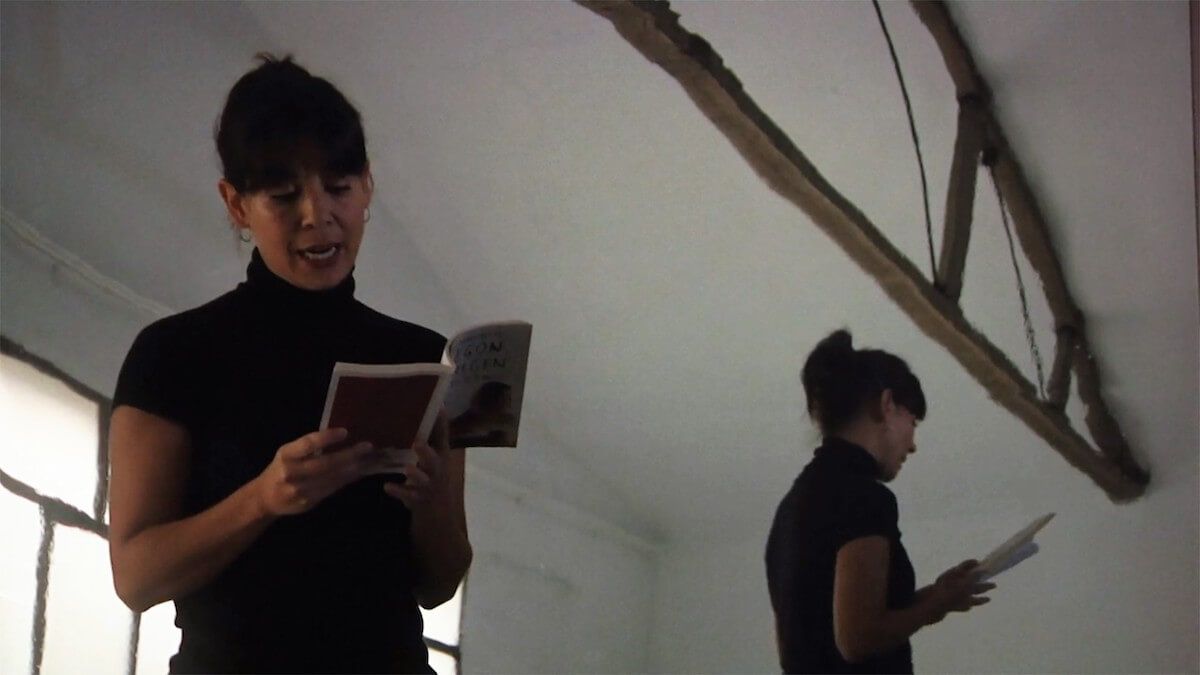
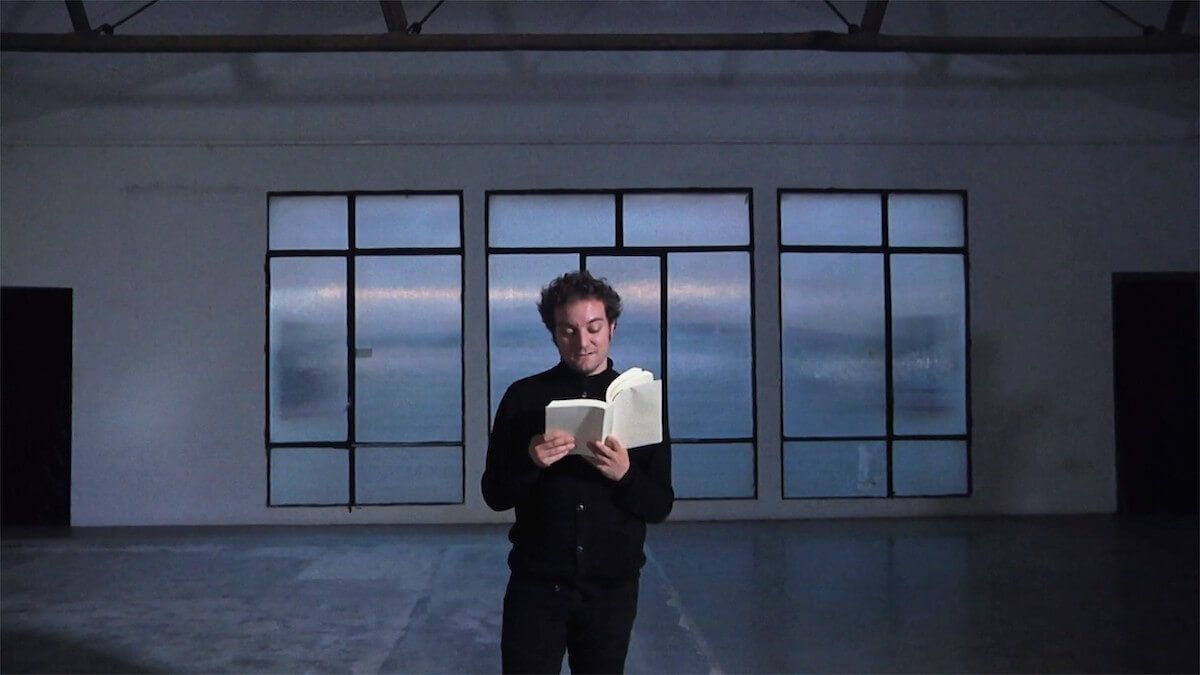
The Epic of Gilgamesh, read by Pol Gómez, or the recreation of the unsettling Cassandra, by Carlota Olcina, are two of the Festival's events that form part of that remote Past, whose premonitory echoes, however, still reach us, pregnant with meaning. Thought does not progress in a straight line or irreversibly but in dialogue with the past, which it incorporates and transforms from its immemorial depths. In the archaic origins of every civilization lies the presence of myth and a tendency to deploy ritual forms of knowledge, such as divination. A practice paradigmatically located in the oracle of Delphi ---as Giorgio Colli has so often explained to us--- which led the Hellenic people to venerate knowledge and develop philosophy. The eagerness to unravel divine designs and take some control of nature, characteristic of the mythical worldview, does not completely disappear in subsequent eras, with Mnemosyne ---the goddess of memory, a sacred faculty for the Greeks--- being the figure that guarantees access to a timeless truth. An ever-present truth, which is reached by way of reminiscence, "negation of oblivion" or anamnesis, as explained by one of Plato's many parabolic recreations.
Cultural events feed back into each other and weave a network of conceptual and emotional significations, pointing the way towards a form of fullnessAlthough the term cannot be strictly assimilated resetto that movement of return to the origins ---prior to temporal existence, in which the un-incarnated soul did know the truth, suggests Plato--- the simile is inspiring. As is the notion ofRenaissance, a second life lived in the light of a consciousness that transcends temporal barriers. It is no coincidence at all that during that period ---the cradle of modern Humanism--- the classics were reread, and from new translations; that is, projecting a different gaze, more aware of the filter, of the conditioning factors, and of the centrality of the human being in the act of understanding (oneself). An era in which characters like Giovanni Boccaccio emerge, to whom the Festival dedicates one of its acts, due to the link of theDecameronwith to the epidemic that Europe suffered then.The motto of the Clàssics Festival call ("let's rethink the world by returning to the classics") perfectly captures the opportunity that canceling or putting on hold what before was believed to be indispensable entailsto propose other possible ways of life through conferences, debates and artistic interventions.
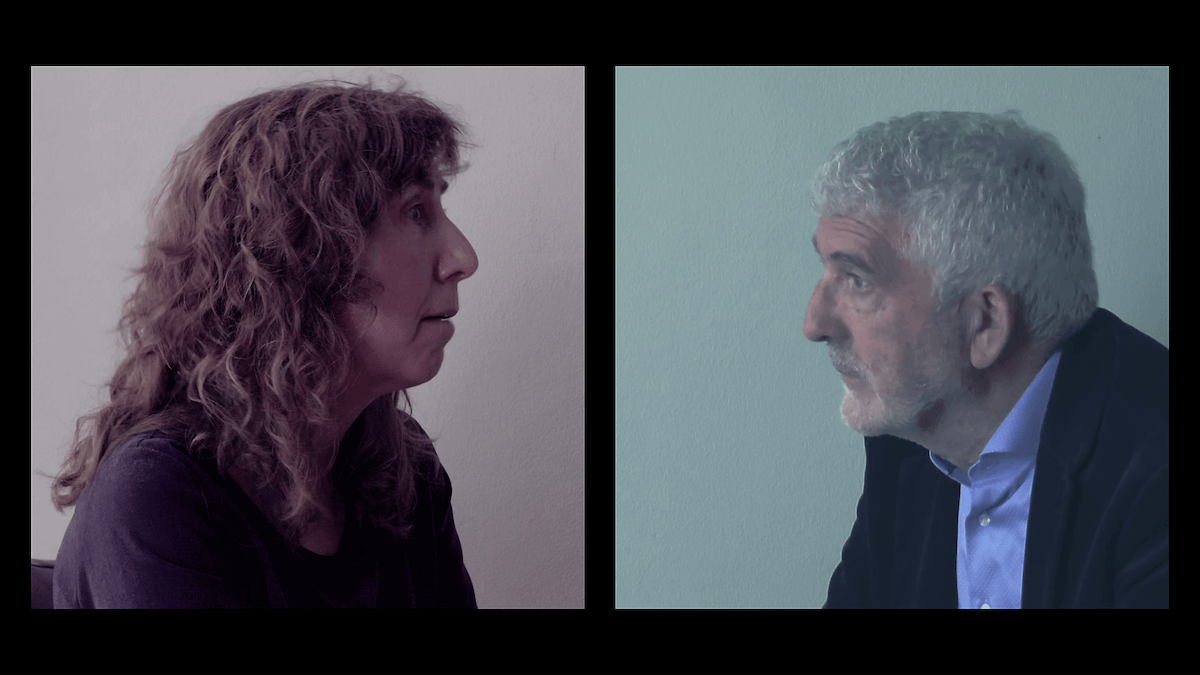
In the Present section, the Festival features the figure of a renowned thinker such as Gilles Lipovetsky, who recently published Gustar y emocionar. Ensayo sobre la sociedad (Anagrama) and whom we were able to interview some time ago, will participate in the Festival to outline a critical and hopeful diagnosis, from the analysis of recent decades ---he is one of the theorists of postmodernity--- with an eye on the transformations to come. Begoña Román, a specialist in contemporary philosophy and ethics, participates in the presentation of the event on November 16, accompanied by the director and president of the Casa dels Clàssics, Sira Abenoza and Raül Garrigasait respectively, as well as by the director of the MNAC, Pepe Serra, and the ---aforementioned--- actor Pol López. Many other artists and intellectuals, including the philosopher and essayist Rob Riemen, the singer Maria Arnal, the composer Joan Magrané, or the Iranian political scientist Ramin Jahanbegloo, will intervene over the following weeks to highlight the relevance of creativity and thought in the process of redefining life.
The notion of Reset represents, in this context, much more than an interruption. It is the awareness of a crisis. A halt in the path that, together with the not-so-unpleasant perplexity that accompanies it, allows one to identify one's own traces, purify less profitable habits and, above all, reorient the search for meaning in dialogue with oneself and with others. To the consoling function of art, to its balsamic or entertaining character, is added the capacity to foster thought. A critical thought, which assumes limits and in turn recognizes in art the possibility of verbalizing the non-verbalizable. The language of music, the ductile and transgressive dimension of performance, the public exhibition of ideas and debate are different formats that feed each other within the framework of the Clàssics Festival. They weave a network of conceptual and emotional meanings that point the way to fullness. An inner form of "fructification", according to the term Martha Nussbaum uses in her work La terapia del deseo. Teoría y práctica en la ética helenística to translate and update the Aristotelian notion of eudaimonia.
"You are a great man, but how will you know it if fortune does not give you the opportunity to show your worth?" (Seneca)Classical antiquity, especially in that period, the Hellenistic, already experienced a form of crisis affected by a "loss of consistency" ---in the expression, now, of Felipe Martínez Marzoa---. A deep unease due in large part to the dissipation of the most elementary references, provided until then by the autarchic unit of meaning that was thepolisor city-state. Faced with the porosity of the borders of the Greek world, and the infiltration of foreign traditions, the schools of Stoics, Skeptics, and Epicureans, ---as well as, from an openly religious perspective, Gnostic sects and an incipient Christianity--- offered guidelines for a more consistent way of life. To lessen the emotional effects of such an ontological breakdown, they even went so far as to explicitly state the value of suffering as an obstacle that enhances virtue, as an incentive for the leap to a spiritual form of health. Something very evident in Seneca's Stoicism, who in the dialogueOn Providencestates: "Nothing bad can happen to a good man"; "Every misfortune is considered a test"; "You are a great man, but how will you know if fortune does not give you the opportunity to show your worth?".
Without losing sight of the peculiarities of our time, and also thinking about the Future ---the last of the windows of the epochal triptych announced on the website--- the Festival Clàssics will delve through debates into the compensatory mechanisms and the possibilities of happiness or good life (that eudaimonia) that human beings have always sought to procure for themselves, with varying fortune. David Foster Wallace mentions in his motivational speech This is water the notion of default setting: beliefs configured "by default" that we generally hold unconsciously, because in fact they sustain us, by providing a worldview that has been comfortable until now. Although most of us would surely have preferred to avoid the "test" that the pandemic has represented globally ---a blow to the board that makes the pieces jump and even questions the rules of the game---, there is no other option but to try to assume it in the best possible way. The Festival Clàssics wants to contribute to this, opportunely promoting the notion of reset. A reconfiguration no longer "by default" but more conscious and full, fruitful, that helps us connect with the essence of the human condition.
Add The New Barcelona Post as your preferred Google source for free
Stay informed with the latest news.
