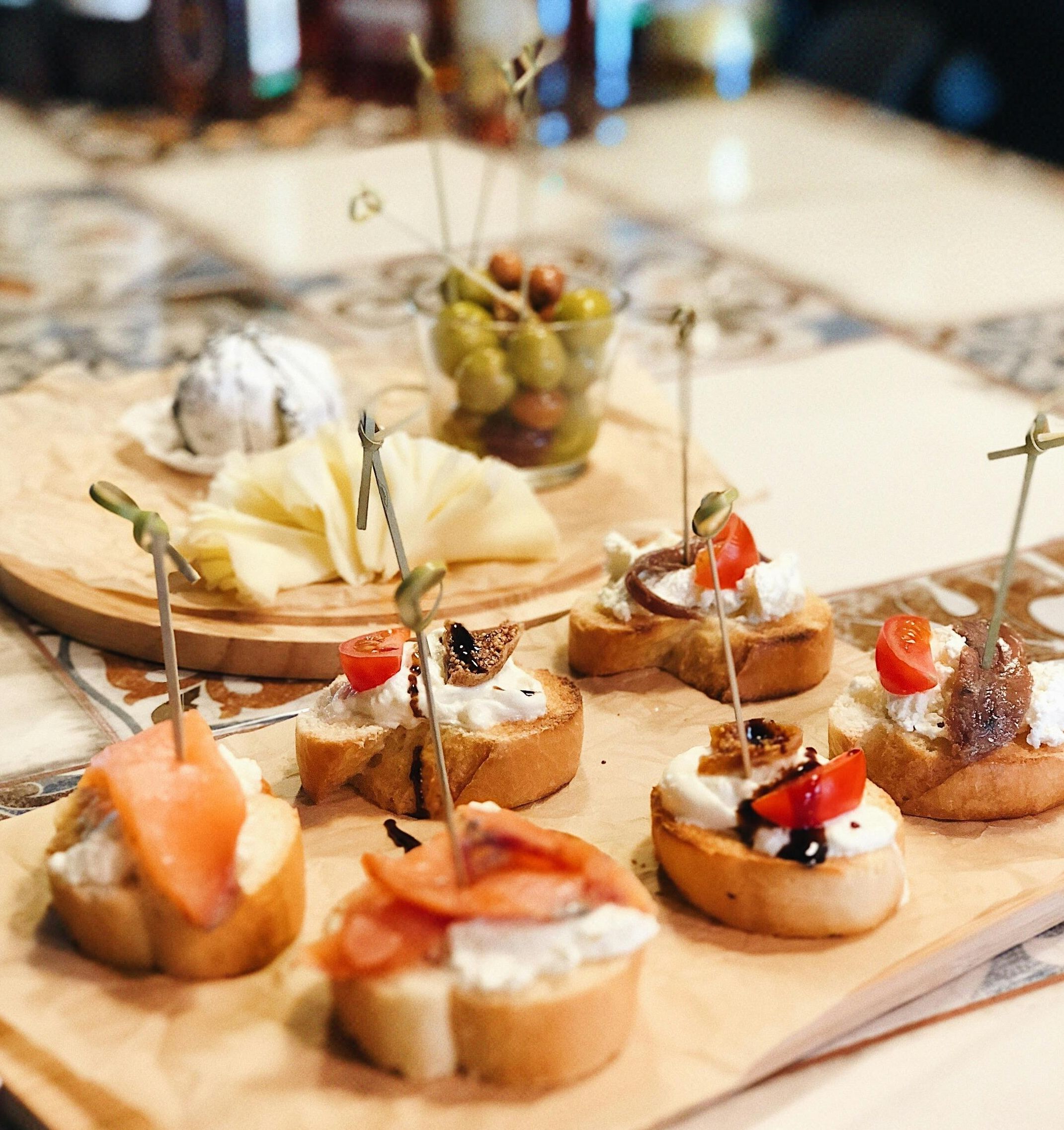
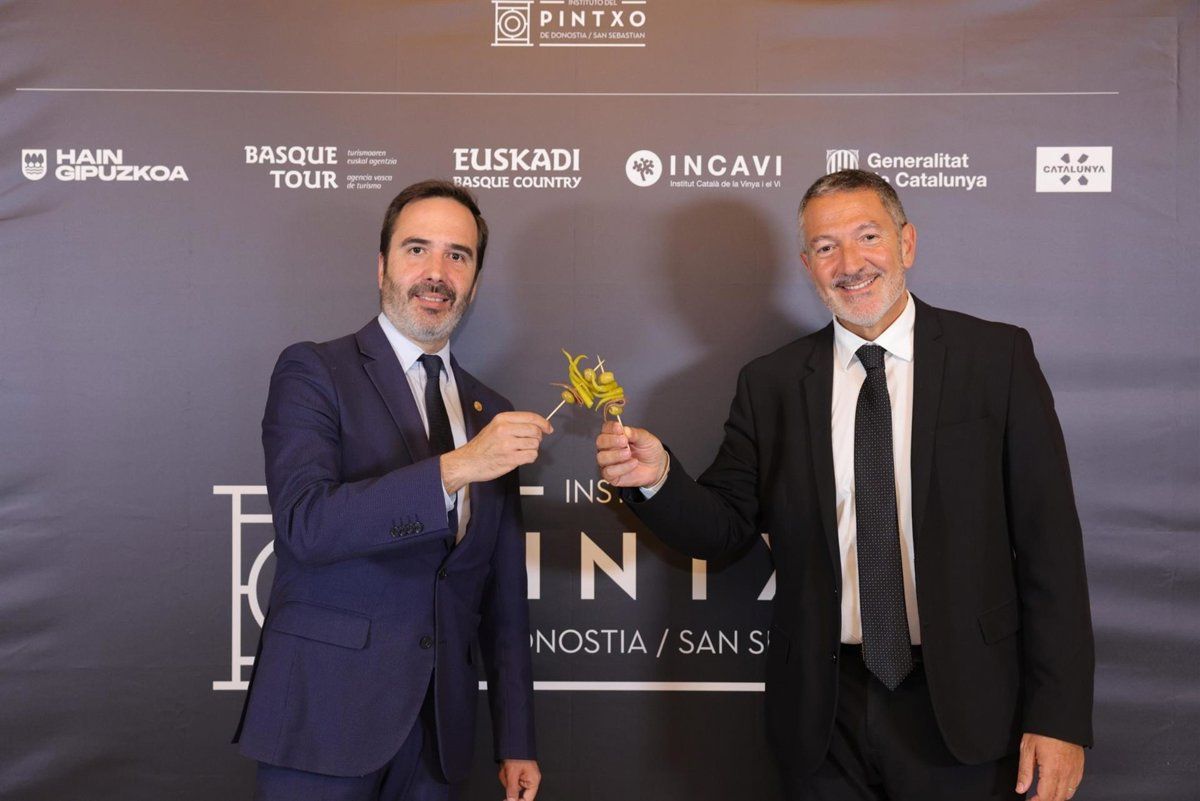
"When you combine Basque and Catalan wisdom, you don't add, you multiply". With this idea, the Minister of Business and Labor of the Generalitat de Catalunya, Miquel Sàmper, synthesized in the Palau de Pedralbes the spirit of an evening marked by Basque pintxos, Catalan wines, and the will to open a new stage of gastronomic collaboration between Catalonia and Euskadi.
Barcelona hosted for the first time the presentation of the Pintxo Guide 2026, but what was experienced last night was much more than a culinary celebration. Among institutions, chefs, sector professionals, and some of the most renowned pintxo bars in the Basque Country, both territories signed an agreement of good intentions to jointly promote gastronomic tourism.
The event was attended by Javier Hurtado, Minister of Tourism, Commerce and Consumption of the Basque Government; Cristina Lage, Director General of Tourism of Catalonia; Libe Otegui, Director of Tourism of the Provincial Council of Gipuzkoa, and Jesús Santamaría, president of the Pintxo Institute. Also present were nearly a hundred professionals linked to tourism, gastronomy, culinary culture, and the media.
An alliance that goes beyond the plate
Beyond the institutional part, the meeting made one idea clear: two gastronomic cultures with a very strong identity can reinforce each other when they decide to collaborate. The future of gastronomic tourism is less about competing and more about creating alliances capable of strengthening the territory, the product, and the narrative.Sàmper: "Pintxos is just going to bars, it's a way of socializing, of relating and of understanding time""When one thinks of Euskadi, one thinks of going for pintxos. And that's not just going to bars, it's a way of socializing, of relating and of understanding time," Sàmper explained during his speech. The minister also insisted that gastronomy has become a much more powerful cultural and economic tool than it seemed just a few years ago and defended a way of doing politics based on "adding, sharing and building together."
A pintxo can symbolize an entire culture
The great protagonist of the night was the Pintxo Guide 2026, promoted by the San Sebastián Pintxo Institute. For the first time, its presentation left the Basque Country to settle in Barcelona with a selection of emblematic bars from Donostia, Eibar, Hondarribia, Getaria, and Tolosa.During the evening, the participating establishments offered a tasting of their pintxos paired with wines from the twelve Catalan designations of origin, in a proposal promoted by the Institut Català de la Vinya i el Vi (INCAVI). The combination functioned almost as a metaphor for the encounter: two very different culinary cultures, but perfectly capable of dialoguing without losing personality.
The context also served to vindicate the pintxo as a gastronomic expression much deeper than it often seems from the outside. "A pintxo can symbolize an entire culture. In Euskadi, the pintxo is living history of our way of socializing. It is traditional and also avant-garde cuisine. It is product, it is landscape, it is differentiation and it is authentic miniature cuisine," affirmed Javier Hurtado, Minister of Tourism, Commerce and Consumption of the Basque Government.
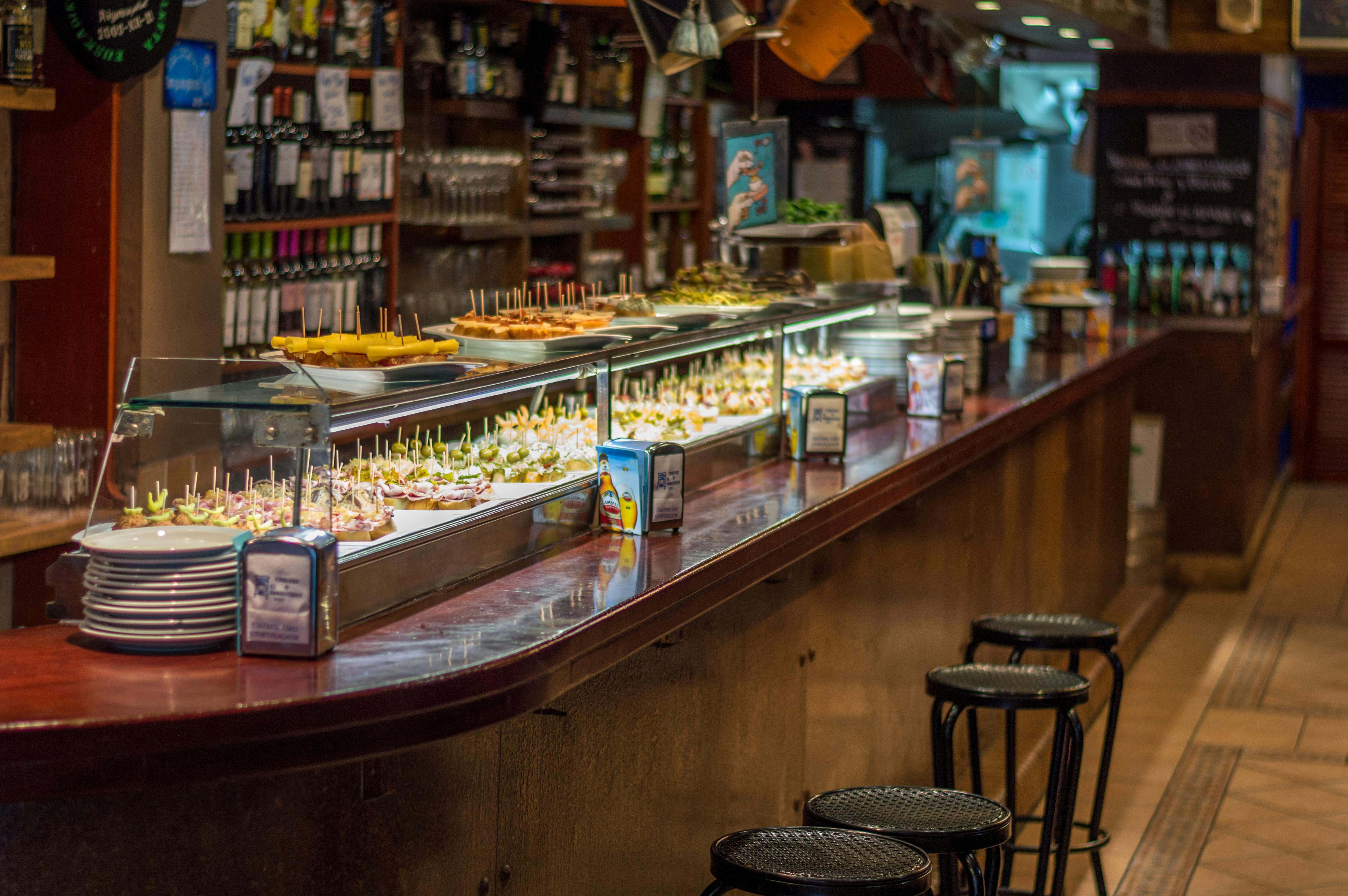
The minister also recalled the extent to which gastronomy is central to the territory's tourist experience: "95.5% of people who visit Euskadi engage in gastronomy-related activities and almost 98% visit pintxo bars." It is not strange, therefore, that the pintxo continues to be one of the most admired, imitated and mythologized gastronomic expressions of the peninsula.
A gastronomic culture that comes from afar
In the same vein, Libe Otegui vindicated the cultural, family and almost emotional component of Basque cuisine. "Our way of understanding cuisine is not accidental, it is the result of generations," she explained. The Director of Tourism of the Provincial Council of Gipuzkoa wanted to particularly highlight the often silent role of many women in the transmission of this culinary tradition: "It was mothers and grandmothers who transmitted the secrets of authentic Gipuzkoan cuisine and who paved the way for the success of our gastronomy."
Otegui: "The pintxo brings the creativity of haute cuisine to the bar and to everyday life"That legacy coexists today with a first-class gastronomic present. Otegui recalled that Gipuzkoa is "the territory with the highest density of Michelin stars in the world," but insisted that the pintxo remains at the center of everything. "It is haute cuisine in miniature, which makes luxury accessible because it brings the creativity of haute gastronomy to the bar and to everyday life."
For his part, Jesús Santamaría, president of the Instituto del Pintxo, vindicated the invisible work behind a good bar. "For us, it's not just going to bars. It's a way of life," he affirmed. In this sense, he stressed that the Pintxo Guide was not born to invent anything new, but to recognize, protect, and project a gastronomic culture that already exists and remains fully alive.
More than gastronomic tourism
The event also served to confirm a trend that has been consolidating for some time. Gastronomic tourism no longer revolves solely around large restaurants. Today's traveler seeks to understand territories through what they eat, discover producers, try elaborations linked to local history, and live experiences with identity.
And here, both Catalonia and Euskadi have much ground gained. Two destinations capable of combining haute cuisine, popular tradition, local product, wine landscape, and gastronomic culture without falling into the excess of a tourist postcard.
But beyond the data and speeches, what was felt in Pedralbes was something else: gastronomy continues to be one of the few tools capable of creating real links between territories. And, when two culinary cultures with so much identity decide to sit at the same table, what is born is not just a tourist alliance, but a shared way of explaining themselves to the world.
Add The New Barcelona Post as your preferred Google source for free
Stay informed with the latest news.