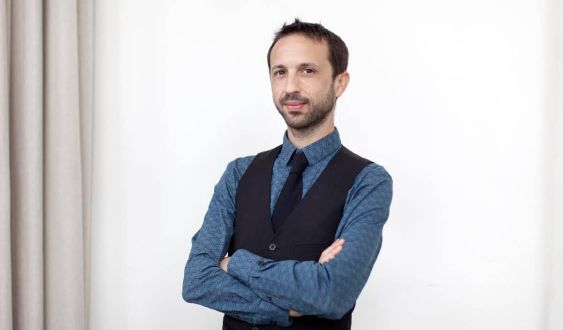
After more than a year talking about epidemiology and vaccines, Capital Cell is surpassing the figures obtained since its creation in 2015 and expects to continue doing so in 2021. Specifically, the equity crowdfunding platform managed to raise a total of 13.9 million euros in 14 rounds last year, 70% more than in 2019.
And, in just seven months, it is already about to exceed that figure this year. "We are on our way," explains Capital Cell director, Daniel Oliver. Currently, the platform has five rounds underway, which aim to raise between four and six million euros. With varied profiles and development phases, four of these startups have already secured 75% of the resources they requested, and a fifth is over 50%.
Likewise, Capital Cell is registering rounds this 2021 that close in a very short time. One of them was Time is Brain, a technology-based startup founded by neurologists from Hospital Germans Trias Pujol, which raised 800,000 euros in just over an hour.
For Oliver, the prominence that the world of health has gained with the COVID crisis has allowed people to lose their fear of investing in this sector, at a time when the benefits obtained by companies focused on developing vaccines, PCR tests, or respirators have become evident. On the other hand, the pandemic has also blocked investments in traditional sectors such as tourism, causing a surplus of available resources from investors, who have gone to look for other options.
Beyond the unprecedented growth registered with the coronavirus, Capital Cell had been growing for some time. The 2019 fiscal year was the first in which they registered profits, and in 2020 they approached a positive result of 100,000 euros. The forecast for this year is to double it and reach 200,000 euros.
The platform, based at the Barcelona Health Hub in the modernist Sant Pau complex, is designed for everyone to be able to invest, with minimum investments of 100 euros, and only accepts 3% of the projects it receives, with the aim of reducing risk and guaranteeing its investors that it only offers "the best opportunities to invest" in biotech and health. "We have specialized. You cannot go to a generalist platform thinking you will find the best investments," says Oliver. Since its creation, it has launched about 50 rounds, with a total amount of more than 25 million euros. Of these, 94% of the companies are active.

Current rounds in Capital Cell
The emerging companies that currently have an open round in Capital Cell are Nuubo, Amadix, Mjn-neuro, Biointaxis, and Nexkin Medical. Both Madrid-based Nuubo, which has developed biotextiles capable of measuring cardiac activity, and Valladolid-based Amadix, which has created a technology that allows detecting colon cancer years before it develops, are asking for 1.6 million euros.
Mjn-neuro, a startup from Blanes, wants to obtain one million euros for the device it has developed to predict epileptic seizures. David Blázquez, its CEO, created it to find a solution for his daughter with epilepsy. He has been working on it since 2009 and it was not until 2012 that he had the idea of a headset that would detect the signals the brain sends before an epileptic seizure. His device is already on the market and 23 patients are testing it. The one million euros he wants to raise in the round with Capital Cell should help him reach more users in Spain, as well as expand into the United Kingdom and the Netherlands.
David Blázquez created Mjn-neuro to find a solution for his daughter with epilepsyAnother Catalan company that is looking for investors in Capital Cell isBiointaxis, spin-offof the Germans Trias i Pujol Health Sciences Research Institute (IGTP). It requests 880,000 euros to continue developing a gene therapy against Friedreich's Ataxia, a neurodegenerative disease of genetic origin with no treatment, which begins to affect patients when they are children. The director and co-founder of the startup, Antoni Matilla, indicates that the resources they want to obtain must serve to continue their studies in animals. Unlike other ataxias, Matilla points out that Friedreich's affects between 3,000 and 4,000 people in Spain and, despite being a rare disease, their therapy can be applied to a broader group of people, if it is finally proven to cure it.
Finally, in Capital Cell there is also the San Sebastián company Nexkin Medical. This company is dedicated to digitizing allergy tests and also requests 880,000 euros.
Add The New Barcelona Post as your preferred Google source for free
Stay informed with the latest news.
