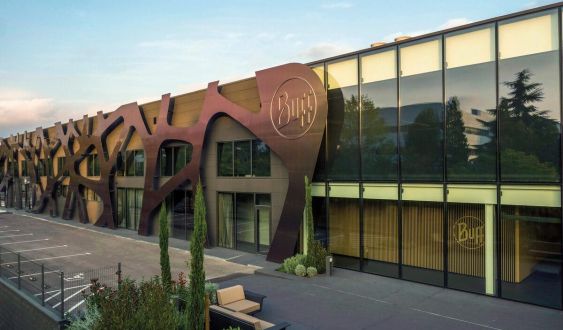
The company Original Buff is finalizing the industrial reorganization of its Igualada factory to provide it with the necessary capacity and logistics to expand and double production to 20 million units annually of tubulars, caps, and other neck and head accessories for outdoor activities.
The company has launched an adjacent 1,500 square meter warehouse which, on the one hand, frees up space in the production center and, on the other, systematizes industrial processes. The aim is to adapt the facilities to absorb the manufacturing of caps made in Asia —which account for 10% of total production— and the anticipated increase in demand, as it expects to produce 10 million tubular units alone in 2025. The brand will grow from 350 to 500 employees.
In total, the Rojas Vives family company has invested five million euros since 2020 to implement the Lean methodology, with the redesign of the entire factory and enhancing quality, sustainability, and efficiency standards, "putting consumers at the center of our decisions," explains the group's brand director, Thierry Peuchot, in The New Barcelona Post.
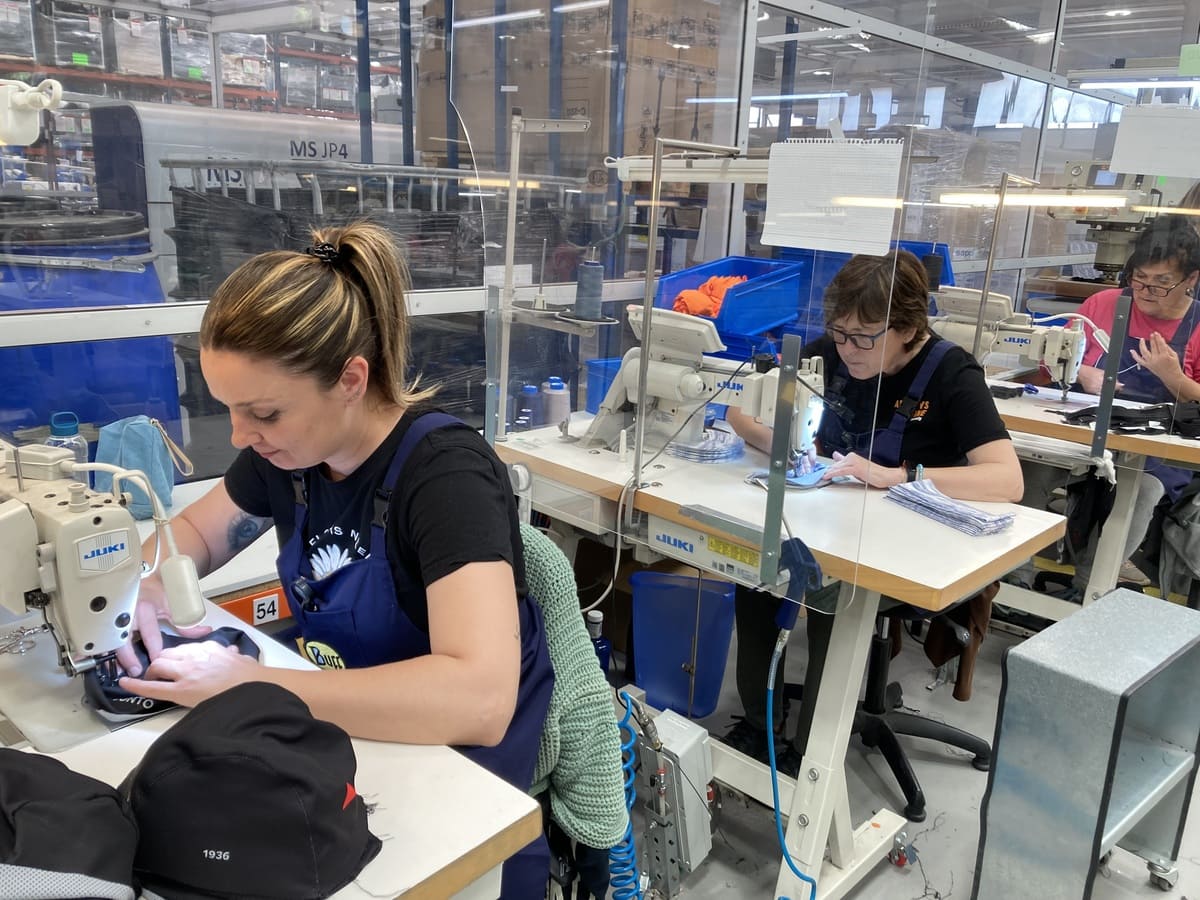
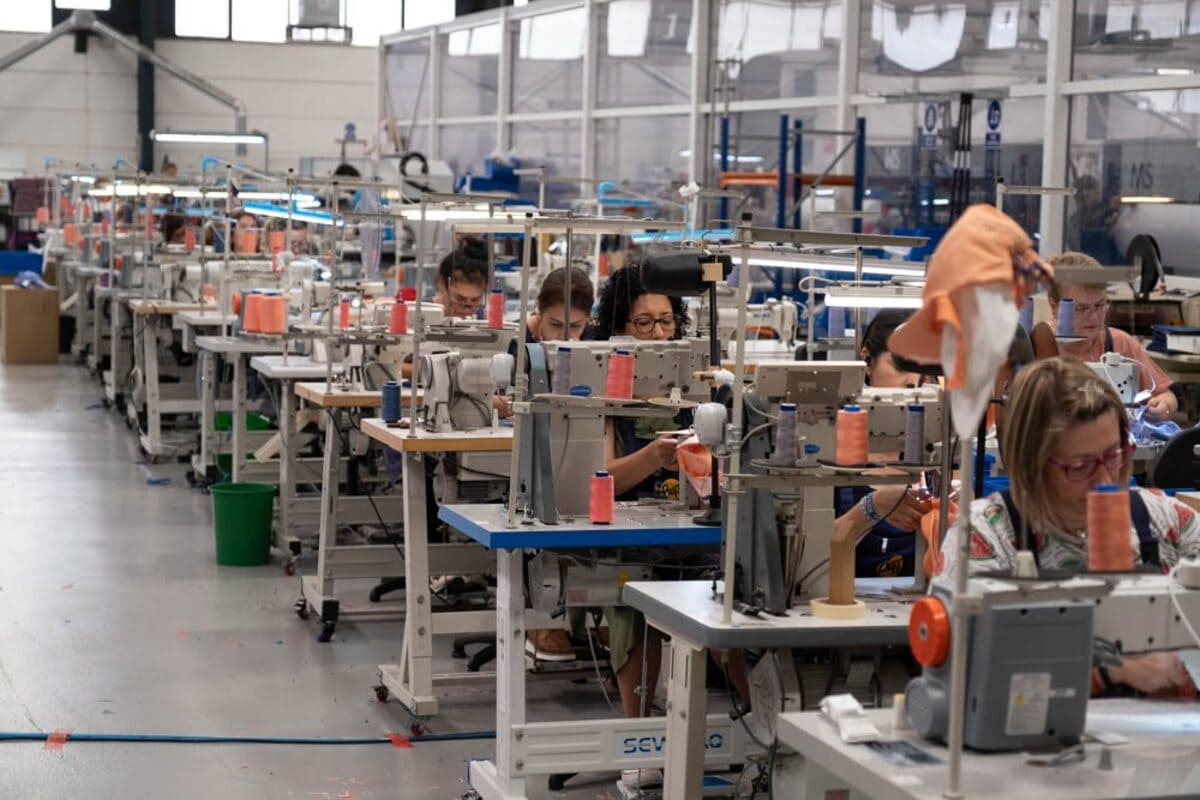
Buff's commitment to local production "is total," with Made in Barcelona by 2024. Currently, tubulars, balaclavas, wool or fabric caps, headbands, and bandanas are manufactured in Igualada, with 6,000 references, which are marketed in 70 countries, with a total of 20,000 customers. Distribution is carried out through retail or online sales. The brand rules out having its own network of stores beyond the four points of sale it currently owns (one in the Igualada offices, two at El Prat Airport, and another in the Illa Diagonal shopping center).
In the 2021 fiscal year (closed on March 31, 2022), Buff reported 46.9 million euros in revenue, after the previous year registered an exponential growth of 61%, up to 84 million euros, thanks to the rise in online sales which soared in the pandemic year. In the last fiscal year, it has returned to pre-pandemic levels, but for this year, forecasts point to a 10% increase to reach 52 million euros.
With an eye on the 2025-2030 five-year period and the goal of eliminating synthetic fibers and making 100% recyclable products to promote the circular economy, Buff promotes "innovation by working with suppliers to ensure that fabrics end up being recyclable," explains Thierry Peuchot. He states that a substitute for elastane, the synthetic fiber incorporated into products to make the fabric gain elasticity, would have to be found, "but this is currently complicated; no manufacturer has yet found a natural material that provides the necessary flexibility, and those being tested do not solve consumers' needs."
However, Buff's challenge is to ensure that none of its products contain elastane by 2025, because "although it only accounts for 5% of all materials in one of our products, this small percentage makes our pieces non-recyclable," he assures.
Currently, 79% of sales come from responsible materials, including recycled materials – more than 33 million recycled bottles – and natural origin, making their products as sustainable as possible.
Add The New Barcelona Post as your preferred Google source for free
Stay informed with the latest news.
