
The most important biotechnology congress in Spain, Biospain, reaches its twentieth anniversary with an edition that was inaugurated this Tuesday at the Montjuïc venue of Fira de Barcelona and is expected to be a record-breaker. Until Thursday, this reference event will address topics such as advanced gene therapies or the generation of energy without fossil fuels, issues that demonstrate that biotechnology is "critical to ensure Europe's strategic autonomy" at a "crucial" moment. "Commitment to strategic industries such as biotechnology cannot be a matter of debate," said Ana Polanco, president of the Spanish Association of Bio-companies (Asebio), organizer of the event in collaboration with Biocat, during the inauguration ceremony.
The growth of the sector in two decades has been exponential, going from 50 to nearly 900 companies in twenty years and from attracting 17 million to 140 million euros in investment. Currently, it represents 1% of Spanish GDP and a large part of these companies are based in Catalonia. "We lead Spain and are also a reference in Europe. It was necessary to bring an event like Biospain to Barcelona after twenty years, and it is being a success, we are reaching record figures," said Robert Fabregat, general director of Biocat, reports ACN.
Representatives of bio-companies have highlighted the need to improve access to therapeutic innovation in Spain, which is "far behind countries like Germany, Italy or France," noting that "efforts are useless if the result does not reach the people who need it." Precisely, according to Polanco, the new European pharmaceutical legislation can be an opportunity to "reverse the situation" and facilitate competitiveness in Europe.
Currently, biotechnology is behind nearly 70% of drugs in development. One of the innovative drugs presented at this edition of Biospain is Remab, which, after more than 25 years of research, has managed to selectively eliminate harmful antibodies that, instead of protecting against infections, end up creating a "shield" that protects bacteria. "There is nothing similar on the market, we already have authorization to start clinical trials in people," explains Rafael Máñez, president of the project and head of the intensive care medicine service at Hospital de Bellvitge. One of the possibilities opened by this new drug is to eliminate blood group incompatibility, which would allow transfusions or transplants without depending on blood type.
The event also showcased innovations for drugs to be absorbed faster in the brain thanks to the use of peptides. The company Gate2Brain has developed a technology applied, for now, to pediatric oncology that allows the patient to feel the effects of medicine with smaller doses, reducing side effects. At the congress, the company is seeking resources to close its second round of financing, of two million euros, and defends the future opportunities of its technology. "We are increasingly moving towards biological drugs, which will surely need a technology to get them to the brain," explained Meritxell Teixidó, CEO of Gate2Brain.
Both Remab and Gate2Brain share space in the BioRegion of Catalonia pavilion, co-organized by the Generalitat, through Biocat, and the Barcelona City Council, via Barcelona Activa.
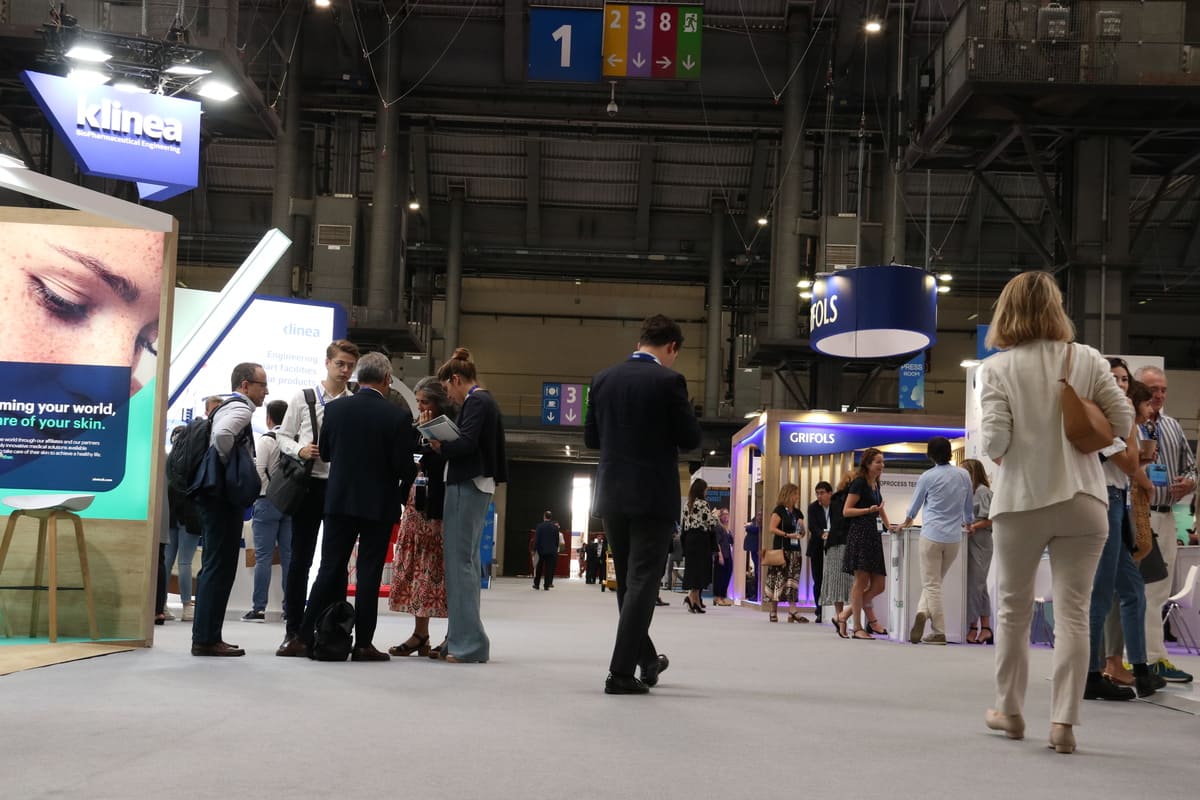
In addition to positioning the biotechnology industry as a response to the main challenges in the fields of health, food, and planet sustainability, the congress is an opportunity to seek investors and financing opportunities for companies that "often make intensive use of capital with very costly clinical trials," explains Carlos Buesa, general director of Oryzon.
This biopharmaceutical company develops experimental medicines against leukemia and personality disorders, managing to transform its research into a successful business that is listed on the stock exchange. "We are increasingly moving towards personalized medicine. We talk with definitions of diseases from the last century when we talk about schizophrenia or Alzheimer's; we know little about the biological basis. In a few years, we will divide them and talk about different types with different therapies, as has happened with cancer," Buesa detailed to ACN.
Objective: for Barcelona to be the permanent venue for the congress
In parallel to medical advances, the Biospain congress also aims to demonstrate the sector's potential to replace fossil fuels and make the food industry more sustainable.
The continuity of the fair in Barcelona, where it had only been held in 2004, is "under discussion," as explained at the inauguration by Jordi Valls, fourth deputy mayor of the Catalan capital. "We hope that this congress will be permanent in Barcelona, but this is being discussed," Valls affirmed.
"Catalonia is a reference space, a strategic node for biotechnology," highlighted, in turn, the Minister of Business and Labor, Roger Torrent, who stressed that the arrival of the congress in Barcelona certifies its "capital" position in this field, thanks to the network of technological centers and reference hospitals in the city. It is estimated that more than 50% of Spanish biotechnology companies are based in Catalonia.
Add The New Barcelona Post as your preferred Google source for free
Stay informed with the latest news.
