Between melodies, architecture and Gaudí: Barcelona vibrates with the classical
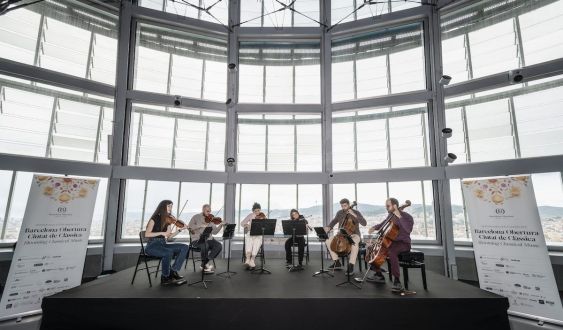
Mirador Torre Glòries Barcelona Ciutat de Clàssica
From March 5 to April 1, the Ciutat de Clàssica festival transforms the Catalan capital into a great living and choral score: more than 500 performers in 50 concerts that will thrill the entire city
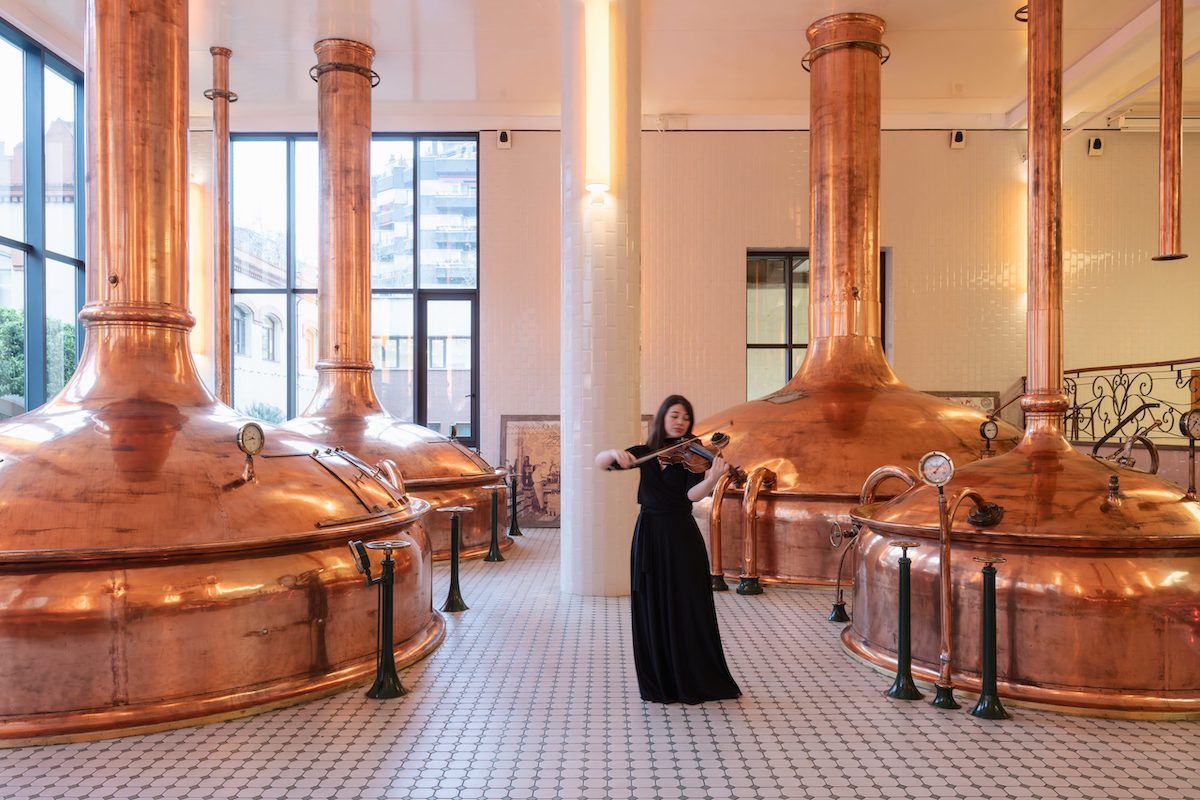
In Barcelona, spring doesn't just bloom: it also resonates. Between the waves of the sea, the singing of birds, and the constant rhythm in the streets, the city builds its own soundtrack that, for seven years, has incorporated a new melody: that of the Ciutat de Clàssica festival. From March 5 to April 1, the classical music festival will transform Barcelona into a great living score, reclaiming it as a cultural, architectural, and, above all, musical capital. More than fifty concerts —27 free— spread across 29 stages will, with the help of more than 500 performers, turn every corner of the city into authentic temples of sound, where classical music is breathed and shared.
The festival, already consolidated as an essential event of the Barcelona spring, was born with a dual purpose. On the one hand, to project Barcelona as an international capital of classical music —land of figures such as Pau Casals, Alicia de Larrocha, Montserrat Caballé, or Victoria de los Ángeles— and to highlight the prestige of its musical institutions, a usual stage for the most internationally acclaimed performers.
In fact, Barcelona's appeal as a musical capital is such that, according to the latest survey from the Barcelona Tourism Observatory, 16.45% of visitors attend a concert during their stay. Music becomes, as the motto of the first edition of the festival recalled, "come for the music, stay for the rest," a preamble to captivate listeners and visitors from all over the world.
On the other hand, the festival seeks to spread the love for classical music, especially among residents, offering free concerts —making classical music accessible to audiences who may not frequent traditional venues— and giving visibility to local and emerging talent. Thus, the festival acts almost as a musical breeding ground: soloists and ensembles trained at ESMUC or linked to the Liceu or Palau orchestras find a launching pad at the festival. "Víctor Medem (the festival's artistic director) is the Hansi Flick of music: he identifies and projects talents at the beginning of their careers," joked Ramon Agenjo, president of Barcelona Obertura.
Barcelona Obertura is the entity that has promoted the festival since 2019, managed by Turisme de Barcelona and driven by the union of the city's three major musical institutions —Palau de la Música Catalana, Gran Teatre del Liceu, and L'Auditori— with the support of the City Council, which this year contributes up to 270,000 euros within a budget exceeding 330,000.
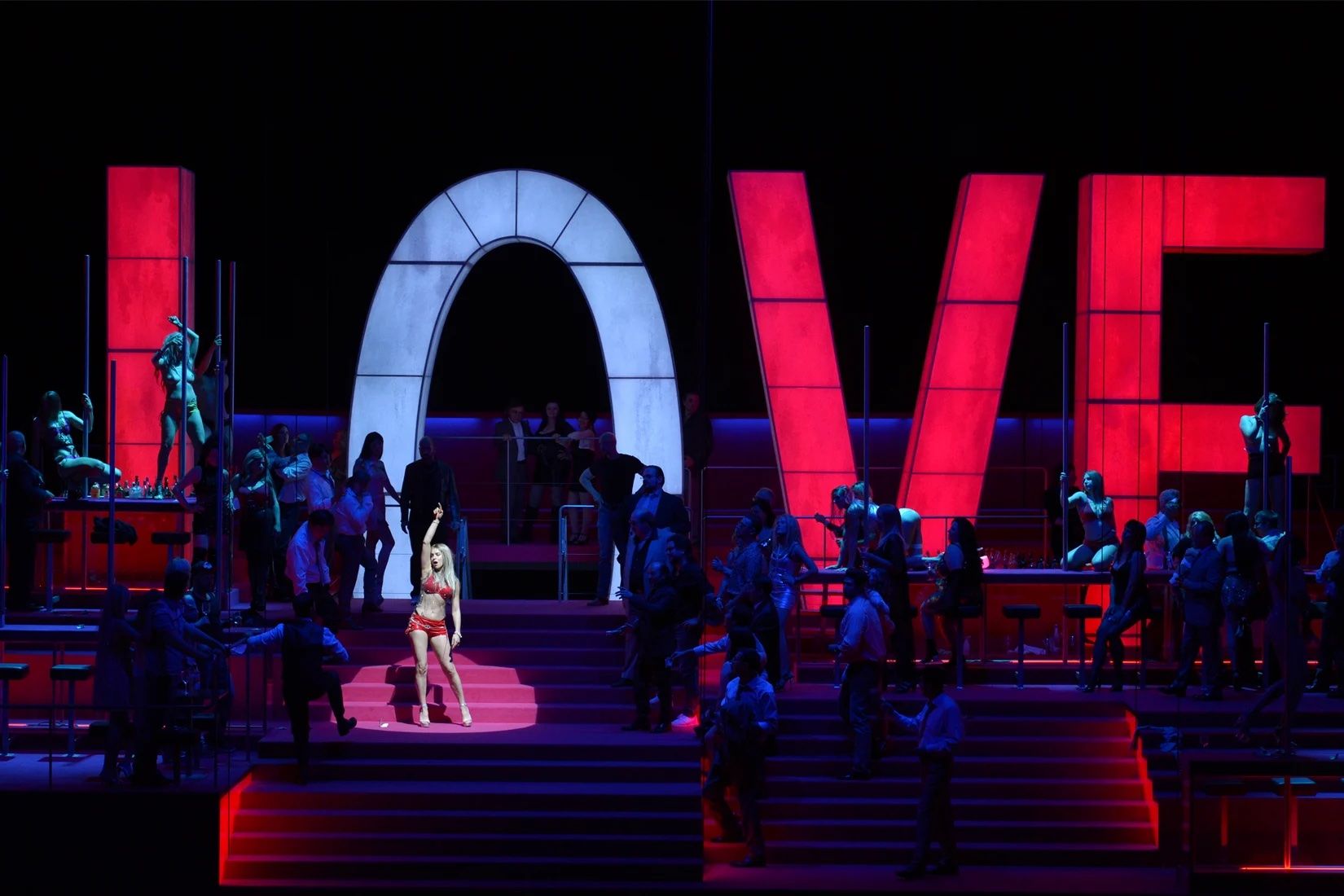
With this double and ambitious purpose, the festival combines a dual program: 27 free concerts spread across the city's ten districts; and 24 operas and concerts with internationally renowned musicians in the three great temples of classical music: Liceu, Palau, and L'Auditori. Among the big names are the opera Manon Lescaut, directed by Àlex Ollé with Asmik Grigorian as soprano, as well as pianist Martha Argerich and tenor Juan Diego Flórez.
For their part, the 27 free concerts transcend their usual venues and reach all districts, "bringing together from regular music lovers to residents who are approaching classical music for the first time," as Xavier Marcé, Councillor for Culture and Creative Industries, recalls. In total, more than 500 performers will act in the 52 concerts offered by the cycle.
Although historical in nature, classical music does not live anchored to the past: it vibrates and dialogues with the present with renewed strength. For this reason, this year the classical festival will also interrelate with other major cultural events of the year, such as the tribute to Gaudí on the centenary of his death, celebrating his legacy with a series of concerts in spaces that still preserve the spirit of the creative genius. Music will resonate in Casa Batlló (OBC string quartet), Casa Vicens (Aina Font on saxophone and Laura Rouy on guitar), Palau Güell (Liceu trio) and the unique Torre Bellesguard (OBC string octet).
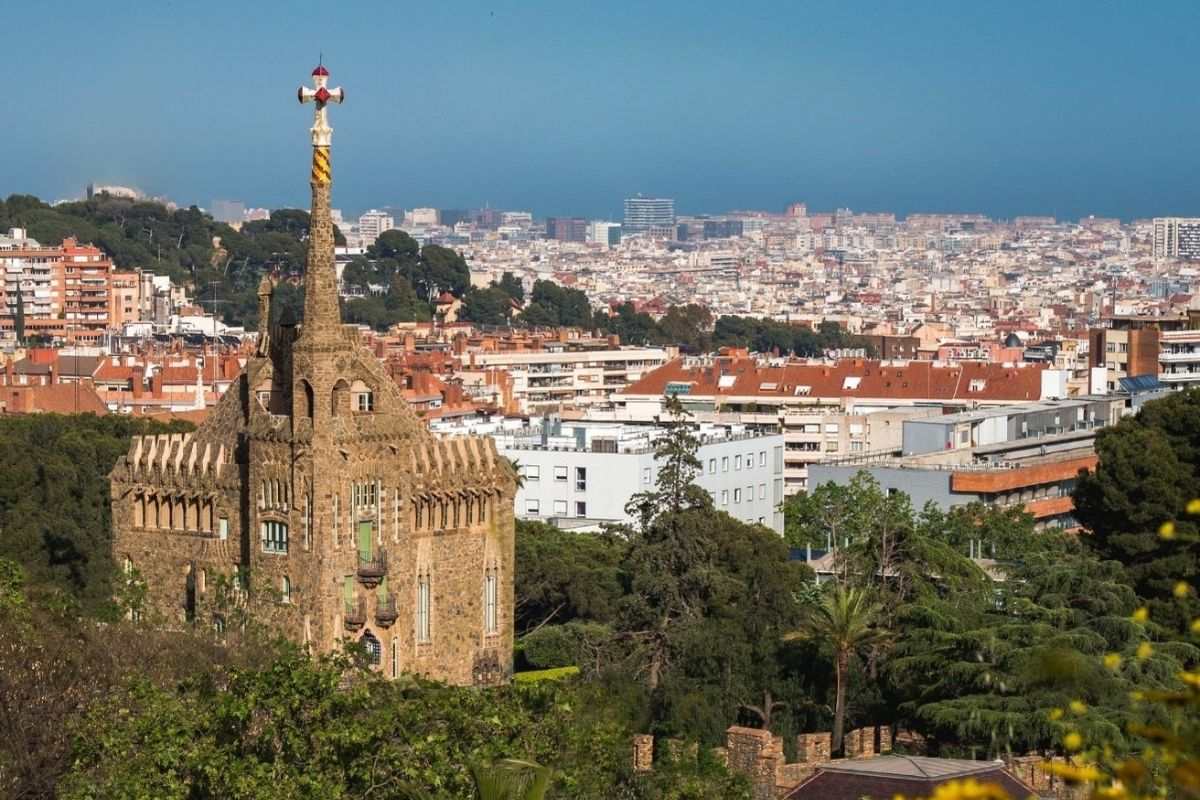
Torre Bellesguard, still a treasure to be discovered by many Barcelonans, not only contains beautiful modernist elements, but also offers an exceptional panoramic view of the city. Other emblematic viewpoints, such as the Torre Glòries (with Aina Font on saxophone —awarded in the Primer Palau competition— and Laura Rouy on guitar) and the Torre Collserola (Liceu string trio), which usually require paid admission, will now host classical music with views that captivate the soul.
Gaudí's footprint can not only be perceived through sight, but also through hearing: the festival recovers in its repertoire works by Catalan composers contemporary to Gaudí, such as Francesc Pujol, Enric Morera, Francesc Alió, Narcisa Freixes or Amadeu Cuscó. In addition, it vindicates the talent of three often forgotten female composers: Luise Greger, Margarete Schweikert and Johanna Müller-Hermann, returning their voice to the great stages.
Music and architecture: a sensory binomial
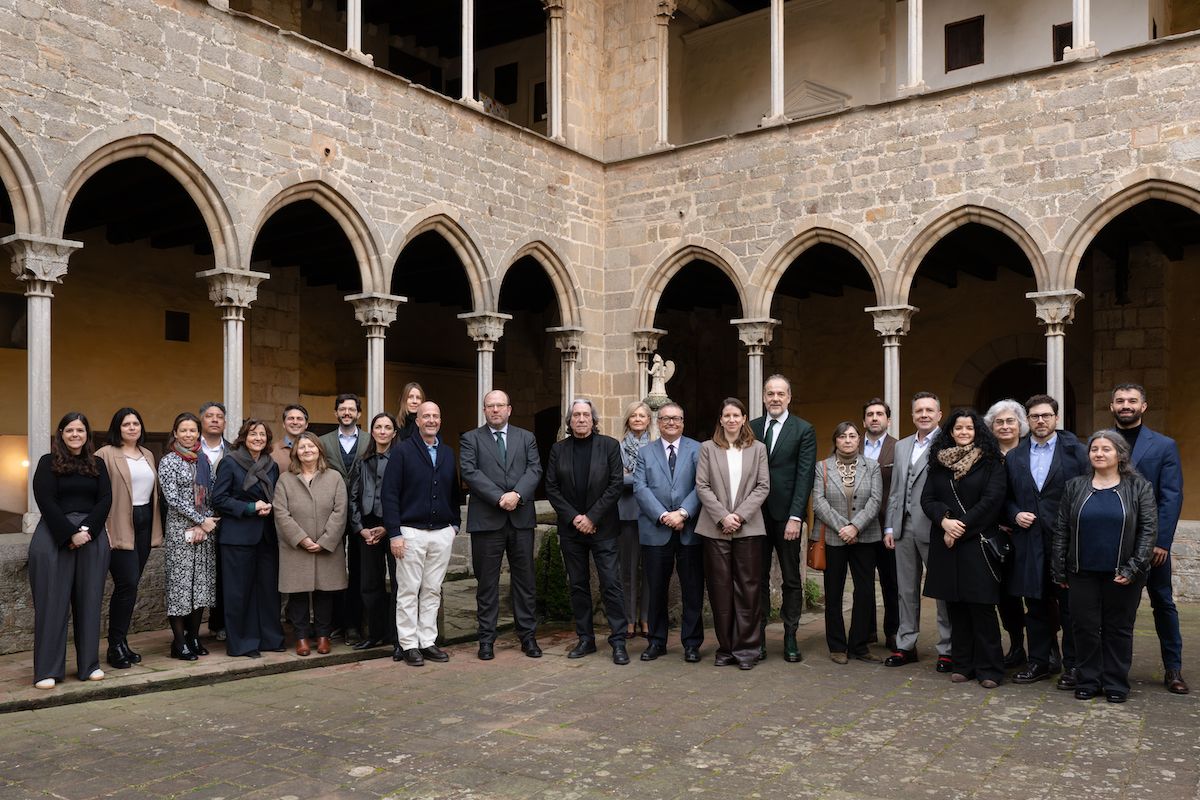
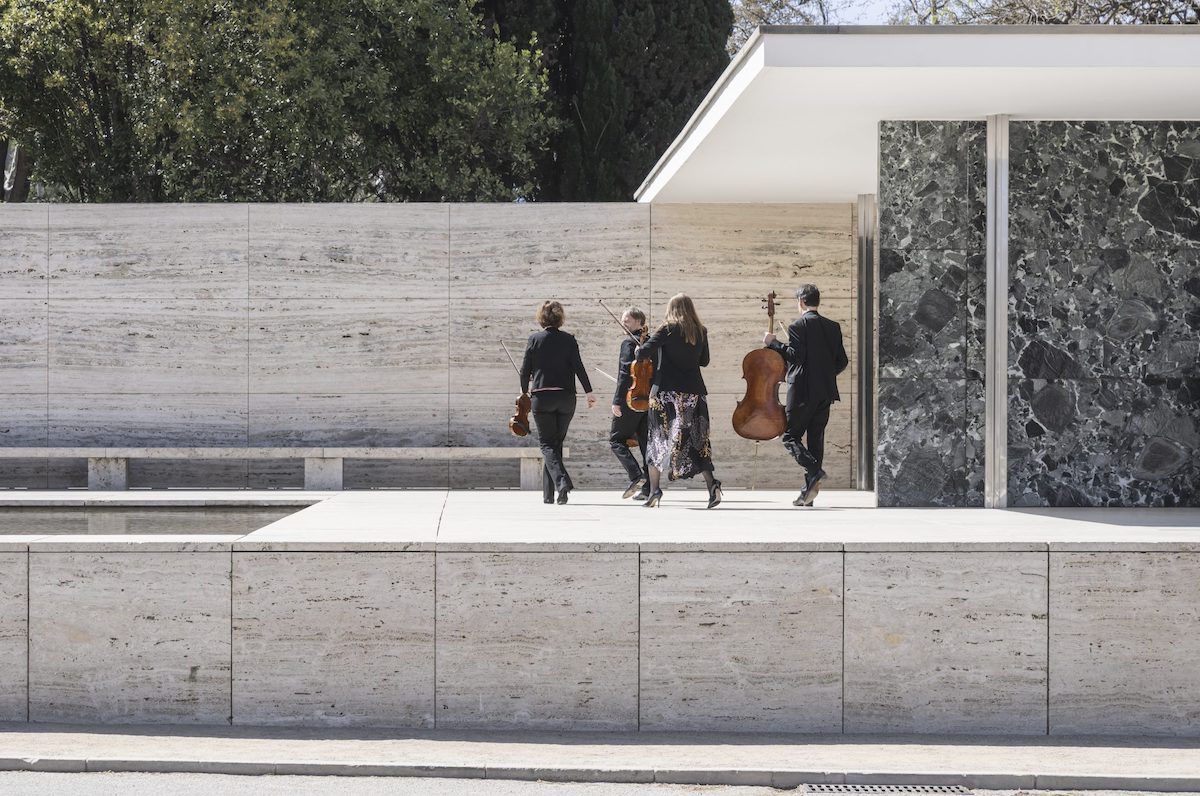
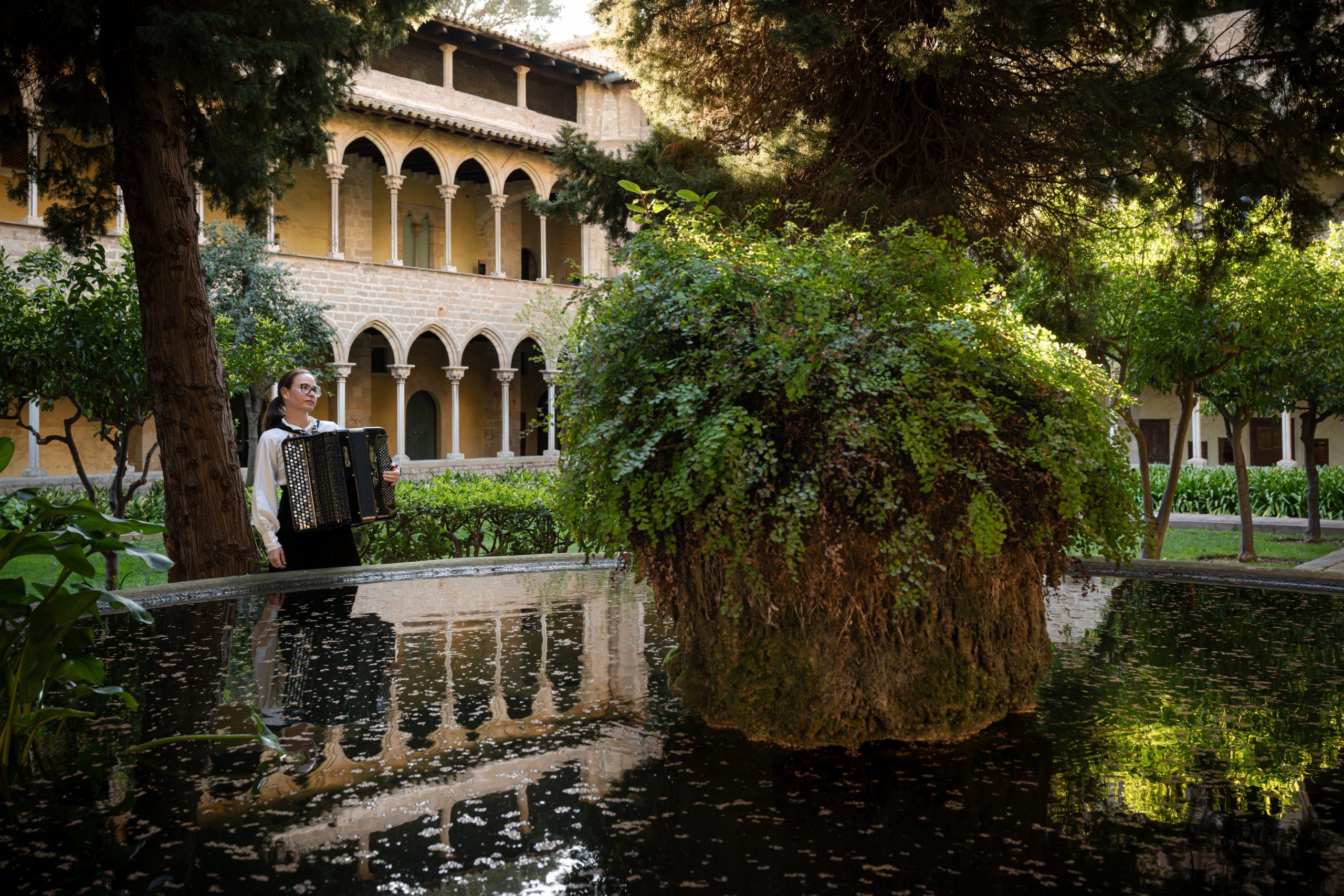
Beyond reclaiming modernism and Gaudí, the festival aligns with another of the year's major cultural events: the World Capital of Architecture. To celebrate this distinction, the festival will make music vibrate within architecturally emblematic buildings. From ancient spaces of great heritage value, such as the Pedralbes monastery (with Mireia Peñalver on viola da gamba and Santiago Gervasoni on harpsichord) —a building that also celebrates its own anniversary, recalling March 26, 1326, the date when the works of the Gothic monastery began— or the Palauet Albéniz —normally inaccessible, with Anna Urpina on violin and Inés Moreno on harpsichord—, to more modern buildings, such as the Mies van der Rohe Pavilion (Liceu string quartet), a symbol of rationalist architecture.