Yes. Dying in childhood can be done sweetly and very accompanied. And in Barcelona there is a space that prepares very well for this to be the case: the objective is that human comfort and support for children, nor for their parents and siblings, never be lacking, much less in their last days, if they arrive.
The promoter of this dignified mission is the Enriqueta Villavecchia Foundation which this Wednesday, together with the Private Foundation of the Hospital de la Santa Creu i Sant Pau, and in collaboration with the Health Management Foundation of the same hospital, has presented the project for the creation of the first pediatric hospice in Spain. It will be a space for respite and comprehensive support for families with children or adolescents with chronic and/or serious illnesses, and to accompany them in their last days. But it also wants to be a referent center in pedagogy for a more normalized social inclusion of illness and death, as parts of life. The Villavecchia Foundation was born to make life easier for sick children and their families, accompanying them through the illness processes and until the last moment.
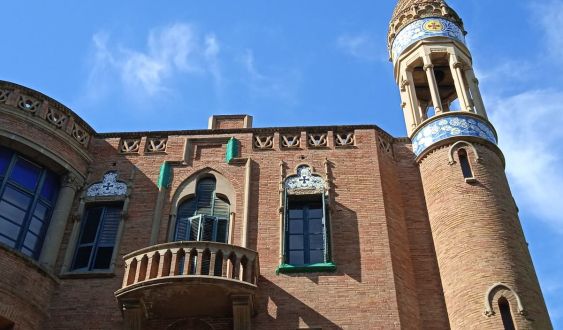
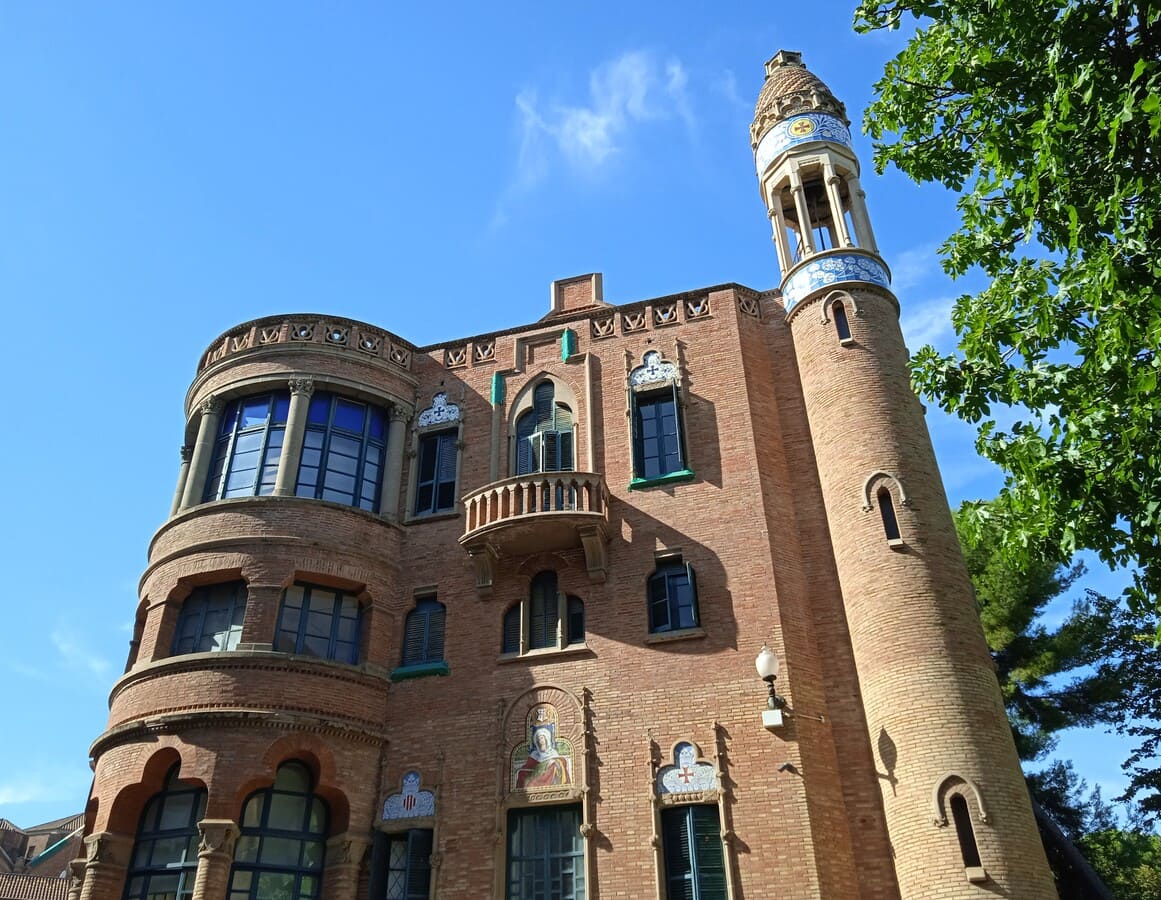
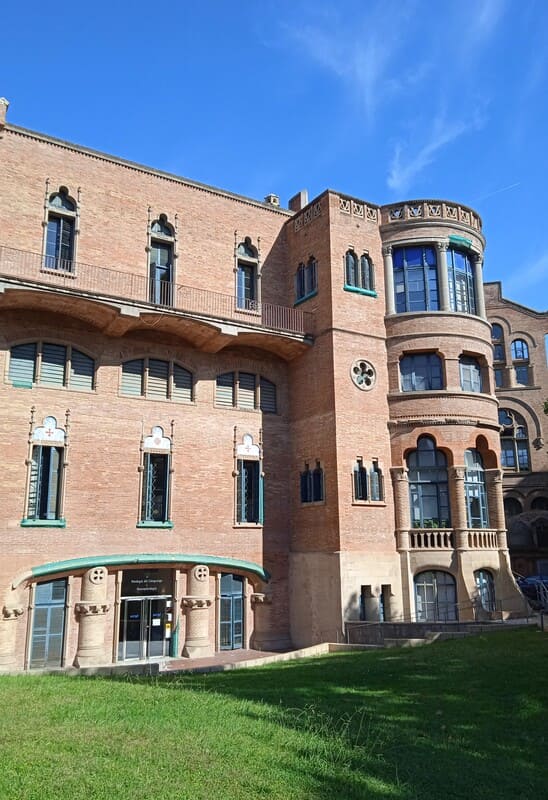
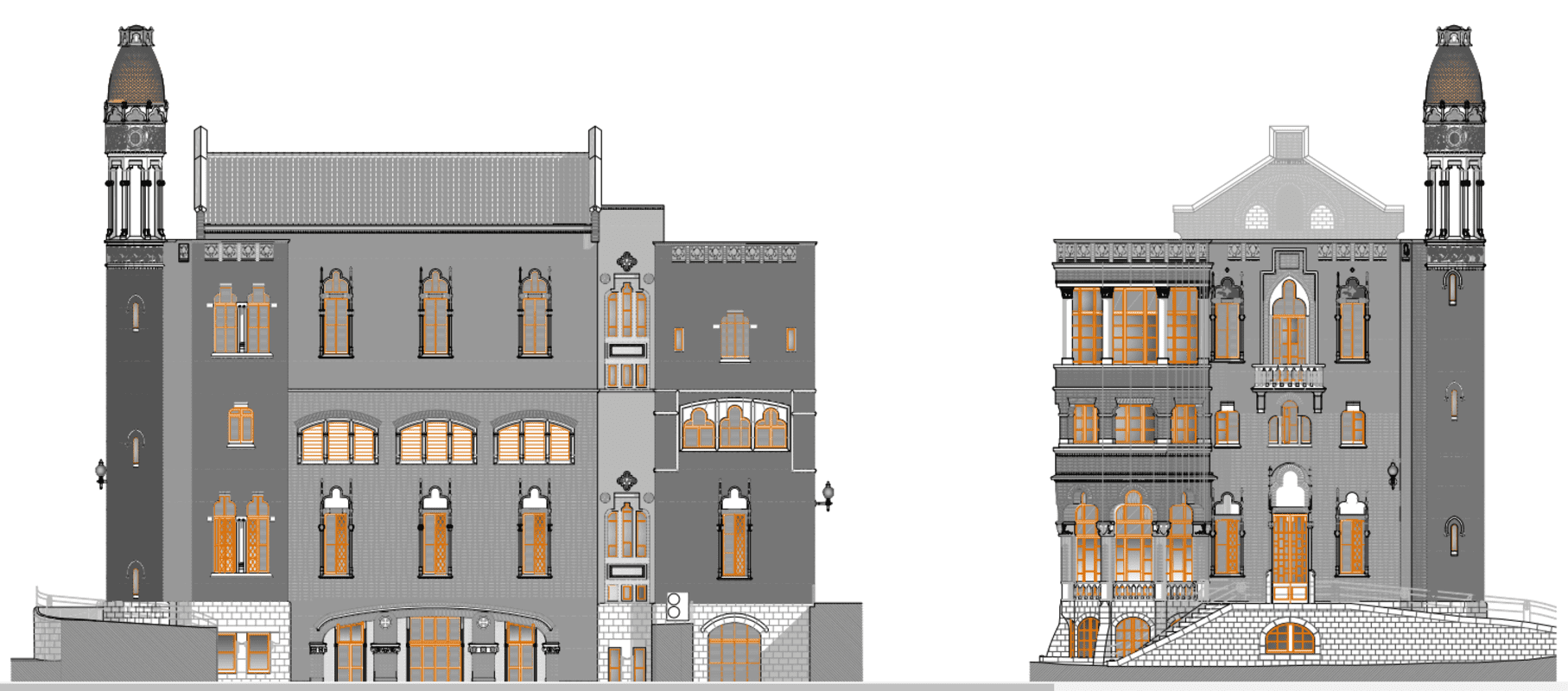
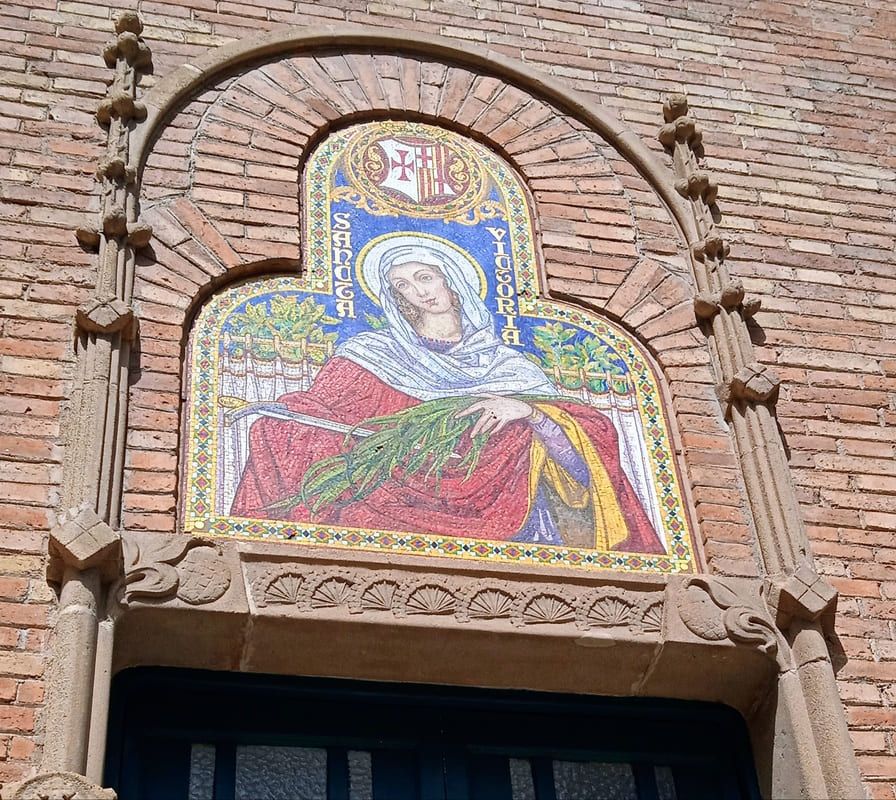
This concept of a space for the care of sick minors and their families, providing them with activities and company, what makes their treatment time more comfortable, is what the so-called, in Anglo-Saxon terminology, hospices, present in many countries in Europe and the world, carry out. They are like a second home when living with the toughest diseases. The pediatric hospice that Barcelona will have wants to fill the Santa Victoria pavilion with life and emotions, where the Enriqueta Villavecchia Foundation has its headquarters, in the modernist complex of the old Hospital de Sant Pau. Throughout 2024, a rehabilitation carried out by the architecture studio of Carme Pinós, and budgeted at 6.7 million euros, will prepare the more than 1,500 m² of the pavilion to directly benefit 1,600 people each year, to be able to offer 600 respite stays and global care to 400 families.
The project foresees the construction of six rooms for the respite program and two homes to be able to live in family intimacy the last days of a life. According to official data, currently it is estimated that there are, at least, 1,535 children with pediatric palliative care needs in Catalonia, to which all the pediatric population with complex chronic diseases should be added.
As explained by the conseller of Salut, Manel Balcells, at the presentation of the project, in the same modernist complex of Sant Pau, "although medicine has advanced a lot, today, unfortunately, despite the advances, 400 annual deaths of children between 0 and 9 years old occur due to diseases such as cancer. Therefore, the approach of how palliative care should be oriented is transcendent at the end of life, especially for families. This space is needed to accompany, care for, and fill with life the last moments of children."
This second home for families during their children's illness is the result of the evolution of the care that the Villavecchia Foundation has offered for 34 years, with the help of psychology professionals, social work, and leisure activities for children and adolescents, in addition to volunteers and apartment managers for families who, during hospital admissions and treatments, must settle in Barcelona.
"The time has come to take another step, creating a comprehensive support space that offers residential places and day support, and that facilitates respite spaces that include therapies, sensory stimulation, a water area, support groups and activities... and of course play and fun, as well as family support in a warm and welcoming environment with the accompaniment of professionals during the last days of the patients' lives, in farewell and in grief," explained the manager of the Villavecchia Foundation, Anna Varderi. And she specified: "Our goal is to help and accompany throughout the process, from an innovative perspective that complements existing resources, not focused on treating the disease, but on the process of caring for life."
It will be known as the Pavilion of Victory, because all those who promote it consider it a common victory that this center can become a reality in the city. Also because it has the support of the people to make it possible. They have enabled the website unavictoriadetodos.com, to get in touch and make proposals for collaboration and donations, from companies or individuals who want to make their contribution to the project.
One of the ambassadors of this pediatric hospice is former footballer and coach Luis Enrique Martínez. His image and testimony encourage and support the project, also monetarily as he has done, because he believes that, "children with serious illnesses that cannot be cured need special attention, accompaniment and, above all, to be able to continue being children. We also have to take care of the family members, during the illness and afterwards. Creating a center to care for their lives is a victory for everyone."
Architectural harmony
Before drawing up the project for the Hospital de la Santa Creu i Sant Pau, the modernist architect Lluís Domènech i Montaner visited different hospitals in Europe to draw inspiration from the best solutions for spaces dedicated to healing people. The orientation of the pavilions with respect to light and sun, the gardens that surround them, everything was designed to contribute to the well-being of the patients. Now the Enriqueta Villavecchia Foundation has done the same, it wanted to first learn about the experience in other hospices to make it a reality in Barcelona as well. In the Victory pavilion, the sensitivity with which the space conceived by the Villavecchia Foundation to care for life is born will harmonize with the humanity with which the entire hospital was conceived by Domènech i Montaner. This year, furthermore, is Domènech i Montaner Year because the centenary of his death is celebrated, on December 27, 1923.
The Santa Victoria pavilion was built thanks to the donation of parents who had lost their sick daughter in the hospital, and whose name was Victoria. Now the Villavecchia Foundation highlights and recovers the meaning of the modernist pavilion to facilitate life for those going through a process of illness. They know how to soften the bad experience of an end of the road, when hope is so ephemeral and elusive, and very bitter due to the young age of children and adolescents. Psychologists, social workers, form a network around minors and their families from the moment a life-threatening illness diagnosis arrives, during treatments, at the end of life and after death, because, as Matilde Pérez, who lost her daughter, Valentina, one year after birth, says, "we need a lot of support during treatments, but the real emptiness comes when they are no longer there."
Matilde Pérez met the Villavecchia Foundation as the first beneficiary family of the pediatric palliative care team. Valentina was born with a severe genetic disease and a very short life expectancy and was the first pediatric patient of the palliative care team at Hospital de Sant Pau. "I know personally what it means to have a child with certain needs and to be able to have a space and people who allow you to have a break and relate beyond being a caregiver. And another thing I missed a lot was meeting other families, feeling identified with what they also go through," says the mother. As a result of her experience with her daughter's death, she prepared to work on the Enriqueta Villavecchia Foundation project. She regrets that it is so difficult for society to open its eyes to illness, death, and grief. Matilde is also a member of the Villavecchia Foundation's family council.
Surrounded by more than 900 m² of gardens, the future center is expected to become operational in 2025. Beyond direct care for families and pedagogical guidance in the educational community to break the taboo about illness and death, the Villavecchia Foundation project also includes spaces for the remembrance of minors who have passed away, as well as celebrations to commemorate their lives.
Add The New Barcelona Post as your preferred Google source for free
Stay informed with the latest news.
