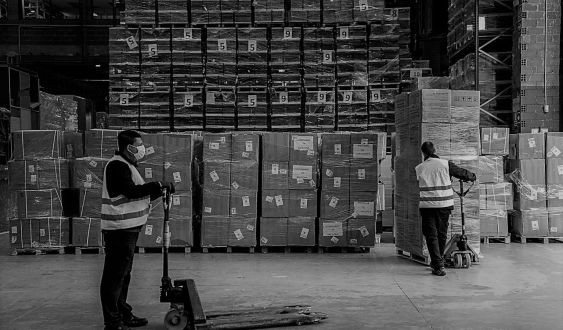
Logistics contracting in Barcelona will be around 425,000 square meters this 2020, despite the pandemic, according to forecasts by the real estate consultancy Savills Aguirre Newman. Until September, the Catalan capital absorbed transactions with a volume of 320,000 square meters and 51 operations were materialized, four more than those carried out in the same period a year ago.
[subscribe_newsletter_esp]
These data have been presented in a debate organized by Savills Aguirre Newman with the main investors and owners of logistics assets in Barcelona, such as Xavier Novell (Logicor), Cristian Oller (Prologis), Luis Lázaro (MerlinProperties), Alfonso Martínez (ZAL Port), Oscar Heras (GLP) and Santi Clapé (Clapé Group). The CEO and president of the company in Barcelona, Anna Gener, was in charge of moderating the forum.
The real estate consultancy points out that most of the transactions carried out in Barcelona this 2020 are linked to e-commerce, especially fashion and home products. This sector has proven to be key in the face of the coronavirus crisis, when, for months, many products could only be purchased online. The automotive and pharmaceutical sectors have been other sectors that have been interested in establishing logistics centers in the city.

In addition to e-commerce, the growing interest of many companies to operate from Barcelona has also played in favor of contracting logistics land this year. The Catalan capital has a clearly strategic location and more and more groups want to settle in the area. This privileged geographical position has long allowed the arrival of large foreign investments, which have consolidated the Barcelona area as the main logistics center in southern Europe. This year, many logistics projects are consolidating in the third ring and actors who previously did not have projects focused on this area are becoming interested in the market.
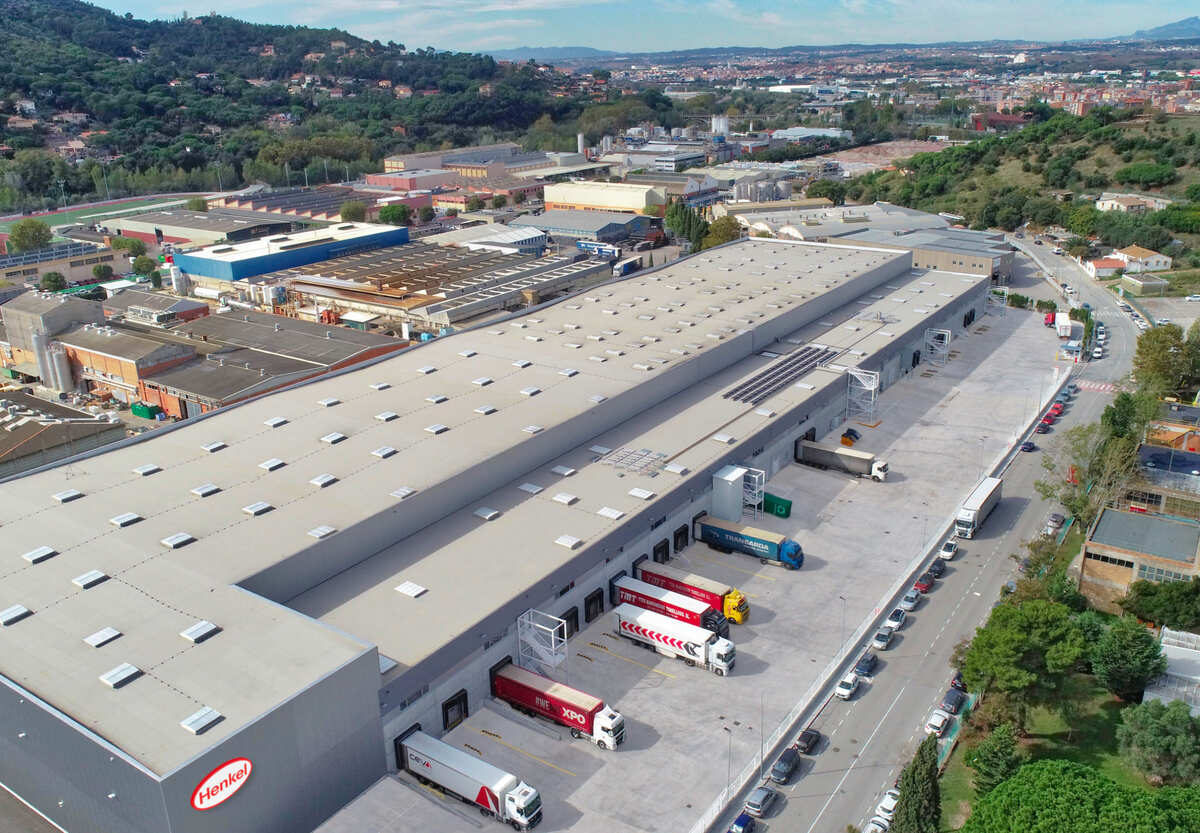
As evidenced by the case of Henkel, which has just invested 22 million euros in a new logistics center in Montornès del Vallès, covering an area of 24,000 square meters. This new infrastructure is essential for the multinational's laundry detergents and home care products division. The project will allow centralizing in Montornès the distribution of all the company's cleaning brands to Southern European countries and raises the accumulated investment in this complex to more than 50 million euros in the last three years.
Lack of land, the main problem
Savills Aguirre Newman highlights that the Catalan capital and its area of influence had a strong demand for logistics square meters before covid-19 and that this has been reinforced and not harmed by the new situation. Operators are very aware of the lack of land in Catalonia and have already pre-leased 65% of the new supply of 325,000 square meters that will be incorporated in 2021.
Thus, the main problem facing Barcelona's logistics market is not the pandemic but the lack of land: the availability rate stands at 3.1% throughout Catalonia and below 1% in the first ring. This causes a part of the demand that wants to establish its operations in Barcelona not to materialize. The real estate consultancy warns that the lack of space and suitable products, in terms of location, rents or characteristics, is causing many operations not to close. And, it adds, that with the current pace of developments, available land is expected to run out within three years.
For this reason, developers and investors present at the Savills Aguirre Newman debate have asked administrations for agility in land processing, reducing public exposure periods or processing times, with the aim of alleviating the deficit of available products.
Add The New Barcelona Post as your preferred Google source for free
Stay informed with the latest news.
