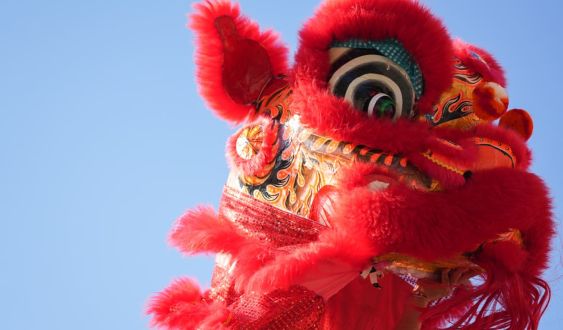
Asian cultures place great importance on traditions, largely because they are full of liturgies and symbolism that seek to attract prosperity, abundance, and health. And New Year is a good example of this. The New Year is for Chinese culture a time of celebration that is shared, but also of reflection and assimilation of what is left behind, because all that is negative must stay with the year that is abandoned and all that is good must be attracted, with the vision that the community can enjoy it.
Being, probably, a tradition longer than the 4,000 years it is said to have, this new year is governed by the lunar calendar and an astrological almanac based on animals. It usually oscillates between late January and early February. This 2022 begins on February 1 and formally ends with the so-called Lantern Festival, on February 15, thus concluding the multitudinous welcome to the Year of the Tiger. A year that, according to predictions, is marked by change, freeing us from fears to embrace greater courage, a liberation. Given the current context, this prediction surely instills hope, at least.
In China, special meals, fireworks, and family visits, for example, take place. In Barcelona, we have observed a greater implementation of this celebration, partly fostered by a growing Chinese community living in our city and by the visibility that, of this great moment, has been given in restaurants focused on Chinese gastronomy. After all, the connection of family celebration, or in a broad sense of it, is something that is very close to Barcelonians.
Food, in this Chinese New Year, plays an important and interesting role: there are foods that are recommended to consume, and foods that should be avoided, as well as specific preparations. All this with the ultimate global goal of attracting goodness to our lives. Hand in hand with restaurants China Crown, Out of China, Dr.Zhang, Melo-Ji and Lady Dumpling or with fun proposals at the Hotel Palace, the Hotel Mandarin and the Vietnamese restaurant Món Viêt, it is possible to approach this ancient tradition to enjoy it.
China Crown
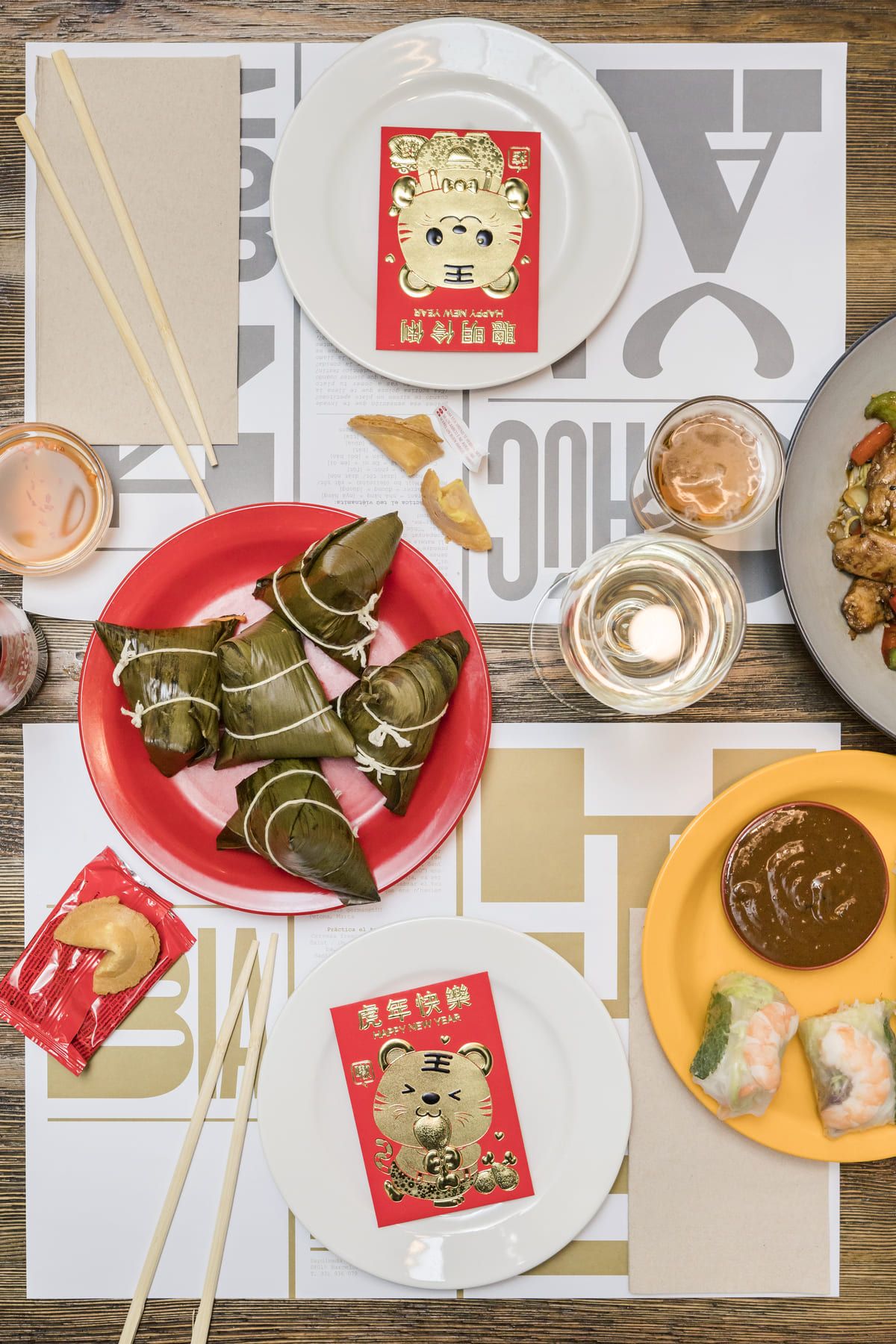
China Crown has just reopened its doors, at a time as appropriate as the Chinese New Year. With an exceptional location, Casa Calvet, this restaurant stands out for a menu with dishes that draw from the gastronomy served to the reigning dynasties: imperial cuisine, with historical recipes. Dishes for emperors revised so that the modern gourmet can discover and appreciate them.
In this sense, it has designed a special tasting menu that, for 65 euros per person, includes five starters (such as China Crown smoked fish), four main courses (such as noodles with three shrimp and scallion oil) and dessert. A good way to approach this delicate cuisine populated with the best produce. It will be available throughout the festive period of traditional celebration, during the first two weeks of February.
Out of China
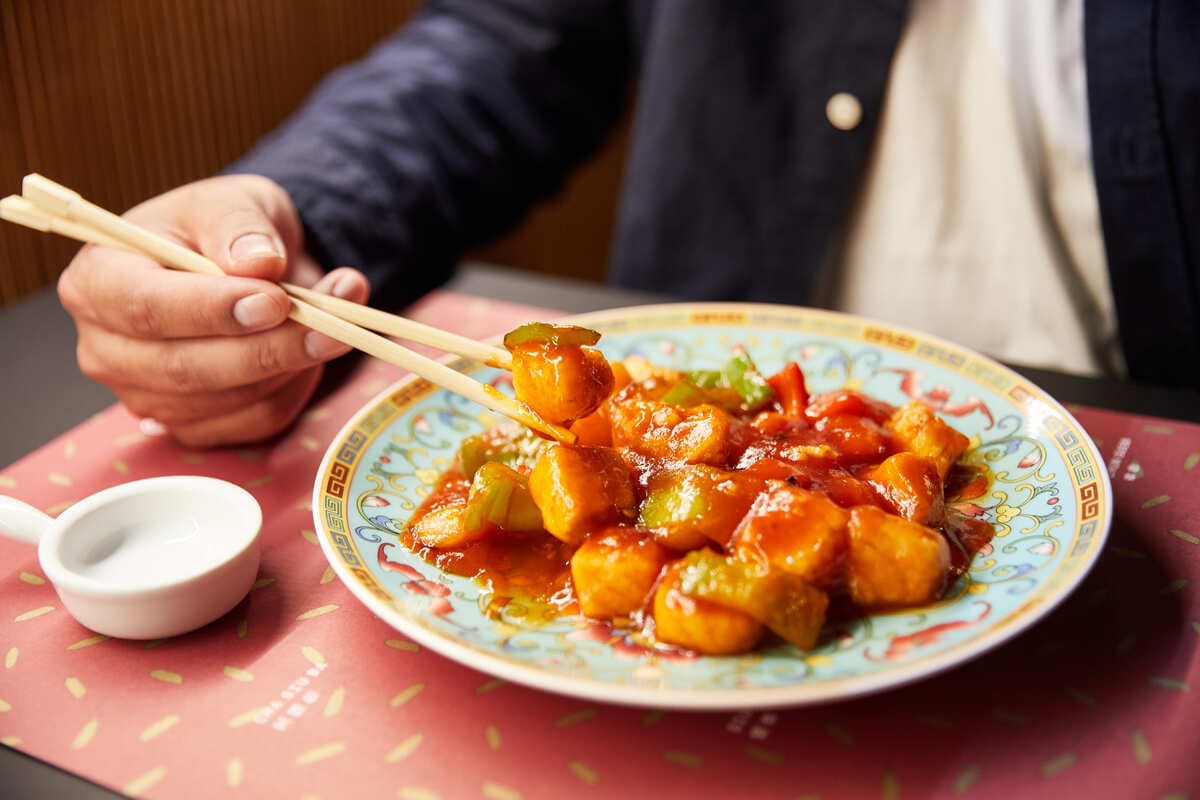
At Out of China, they have opted to extend the celebration throughout the month of February. In addition to their usual menu, there are three dishes created to enjoy the culinary tradition of the Chinese New Year: Salmon tempura with sweet and sour garlic sauce, rice pasta with candied vegetables, and pork and vegetable spring rolls. With the aim of combining tradition with a more contemporary and modern approach, it has partnered with the neighboring cocktail bar, Ideal, to end the experience with a cocktail that pays homage to the Tiger, the Golden Tiger.
The celebration of Chinese New Year is also called the Spring Festival, and vegetable spring rolls are the most appropriate dish to pay tribute to this celebration. Every diner, whether in the restaurant itself or by home delivery or take away, will be given the typical fortune cookies, filled with good omens.
Dr. Zhang
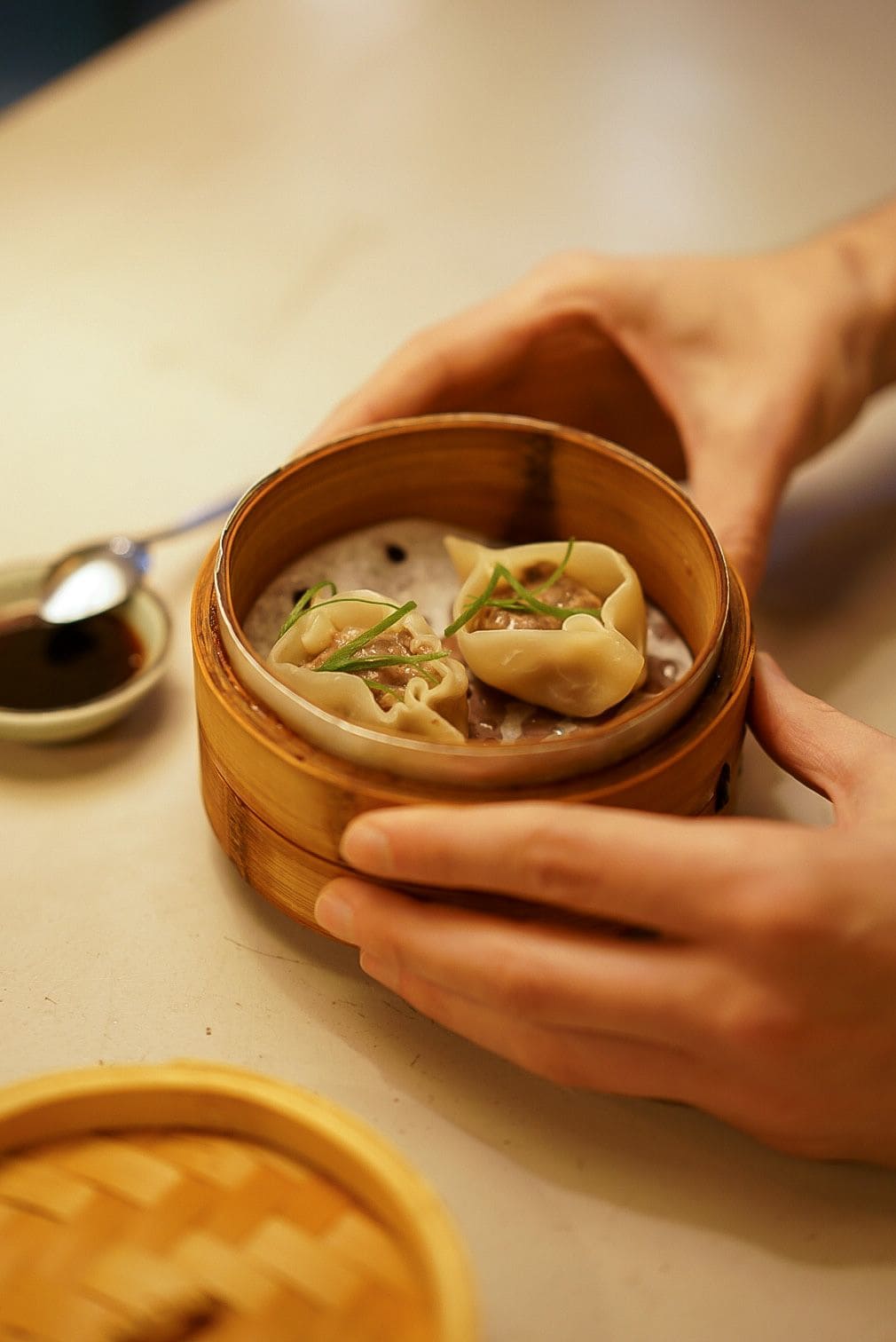
The dumpling is a more international Chinese invention, probably as recognized as gunpowder or paper, with medical and therapeutic origins. At Dr.Zhang, they make a wide variety of them, by hand and with various fillings and shapes, following traditional recipes with small nods to local produce. The essence of the dumpling, since Dr. Zhang invented it a thousand years ago, is to be a food that nourishes and heals, that feeds body and spirit.
Therefore, at Dr.Zhang, a special dish is offered for three days to warm up for the reception of the Year of the Tiger: the Dan Dan Noodles. A recipe that includes noodles (of great length, because the longer it is, the more longevity is desired) and pork dumplings in the shape of an ingot, typical of these dates because it represents economic prosperity. With this delicious dish, we will call for health and prosperity with every bite.
Melo-Jiā
At Melo-Jiā, they will cover the celebration with four special dishes and fortune cookies for all their diners during February 4, 5, and 6. In this establishment, run by the second family generation, they serve delicate dishes from traditional recipes, treated with rigor and utmost respect. This tradition is the result of the long journey of Chinese society, which has always integrated philosophy and medicine into every vital act, and it could not be absent from the most important one: eating, nourishing a body aligned with the health of the mind.
In the region where their ancestors lived, it was very cold at the time of celebrating the New Year, so stews and hot food added to tempering the body the benefits provided by the nutrients of the food. This is exemplified by the lamb casserole with lotus flower, turnip, and goji berries or the surf and turf casserole of pork ribs, squid, and sweet potato noodles. The brothy beef and foie gras pouch or the snow peas with garlic and Chinese ham are other special dishes that can be enjoyed at Melo-Jiā.
Melo-Jiā
At Melo-Jiā, they will cover the celebration with four special dishes and fortune cookies for all their diners during February 4, 5, and 6. In this establishment, run by the second family generation, they serve delicate dishes from traditional recipes, treated with rigor and utmost respect. This tradition is the result of the long journey of Chinese society, which has always integrated philosophy and medicine into every vital act, and it could not be absent from the most important one: eating, nourishing a body aligned with the health of the mind.
In the region where their ancestors lived, it was very cold at the time of celebrating the New Year, so stews and hot food added to tempering the body the benefits provided by the nutrients of the food. This is exemplified by the lamb casserole with lotus flower, turnip, and goji berries or the surf and turf casserole of pork ribs, squid, and sweet potato noodles. The brothy beef and foie gras pouch or the snow peas with garlic and Chinese ham are other special dishes that can be enjoyed at Melo-Jiā.
Lady Dumpling
The marked feminine accent of Lady Dumpling is more than visible from the display window that connects the exterior of the restaurant with the open kitchen. Taking advantage of the natural light, the ladies feverishly prepare dumplings of various shapes, fillings, and colors. These ladies, native chefs, are responsible for the excellent taste of their dumplings, made daily. This year, at Lady Dumpling, they have synthesized the celebration into a new dish: the Tiger Spicy Wanton, a dumpling filled with shrimp with carrot and spicy soy sauce.
That dumpling complies with traditional canons: its filling is not associated with low-cost ingredients (like cabbage, for example) or meats like chicken (as it symbolizes not moving forward) and has many folds. The more folds, the greater fortune is attracted. Likewise, making and eating many dumplings generates wealth for the coming year. A lucky dumpling in every sense.
Celebrating it in a different way…
The Hotel Palace has opted for an interesting ephemeral proposal connected with the Chinese New Year: its famous Afternoon Tea was inspired on January 28, 29, and 30 by the theme of the Year of the Tiger in terms of colors and flavors, with sweets in the colors of the tiger's fur, as well as traditional flavors in its sandwiches (Peking duck with spring onion or pickled vegetables in sesame and sake). The tea that accompanied these delicacies was, of course, Chinese tea.
Not far from this centenary house is the Hotel Mandarin Oriental, which this Year of the Tiger has chosen to pamper the body with a spa treatment to elevate energy to the fiery spirit of the Tiger. The Oriental Qi treatment has been designed with specialists in traditional Chinese medicine (TCM) and aroma therapy masters to present a practical and relaxing body massage ritual that lasts 90 minutes and costs 190 euros.
And if curiosity about the Chinese celebration liturgy manages to awaken interest in knowing how other cultures experience it, at Món Viêt they celebrate Têt, the Vietnamese New Year. Vietnam, like China, is governed by the lunisolar calendar and has similar traditions to those of its neighboring country, such as celebrations full of color, good wishes, excitement, and traditional dishes. One of them is the banh chung, a type of sticky rice cake, green bean, and pork, covered by dong leaves or banana leaves, depending on where one resides. This cake, of humble origin, is prepared in family, as tradition dictates, and is an offering to nature to thank for good harvests. It will be available in the restaurant from February 1 to 4, framed in the cheerful and colorful decoration required for these very special dates.
Add The New Barcelona Post as your preferred Google source for free
Stay informed with the latest news.