
The whirlwind cultural programming of a city like Barcelona has many more advantages than disadvantages; the vibrancy of a city must include the distressing feeling of not being able to be everywhere and, it's good, that one thinks that, contravening the cliché that we live in a scarcely creative and boring city, too many things are done here. On the other hand, the absorbing presence of so many cultural productions makes it more difficult to distinguish the anecdote from the category, the passable shows from the cultural phenomena that history will echo in the future. This also applies to an apparently elitist environment such as that of so-called classical music (an inadequate word that others have called "cultivated" and that, applied to music made now, results in speaking of "contemporary"), and I say "apparently" because the concerts at the Auditori or the Palau, far from being minority events, host hundreds of thousands of spectators per year.
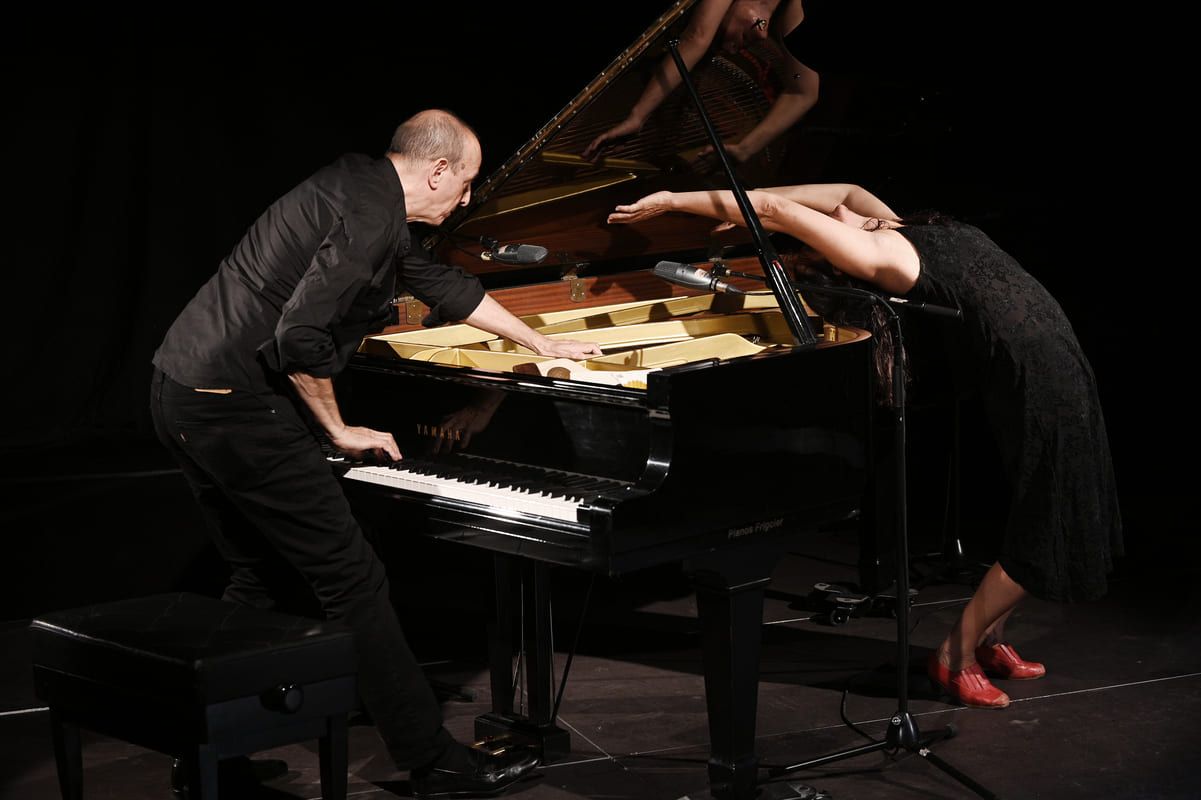
Forgive my dime-store metaphysics, but the point is to remember that, for many years now, ours is one of the cities where the best improvised music in Europe can be seen and heard without this awakening the pride and opportune interest of Barcelona's music lovers. Two weeks ago I was able to confirm this again by attending Líquen, the latest show by one of the deans of the genre in Catalonia, the pianist Agustí Fernández, a great musician who, together with the dancer Sònia Sánchez, has been enjoying creating music and dance in real time for a long time (the concert is part of the Dansa i Música en Conversa cycle at the Mercat de les Flors, an institution to which the media and journalists pay much less attention than some of its illustrious neighbors but which meets the heritage and public creation promotion requirements in Catalonia with practically unmatched coherence).
In a universe of predictable concerts and programs that interpret, reinterpret, and overinterpret the same music, watching Agustí and Sònia perform is a pleasure. The dancer deconstructs the classical parameters and gestures of flamenco on three different-sized stages (the smallest barely fits the distance that exists beyond the artist's feet, but this does not prevent her gesturality from expanding its reach as if it were the stage of a coliseum). While Sánchez dwells on the gestures that we usually see interpreted at full speed by flamenco star dancers –enjoying their paradox, their muscular difficulty, and even their contortion– Agustí listens attentively from the piano, drawing the best sound from the instrument's nooks and crannies; first, he lets her breathe so she can enjoy the twisting of her hands, then he lends her the percussion of the instrument so they can both hammer the wood. They do not exceed the limits; they settle into them to amend them, while playing.
If you haven't seen Agustí Fernández at the piano, believe me, you have missed the enjoyment and infinite beauty of contemplating one of the most versatile and extraordinary musicians in the country. I know that the tribe has honored him with the Premi Nacional de Cultura and other similar nonsense, but it is still an anomaly of a banana republic that Agustí's work does not have more public acceptance. It cannot be that this Líquen remains in these two sessions of the Mercat; it would be, if you allow me the crude metaphor, like leaving our best chefs without diners and Barça players only starring in charity matches. This is even more horrifying if we consider that Agustí Fernández has not only been a European beacon of improvised music, but has also had the generosity to create a school, share knowledge, and play with his students from ESMUC and other schools in the country.
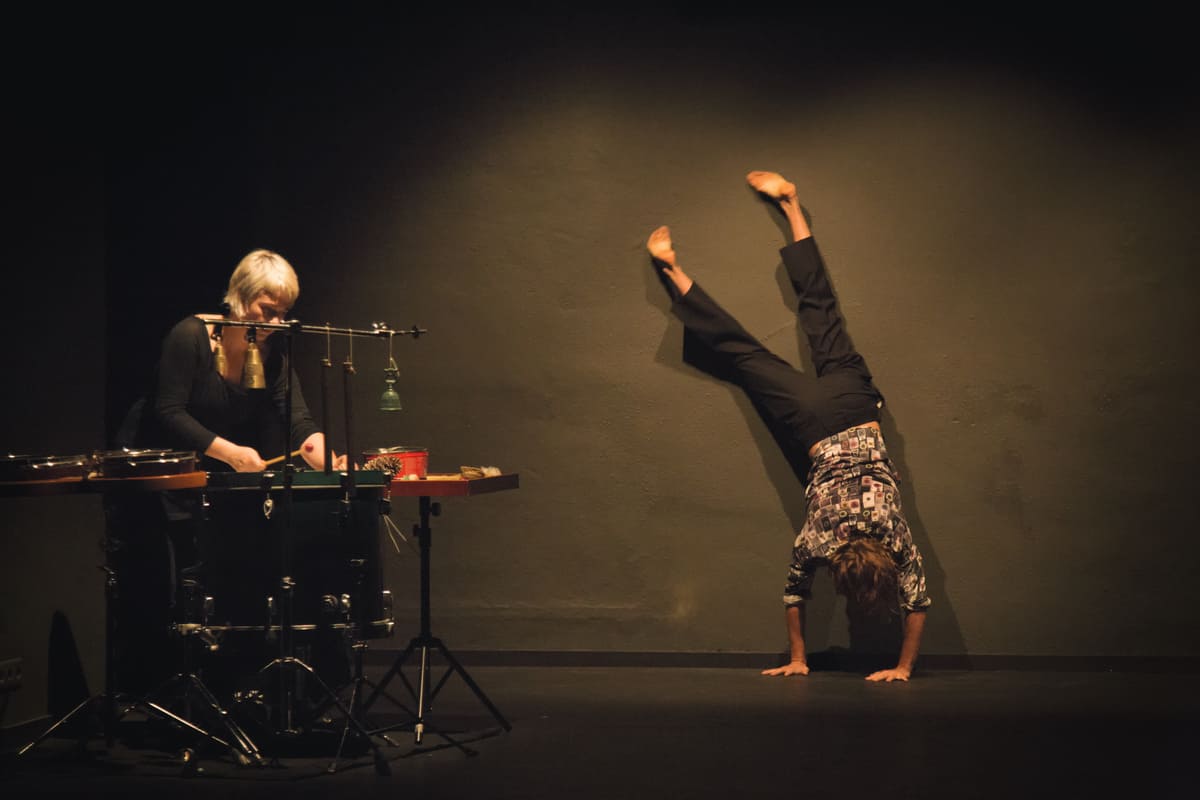
If you haven't seen Agustí Fernández at the piano, believe me, you have missed the enjoyment and infinite beauty of contemplating one of the most versatile and extraordinary musicians in the countryLast January, Agustí retired from our Advanced School of Music after working twenty years in its classrooms. I know that its very competent director, Núria Sempere, is doing everything possible for Agustí to remain linked to the school until death do them part; I do not expect, unfortunately, that his country will be up to the task of this enormous artist to organize the tributes he deserves. But these are miseries of the tribe; the important thing is that Agustí's students continue to honor his excellence and that next weekend one of these artists, percussionist Núria Andorrà, will be part of theDance and Music in Conversationwith its proposalMiratge. I have been lucky enough to listen to, meet (and even, in a Paleolithic era) program this phenomenal artist, and today this author ofThe Stabrecommends that today and tomorrow we fill their concerts.
Barcelona improvises, in the best sense of the word, and it would be good if the city's music lovers realized it. For two years now, the Free Impro Barcelona collective has been bringing together our best improvisers, and on their website you can find a concert calendar that makes your mouth water. For now, our artists survive in very lively but marginal spaces in the city such as Robadors 23 or the Antic Teatre. We love proximity and value the role that the resilient and commendable small venues in the country give us. But the goal is for impro, for friends, to reach the general public and for the city to enjoy it as it deserves in the most eminent venues. Musicians like Agustí Fernández deserve it. Musicians like his students demand it. So does, of course, this stabber of yours. Denying oneself the pleasure of a concert that cannot be defined, where music travels through the unknown, would be a sin.
Add The New Barcelona Post as your preferred Google source for free
Stay informed with the latest news.