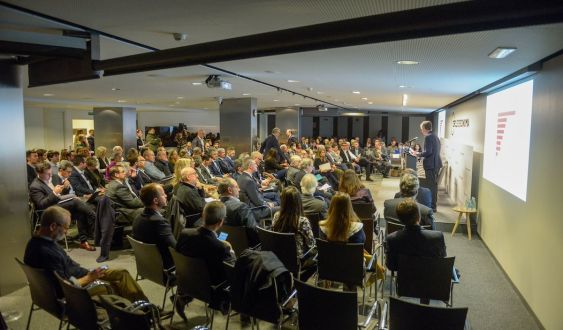
The dynamism, the labor market, and also housing prices generate an interrelationship between the municipalities of Barcelona that blurs their limits and has turned them into a network of interconnections that has long transcended towns and cities. In recent years, the network has been expanding to overflow the current metropolitan area, and Barcelona is now looking at its challenges from the metropolis of five million inhabitants.
And it is that the challenges of the present and the future, from housing to sustainability and business competitiveness, will not be solved if not from this broad metropolitan perspective. This has been confirmed by representatives from the economic, institutional, and political spheres at the conference L'hora de la Barcelona metropolitana, organized by the Cercle d'Economia, Barcelona Global, and Foment del Treball.
"The horizon is the metropolitan region of five million; from Vilanova to Vallès and Mataró," defended the mayor of the Catalan capital, Jaume Collboni, who advocated for starting to land proposals in the area of competence. To shape the great metropolis, he called for "redesigning the territory based on new demands and challenges."
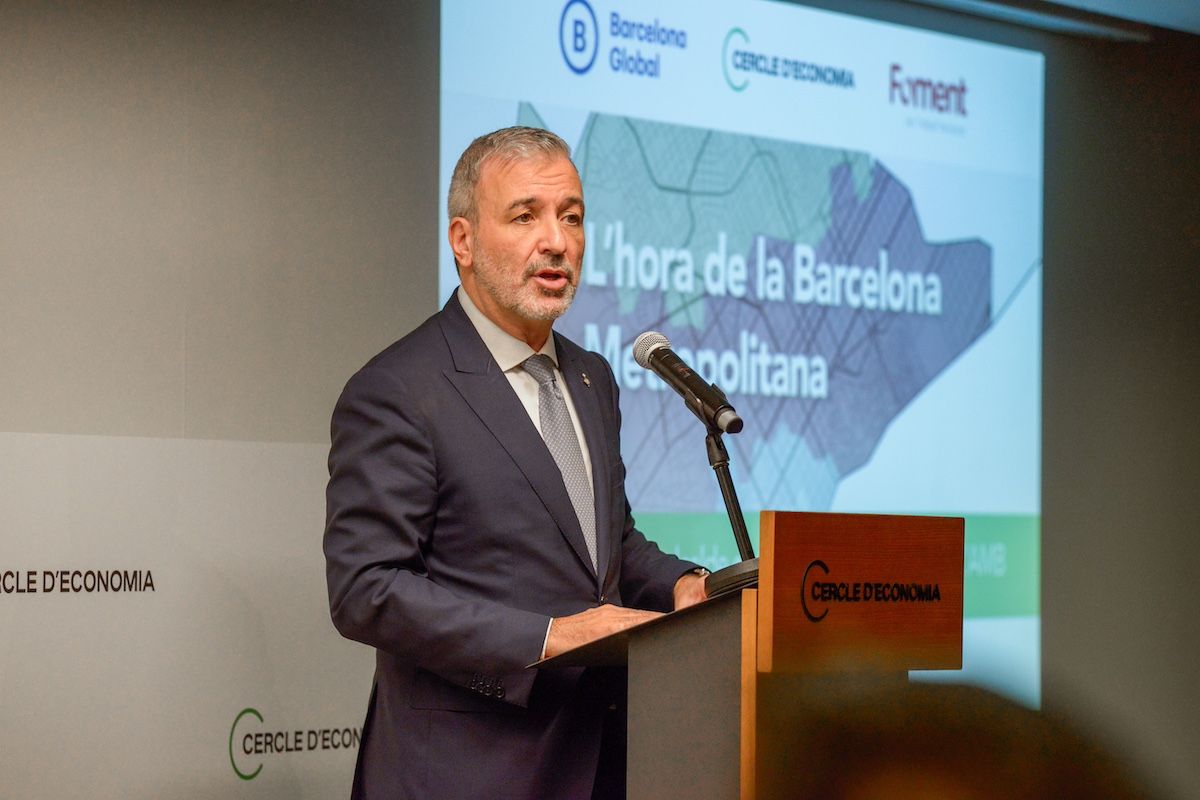
As Collboni recalled, the update of the Metropolitan Urban Master Plan (PDUM), now in the technical phase, will draw this metropolitan future of Barcelona. As the mayor highlighted, this metropolis will not be to the detriment of the rest of Catalunya, but rather represents another expression of the territory: "We are the urban and metropolitan expression of the country, and that is not dichotomous, but quite the opposite." Collboni went further, and set a timeline to advance in this direction: "My wish is that in the next mandate the metropolitan region will crystallize."
"Good work and little noise" for the airport expansion
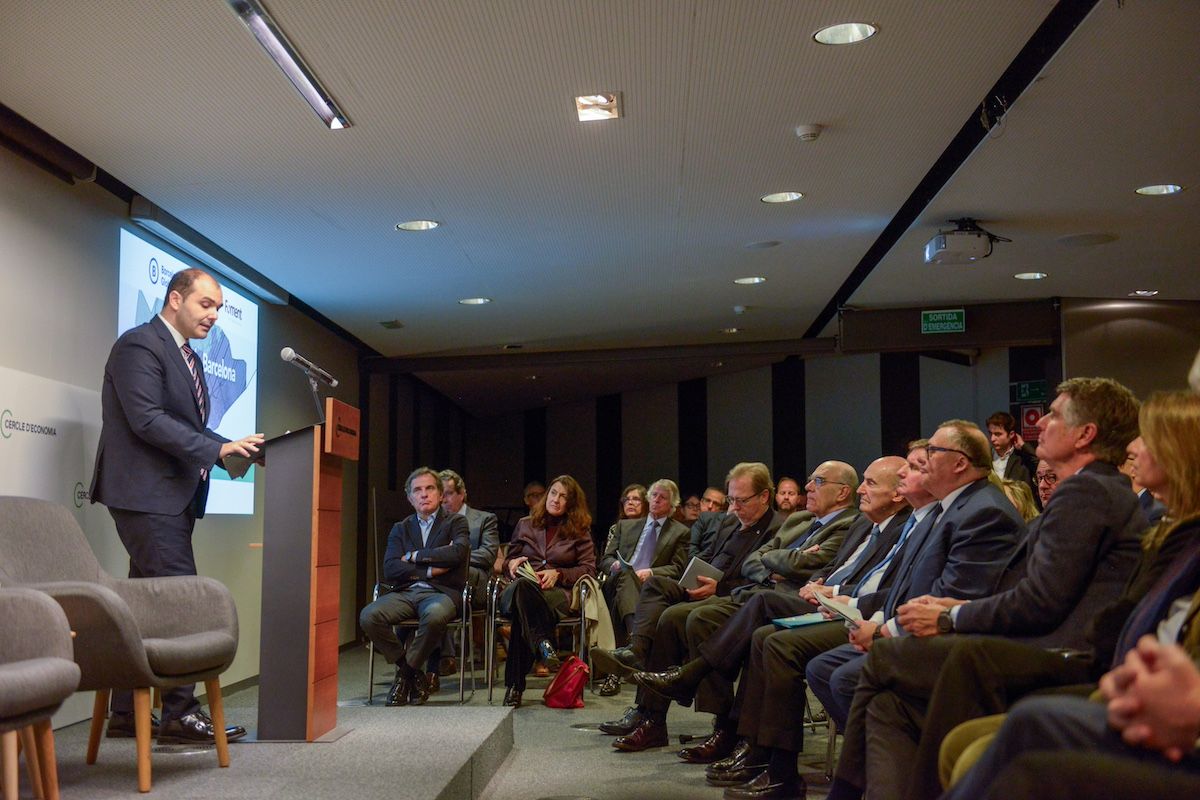
"The metropolitan reality already exists," claimed the Minister of the Presidency, Albert Dalmau, who emphasized that thousands of people travel daily between its municipalities to work or carry out other activities. In this context, he highlighted the importance of mobility, as "public transport reduces physical and mental distances."
In this regard, he has assured that the Generalitat is promoting metropolitan Barcelona through the promotion of public transport, with the advancement of metro line L9 and the extension of Ferrocarrils' L8, among other transport-related projects. Moreover, he has maintained that El Prat Airport also has its role in this metropolis, and has reiterated his commitment to its expansion, on which "good work and little noise" is being done.
The three metropolitan walls
To advance towards this metropolitan Barcelona, walls must be torn down that, "unlike the 19th century, are not physical," stressed the president of the Cercle d'Economia, Jaume Guardiola. Although Barcelona tore down its three walls starting in 1854, now there are three other walls that separate the metropolitan municipalities, according to Guardiola: the "institutional labyrinth"; social and economic inequalities, and the lack of a consolidated metropolitan vision in all areas.
In this sense, the metropolitan governance model is decisive for advancing in one direction or another. "Politics must do two things: govern and manage, and that includes planning the territory," defended Antonio Balmón, mayor of Cornellà de Llobregat and executive vice-president of the Barcelona Metropolitan Area (AMB), in a debate with the mayor of La Garriga and president of the Catalan Association of Municipalities (ACM), former minister Meritxell Budó, and the mayor of Martorell, Xavier Fonollosa.
Given the debate on the limits that this Barcelona region should encompass, Balmón has defended that "the metropolitan area is everything that is an hour and a half by train from the city," eliminating limits between municipalities and regions. Balmón, who from the AMB has promoted projects such as the impulse of a metropolitan technological security system, has opted for weaving pacts in areas such as housing and mobility.
Precisely mobility and housing are two of the challenges facing this metropolitan Barcelona. Balmón has defended counting on the private sector to create more housing, while Fonollosa has defended that municipalities must be counted on, also in the Generalitat's plan to create 50,000 public homes by 2030: "Those who have built more social housing in recent years have been the municipalities, and it cannot be done without them."
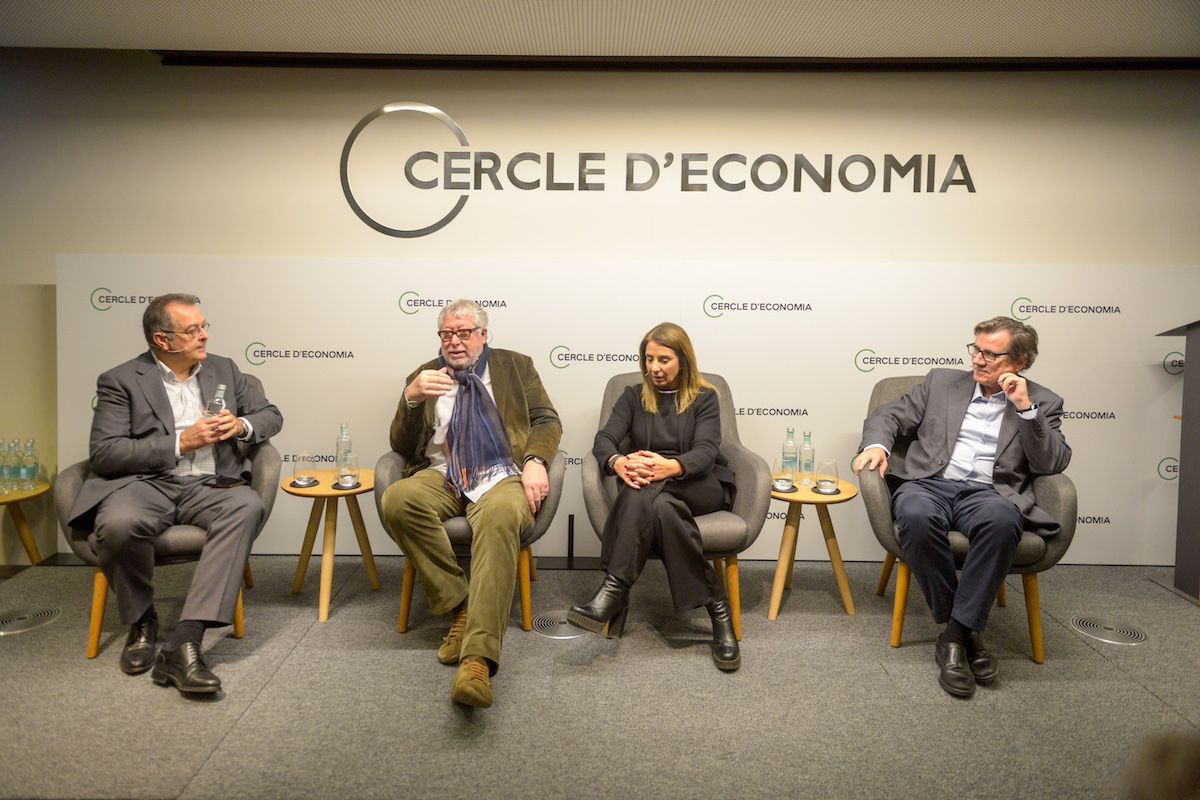
In addition, Fonollosa has asked to promote this housing not only in Barcelona and the metropolitan area, but throughout Catalonia, something Budó has agreed with. "We must cross the metropolitan wall, because the housing problem generates a domino effect: Barcelona expels inhabitants who go to surrounding municipalities, and these expel other inhabitants." Budó believes that prioritizing a metropolitan region of five million in a Catalonia of eight entails the risk of "breaking the territory into two Catalonias that go at different speeds." To avoid this risk, he has advocated for networked work among the various territories, with Barcelona's leadership.
From Barcelona Global, its general director, Mercè Conesa, has remarked that "the housing issue will not be resolved from each city council," and has also advocated for promoting public-private collaboration in this area, and also in key economic projects, such as those linked to health sciences: "It is an absolutely strategic sector that can strengthen the entire metropolitan region."
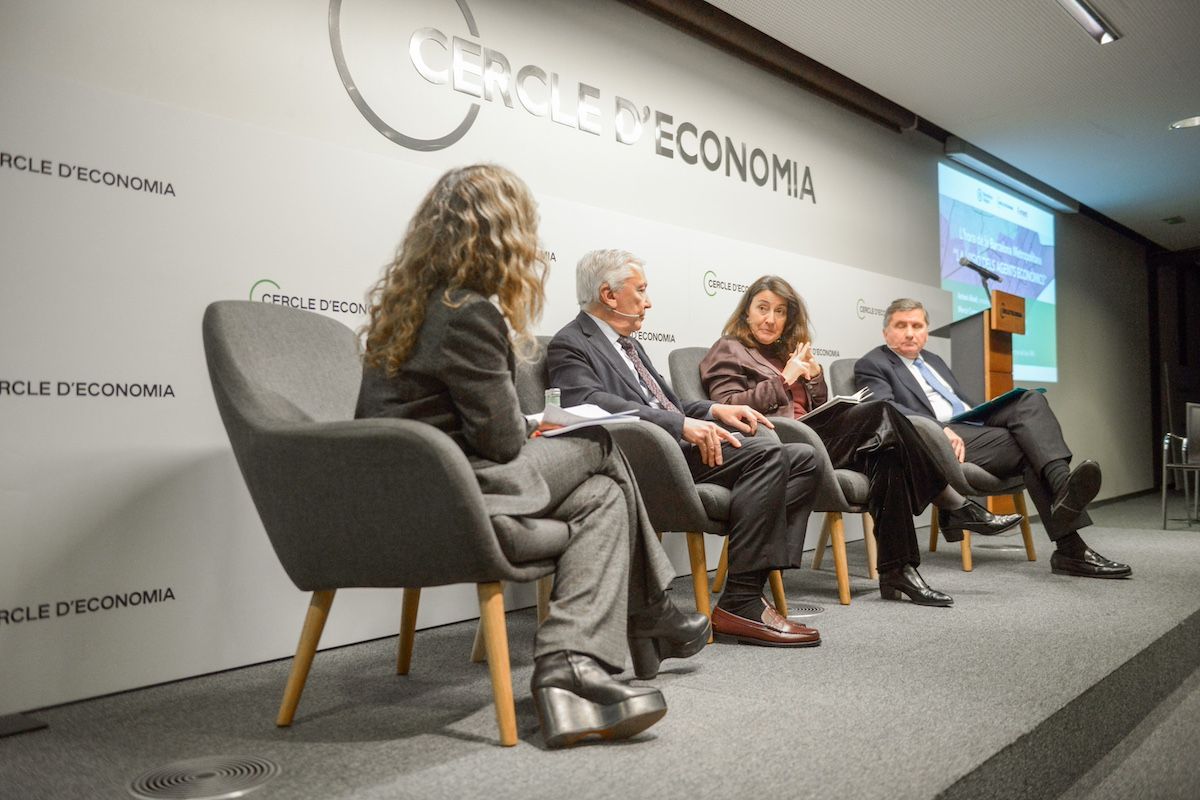
"Public-private collaboration is important, and it must go beyond building housing," said the president of the FemVallès association, Antoni Abad, in a debate with Conesa and the general secretary of Foment del Treball, David Tornos. Abad has defended facing the future from a metropolitan vision that does not confuse equality with equity and that promotes it at a territorial level and, for this, he has advocated for articulating "a new governance".
Along the same lines, the general secretary of Foment del Treball has agreed on the need to "open the current governance model" at a metropolitan scale: "We are at a good time to rethink aspects of governance and also of public-private collaboration, which is in the debate and must be part of the solution to current challenges."
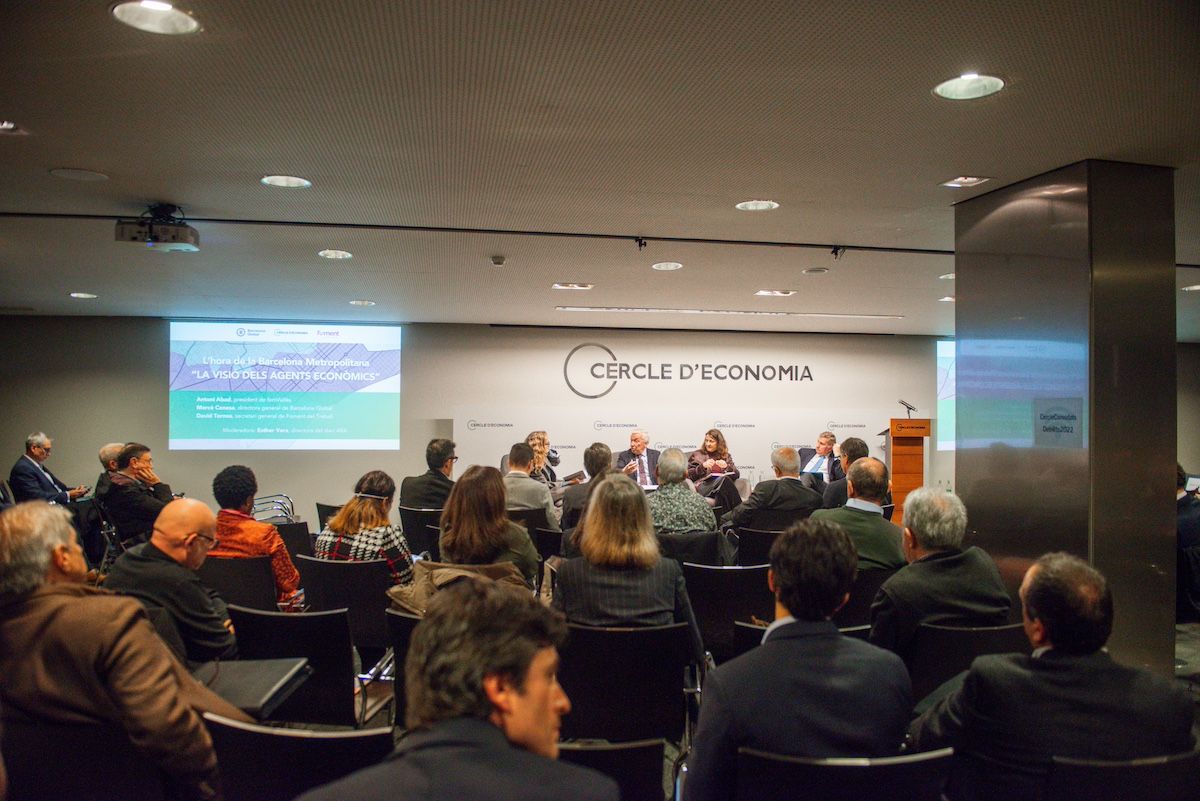
Political parties are also committed to deepening this governance, but not necessarily by creating new bodies and structures, but through the instruments that already exist, especially with the AMB. "We have to work on consolidating what we have," remarked Barcelona's Deputy Mayor for Economy, the socialist Jordi Valls, while from Junts, the mayor of Sant Climent de Llobregat, Isidre Sierra, pointed out that the AMB is a good tool.
For his part, Daniel Sirera (PP) called for an analysis of whether the AMB responds to the needs of citizens, while the republican Jordi Coronas insisted on keeping an eye on all of Catalonia, and Guillermo López (Comuns) demanded equitable investment in the territory and compensation for the differences between the infrastructures and facilities in the Llobregat and Besòs areas. These are diverse perspectives that differ in specific aspects, but which fundamentally assume the same scenario: the advance of a great metropolitan Barcelona.
Add The New Barcelona Post as your preferred Google source for free
Stay informed with the latest news.
