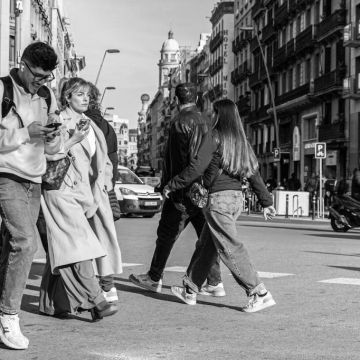
Preserving Barcelona's commerce requires taking care of existing businesses, but also helping them evolve.
After more than 25 years in retail, I still have the habit of noticing shops when I walk around Barcelona. Many times I go in simply out of curiosity, to see what they sell, how they have organized the space or to chat for a while with the owner. It's something I've always liked about this city.
Barcelona has a lot to offer in this regard. From its municipal markets and century-old shops to small specialized stores, family businesses and brands that have just opened their doors. All of them are part of the identity of our neighborhoods and of this commercial life that makes each street have something different.
That's why it worries me that more and more businesses are closing. I know that cities change and that some businesses stop working because they no longer have enough customers. It's something that is also part of commerce. But there are shops that could remain open and end up closing because maintaining the business is becoming increasingly difficult.
When a historic shop closes, we usually regret it. We remember how long it had been open, who founded it or the generations that had passed through it. But many times this concern comes when it's already too late. For years, this same business may have had to face increasingly high rents, changes in consumption habits, competition from large operators or difficulties in maintaining its profitability.
When a historic shop closes, we usually regret it.
To all this are added urban transformations. Barcelona needs to renovate its streets and improve its public spaces, but we should not forget the consequences that prolonged works can have on the establishments in the area. When access becomes complicated for months, customers change their route and find other alternatives. And recovering these habits once the works are finished is not always easy.
I have seen this many times working with merchants. A business can have a good product, offer excellent service and have loyal customers, but if for too long it is inconvenient to get to it, it ends up losing sales. And meanwhile, you have to keep paying the rent, salaries and bills.

But neither can we attribute all the difficulties of small businesses to external factors. Retailers also have to do our part. A store cannot live solely on its history, no matter how many years it has been open. It must know its customers, review its offer, take care of the shopping experience, and understand its numbers.
Sometimes we talk about protecting commerce as if that meant preserving it exactly as it was 30 years ago.
Sometimes we talk about protecting commerce as if that meant preserving it exactly as it was 30 years ago. I think that would be a mistake, because historic establishments that have known how to evolve without losing their personality and new projects that are contributing a lot to our neighborhoods. Barcelona needs both.
The important thing is that we continue to have streets where different ways of shopping coexist, where a small specialized store can find its audience and where opening a business continues to be an attractive option for those who have a good idea.
When I travel to other cities, I always pay attention to their commerce. There are streets you remember for their buildings, but also for the shops you find, the markets you visit, or the establishments where someone serves you in a special way. Barcelona has a lot of that. And I think we should worry about preserving it while we still have time, not just when we see a business close its doors for the last time.
Add The New Barcelona Post as your preferred Google source for free
Stay informed with the latest news.