The Teatre Nacional de Catalunya will host, from November 10 to 15, the third edition of Barcelona Calling, a cycle dedicated to opening spaces for dialogue and resistance through the performing arts of the Middle East. After two initial editions that focused on the wounds and creation in Palestine and Beirut, the festival promoted by the TNC broadens its focus to the entire Middle East.
For six days, the theater will be a space for dialogue and reflection between cultures through 6 theatrical shows, meeting spaces for creators and the public, and musical proposals. The objective is to escape the simplifications and uniform narratives that often reach the West to understand the real complexity through dance, documentary theater, performance, and music. Performing arts understood as tools of resistance, of social transformation and the vehicle to build a collective memory that refuses to be erased.
Art as a refuge
Focusing on creators from the Middle East responds to a clear need: to make room for stories that are difficult to find space in the city's billboards. Through personal memory, the review of historical archives, ironic humor, and musical experimentation, the Barcelona Calling program addresses concepts such as belonging, the weight of borders, exile, the violence of conflict, and the mark that time and tragedy leave on bodies.

To make the program accessible, the TNC has set tickets at 10 euros for all shows, after having sold out the festival packs in a few days. The good public response demonstrates interest in proposals that understand culture as a space for encounter and dialogue.
Oral tradition, myth and drama
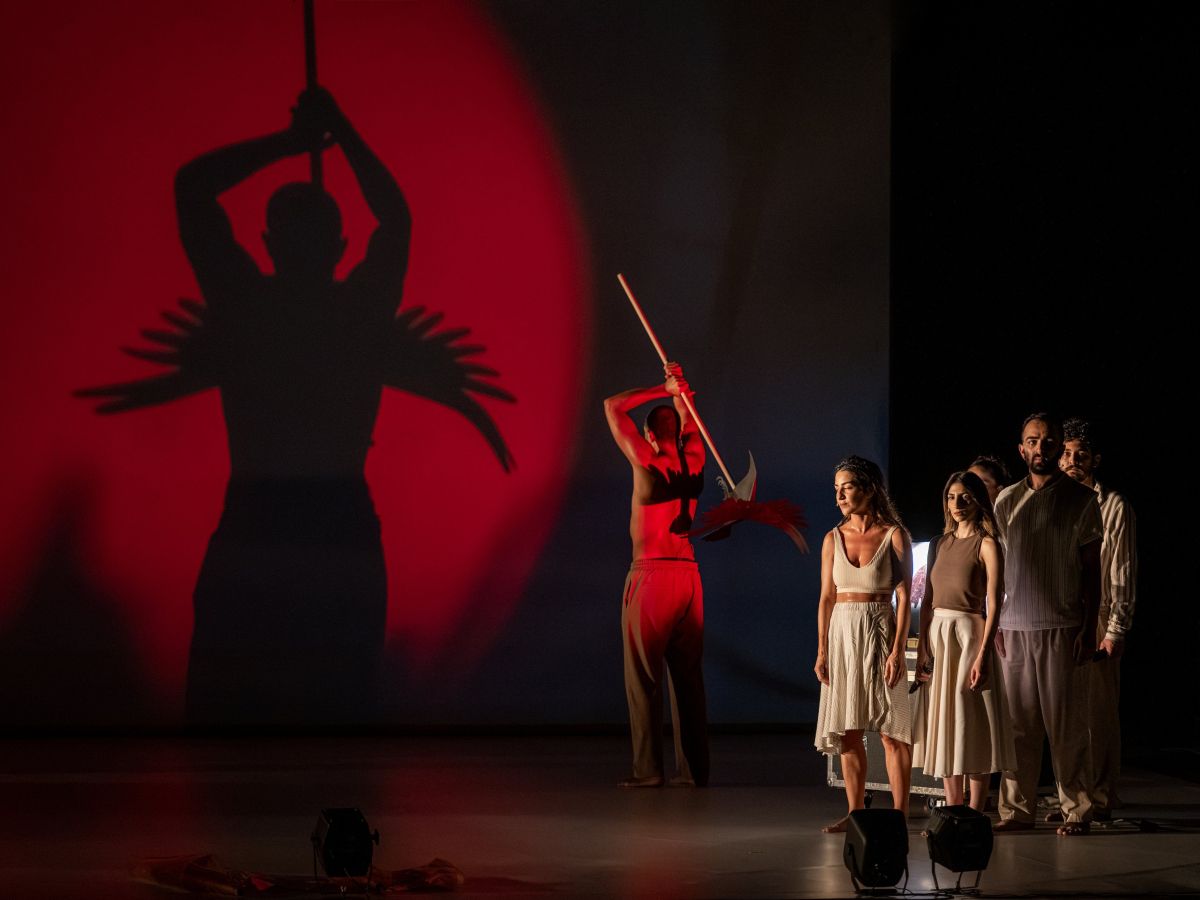
The Barcelona Calling program will begin on Tuesday, November 10 and Wednesday, November 11 in the Sala Petita with Al-Sirah Al-Hilaliyyah, a reinterpretation of the legendary 14th-century Bedouin poem by the Palestinian company Khashabi Theatre. The proposal is directed by Bashar Murkus and Khulood Basel to rescue this oral tradition epic recognized as Intangible Heritage by UNESCO by narrating the saga of Abu Zayd al-Hilali, a hero who went from refugee status to leading his people. The work has a staging that combines shadow theater, puppets, physical theater, and live electronic music.
In parallel, the Sala Tallers will host on the same dates The Child, a production by the Shieveh Theater Company from Iran, directed by Naghmeh Samini and Afsaneh Mahian. In this proposal, the multi-award-winning Iranian actress Fatemeh Motamed-Arya takes on the challenge of playing three women detained at a border control who have fled Iraq, Afghanistan, and Libya. Accompanied by a baby of uncertain mother, the piece raises questions about whether it is possible to escape the destiny marked by the place of birth and whether nationality can become a guillotine for individuals.
Historical memory, absence and silence
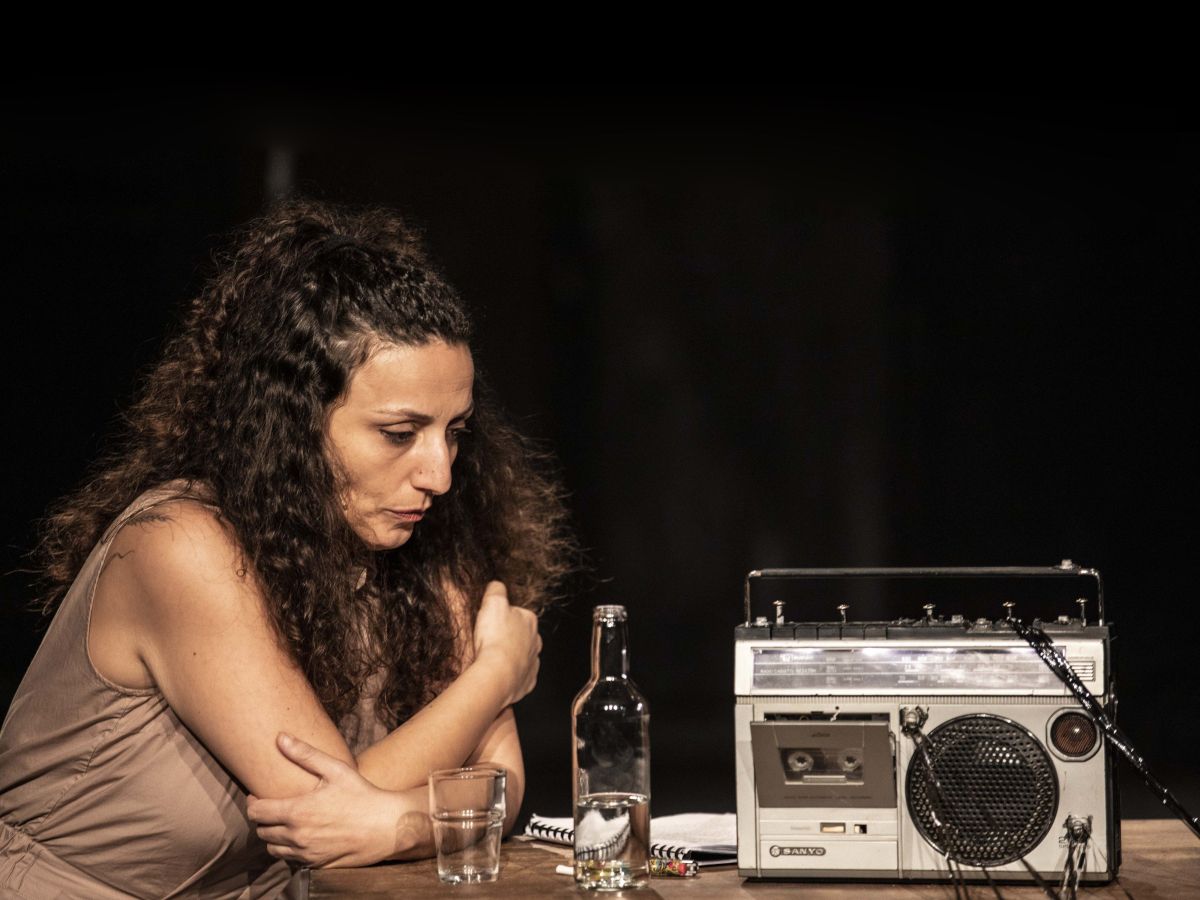
On Thursday, November 12 and Friday, November 13, the management of memory will be the protagonist in the Sala Tallers with Record, a creation by Lebanese artists Chrystèle Khodr and Nadim Deaibes. The proposal is built on the real testimony of Eva Ståhl, a Swedish nurse who survived the massacre of the Palestinian refugee camp of Tel al-Zaatar in 1976 during the Lebanese Civil War.
For its part, on Friday, November 13 and Saturday, November 14, the Sala Petita will host Three Verses of Solitude, a piece directed by Lebanese creator Maya Zbib, co-founder of the collective Zoukak, and Australian choreographer Lee Serle, which features music by Ben Frost, a key figure in experimental electronics. The proposal is inspired by the stillness and monumentality of the Rothko Chapel in Houston and invites the viewer to inhabit solitude and loneliness, understanding silence as a space for imagination and inner renewal.
The resistance of the female body and collective celebration
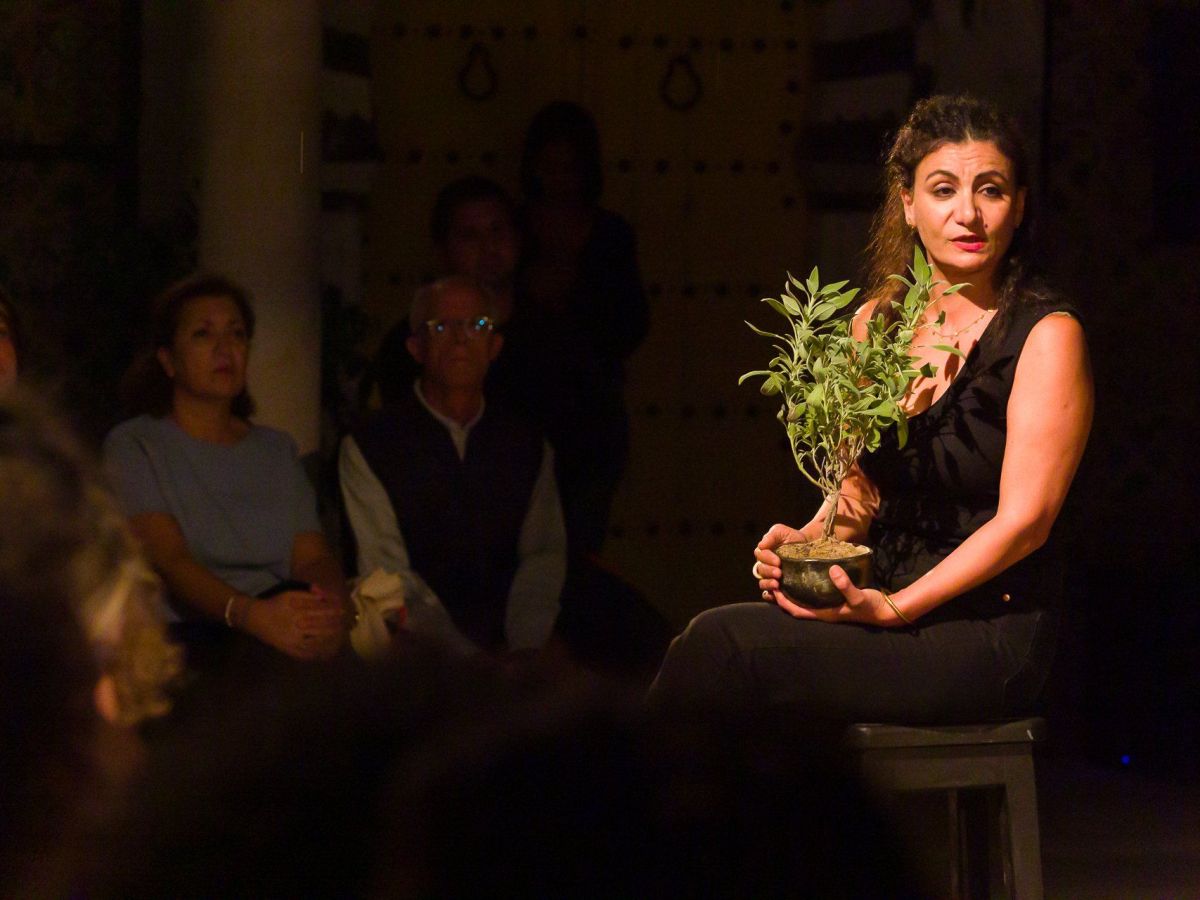
The closing of the Barcelona Calling program will take place on Saturday, November 14 and Sunday, November 15 in the Sala Tallers with Dressing Room, a project by Palestinian-Syrian artist and set designer Bissane Al Charif. French-Syrian actress and singer Hala Omran transforms the stage into a hybrid space between a laboratory and a circle of intimate confidences to talk, with humor, live songs and self-irony, about the arrival of menopause, the mutations of the female body and the scars that political crises and war contexts leave on women's lives.
In addition to the theatrical performances, on Thursday, November 12 the cycle will open its doors for free for a meeting between artists and citizens. In the Sala Tallers, The Meeting will be held, a space to discuss the role of culture in contexts of vulnerability. Afterwards, the TNC lobby will host a musical session by Amazigh DJ Yasmina Karrum, who will offer a session where she mixes her North African roots with contemporary electronics.
The Barcelona Calling 2026 will offer us a week to discover new perspectives, question ourselves and see how, in the darkest moments, theater is a space of freedom and dialogue between cultures.
Add The New Barcelona Post as your preferred Google source for free
Stay informed with the latest news.