
From software to hardware; from application to device. The Barcelona startup Balance Phone has launched a mobile phone in pre-sale conceived precisely to discourage its use, with the aim of preventing addictions and reducing screen time. How? With an operating system that, just like its app, automatically blocks potentially addictive applications and websites, such as social media, gaming platforms, betting, streaming, and pornography. However, they go beyond the phones prior to smartphones —now known as dumbphones—, as it does allow apps such as messaging, digital banking, GPS, and music. All of this with a deliberately unattractive interface, marked by monochromatic minimalism.
"Everything is designed to avoid getting hooked. We have simplified the interface and made it as unattractive as possible; it's a black and white list with available applications and a search engine," details Albert Beltran alongside Carlos Fontclara. Both 24-year-old Barcelonans and childhood friends have designed a mobile phone with a rear and front camera and small dimensions, about 14 centimeters by 6.5, "to give it less prominence" and to align it with the message of encouraging reduced phone use.
The software of the new mobile, which is pre-installed on the device irreversibly, is the same as the application that Balance Phone launched in March for 30 euros for the annual subscription. The app, which transforms the mobile's interface and blocks the same applications as the device, has accumulated more than 10,000 downloads in six months, with 3,000 active users. "The reception of the app was very good, and that validated our idea," which aimed from the beginning to go beyond the application and launch the phone.
This was their goal since they embarked on this project in 2023, stemming from their own experience with technology and the desire to reduce their smartphone screen time. "Looking for options and applications, I realized that many people were looking for the same thing without finding it," recalls Fontclara, an industrial engineer. With Beltran, a graduate in Business Administration, they designed the product they wanted for themselves and that they sensed many others were looking for. The person in charge of programming it was software engineer Joel Ruiz, who eventually joined the project.
Beltran and Fontclara developed the application with 30,000 euros of their own resources, to which they added 100,000 with an investment round with various Barcelona-based business angels, with the launch of the device as a goal. With these resources, they plan to validate whether the new mobile has demand and a place in the market. "We aim to sell a thousand mobiles at 300 euros in the pre-sale campaign for the project to go ahead," explains Fontclara. "If we invoice 300,000 euros, we will raise a new investment round at the end of the year," to start the production of the phones with the provider they have chosen, which operates in China, and their subsequent sale, mainly online.
The goal is more than achievable: there are already nearly 20,000 people on the waiting list. And those interested go beyond the initial target: it includes not only digital minimalists who seek a conscious and responsible use of technology, but also minors who are getting their first mobile phone.
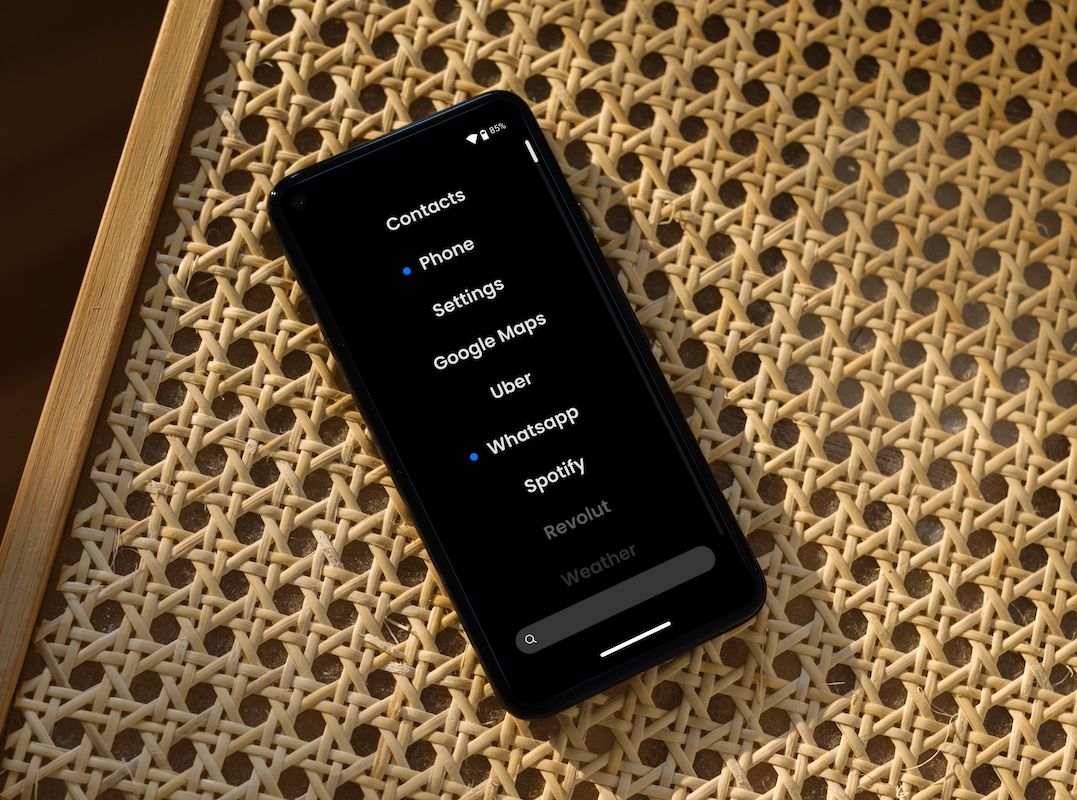
"Our solution fits what parents of children who would benefit from a device are looking for, but who want to ensure they use it in a safe environment," says Fontclara. And it is that other parental control tools require, among other things, that adults know what to block, in a sea of new applications and websites that they may not know. "Our software identifies an app and, if it falls into any of the categories we consider addictive, it blocks it automatically," emphasizes Beltran. Neither social networks, nor games, nor betting, nor the pornography that worries parents and schools so much.
Both for those who are venturing into their own mobile technology for the first time and for those who choose to change their way of relating to smartphones, the company aims to offer the user more control over technology and reduce the risk of dependence. "The metric that generates the most pride for us is that of recovered time, and that is that the mobile usage time of app users is three hours less than that of society as a whole: we go from four hours a day to about one hour," highlights Beltran: "And that's what we sell: three hours a day and non-dependence, and not the mobile."
Add The New Barcelona Post as your preferred Google source for free
Stay informed with the latest news.
