
Sleeping between 10 and 15 minutes after eating is, according to Antoni Esteve, "an intelligent way to allow our brain to do a reset and prepare us for nocturnal rest." And he gave as an example the most cutting-edge, technological companies, which have provided adequate spaces for their workers to rest those 10 or 15 minutes after lunch. However, Luis de Lecea pointed out that the nap does not work for everyone.
What both sleep specialists do agree on is that one of the great obstacles to achieving enough hours of rest, quality sleep, is stress. In the words of Luis de Lecea, "stress is the greatest enemy of good sleep. Therefore, the way to manage stress is fundamental. From a biological point of view, an animal stressed by the threat of a predator activates in flight mode, as a defense mechanism. And our brain functions the same way when faced with problems that stress us."Cognitive behavioral therapy for sleep, personalized, focusing on each person's problems and threats to sleep integrity, tries to correct it with various cognitive methods, making the patient aware of their problems.
Sleeping to prevent diseases The consequences of not sleeping well are many, "a long list," points out Luis de Lecea, who, just as an example, mentions that at a neuronal level, metabolic errors accumulate in DNA, while sleeping well helps to repair them. During sleep, furthermore, a very important immunological balance is restored, and, instead, chronic inflammation can occur due to lack of sleep. In short, that third of our lives in which we sleep affects all our physiological activity.
Antoni Esteve: "sleeping 8 hours guarantees being able to lead an orderly life for the remaining 16 hours"
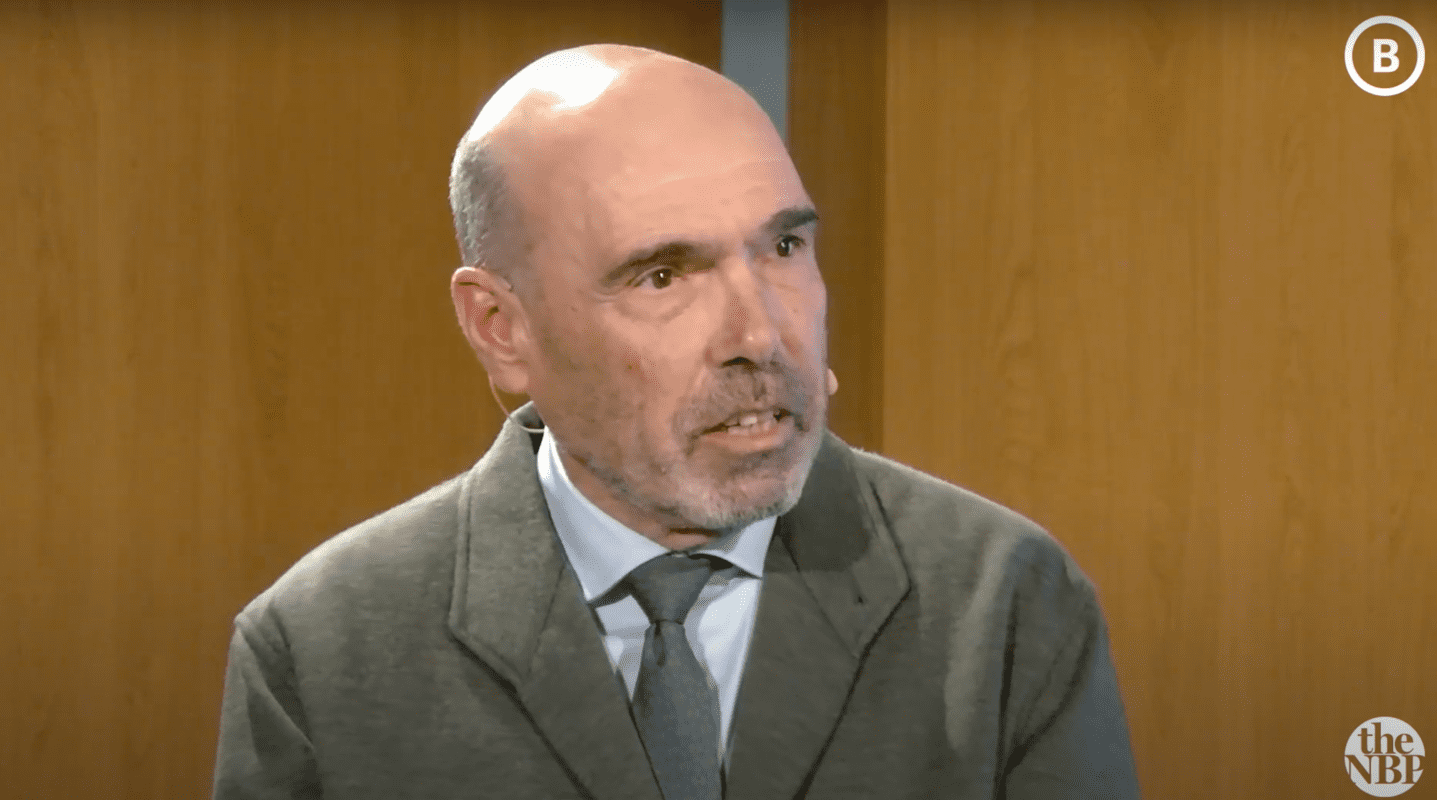
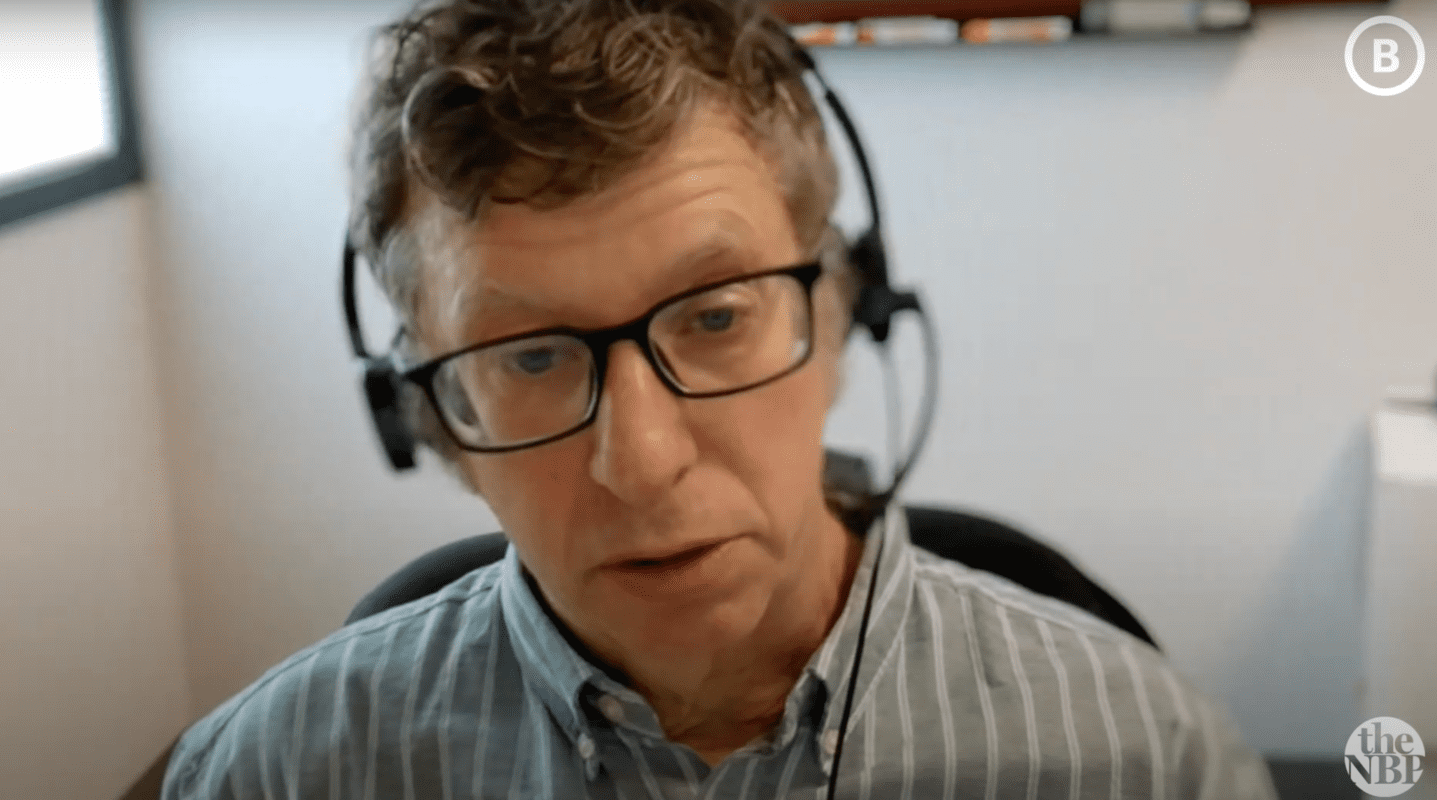
All these arguments were part of the second session of the Barcelona Global Duets cycle, organized by Barcelona Global and which this year has the collaboration of The New Barcelona Post. They are a series of dialogues that aim to confront the views of two global Barcelonians, one residing in Barcelona and the other living and working abroad. On this occasion, Antoni Esteve, president and founder of AdSalutem Institute for Healthy Sleep, president of the Institut Guttmann and full member of the Royal Academies of Medicine and Pharmacy, and Luis de Lecea, professor of the Department of Psychiatry and Behavioral Sciences at Stanford University, starred in the debate Sleep and healthy aging held this Monday, March 13, and moderated by fellow Barcelona Global partner, Bibiana Ballbè, founder of the creative agency TheCreativeAgency. The session could be followed live by streaming and now you also have it available in this same article or on the Barcelona Global YouTube channel.
And, taking advantage of the dual California-Barcelona perspective, the question was also raised whether there are differences regarding the best or worst habits to accompany good sleep in the United States and in Spain. And, although no comparative studies are known, "what is true is that publicly, in the United States it is more common to talk about the importance of sleep, even at a cultural level it is something that here we still have a long way to go. The research that Luis does, is not done here. In the United States, large sleep research studies receive significant funding, something that here is only an aspiration," declared Antoni Esteve.
Both Esteve and De Lecea consider that a good promotion of restorative sleep, as a pillar of our health, should begin during people's educational process, "not in universities, but in schools, that it be allowed to incorporate it into primary education," they specified. "In stages such as childhood and adolescence, moreover, which are essential periods for the formation of neural circuits, sleeping well is fundamental for having a healthy brain in adulthood," they indicated.
A healthy brain in adulthood, and also better aging, are the direct benefits of quality sleep, according to specialists. "It's pure science" ---they assured--- "living more years and in better conditions depends, to a large extent, on taking care of our sleep. If we manage to restore sleep, cognitive and cardiovascular quality and many other factors improve. On the other hand, when we suffer from stress and get older, the body adapts worse to the threats of a threatening event (predator), the brain is less willing to these types of situations because it has fewer resources, responds worse and damage accumulates in it," Luis de Lecea pointed out.Luis de Lecea: "living more years and in better conditions depends, to a large extent, on taking care of our sleep"
If we sleep worse, the prevalence of problems is higher, but that is something that can be reversed, as Antoni Esteve pointed out, sleep is a modifiable factor. The scientist lamented the time society has lost by not paying attention when there is a sleep problem to try to recover healthy sleep. He also misses, even among healthcare professionals, the lack of knowledge even when the problem persists. "We have no other choice but to prescribe medications as a solution. They are extremely effective medicines with hardly any adverse effects, but their continued use can lead to serious health problems." Yes, he admitted that lack of sleep is not addressed medically well enough.
It is not strange, however, that lack of information, since De Lecea also referred to the "very little attention paid to explaining sleep to medical students, both regarding the basic mechanisms of sleeping and the therapies that promote it."
However, research continues to point towards healthier aging, and sleep plays a leading role in this, not only to prevent diseases but also as a predictor. Sleep disorders are already beginning to appear in studies as predictors of neurodegenerative diseases, as they recorded in the session ofBarcelona Global Duets. The experts put an end to it by inviting to consult and applythe decalogue of sleep hygiene, which includes habits such as always maintaining the same bedtime, minimizing the consumption of substances that stimulate the nervous system, and ensuring optimal conditions in the bedroom—light, temperature, and silence.Add The New Barcelona Post as your preferred Google source for free
Stay informed with the latest news.
