
An operatic performance demonstrates its success when, the day after the evening, the spectator finds themselves navigating like a junkie on Spotify while reviewing the highlights of the previous night in their favorite voices and also when one engages in heated discussions in the respective group of opera fanatics via Whatsapp (mine is called "Così saremo amici") about whether the soprano who garnered the most ovations is a Puccini singer as God intended or a simple intensita hen. This has happened this week with a Liceu Trittico that, plainly and simply, is a first-world production with a spectacular cast. One must congratulate the general and artistic direction of the theater for having pulled out all the stops in what is always worthwhile when we talk about opera – namely, the voices! – in performances that have a strong chance of becoming the undisputed success of the current season.
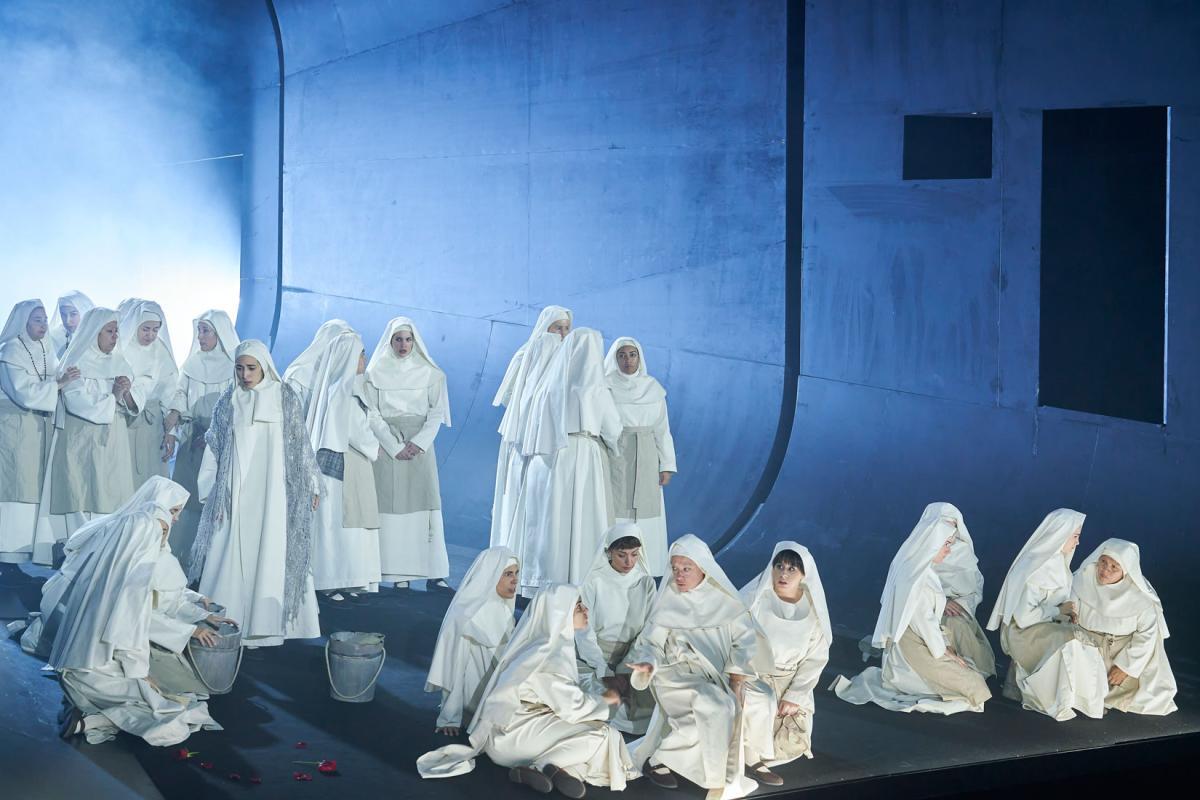
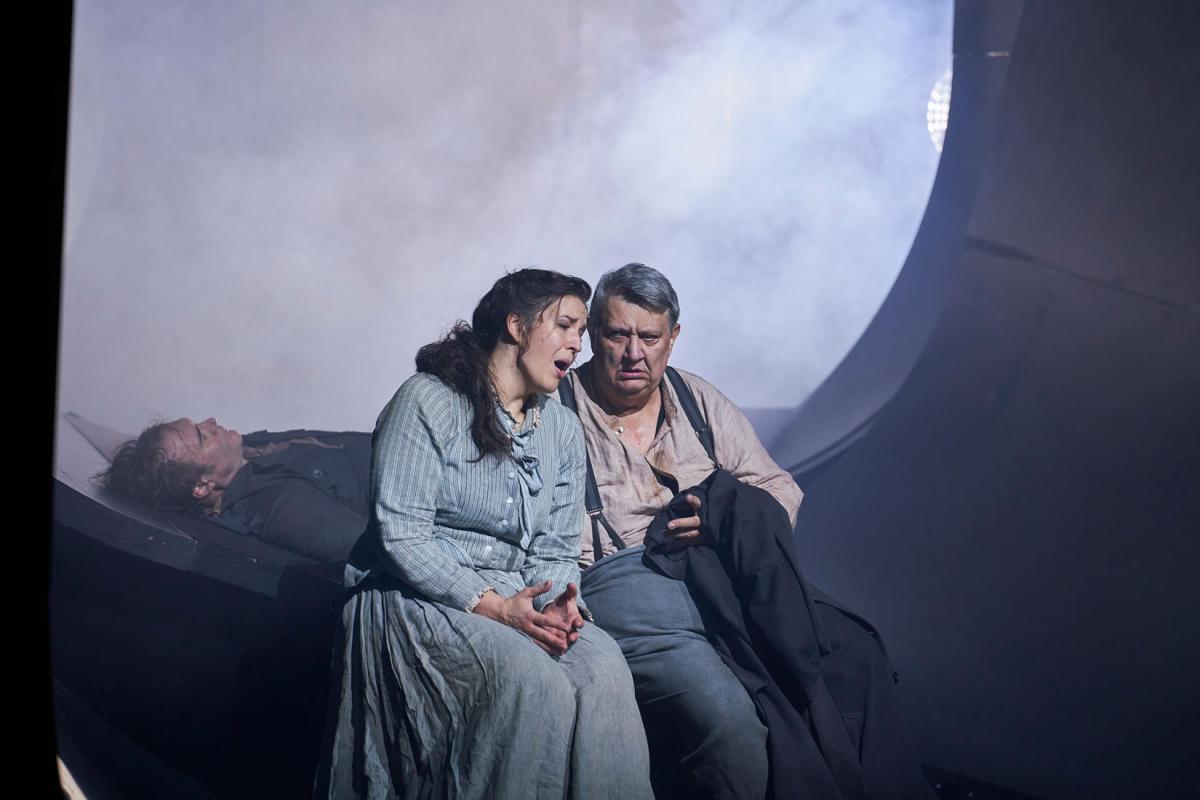
My colleagues in sectoral criticism have already sung the praises of this troupe of singers, highlighting above all an animal named Lise Davidsen to whom Almighty God embedded a loudspeaker in her throat at birth ( Valentí, Víctor, run to close Ariadnes and Isoldes with this beast, this bird has the numbers to be a new Nilsson!), the pure genetics of Ambrogio Maestri pulling off a textbook Schicchi (and disguising the hairier aspects of the Tabarro) and the vocal exquisiteness of Ermonela Jaho (I insist to my Whatsapp friends; this lady is a great artist, but she is not suitable for singing Puccini). Pay attention and listen to the secondary roles, because this Trittico has also certified that Mercedes Gancedo and Pau Armengol always deliver. And watch out for the tenor Iván Ayón-Rivas; a luminous and silvery voice like few others.
All this is very well and blah blah blah, but, contravening the opinion of tribal columnism, I would say that the most transcendent news of this Trittico was in the pit with Susanna Mälkki. The excellent interpretation that the Finnish maestro gave us may surprise the reader, if one remembers that Mälkki was interpreting opera for the first time and also that her training has been basically focused on music of the 20th and 21st centuries. But that doesn't matter, because if a musician turns out to be an integral artist – as is the case – she can face anything and this lady did it without breaking a sweat. The usual nitpickers will point out that Tabarro lacked Puccinian grunginess and that the strings could have given us much more raw meat. True, but anyone with a minimally tuned eardrum will know that the final transitions in Suor Angelica and the concertantes of Schicchi were brilliantly guided.
It must be said openly: I had not heard the Liceu orchestra sound so beautiful and square with such discipline for a long time. I have written and insist that our public theater should have a resident conductor expert in the Italian repertoire (like the recent Riccardo Frizza) or a proven Germanophile (we would have to look for a young Weigle, to understand each other). But if the Liceu has it quite rough to hire a top-tier resident conductor, it can feint the prestige of the world's most traditional (and budgeted) theaters to devise a different residency. First, for the transcendent fact of being one of the first theaters in the world commanded by a woman and, in turn, for doing so with a conductor who has demonstrated excellence in a traditional score and who could shine leading the pending task of consecrating modern and living operatic repertoire.
It must be said openly: I had not heard the Liceu orchestra sound so beautiful and square with such discipline for a long timeThe Auditori de Barcelona has already led Europe's public facilities in the task of hiring conductors in a practically equal way, with results that, I am sure, will leave a long-term mark. Mälkki has already assumed important positions (first in Helsinki and then as Principal Guest Conductor of Los Angeles), at 53 years old, is at the acme of his career and, from what I heard the other day, he can infect the teachers of the Liceu with the two guiding forces that a director must possess: authority and enthusiasm. What do you say, comrades? Wouldn't it be time to hire a new director at the Liceu?
Add The New Barcelona Post as your preferred Google source for free
Stay informed with the latest news.