When Fernando Belasteguín decided to retire, he did not stop competing. He simply changed the playing field. After thirty years as a professional player and after holding the world No. 1 ranking in padel for 16 years and eight months, the Argentine player has made Barcelona the base from which to build a second legacy: that of an entrepreneur. Belasteguín has replaced the search for the next title with building a business based in Barcelona but with global ambition, although he maintains many of the principles that marked his sports career intact: discipline, adaptability, and an approach to success that never forgot its origins.
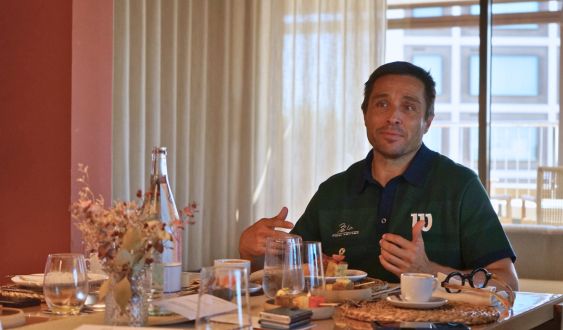
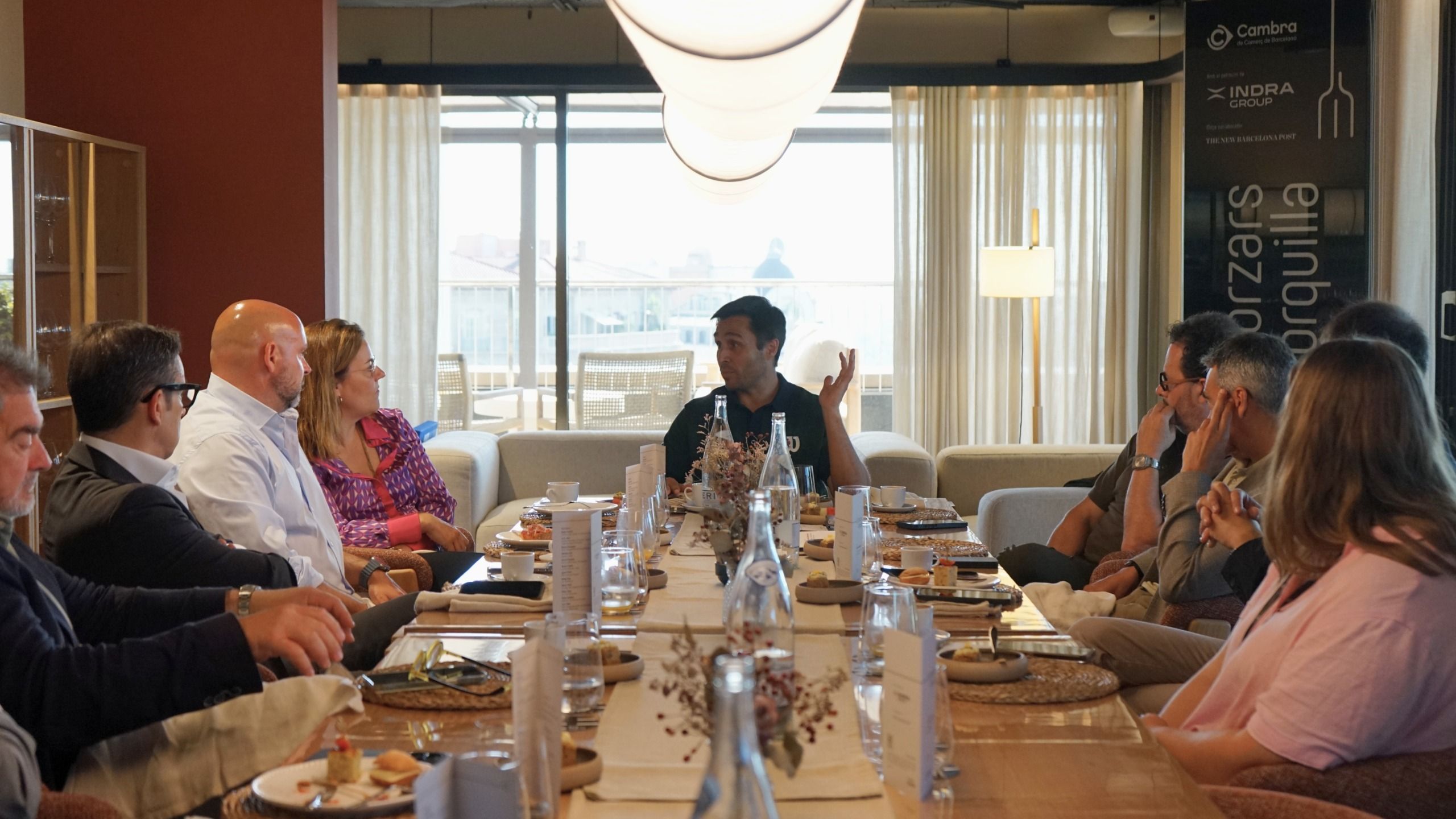
These are the principles Belasteguín has shared in a new session of Esmorzars de Forquilla, the breakfast talks organized by the Cambra de Comerç de Barcelona, sponsored by Indra and with The New Barcelona Post as media partner. More than a conversation about victories, defeats, and trophies, the Argentine shared his way of understanding a sports career built over three decades and the lessons he now applies at the helm of his business ventures, with Barcelona as his operations center.
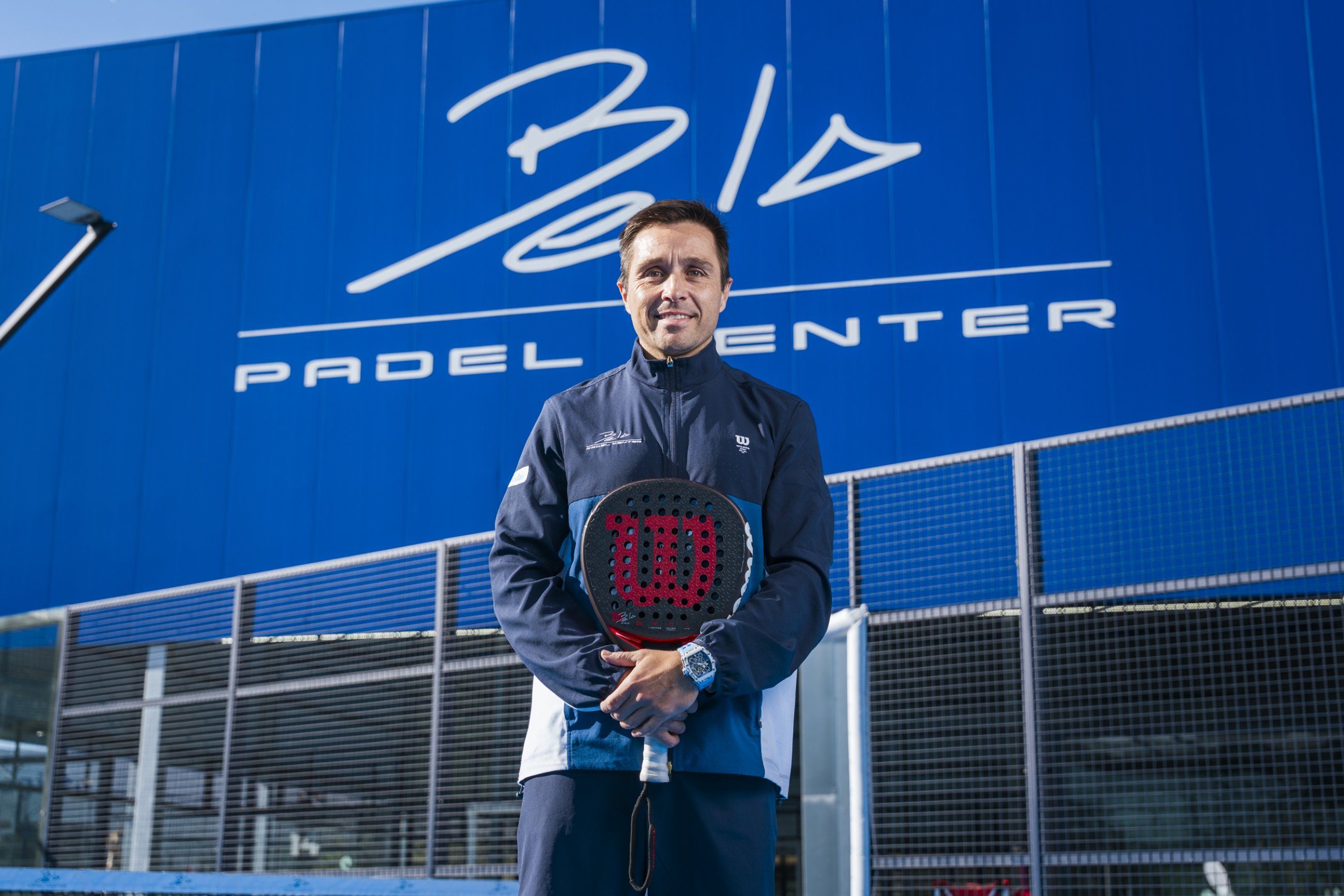
Although he always recalls his origins in Pehuajó, a small town in the province of Buenos Aires, Barcelona has been the city where he has built his professional career and his new chapter as an entrepreneur. And it is also here where he opened Bela Padel Center Barcelona, the largest padel club in the city, with twenty padel courts. "I was offered plots of land in different parts of Catalonia, but I was always clear that I wanted Barcelona to be the epicentre of my project. Three things came together here: a sport that was booming, the personal brand I had built throughout my career, and the Barcelona brand itself. It was a winning combination," Belasteguín said.
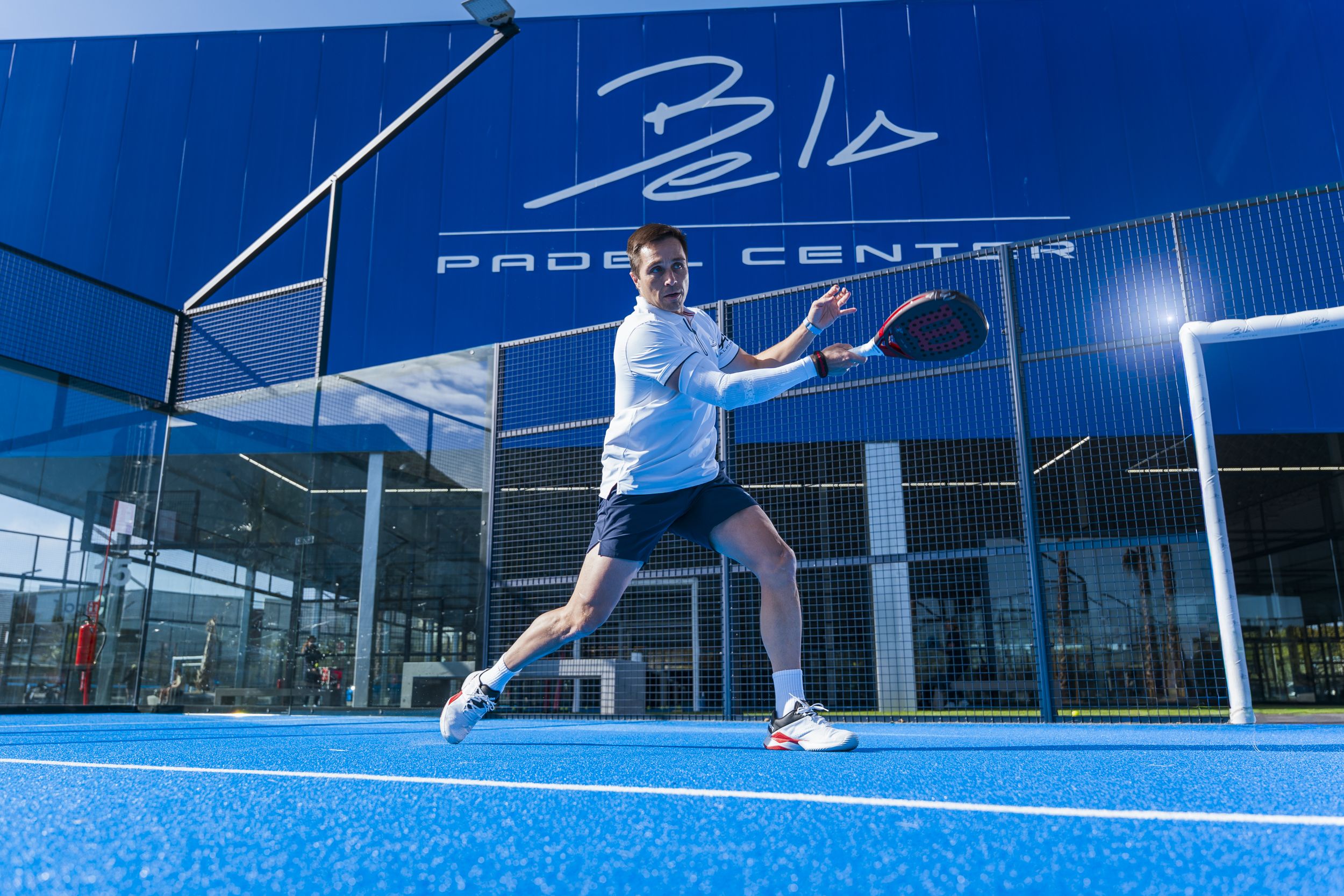
The project, however, did not begin in Barcelona. The first Bela Padel Center, actually, opened in Alicante at the end of 2020, in the midst of the pandemic, as a testing ground to validate the concept and methodology. But Belasteguín always knew that the real leap had to be made in the Catalan capital. After three years searching for the right location, he found in the Zona Franca the place from which to drive the international expansion of Bela Padel Center. The club, opened in September 2025, has become the largest padel complex in the Catalan capital, with twenty courts —9 indoor and 11 outdoor— and the Casa Bela restaurant, by chef Jordi Coloma.
But the growth of this project cannot be explained without the method that has shaped Belasteguín's entire career. More than offering a recipe for success, Belasteguín looked back on key moments of his sports career, with some principles that continue to shape his leadership today.
1. Success begins by not forgetting your origins
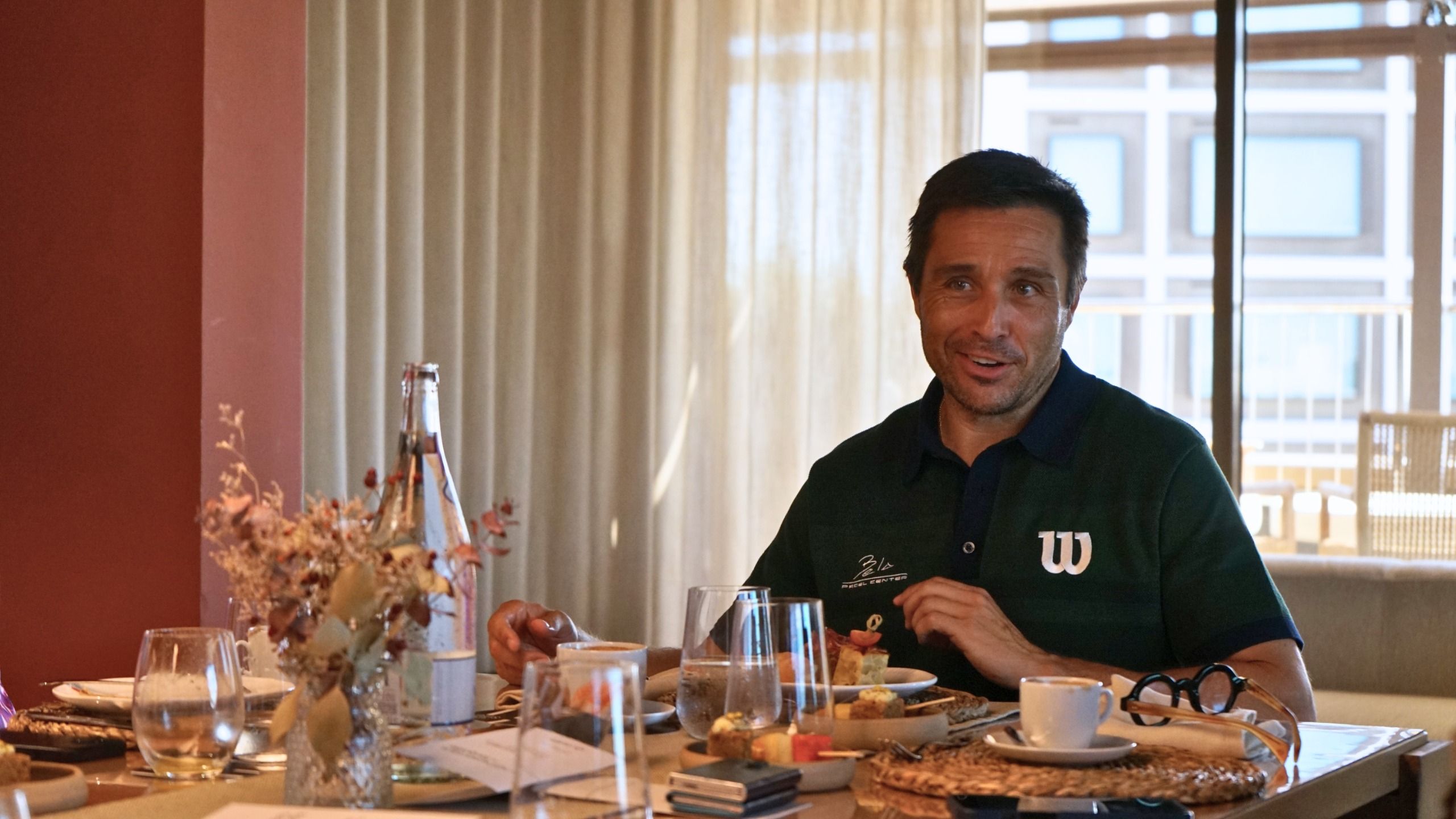
The more than two hundred titles he has accumulated barely appear during his intervention in the Esmorzar de Forquilla. Nor does he keep them at home. Belasteguín has explained that, over the years, he has been giving away all his trophies to the point that, "if someone enters my house today, they would hardly be able to say if I worked as a banker or as a padel player." He also always wanted his children to grow up without the burden of living in a champion's house and not discover the scale of his achievements until they were older.
Instead of dwelling on trophies, Belasteguín prefers to spend much of his time talking about the people who made his career possible. He remembers the friends with whom he started playing football and, later, padel when they built the first court in Pehuajó; the coach who convinced his parents that he had the potential to go far; the bus driver's assistant who gave him his seat so he could study during trips to Buenos Aires, and his parents who, despite not having the resources to afford the Argentine circuit, did everything possible for him to continue competing. "I would leave school on Friday at one in the afternoon, travel nine hours by bus to Buenos Aires, train all weekend and return on Sunday night to arrive at class on Monday. My parents made one thing clear: if my grades suffered, I couldn't continue playing," he recalled.
"The first thing you have to do when you compete in a doubles sport is put your ego aside and learn to adapt to your partner. Padel is often misunderstood as an individual sport played in pairs"
Although Barcelona has been his home for almost twenty years—and the place where he built much of both his sporting career and his business life—his story constantly returns to Pehuajó, the town where he grew up. That connection to his roots explains why one of the next Bela Padel Centers will open in Argentina in 2027. Another is scheduled to open in Andorra the same year, adding to an international network that already includes Egypt and Turkey.
2. The team before the ego
But when reviewing his professional career, Belasteguín also focuses on his court partners, from those with whom he took his first steps in Pehuajó to Juan Martín Díaz, with whom he shared thirteen years at the top of the world ranking. "The first thing you have to do when you compete in a doubles sport is put your ego aside and learn to adapt to your partner. Padel is often misunderstood as an individual sport played in pairs. And that's not true: it's a team sport," he argued.
"For thirty years I barely enjoyed victories. I would win a tournament and on Sunday, on the plane back home, I would write down everything I had done wrong to train it on Monday"
That same way of understanding sport is what he now applies to his business ventures. Belasteguín argues the importance of surrounding with people who complement one's abilities and also putting your ego aside to build teams. However, there is one requirement he is not willing to negotiate: honesty. "You can have more or less ability; that is learned. But for me, honesty is non-negotiable".
3. Discipline, obsession, and method
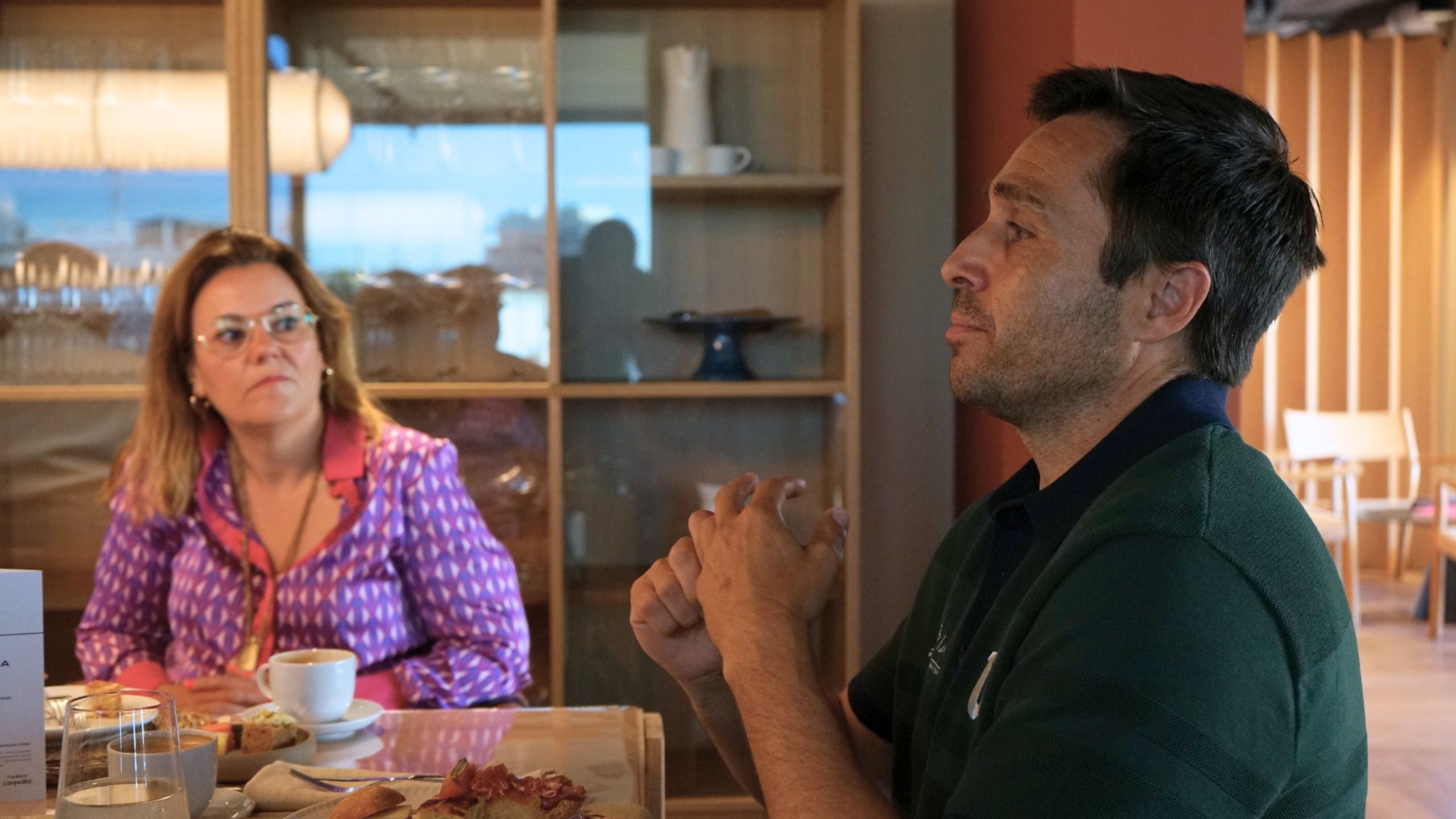
In addition to surrounding himself with a good team, Belasteguín acknowledges that if anything has allowed xhim to stay in the elite for thirty years, it has been a constant obsession with improving. "For thirty years I barely enjoyed victories. I would win a tournament and on Sunday, on the plane back, I would write down everything I had done wrong to train it on Monday," he confessed.
This meticulous and almost obsessive method has not disappeared in his chapter as an entrepreneur either. Belasteguín is behind the international expansion of Bela Padel Center, the development of the Bela line of rackets and sports equipment with Wilson, the new turf for padel courts that he has promoted with Realturf and Padel Galis to reduce injuries, and managing the Miami Premier Padel P1 tournament. "I never stop thinking of new ideas and innovating. If I was obsessive in my profession, outside of sport I am exactly the same," he said. A philosophy that he has even wanted to carry over into his product line with Wilson, as all the rackets in the collection highlight the same motto, "A Belasteguín never gives up."
4. Success is also built off the court
Beyond his business ventures, Belasteguín also advises elite athletes, including a young Formula 1 driver. His role, however, is not to teach them how to compete, but to help them build everything that underpins performance: habits —from recovery and nutrition to mental preparation—, discipline, and the ability to handle pressure as they take their first steps in professional sport. For Belasteguín, much of success is built long before competition begins.
5. Knowing how to reinvent yourself before it becomes necessary
But the long list of projects Belasteguín is now leading did not begin when he decided to hang up his racket. On the contrary, the Argentine had spent years preparing for the next chapter of his career and knew where he wanted to take it once his time as a professional player came to an end.
That ability to anticipate change has also shaped some of the most important episodes of his sporting career. The first came in 2014, when he ended his historic partnership with Juan Martín Díaz. Convinced that padel was evolving, he decided to switch partners in order to remain competitive at the highest level —a decision that allowed him to stay at the top of the rankings for several more seasons.
The second came almost a decade later. In 2023, at the age of 44, he chose to retire in the Catalan capital before the sport forced him to. "I always wanted to train more and demand more from my body. Then one day I was told that, at my age, I had to train less. That was when I realised it was time to retire," he recalled.
The decision allowed him to close one chapter at the right time and begin another that he had been preparing for years. Because, for Belasteguín, success has always been about preparing for the next match —even if, this time, it is played off the court.
Add The New Barcelona Post as your preferred Google source for free
Stay informed with the latest news.