
Should Catalonia bet on a future based on innovation and high value-added industry? If the answer to this question is affirmative, there is a country in the heart of Europe that can give us many clues about the public policies that should be promoted to achieve it. We are talking about Switzerland, a confederal state that has made consensus-building, cooperation, working together, and a permanent capacity for reinvention based on strong investment in applied innovation, a true model of success. Thus, since 2011, Switzerland has been considered the most innovative country in the world, ahead of Sweden and the United States, according to the ranking prepared by the United Nations World Intellectual Property Organization (WIPO).
Those who have wanted to reflect on this model are the entrepreneurs of the private foundation FemCat, which works to make Catalonia one of the most competitive countries in the world. Every two years, a mission made up of about forty members of the entity travels to a country around the globe to learn firsthand about the success factors that have led it to be excellent in a certain area. The aim is to identify initiatives, strategies, and policies that could be transferable to Catalonia, which would allow it to get its act together, improve its competitive position in many areas, and not fall behind. Since these benchmarking missions began in 2006, they have visited countries and regions such as Finland, Silicon Valley, Boston, Shanghai, Hong Kong, Israel, Denmark, Bavaria, and Estonia.
On each trip, as also happened this October during the visit to French-speaking or Romand Switzerland, FemCat entrepreneurs return to Catalonia with a suitcase full of inspiring ideas and models, but they do so with a bittersweet feeling and a certain frustration. They are overcome by a mix of feelings ranging from (healthy) envy for everything they have seen in the country they have visited and the helplessness that comes with realizing that transferring all these learnings to Catalonia is not easy, whether due to the deficient operating model of the administration, a state articulation structure that does not help, a detrimental financing model, and political parties that have other priorities or prioritize themselves and not the country.
Even so, FemCat and its hundred partners ---representing more than 500 companies and 8% of Catalonia's GDP--- do not falter in their mission to be a proactive entity that rolls up its sleeves to make things happen and to influence rulers to promote the necessary legislative reforms to improve the competitiveness of the Catalan economy and provide it with the necessary structures to excel in the world of business, infrastructure, talent, quality public management, and education and knowledge transfer. As they always do after each trip, they have already started working to draft the conclusions of this new benchmarking exercise and will soon send them to the Parliament and the Palau de la Generalitat.
"As we already verified on our first trip to Finland in 2006, successful countries are those that are committed to shared values such as consensus, common vision, cooperation, transparency, trust, long-term commitment, and patriotism," reflects businessman Joaquim Boixareu, president of Irestal, who was the first president of FemCat.
In the same vein, Xavier Cambra, president of the Enciclopèdia Catalana group, admits that it "annoys him" that things they already identified in 2006 have not yet been implemented, and he takes away from Switzerland as great lessons the culture of consensus, respect for minorities, legal certainty, public-private collaboration, support for entrepreneurship, and a Vocational Training system totally aligned and connected with the needs of companies. "It is a country that knows how to sell itself and believes in things," he adds, admitting that in Catalonia "we have a lot of work to do."
The New Barcelona Post has had the opportunity to accompany the FemCat mission on this Swiss expedition, which has led them to visit companies, universities, and institutions located in the cities of Geneva, Lausanne, Vevey, Neuchâtel, and Basel. The United Nations headquarters, the Lausanne Polytechnic University (EPFL), and the headquarters of large business groups such as Novartis and Nestlé have been the main stops on the trip, along with visits to the advanced production centers of the watchmaking firm Panerai and important machinery companies such as Bobst and Mikron.
Just as it happened on the trip to Bavaria, the efficient Swiss vocational training model —based on apprentice schools— is what has most interested the delegation, which has also been admired by the capacity of the Swiss cantons of Geneva, Vaud and Neuchâtel to weave an innovative ecosystem that attracts talent and companies from all over the world interested in taking advantage of this powerful network to research and develop new products and high value-added solutions in such strategic areas as pharmacy, health and life sciences; renewable energies; new mobility; computational sciences (blockchain, IOT and quantum); and advanced or 4.0 industry (automation, nanotechnology, photonics and microelectronics).
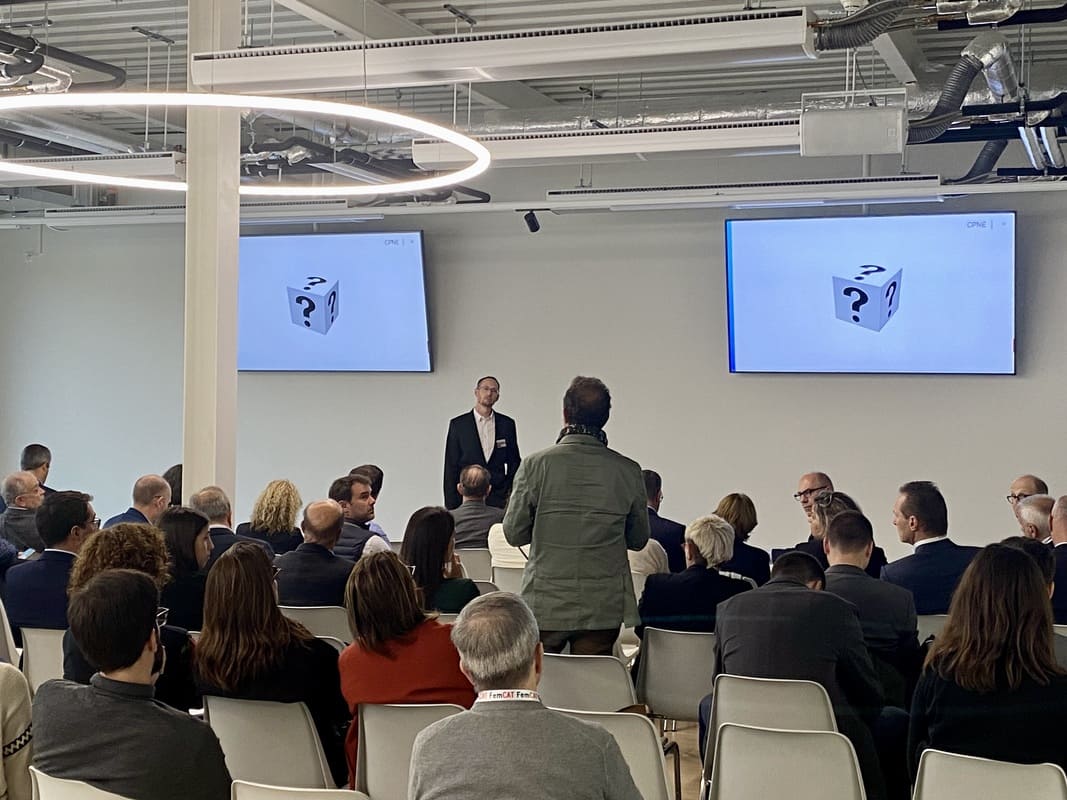
"In Catalonia we also have very good, first-class technological centers, but we lack weaving a neural network that is very well structured and brings together all the actors of the ecosystem, as we have seen they have in Switzerland", highlights Josep Lagares, CEO of the Girona-based company Metalquimia. In his opinion, in Catalonia we have many "watertight compartments" and what is needed is just the opposite, to increase connections between all agents, especially between business and academia. "We lack transferologists, that is, people who, as in the Swiss ecosystem, know very well what research is carried out in universities and can be sold to companies", he considers.
Xavier Fitó, from Semillas Fitó, fully agrees with this reflection, assuring that here "we don't know which door to knock on" to solve certain innovation needs. "We lack an organization that orders and makes visible all the R&D we have available", he explains.
Manel Xifra, president of Comexi, fully shares this idea and urges to create in Catalonia an interface that unites the world of research and that of business so that both parties can get the most out of it. "I am very glad that representatives from the universities [UAB, UB, UPC, and UPF] have also accompanied us on this trip this time; but I regret that the unions have not come," points out Xifra, who sees it as very urgent to transfer the Swiss vocational training model to Catalonia and its clear commitment to apprentice schools financed by the companies themselves, which are also the ones that define, through business organizations, the contents of the official curricula, which are updated every five years.
With a touch of indignation, Carles Cuyàs, CEO of FredVic and president of the Impulsa Foundation, also wonders how it is possible that Catalonia has not yet been able to adopt a successful training model like the Swiss one, considering the current youth unemployment rate of 28% and school dropout rate of 20%. "The solution already exists! Countries like Switzerland already have it implemented, why don't we have it here?" asks Cuyàs.
Iban Cid, general director of Germark and former president of the Guild of the Graphic Industry and Communication of Catalonia, also shows skepticism: "The vocational training model we have seen in Switzerland is spectacular, but the feeling of frustration is enormous, as I believe it is impossible to apply it here due to the way things work."
Apprentice schools in companies, a successful model
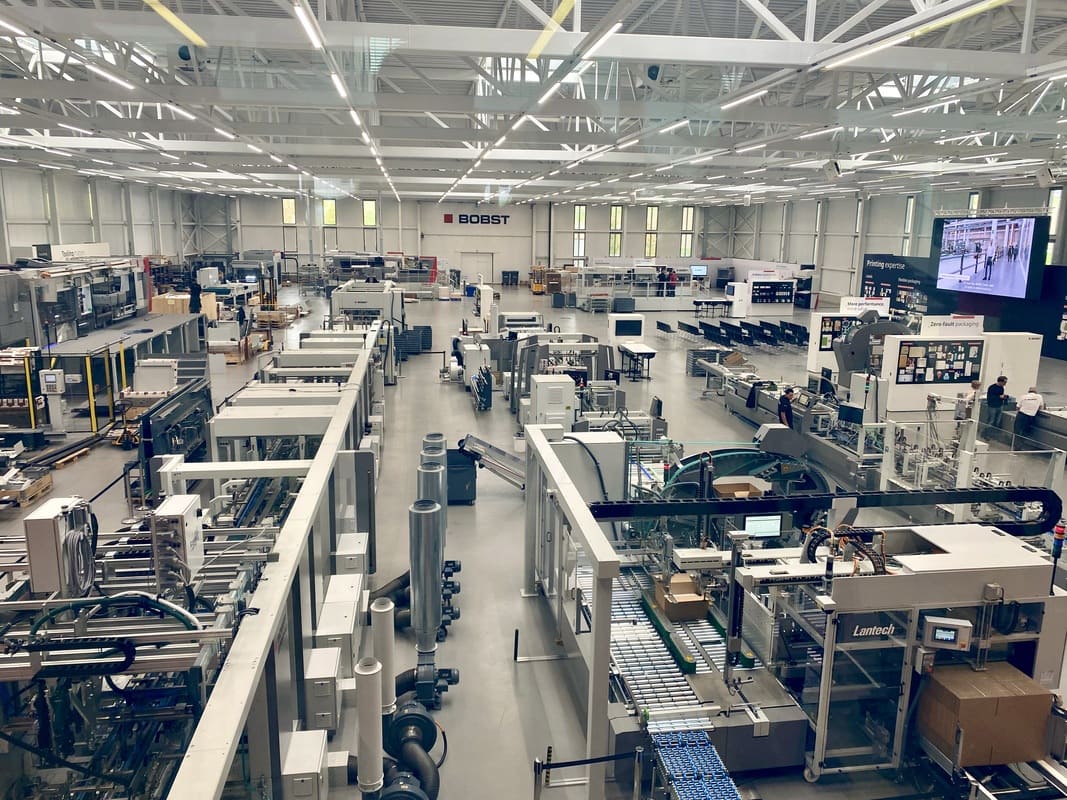
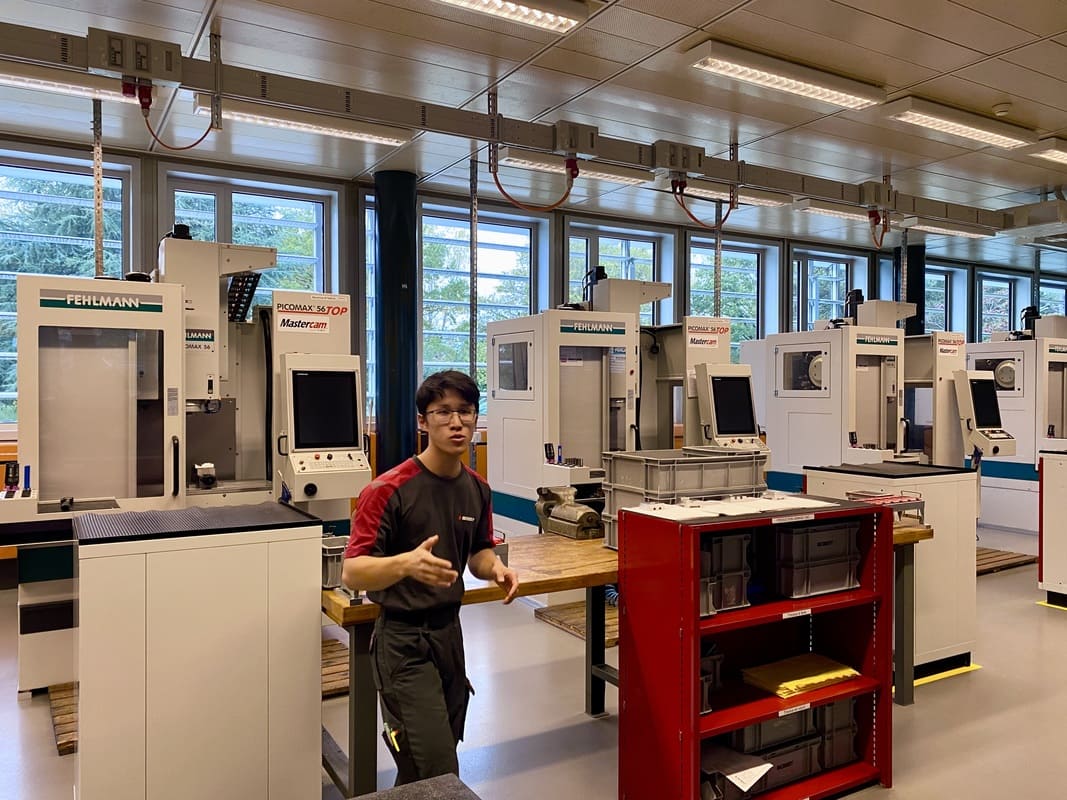
Visits to the factories of machinery manufacturers Bobst and Mikron were what most left FemCat entrepreneurs speechless. Both companies have their own apprentice school, where they train students from 14-16 years old for four courses, combining theoretical classes at the canton school (two days a week) with practical training and work in the factory (three days). These students, who obtain an official degree upon completion, do not pay to train in these companies; quite the opposite, it is the company that pays them a salary and trains them according to its needs to be able to incorporate them into its workforce later on. At all times, the training itinerary leaves the door open for students to also decide to pursue university studies to access even more qualified job positions. However, unlike what has traditionally happened in countries like Spain, in Switzerland, studying vocational training does not generate any kind of stigma; quite the contrary, it is one of the most socially valued options.
Specializing in the production of flexible packaging machinery, Bobst is a family company founded in 1890 with 19 factories worldwide, 6,100 employees, and a turnover of nearly 2 billion euros in 2022. In its production complex near Lausanne, it has an apprentice school where 180 students learn up to 16 types of trades, from mechatronics to mechanics, including industrial design or robotics. In the first year, apprentices earn a salary of 650 francs (677 euros), a figure that increases to 1,350 francs (1,400 euros) in the fourth year. According to Bobst, 30% of students stay with the company once their training is completed. The entry salary for staff is 4,000 francs (4,160 euros), although the average salary rises to 7,000 francs (7,300 euros).
Also with a century-old history and listed on the stock exchange, Mikron, located in the canton of Neuchâtel, manufactures machines for the pharmaceutical, automotive, and consumer goods industries. 500 people work at its Boudry factory, 10% of whom are apprentices: students between 16 and 20 years old who are enrolled in the so-called Polimecanic Education Program. 18% are girls. During the first two years, students go to school two days a week and to the factory three days, where they receive training from Mikron professionals fully dedicated to this task. In the third and fourth year, the hours spent at the company increase, and the day at school is reduced to one or two days a week. The students, who earn between 600 francs in the first year and 1,200 francs in the fourth, carry out real practical work, producing parts and components for the assembly of machines that the training school itself sells to the company.
"Switzerland has highly qualified workers who don't complain," one of the directors of the visited companies told the FemCat delegation, an expression that again appeals to the widespread consensus that pervades society, but also to other elements such as the low level of unionization ---compared to factories located in neighboring France---, the culture of meritocracy, individual performance evaluation by objectives, the low level of absenteeism, the same social prestige for a plumber or an engineer, and the austerity that characterizes societies with Calvinist roots.
Innovation, key to the country's competitiveness
"How can Switzerland pay one of the highest salaries in the world [the minimum dream exceeds 3,500 euros] and have one of the highest costs of living, and at the same time, rank third in the world in competitiveness?" asks Lluís Cantarell, a Catalan executive residing in Switzerland who was the world number 2 at Nestlé and currently presides over the pharmaceutical company Uriach. According to the veteran executive, "the country's success factor is innovation" and all the structures it has created to foster it and excel globally in applied technology. "It's not a problem of labor costs ---says Cantarell---, because we are in a country that is very competitive, the third in the world," behind Denmark and Ireland according to the classification of the IMD business school, which places Spain in position number 36 out of a total of 64 economies analyzed.
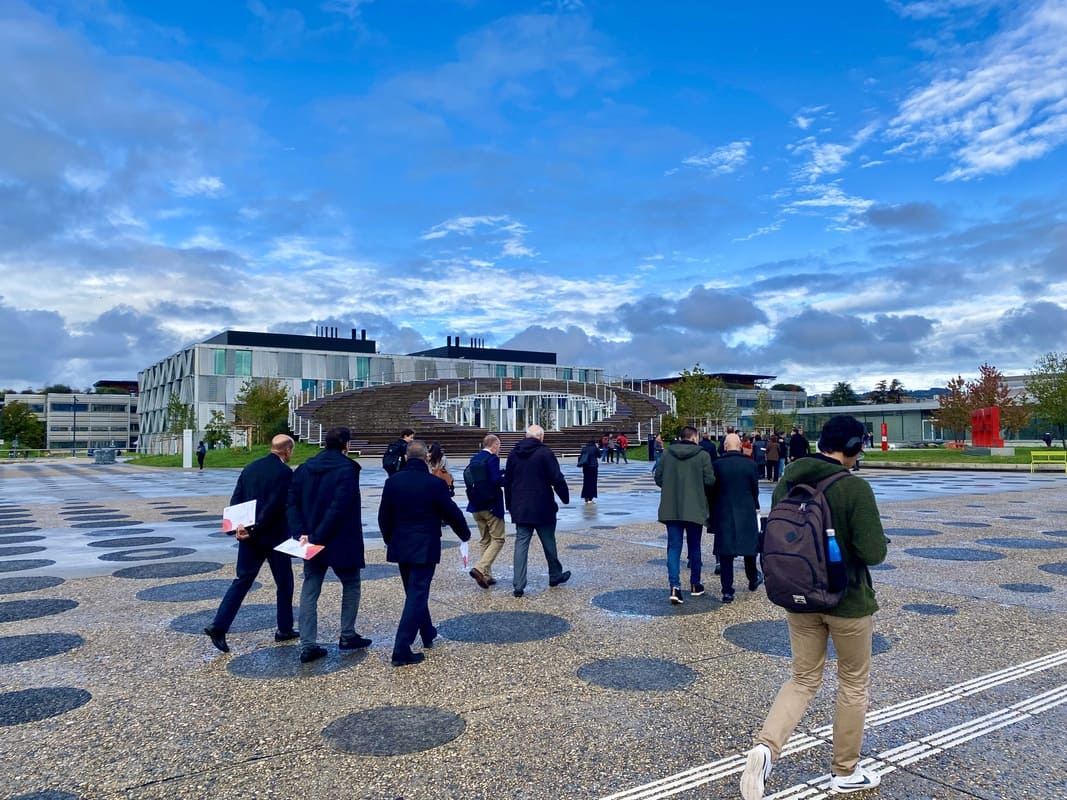
Switzerland's main competitiveness factors are, according to IMD, its technological and research infrastructures ---CERN in Geneva is a great example--- and the efficiency of its administration. "It's no coincidence that Switzerland, which has no sea, has won the America's Cup in some editions [with the Alinghi team]," recalls Cantarell, who emphasizes that "the Swiss Government is the first interested in ensuring that maximum innovation is done in the country."
To this end, the Government has promoted an unbeatable public policy: any innovation and knowledge transfer project between universities and companies can receive non-repayable public funding of up to 50% through the agency Innosuisse. The company promoting the project must finance the other half, contributing money (10%) and workforce (40%).
"The objective of this measure is to ensure that innovation is generated in Switzerland, as this innovation will attract more talent and, consequently, more innovation, generating a virtuous circle," explains businessman and FemCat partner Jordi Cuixart, who has managed to finance through Innosuisse two R&D projects to increase the added value of the packaging machines that his company, Aranow, manufactures in Polinyà (Barcelona). The former leader of Òmnium Cultural currently resides in the city of Neuchâtel, where he has established the subsidiary Aranow International, dedicated to centralizing the innovation of his company, specialized in single-dose packaging systems for the pharmaceutical industry (70% of its clients), food (10%), cosmetics (5%) and nutraceuticals (15%).
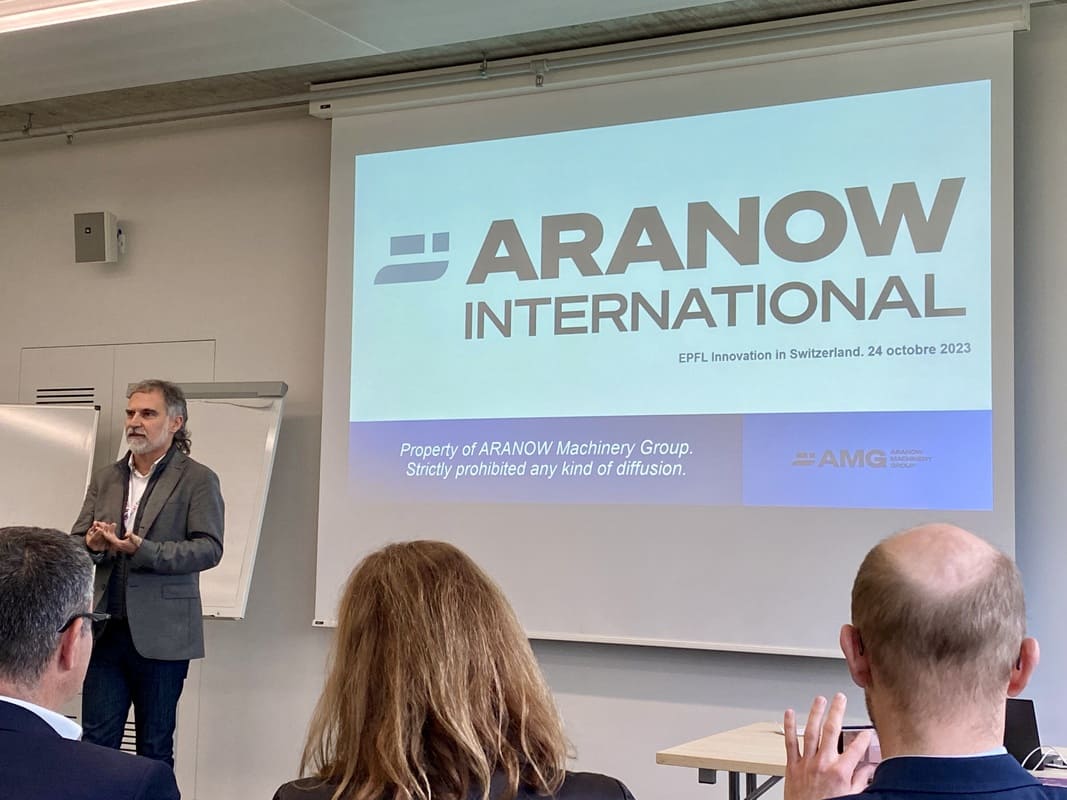
"We will never give up manufacturing in Catalonia, but we have gone to Switzerland to find the best tools to add value to our products so that we can be world leaders in this industrial specialty," argues Cuixart, who through Aranow has woven a network of 600 clients spread across 80 countries, with a turnover of 20 million euros. "Catalonia —he adds— must decide if it wants to be an industrial and value-added country. Switzerland decided it did want to be one, and today its industrial GDP grows at double digits and has become a benchmark in innovative capacity applied to industry."
The strength of the Swiss model is complemented by a firm commitment to public-private collaboration that ensures not only researchers from world-renowned centers such as the École Polytechnique Fédérale de Lausanne (EPFL) are nurtured, but also companies that want to invest and develop in the country. Thus, any company that lands in Switzerland interested in being part of its entrepreneurial and innovation ecosystem is welcomed by local authorities, who provide them with a soft landing or support program that lasts four months. During this period, the company is informed about everything the country can do to help develop its project, providing information on different financing instruments, on the research parks and accelerators available to them, and on universities and research groups that fit their needs.
Aranow Internacional has been one of the companies that have benefited from this softlanding program, which has allowed them to identify the companies and researchers that will help them carry out their innovation projects and open the Neuchâtel branch, which already has four people dedicated to research.
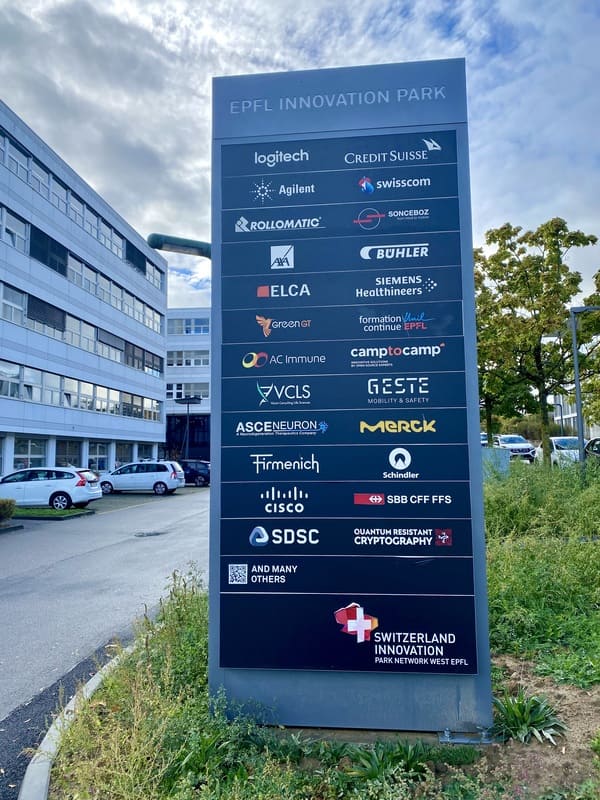
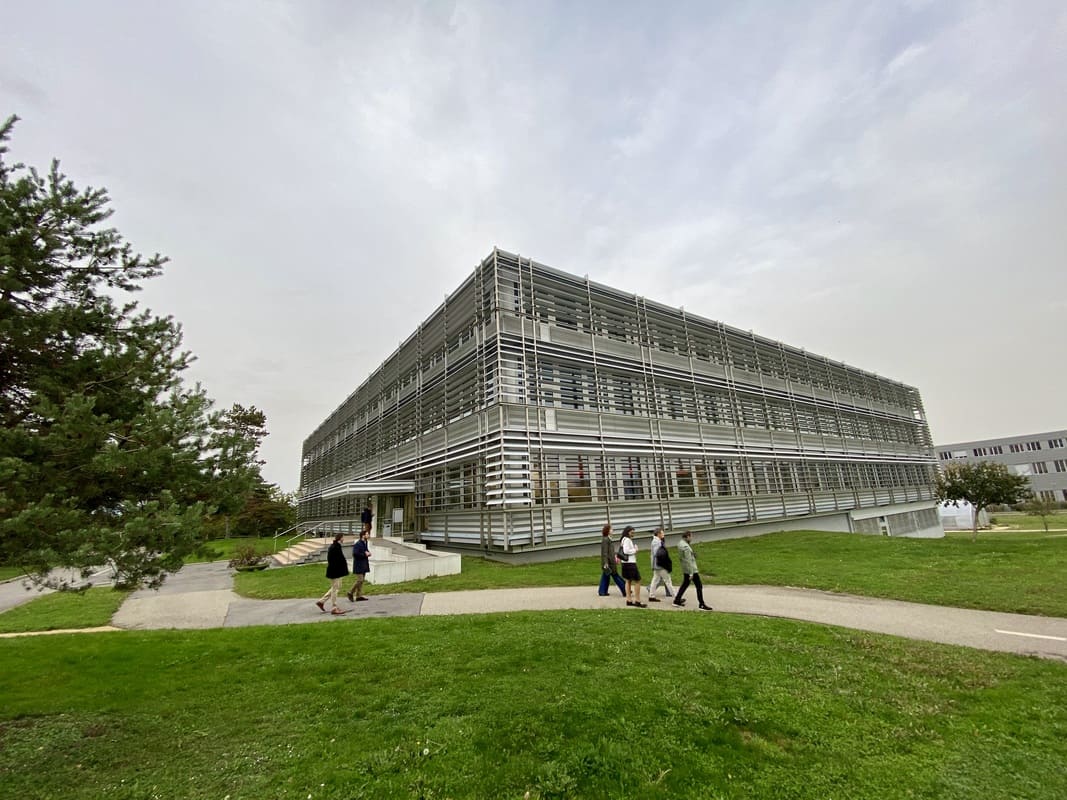
The prestigious Polytechnic University of Lausanne, EPFL, where more than 360 research laboratories and 12,500 students and doctoral candidates from 130 nationalities coexist, is the epicenter of Western Switzerland's innovative ecosystem, which integrates a high density of high-level academic centers (EPFL, Unil, Université de Géneve, IMD...), six innovation parks with 18,000 researchers, the headquarters of world-leading companies, hospitals, startups and technological equipment such as CERN, the particle accelerator laboratory located near Geneva. The region is also known as Health Valley, due to the high concentration of pharmaceutical companies. EPFL's priorities include research in basic sciences, climate change, neuroscience ---the Neuro X Institute has recently been created-- and new intelligent systems. It also focuses on supporting entrepreneurship and the birth of disruptive spin-offs, with instruments such as Blaze, an accelerator that, for example, pays the founder's salary during the first six or twelve months. Logitech, the inventor of the mouse, is considered the first great success to emerge from the EPFL campus.
Precisely, during the trip, FemCat partners, led by its president, David Marín, and its general director, Muntsa Vilalta, were able to meet with Jordi Solà, a Catalan entrepreneur who, after studying telecommunications at UPC, has co-founded a promising startup in Switzerland, Aktiia, which has developed a wearable device, a bracelet, to monitor blood pressure at all times. The company is a spin-off of the Swiss Center for Electronics and Microtechnology (CSEM) in Neuchâtel, a research center that exemplifies the secret to the region's success: the capacity for constant renewal, transformation, and innovation.
Neuchâtel: a technological revolution born from watchmaking tradition
Born in 1984, CSEM is the heir to Switzerland's long watchmaking tradition, an industry that was threatened by Asian electronic watches and the quartz crisis, but which managed to reinvent itself by focusing on the luxury, high-tech, and exclusivity segment. In parallel, it managed to take advantage of this experience in miniaturization, complexity, and precision so inherent to watchmaking to diversify the canton's industry, which today, thanks to CSEM, is a powerful global cluster in leading disciplines such as microelectronics, micromechanics, semiconductors, ultra-low power devices, nanotechnology, photonics, digital health, additive manufacturing, aeronautics, industrial automation, and the development of batteries and solar panels, among other areas. More than 60 companies specializing in blockchain also coexist in Neuchâtel.
Companies such as Lauener, which manufactures high-precision components for watches and medical devices, or EM Microelectronics, which is the division that supplies electronic components to the various brands of the Swatch Group (Swatch, Omega, Tissot, Breguet, Hamilton...), are good examples of this capacity that Neuchâtel has demonstrated to embrace the most promising future technologies, based on techniques inherited from a traditional industry such as watchmaking, which now only accounts for 20% of the canton's industry. A sign of this diversification is that 59% of Neuchâtel's exports now come from the pharmaceutical sector, with large manufacturers established in the region such as Bristol Myers Squibb, Johnson & Johnson, Takeda, and Ichnos Sciences.
Another large company established for almost 60 years in this dynamic Swiss area is the multinational tobacco company Philip Morris, which produces cigarettes of brands such as Marlboro in Neuchâtel, which it sells in European countries. However, the multinational has managed to take advantage of the technological revolution experienced in the canton, as it has been in Neuchâtel where it has developed the IQOS technology, its smoke-free tobacco consumption system.
Another case that the FemCat mission learned about firsthand was SemTech, also a spin-off of CSEM, a manufacturer of chips and semiconductors for the Internet of Things (IoT) sector. The company, which was acquired by an American group, has developed different technologies and solutions that allow connecting all types of sensors and devices to have smarter factories, cities, and, ultimately, a smarter planet.
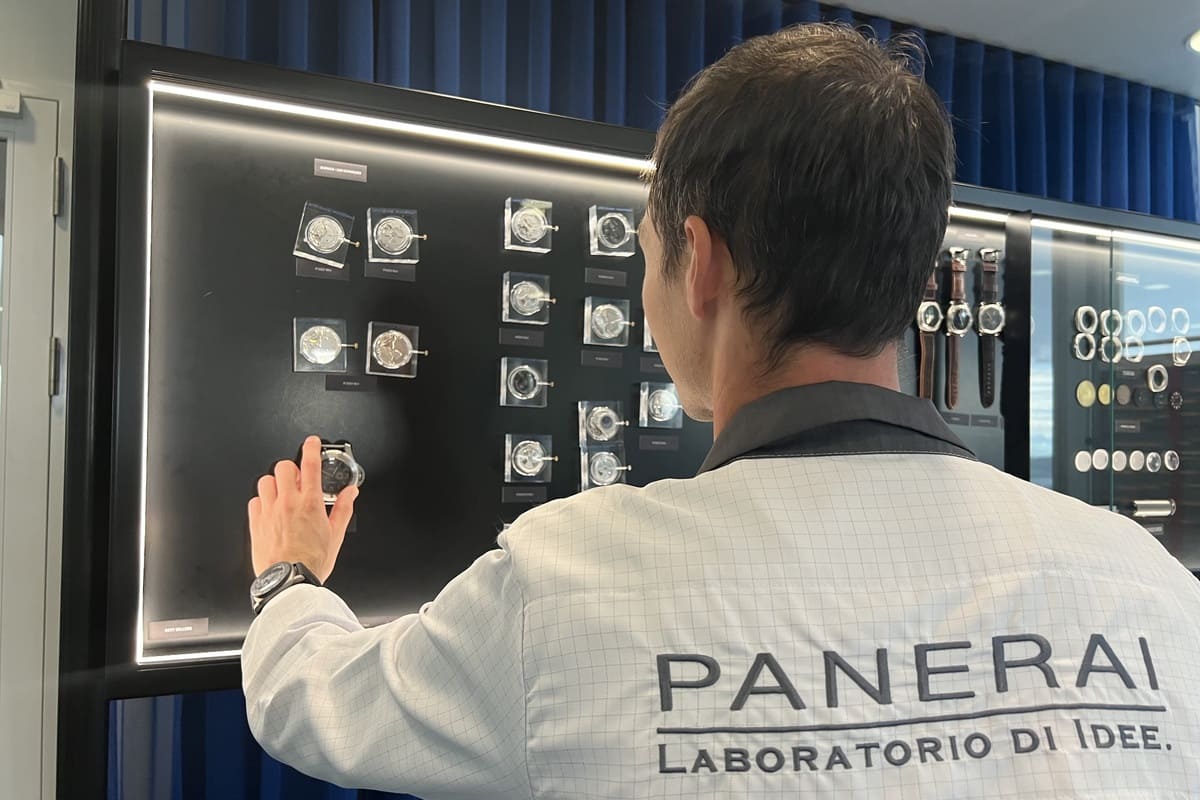
In Neuchâtel, these advanced manufacturing companies coexist with the production centers of major international watch brands such as Bvlgari, Tag Heuer, Zenith, Cartier, Swatch Group, or Panerai. FemCat visited the modern factory of the latter brand, owned by the luxury group Richemont, where 225 people work ---45% women--- who develop up to 50 different trades linked to watch production. The CEO of Panerai, Jean-Marc Pontroué, announced to the FemCat entrepreneurs the upcoming opening of a boutique on Paseo de Gracia in Barcelona, coinciding with the celebration of the America's Cup sailing race, as Panerai is a sponsor of the Italian team.
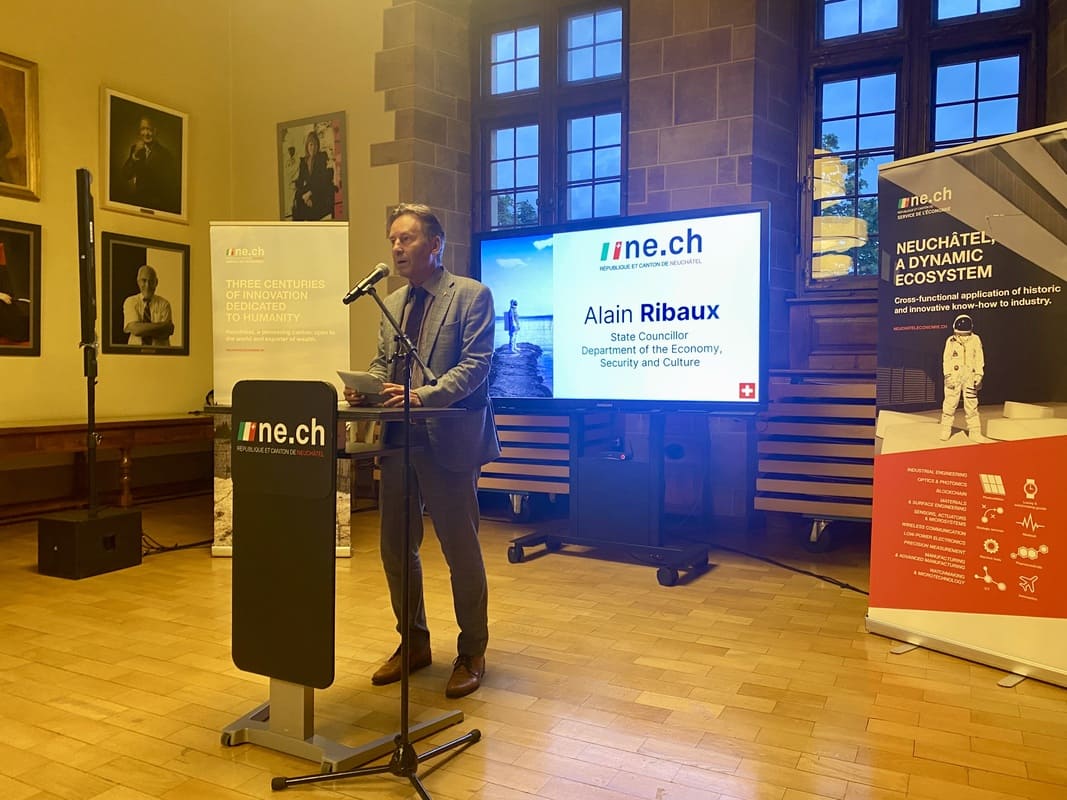
The canton of Neuchâtel, currently presided over by the liberal Alain Ribaux, also head of its Department of Economy, charges companies a profit tax of 13.56%, and is supported by economic and innovation promotion instruments such as Microcity, which offers all kinds of services to companies to promote technological transfer and boost startups. It also has a program to attract international talent and encourage the establishment of foreign companies in the canton. Microcity, directed by Jean Marc Brunner, works in close collaboration with EPFL and CSEM, the aforementioned applied research center, which serves more than 230 clients a year, 41% from outside Switzerland.
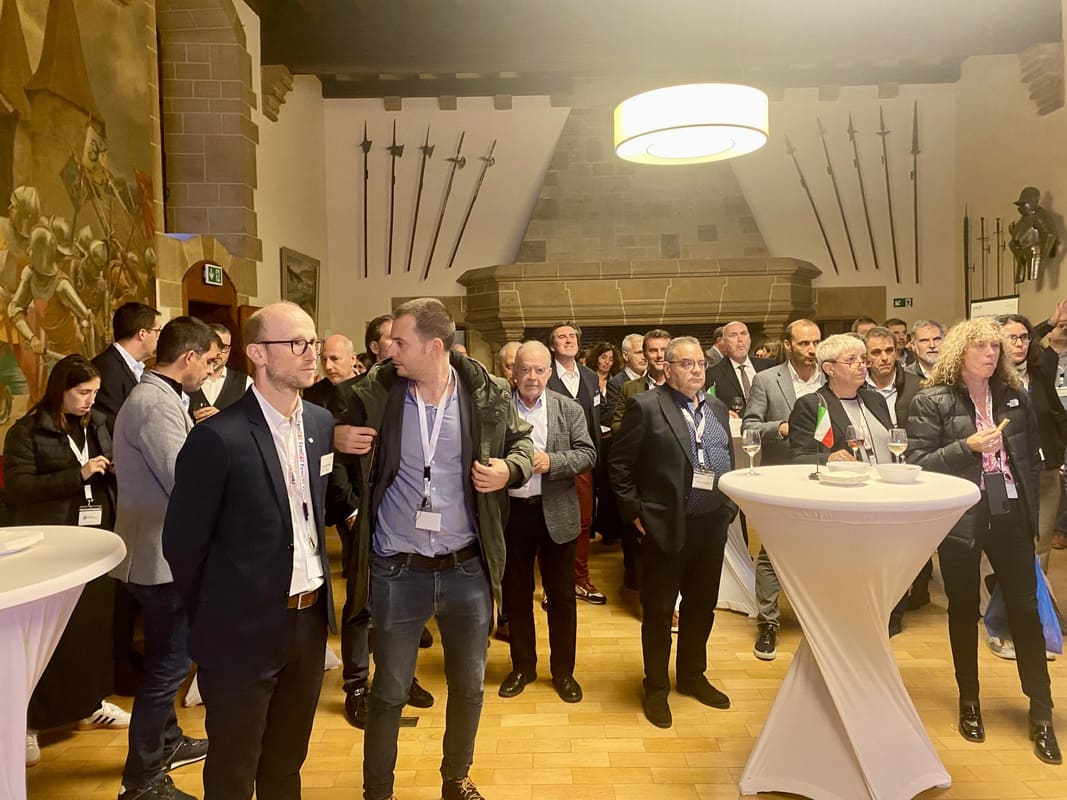
As a sign of the hospitality and the business friendly atmosphere that permeates Neuchâtel, Ribaux hosted FemCat partners with a reception in the knights' hall of the iconic medieval castle that presides over the city, located on the shores of one of Switzerland's largest lakes, between the Jura mountains and the Alps. "There are many links between Catalonia, Switzerland, and Neuchâtel," said the president of the canton, to whom Jordi Cuixart, one of its newly arrived citizens, listened attentively. "We are one of the most dynamic regions in the heart of Europe; we have woven a prosperous ecosystem that, to a large extent, responds to the success of our decentralized political model," highlighted Alain Ribaux.
As is customary on these benchmarking trips, FemCat tries to meet with expatriates or with a representation of members of the Catalan community in each country it visits. On this occasion, its star guest was Pere Miró, former senior executive of the International Olympic Committee (IOC), to whom he remains linked as personal advisor to its president, Thomas Bach. "There are many illustrious Catalans in Switzerland, we all carry Catalonia in our hearts and make it known throughout the world," said Miró, after recalling that during his years at the IOC he has visited 167 countries where "I have always said that I am and speak Catalan." Born in Manresa 69 years ago, Miró has been residing in the Lausanne area for 31 years, where he went at the express request of Juan Antonio Samarach after doing a very good job on the organizing committee of the Barcelona Olympic Games.
Pere Miró: "There are many illustrious Catalans in Switzerland, we all carry Catalonia in our hearts and make it known throughout the world"In this meeting with FemCat, Miró was accompanied by Lluis Cantarell and other representatives of the Catalan community in the country, such as Jordi Baylina (Polygon Hermez), Dr. Raimon Mirabell, Alfred Fenollosa (Nestlé), Jordi Serra (International Table Tennis Federation), Jaume Torres-Muricio (Fimed Group), Ivan Mariblanca (Canopé), Gabriel Boichat (delegate of the Generalitat in Switzerland) or professors Anna Fontcuberta and Ferran Cáceres, from EPFL.
"On this trip, I have become aware of the value of the group of Catalans around the world; we have a first-rate human capital scattered," considers Ramon Alberich, director of the Tade company and president of the Sabadell Chamber of Commerce.
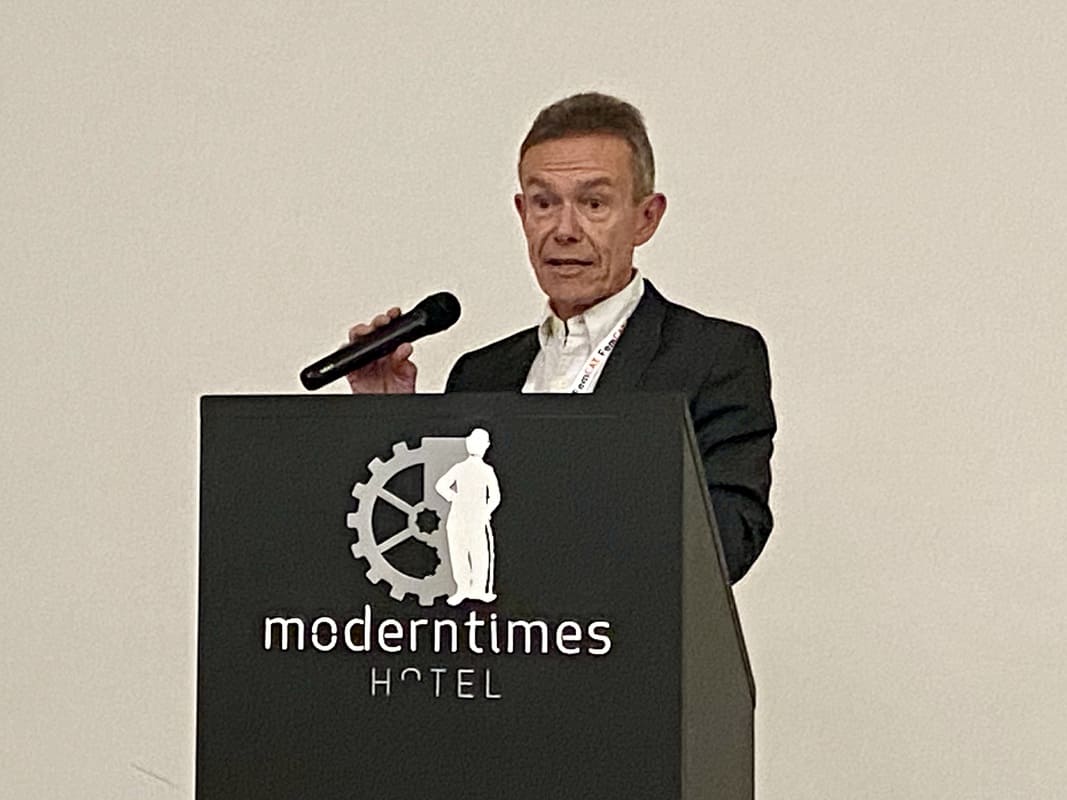
Lluís Cantarell shares the same opinion, emphasizing that people "have a much greater influence than it seems" in certain institutions and, for that reason, "the more Catalan executives there are around the world, the better it will be for Catalonia". In this regard, the former Nestlé executive highlighted how decisive his personal commitment to the Girona factory was in making it one of the most important in the world in the coffee business. And what should Catalonia do to improve and learn from Switzerland?, they asked Cantarell. "Listen and listen," he replied, criticizing that here it is difficult for administrations to attend to the needs of companies.
A country that knows where it's going
In the lively conversation among all these expats, several key ideas about the country's qualities were repeated, such as the spirit of consensus, legal certainty, an efficient administration close to the citizen, decentralization ---power is widely distributed among the federal government, the cantons, and the municipalities---, respect for minorities, the exercise of direct democracy through continuous referendums and consultations, and collegial decisions. It should be remembered that the Swiss Government is made up of 7 ministers from 4 different parties representing three linguistic groups, the so-called magic formula, a model where the major political parties share executive power and which has prevailed since 1959.
"From Switzerland, I take its spirit of collaboration; everyone wants to do well and understand each other. Everyone has a responsibility and believes in the country," emphasized blockchain expert Jordi Baylina. Entrepreneur Ivan Mariblanca highlighted that the key word that defines the country is "excellence". "The level of demand is very, very high, and from there derives the strong degree of innovation they have," said the founder of the digital sustainability measurement company Canopé. Cuixart expressed himself along the same lines: "Switzerland is a country that knows where it's going," and a perfect example of "a leading nation capable of forging long-term consensuses." "Catalans, without losing our critical spirit, must strengthen our self-esteem, because we always have the will and the effort to want to progress. It is a pleasure to see how 50 entrepreneurs participate with the utmost generosity in missions like the one organized by FemCat," concluded Cuixart.
Cuixart: "Switzerland is a country that knows where it's going", and a perfect example of a "leading nation capable of forging long-term consensuses"The group of entrepreneurs has been accompanied on this trip by the rector of the Universitat Politècnica de Catalunya, Daniel Crespo, and by other representatives from the academic and scientific world of Barcelona, such as Jordi Bosch (UB), Vanessa Daza (UPF), Mercè Segarra (UB), Rosa Maria Sebastián (UAB), Manuel Palacín (Tecnio) and Eduard Vallory (Bist).
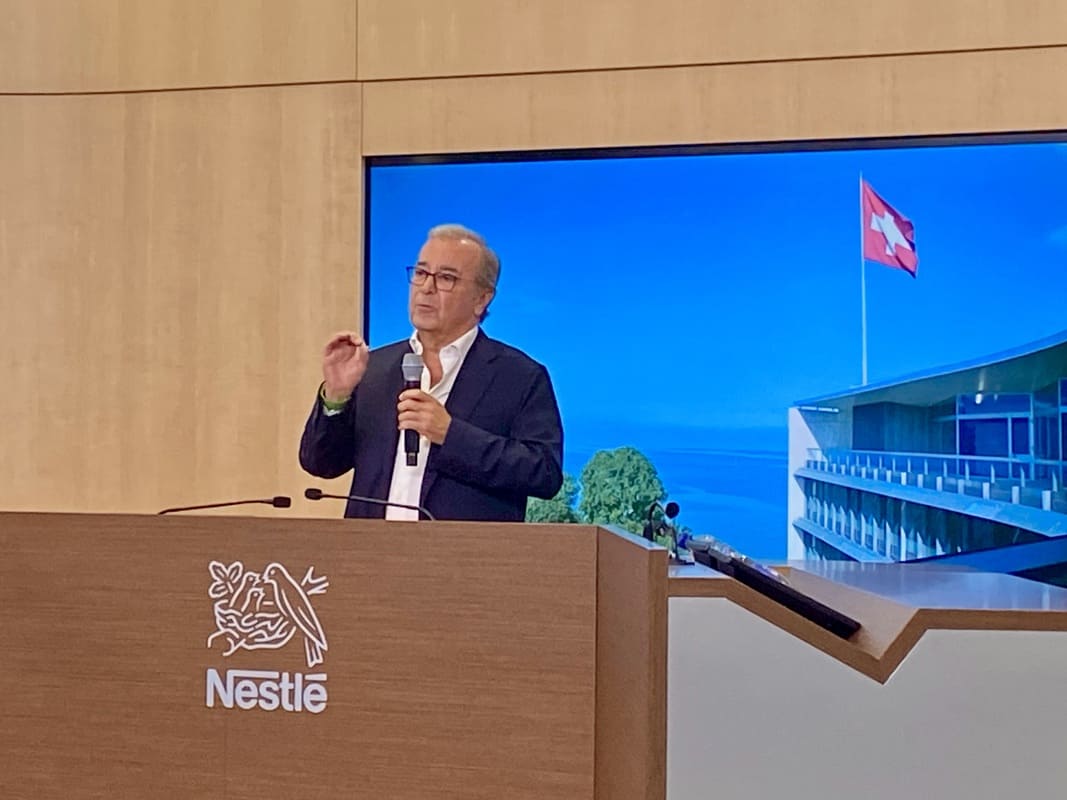
At Nestlé's headquarters, they were received by the CEO of the food multinational in Europe, Marco Settembri, who also emphasized innovation as the best way to "do business, win in the market and connect with the consumer." His predecessor in the position, Lluís Cantarell, admitted that Nestlé "would not be understood without Switzerland" and highlighted that, along with innovation, the multinational's success factors have been its commitment to technology and quality, its ability to anticipate the market ---as demonstrated with the launch of Nespresso--- and to have "the long lights on," that is, a forward-looking vision.
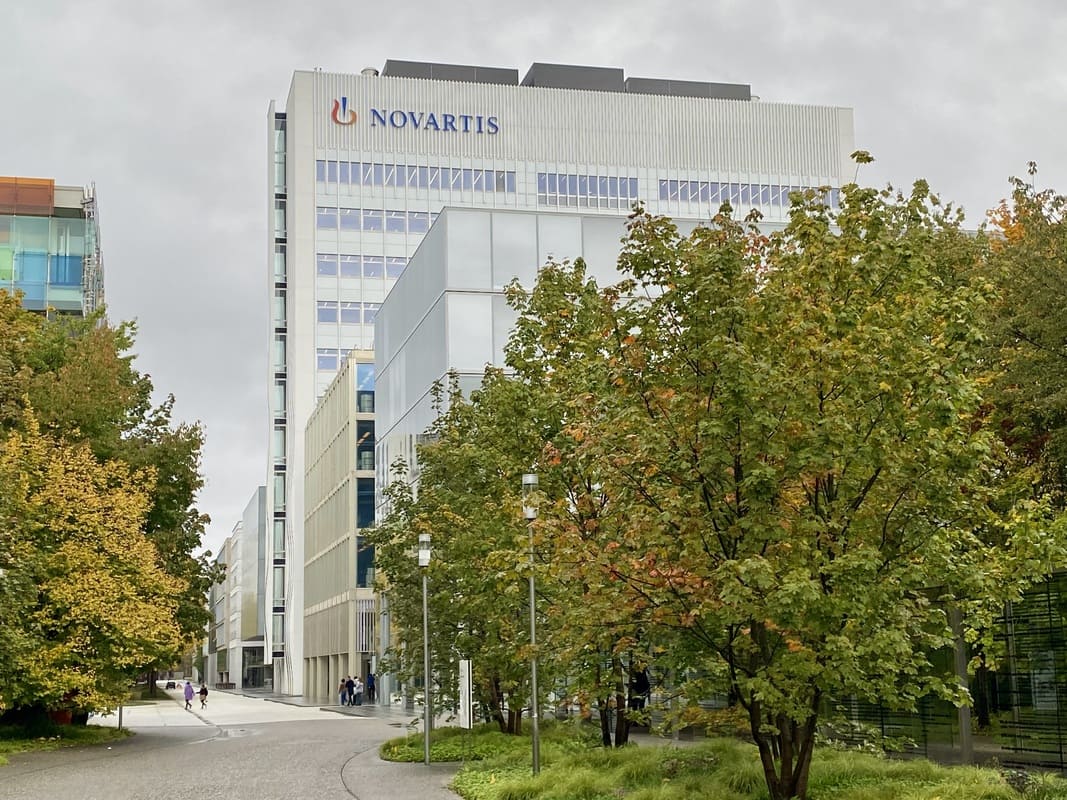
The trip ended with a visit to the Novartis campus in Basel ---comprising large buildings next to the Rhine designed by renowned architects such as Frank Ghery and Rafael Moneo where 5,000 researchers work--- and to the cargo terminals of EuroAirport, an airport located in French territory, but of which the Swiss State owns 50%. Located in a border area, this facility serves not only the city of Basel, but also the French city of Mulhouse and the German city of Freiburg.
The reference airport for the pharmaceutical industry
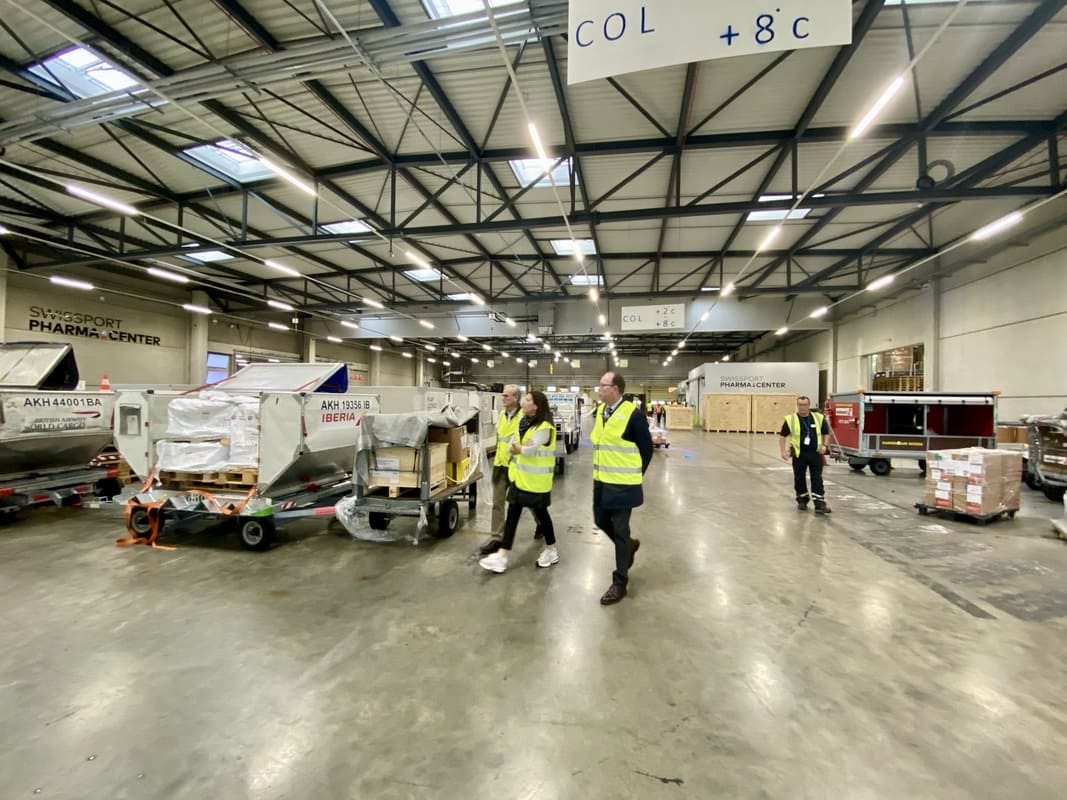
In 2022, EuroAirport received 7 million passengers, 58% thanks to easyJet, an airline that also connects with Barcelona, a city that represents the fifth main destination of the infrastructure. Its objective is to reach 7.9 million people this year and continue growing in freight transport. The goal is to go from 114,000 tons transported in 2022 to more than 150,000 tons in 2030 thanks to the impulse and dynamism of the pharmaceutical industry. In fact, thanks to being the reference airport for large multinationals such as Roche and Novartis, this airport continued to grow in cargo throughout the pandemic. Chemical and pharmaceutical products account for 47% of the volume passing through the airport, followed by medical equipment (37%).
DHL, TNT, Fedex, UPS, Qatar Airways, Turkish Airlines, and Air Canada operate in the two cargo terminals it has. The warehouses are expressly designed to serve the pharmaceutical industry, as they have facilities to store medicines at a controlled temperature of between 15 and 25 degrees ---60% of the cargo---, refrigerated (from 2 to 8 degrees) or frozen (up to -60 degrees).
And from now on, what? FemCat's president, David Marín, asked himself at the end of the trip. "Now it's time to do the work, to give the push so that things happen in Catalonia that didn't happen before," he answered himself, recalling that the foundation he leads is an initiative that works positively and seeks the adhesion and mobilization of civil society so that Catalonia can be one of the best countries in the world.
Add The New Barcelona Post as your preferred Google source for free
Stay informed with the latest news.
