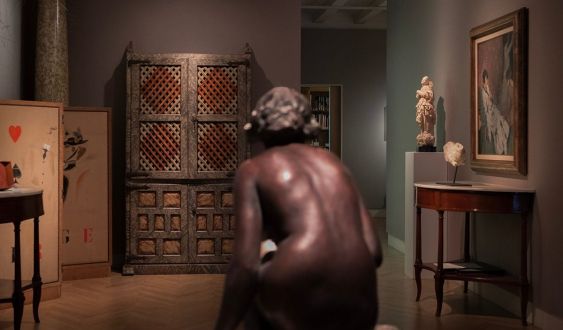
I imagine the future of gallery ownership as more cohesive. The world of art will always exist, just like gallery ownership; what changes is its form, in parallel with the transformation of society. Being a gallerist is not being an art shopkeeper. It is about building a narrative, exercising curatorship, and assuming a critical responsibility for what is shown. Galleries investigate, discover artists, and promote careers that often end up being recognized by museums. And yet, this role does not always receive the recognition it deserves. More memory and more generosity between institutions would be needed.
Despite the turbulent context, the future is hopeful. But it will be demanding: only those galleries with a clear identity, consistent in their programming, and capable of positioning themselves with their own voice will endure. In a highly competitive environment, uniqueness is no longer an added value, but a condition for survival.
One of the structural shortcomings of the sector is the difficulty of working collectively. I have been involved with the GAC for more than a decade, from where we promote initiatives such as Art Week and the GAC Awards. Both proposals aim to add up: connect galleries, museums, and other cultural agents, generate synergies, and expand audiences. We share challenges, and only through collaboration will we be able to face them solidly. It is also essential to strengthen ties with the educational world. The future lies with new generations, and it is necessary to facilitate their access to art from a young age, connecting schools, universities, galleries, and museums in the same living ecosystem.
In my case, the move to Bailèn 19 marked a turning point. At Artur Ramon Art and as director of the Espai d'art, I have been able to develop my own project with a solid base: the tradition of antiquarians and a collection that spans from medieval to contemporary. This dialogue between eras is what gives meaning to the projects and allows for the construction of new readings, often in collaboration with curators and artists.
In this journey, craft —especially ceramics, textiles, and vegetable fibers— has been acquiring an increasingly central presence within the programming. Not only as a heritage of tradition, but as a living and contemporary language, capable of connecting territory, matter, and thought. This incorporation responds both to a personal concern and to the desire to be attentive to current practices that expand the limits of art.
Our work is built from a double perspective. On the one hand, a literal, more direct and tangible perspective, linked to the historical and material narrative of the works. On the other hand, an evocative, more subtle and suggestive perspective, which does not illustrate but insinuates, and which ultimately gives uniqueness to the projects. It is in this space of ambiguity and sensitivity where the pieces dialogue beyond their time.
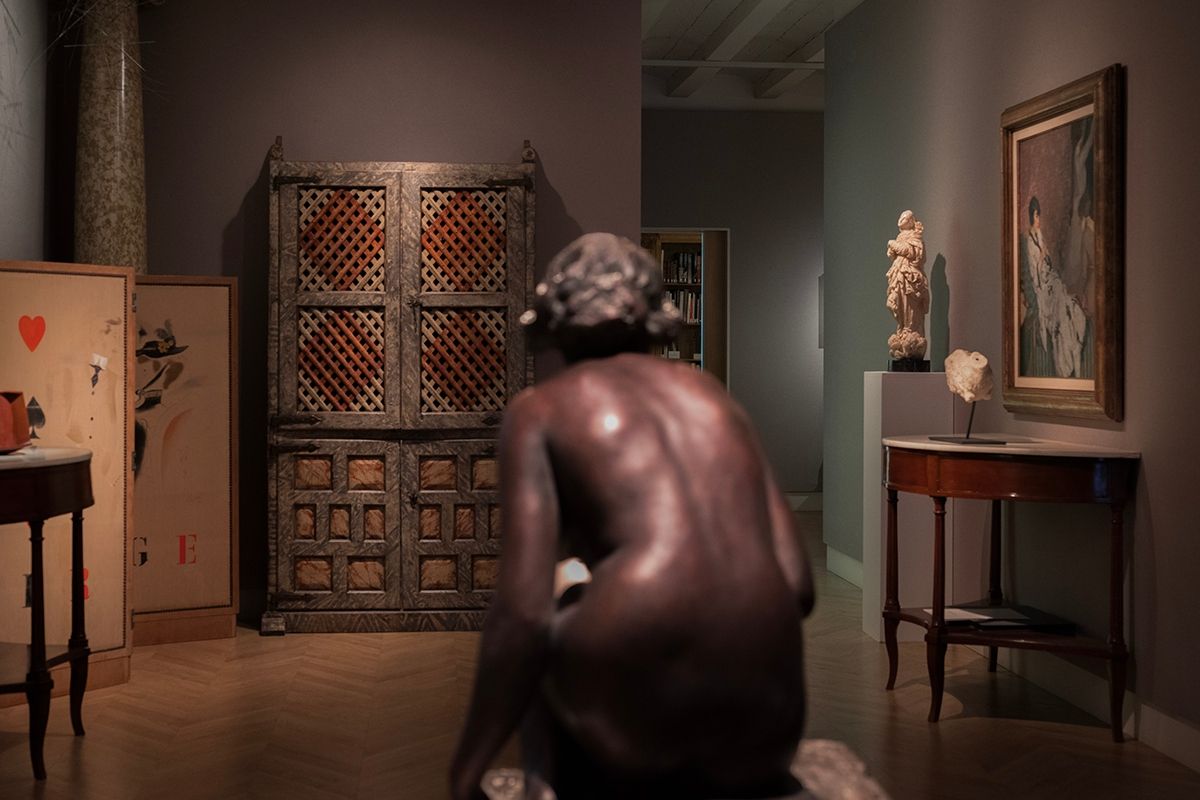
My practice has also been oriented towards the recovery of voices, especially female voices, often in advanced stages of their careers, to which we have contributed to give new visibility. In some cases, this work has continued with their incorporation into institutional collections.
What defines our project is, ultimately, a way of looking: making tradition dialogue with the present from a contemporary and open perspective, incorporating diverse disciplines, materials and sensibilities. It is not just about showing works, but about generating readings and opening spaces for interpretation. Because it is in this capacity to connect times, materials and perspectives —between what is literal and what is evocative— where gallery work finds its true meaning today. And, probably, also its future.
Add The New Barcelona Post as your preferred Google source for free
Stay informed with the latest news.