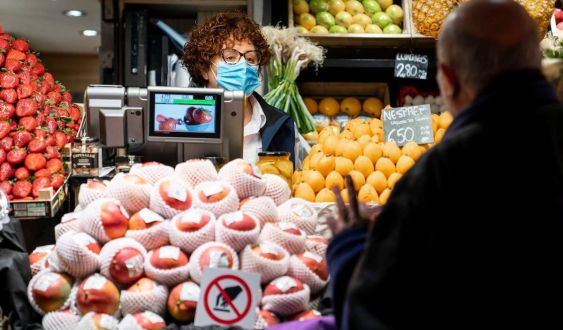
To digitize the operations of traditional markets without losing the relationship of trust created between stallholders and customers. This is the objective of the marketplace that the Barcelona City Council wants to promote for the network of municipal markets, made up of a total of 43 markets and 2,143 establishments. The Barcelona startup Ulabox will be in charge of developing this new digital market, for almost 400,000 euros, after winning the tender launched by the Municipal Institute of Markets of Barcelona (IMMB) at the end of last year.
The tender was called with a bidding budget of 496,000 euros (with VAT) and Ulabox has prevailed over the other two companies that submitted bids by offering a price of 399,300 euros (with VAT), which represents a 19.5% reduction compared to the initial figure.
The marketplace is expected to start operating in June, but pilot tests will begin next month to fine-tune its launch. It will be prepared to respond to at least an average of 200 orders per market each week, taking into account that adherence will be voluntary. Initially, this service will be available only to residents of Barcelona, but it is expected to be extended to the different municipalities of the metropolitan area.
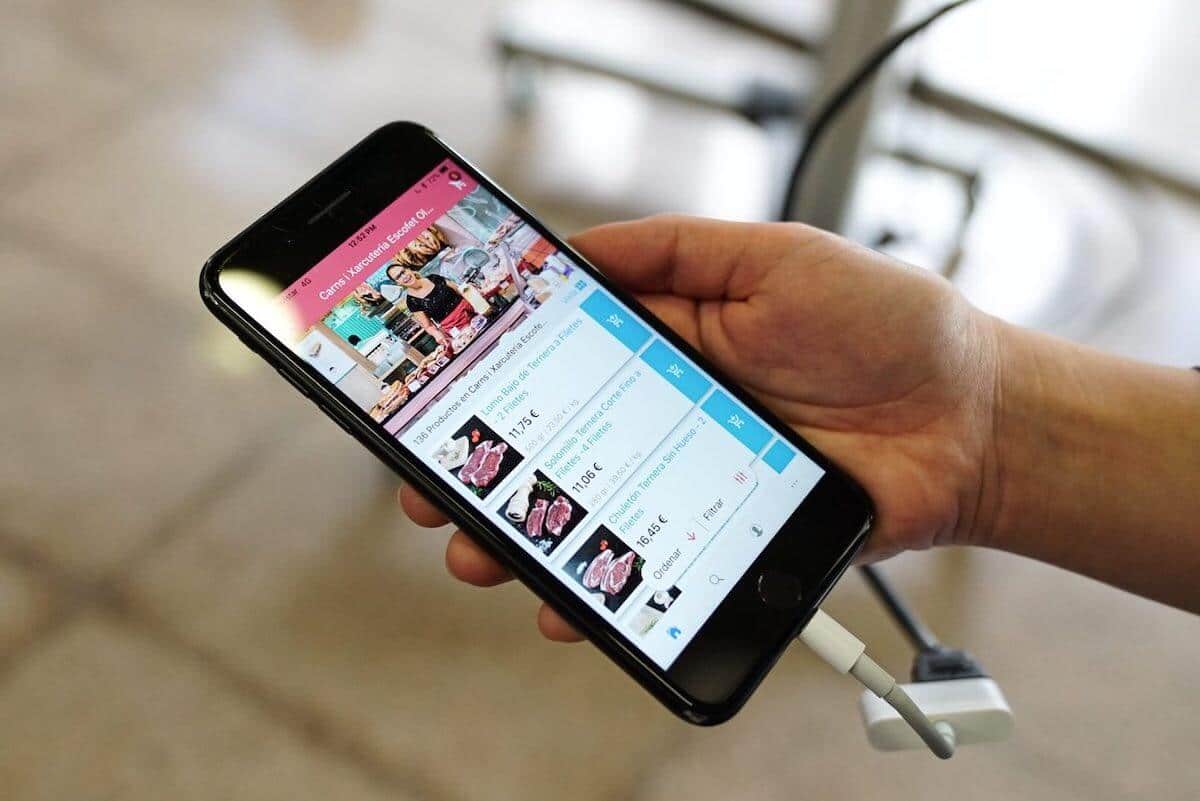
With the creation of this digital market, Barcelona residents will be able to buy online the fresh products they find in their favorite stalls, without having to worry about having to go for them before the market closes. They will also be able to discover new establishments that they perhaps did not have on their usual routes, by reviewing the catalog that will be created for the different markets of the city. They will be able to do so through the website and the mobile application that Ulabox will design.
Users will be able to shop at different stalls and will receive a single order, which can be sent home or picked up at the market, at the same establishments or at the network of lockers for dry and refrigerated products that will be progressively installed and will allow access outside business hours. In a first phase, these lockers will be deployed in 14 markets in Barcelona (Boqueria, Concepció, Ninot, Lesseps, Sants, Sarrià, Sant Antoni, Provençals, Carmel, Clot, Felip II, Sagrada Família, Santa Caterina and Horta), which will start operating from June, coinciding with the launch of the marketplace. There will also be a customer service system through various channels.
Experience at Mercat del Ninot
Ulabox is a digital supermarket founded in Barcelona by David Baratech, Sergi de Pablos and Jaume Gomà in 2010. Cabiedes & Partners, the Miquel family and Sonae Ventures have been some of its investors. The contribution of these startups to the digitalization of Barcelona's markets began in 2018, when it carried out a pilot test in the Ninot Market. For six months, customers of this Eixample market were able to buy fresh products from its stalls online, just as they would in person. It reached all municipalities in the metropolitan area and allowed customers to buy at the same time products that Ulabox offered in its own supermarket, such as those for household hygiene. In line with the digital market that will spread throughout Barcelona, it allowed customers to receive a single order at home with purchases made at different stalls.
Three years ago, there were also other projects to buy online in Barcelona's markets. For example, the Concepció Market, also in the Eixample, had created its own website. Those of Sant Gervasi, Lesseps, Provençals and Galvany had launched mobile shopping systems with the Barcelona-based startup Manzaning, which has been another of the companies that submitted a bid for the marketplace tender won by Ulabox. Likewise, many stallholders already used WhatsApp to sell individually to their customers.
Modernization of municipal markets
The Barcelona Markets network began to be managed by the IMMB in 1992. Since then, there has been a commitment to its reform and updating to ensure that they remain competitive compared to other shopping options. Of the 40 buildings where the 43 municipal markets are located, 29 have already been renovated, two more are under construction, and another two are in the project phase.
"Now we want to go further with their digitalization," explains the Councilor for Commerce, Markets, and Consumption, Montserrat Ballarín, who emphasizes the importance of making the relationship of trust that exists in the markets "completely compatible" with new consumption needs, marked by e-commerce. According to the councilor, the marketplace must also serve to attract new users who wanted to shop in the markets but could not do so due to time constraints or distance.
The Councilor for Markets, Montserrat Ballarín, argues that the new digital market will make the relationship of trust that exists in the markets "completely compatible" with new consumption needs.Another factor that has accelerated the impulse of this new digital market has been COVID, which has multiplied online purchases, adds Ballarín. In fact, during the state of alarm, many Barcelona markets launched initiatives to serve all customers, facilitating centralized orders via WhatsApp or emailto reduce collection time, or by delivering orders to people who could not leave home.
The new marketplace aims to gather these previous experiences that have been developed over the years and offer a shared system. It also has to serve to make available to all stallholders a system that allows them to reduce costs and overcome the digital barrier that it can represent for a significant part of merchants.
Add The New Barcelona Post as your preferred Google source for free
Stay informed with the latest news.
