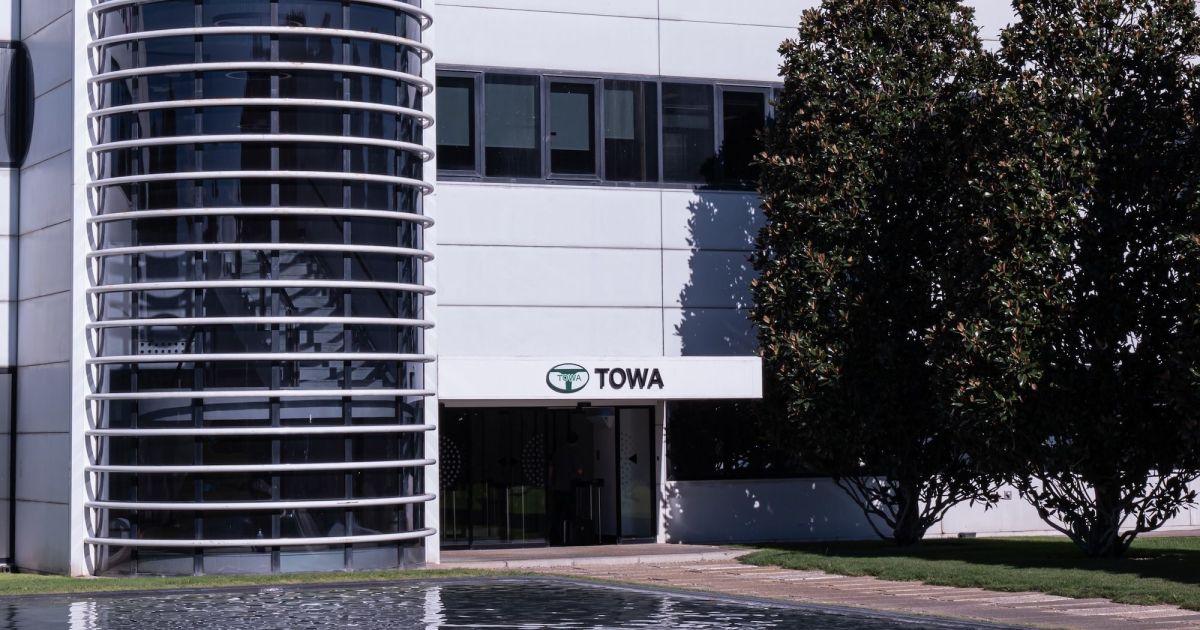
How do you build a shared culture among companies that come from distant origins, sizes, and traditions? What if the distance is between a Catalan family business and a multinational from Osaka? When Towa Pharmaceutical acquired Esteve's generic drug business in 2020, the change at the Martorelles plant was notable. The team went from being part of a Catalan family business to integrating into a Japanese multinational, with all the changes that implies, from the way of organizing to the identity within the company. Thus, the process was not only about integrating a business structure, but also the company's culture, of very different size and origin.
The Japanese company landed in what had until then been Esteve's plant after deciding to make Barcelona the operations center for its international business. From the Catalan capital, a structure with direct presence in Spain, Portugal, Italy, and the United States would be articulated, in addition to a B2B division with activity in about forty countries. Six years later, this international division born in Barcelona as Towa International has more than 1,000 employees. However, its first months were marked by a less tangible issue than financial results, as highlighted by the Head of People and Culture, Communication, Sustainability and Transformation of Towa International, Meritxell Ferraté.
With the arrival of Towa, the challenge was not minor. A large part of the workforce came from Esteve's former generics division, with consolidated teams and its own way of working. Then it was necessary to understand what it meant to be part of a Japanese pharmaceutical group with a very different history, philosophy, and corporate culture. The company, instead of simply deploying new organizational charts or processes, opted to work on this common identity, with initiatives such as the Towa Week, a week designed to discover the origin, values, and way of understanding the business of the new Japanese parent company.
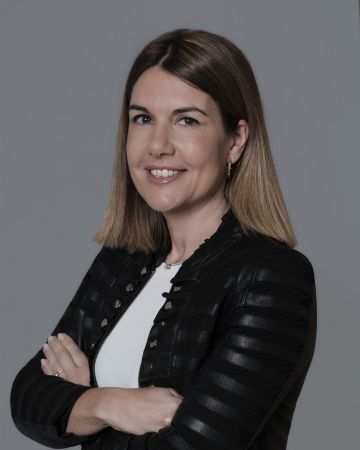
"We had the feeling that we were facing a blank book," explains Ferraté: "It was an opportunity to understand what Towa represented and, at the same time, decide how we wanted to build Towa International." Through workshops, participatory sessions, and listening processes, a process was launched to identify the organization's values, even exploring the Japanese concept of ikigai —what could be an equivalent to the reason for being—, with the aim of defining a purpose that the staff could feel as their own. That exercise served to lay the foundations that have since marked the company's development, as Ferraté highlights.
Now, Towa International has more than 1,000 employees —integrated into a workforce of a total of 5,000 across the entire Towa group—, with professionals of 18 nationalities. In addition to the cultural differences inherent to each country, there are those derived from the different business traditions that coexist within the group. As Ferraté highlights, managing this diversity is part of the company's daily life, with initiatives that are also bidirectional: just as some Japanese celebrations have been incorporated into the Barcelona plant, roses and books fill other offices of the group for Sant Jordi. Beyond the anecdote, these exchanges are part of a constant process of encounter between a global culture and local realities: "We have to be able to integrate globality with the local needs that exist."
Barcelona as a talent attraction hub
In this context, the international dimension of the project has gained weight over the years, and Barcelona plays a relevant role, also due to its capacity to attract talent. Here, the weight of sectors such as pharmaceutical, biotechnological, and technological in the city and its surroundings is key: "We have a city brand that helps."

"It's no coincidence that so many companies in the sector have decided to establish themselves here." And talent, according to Ferraté, must be attracted, but it does not have to be retained: "What needs to be done is to create a culture and conditions with which people decide to stay. When you generate an environment where people can be genuine, there is no need to retain anyone; what needs to be done is to create the space for them to see the company as the best place to grow."
Meanwhile, the business continues to evolve. From Barcelona, Towa International invoiced 300 million euros in the 2024 fiscal year, and also spearheads the presence in the United States, where the company is immersed in a transformation that goes from the retail business of generic drugs to presence in the hospital sector. At the same time, the company reinforces its B2B division with the aim of reaching more markets, all from its plant in Martorelles. Technology, including AI, also plays a main role in this strategy, although Ferraté does not place it at the center of the debate: "Technology does not transform organizations; people transform them."
Add The New Barcelona Post as your preferred Google source for free
Stay informed with the latest news.