The espadrille is one of those classics that no one considers changing. Timeless, traditional, and linked to the Mediterranean, it has always worked as it is. Precisely for this reason, every attempt to reinterpret it turns out to be particularly revealing. In recent years, the barefoot concept —based on a more natural relationship between the foot and the ground, respectful of the natural shape of the foot— has been gaining presence in the world of footwear. Until now, it had done so from a more technical than cultural language. But now this new approach is beginning to translate into recognizable, classic pieces.
It does so hand in hand with a brand expert precisely in this type of footwear: Toni Pons has been producing espadrilles since 1946. Born in Girona as a family business, the brand has grown without straying too far from its origin, maintaining production in Spain and a way of working closely linked to craftsmanship. What began as a small workshop has evolved into a firm with an international presence, without completely breaking with that logic of craftsmanship that continues to mark its identity. "Tradition is part of our DNA, but we never understand it as a static characteristic," explains Jordi Pons, CEO of Toni Pons. "We always work with the will to evolve, but without losing sight of our fundamental values."
Hence their collaboration with Ohne Project. The proposal does not seek to break with the previous, but to slightly displace it. The espadrille remains recognizable, but begins to respond to other forms of use. "We detected a growing interest in footwear that is more respectful of the body and the natural movement of the foot. With Ohne, we found a very natural connection between their technical knowledge and our artisanal know-how."
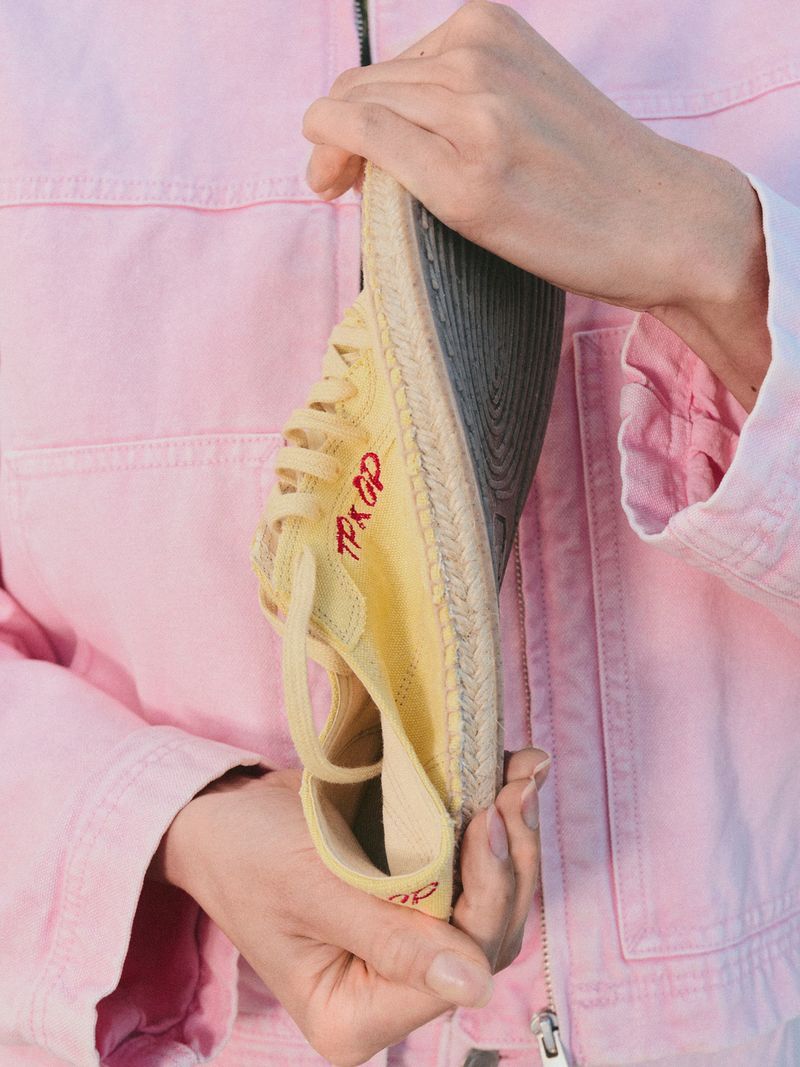
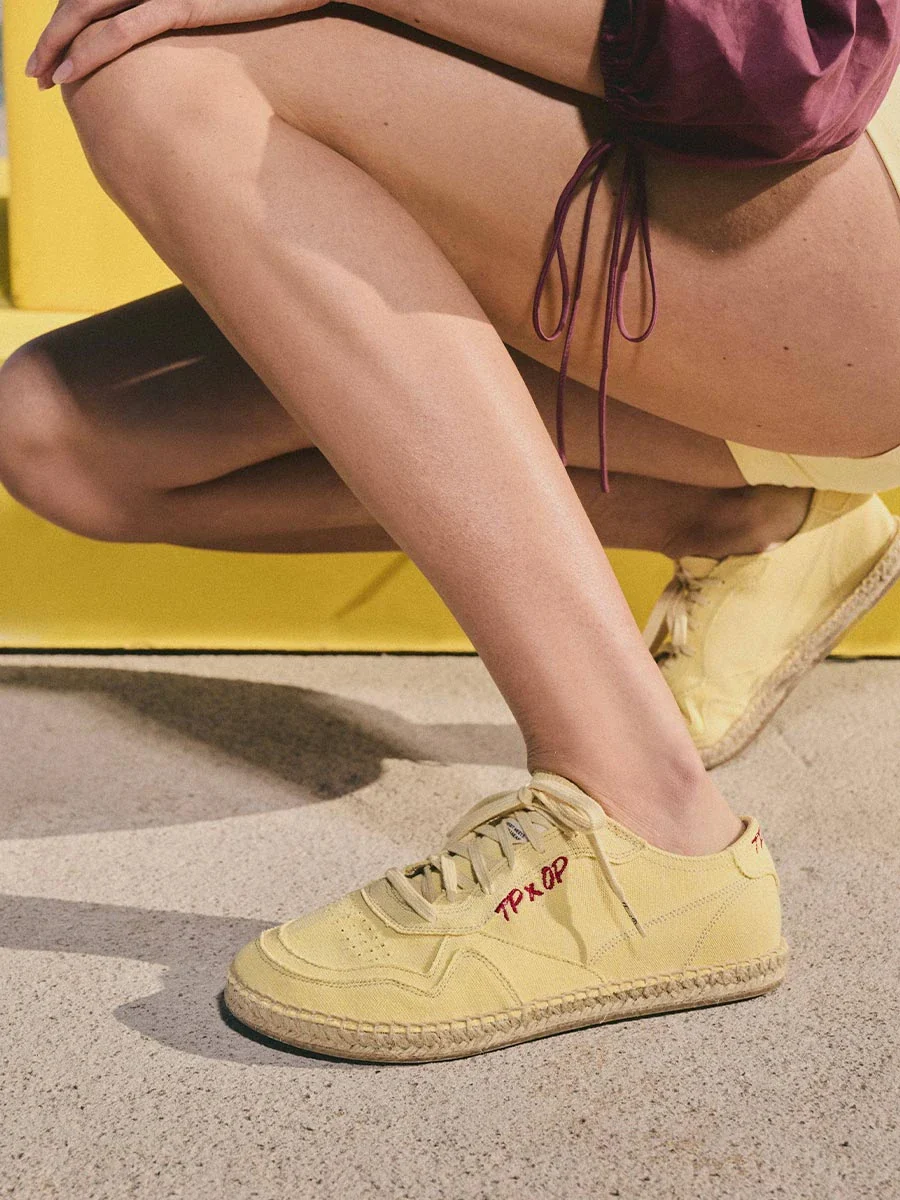
The capsule introduces elements typical of barefoot, such as a wider last, flat sole (zero drop) and greater flexibility, designed for the foot to move more freely. It comes in two unisex models: the 026 JUTE, closer to a boat shoe and made of vegan suede, and the 080 JUTE, a lighter cotton version designed for everyday wear.
The development, however, has not been immediate. "The biggest challenge has been the construction of the footwear itself," says Pons. "Barefoot responds to very demanding standards and has meant rethinking processes, patterns, and shapes without losing the aesthetic and Mediterranean essence of the espadrille."
But the most relevant aspect of the collection is not only in the final product, but in the philosophy it reveals. Even the most established typologies are beginning to be revised from new priorities, where comfort gains weight and ceases to be secondary. "When we saw that the result kept our aesthetic and quality standards intact, we understood that the product worked," he adds. "It was not a forced adaptation, but something coherent and recognizable."
This change also responds to a broader transformation. "Today's consumer is much more informed and aware of the impact that footwear has on their well-being," he points out. "We believe that barefoot is not a passing fad, but part of a deeper change in the relationship with the body and with consumption."
The collection continues to be produced in Spain, with artisanal processes that are part of the brand's identity. This decision is not only a matter of origin, but also of control and quality. Close production allows adjusting processes, materials and finishes without losing the link with the craft.
Add The New Barcelona Post as your preferred Google source for free
Stay informed with the latest news.