The reduction of emissions from the bus fleet is one of the obsessions of the Transports Metropolitans de Barcelona (TMB) team, which works to make all its vehicles sustainable, but also to become an example for citizens and encourage a social change towards more environmentally friendly mobility. The green transition that TMB is leading involves electrification, acquiring only clean vehicles, and the creation of a green hydrogen plant in the Zona Franca, which will supply this new fuel to buses and industries in the industrial park that wish to incorporate it.
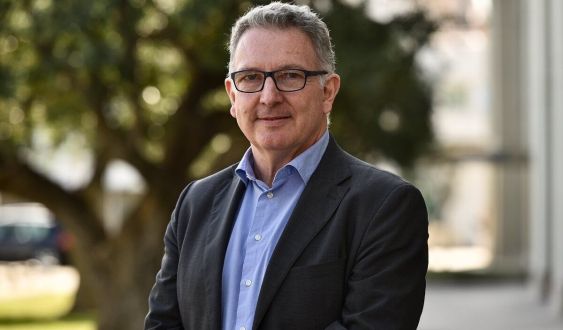
The public company led by Gerardo Lertxundi wants to add another way for the consolidation of clean energies in its operations with biogas, which is obtained from waste such as slurry, manure, sewage sludge or slaughterhouse waste, and serves to obtain heat and electricity. Together with green hydrogen, biogas is presented as a non-polluting substitute for vehicles and should facilitate TMB's compliance with its commitment to achieve emission neutrality by 2030. In France, the use of biogas is becoming widespread thanks to public aid received, which has made it profitable for operators.
According to Lertxundi in an interview with The New Barcelona Post, the scheme to follow for the introduction of biogas in TMB is similar to that which has been promoted for the construction of the first public-use hydrogen plant in Spain, in the Zona Franca, and one of the first in Europe. "For this plant we have spoken with hydrogen producers: they produce it and supply it to us. With biogas we want to do the same," explains Lertxundi.
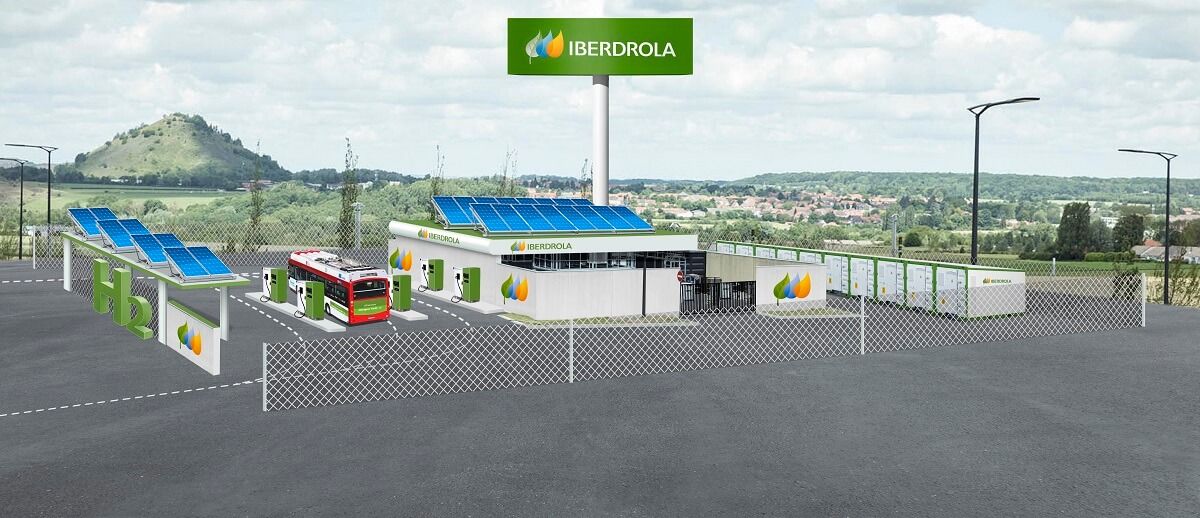
In the case of the hydrogen plant, Iberdrola will be in charge of developing it and it is expected to start operating in November of this 2020. It will allow buses to be charged in a few minutes and vehicles will have a very high autonomy in terms of time and kilometers. TMB will only pay Iberdrola for the green hydrogen used.
As for biogas, Lertxundi specifies that the supply does not need to be made from Barcelona. Production can be located anywhere in Catalonia, taking into account that this fuel can be transported through pipelines to the depots.
In addition to seeking potential manufacturers, TMB is including as a requirement in the purchase of new buses that the use of biogas as fuel be possible. Likewise, the operator is addressing administrations to provide aid that facilitates the incorporation of this new energy source into the bus network, in line with the support it receives in France.
European project to test biogas production
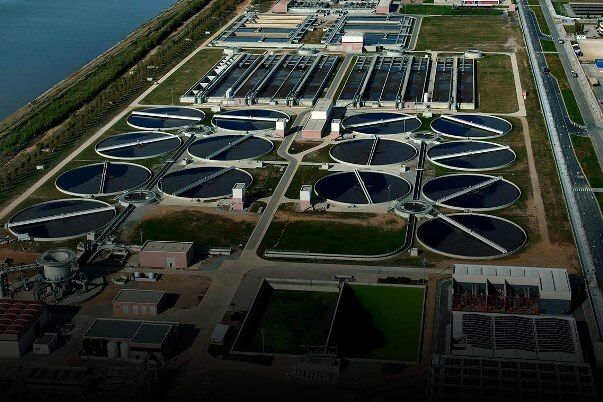
Since October 2020, TMB has participated in a European research project, Life Nimbus, which converts sludge from a wastewater treatment plant into methane gas ---biogas is basically made up of methane---. The product obtained in this experiment will serve as fuel for an urban bus from the Barcelona operator's fleet, from the Zona Franca depot, which will use it for its daily circuit.
Specifically, the Baix Llobregat wastewater treatment plant (EDAR), located in El Prat and managed by Aigües de Barcelona, is where this method of revaluing waste is being tested and reused in the bus network. The project has partners such as the Water Technology Center (Cetaqua), which leads it; the company Labaqua, and the Autonomous University of Barcelona (UAB), in addition to Aigües de Barcelona and TMB.
The boost from European funds to its commitment to green energies
Like many other administrations and companies, TMB is finalizing the projects it wants to present to apply for European funds. "These are projects that we were already working on at TMB and that fit perfectly," explains Lertxundi. "We will be very ambitious," he adds.
According to the CEO of TMB, European resources can serve to accelerate the electrification of its fleet and the adoption of new fuels such as hydrogen, making their use cheaper. Also on the table is the completion of L9, as the Govern announced, to whom the investment in the execution of the central section of this infrastructure corresponds. "It is a project that will transform the mobility of the city and the metropolitan area. It is strategic," he remarks. But TMB is also thinking about other metro lines. "There are more lines that need to improve, in terms of service and trains, and we are talking about a few: L1, L4 and L5," he indicates.
Impact of covid-19: fall in revenue and deployment of a historic service
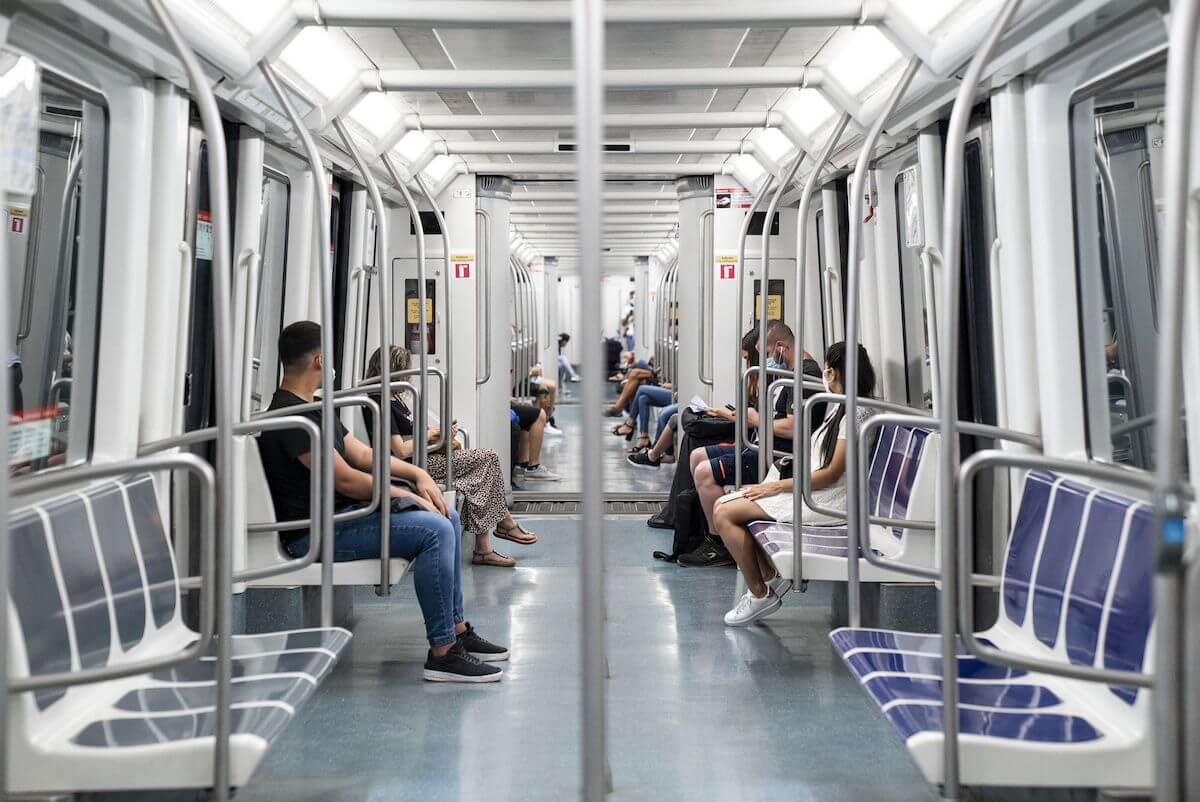
The pandemic has had a clear impact on mobility and public transport. Restrictions have led to an unprecedented drop in travel, especially in the hardest months of confinement. In April last year, TMB registered a 91.5% drop in passengers. But covid-19 has also led to the implementation of new security measures to prevent infections. "Public transport is not a source of infections," emphasizes Lertxundi, supported by "many studies that have said it is safe and none that say otherwise."
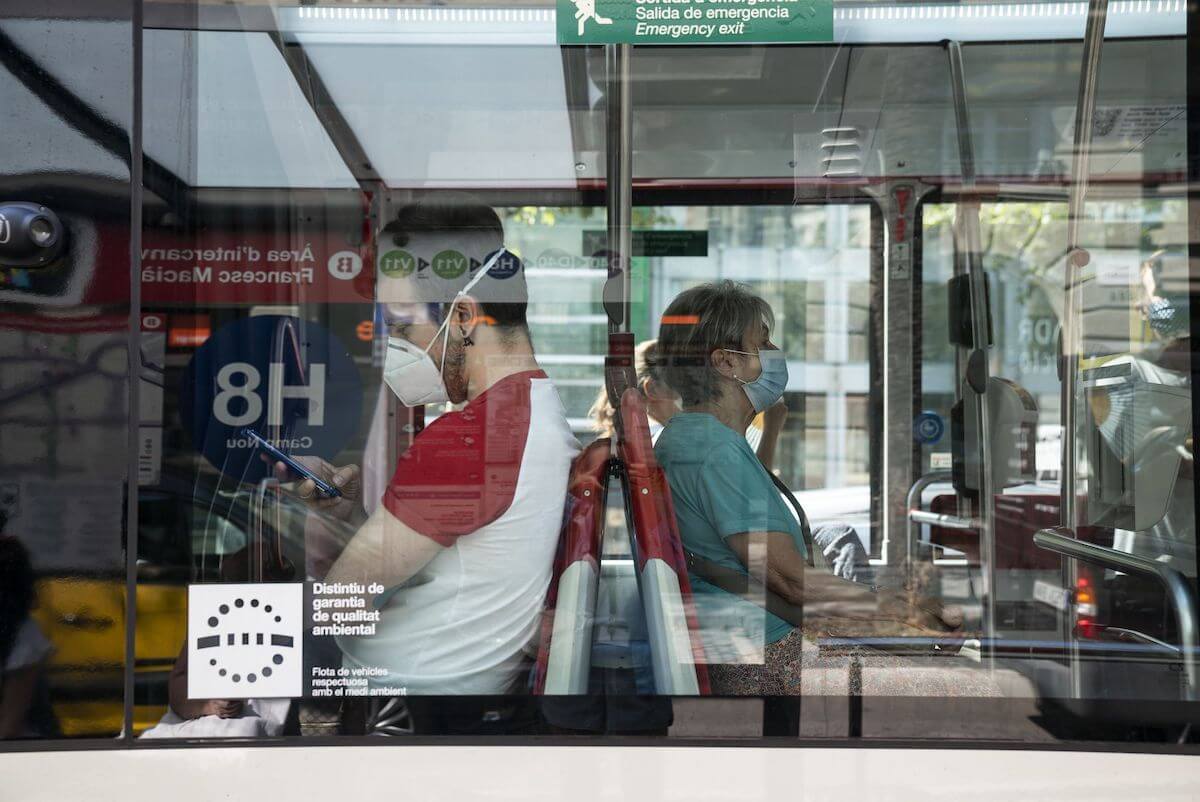
The operator has reinforced ventilation and cleaning systems, has provided hand sanitizer and masks to users, has placed screens to isolate drivers, and has prohibited cash payments on buses. It has also expanded its service, reaching the highest figure in its entire history. "This is not easy to do. It involves a great organizational and management effort because it forces us to work without a net: at peak hours we don't have any metro in maintenance, we have them all circulating," details the CEO.
"Public transport is not a source of infections," emphasizes Lertxundi, supported by "many studies that have said it is safe and none that say otherwise"With the fall in passengers, from 623 million users in 2019 to 333 million in 2020,TMB's revenues have proportionally decreased, even a little more due to the loss of tourists, who pay higher fares. If in the year before the pandemic, TMB earned 392 million euros, it expects to close 2020 with a 50% drop in turnover.
The administrations have approved several rescue funds to cover the losses of operators and Lertxundi points out that a large part of TMB's income drop recorded in 2020 has been covered this way. The public support they will need this 2021 is expected to be less, but it will still be necessary. "It is necessary to bet on public transport. These are absolutely necessary funds for sustainability, the environment and the lives of people living in cities," concludes Lertxundi, also hoping that Congress will finally approve a public transport financing law, one of the pending issues in Spain for some time.
Add The New Barcelona Post as your preferred Google source for free
Stay informed with the latest news.
