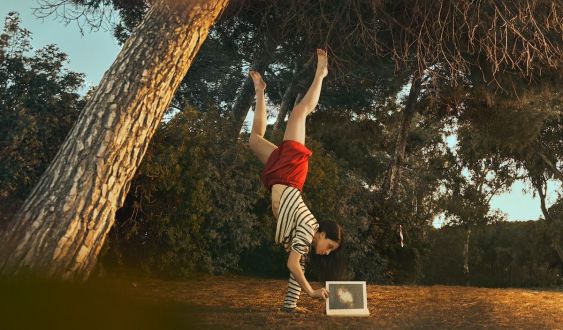
The exhibition The Forest, consisting of large-format photographs framed on the walls of Can Framis, invites us to reflect on the fears and desires that young photographers project towards the future. It is a collaborative exhibition, where the artists have worked in groups, contributing to each snapshot. In a very direct way, the concept has always aimed to be above individualities and other values.
The artists participating in the exhibition, which can be visited until January 31, introduce themselves with the following letter: "We are a group of photographers from all over the world, members of a generation whose adolescence and transition to adult life have been marked by countless events that have shaken the foundations of our global community. Together with other young people from Barcelona, aged between 18 and 27, we have moved to the green areas of Poblenou to articulate in a coherent visual ensemble the perceptions and aspirations that the members of our generation project towards the future. Through a series of testimonies and images, the forest sheds light on an ecosystem of uncertainty, optimism, and hope. It is our collective response to the current crisis we face."
And this is the generation of permanent crisis, of lack of hope and lack of perspective. Where everything must be immediate and superficial, little is left for reflection, for pause. Little vaguely guarantees anything. There are no guarantees of success anywhere. The empty generation of "we were wrong to replace books with multi-screens," guilty of the poor education they have received, of surviving a pandemic, of being treated as merchandise by big brands, of their problems being permanently overlooked, of not believing in dogmas or false meritocracy, of being idealists, of wanting to change the world...
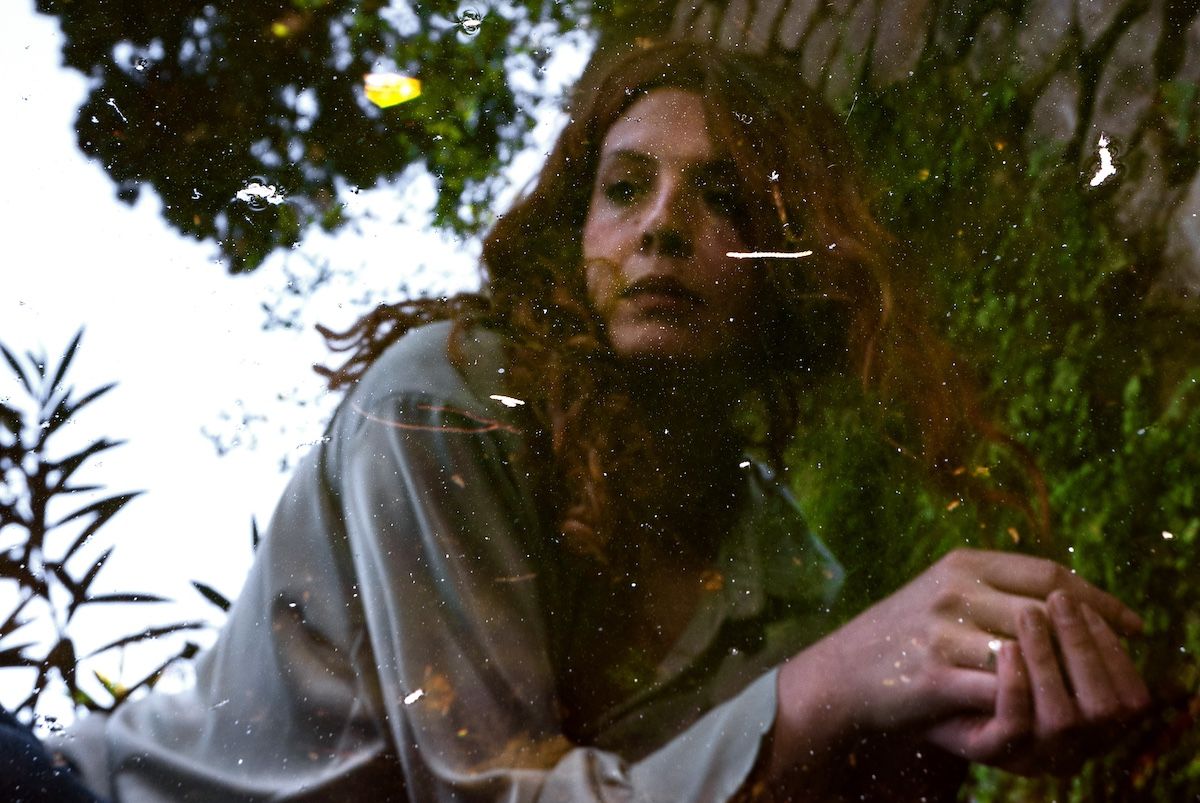
A new postmodern style of what we would call a lost generation, pushed to be cannon fodder for populist discourses and job insecurity. They have to constantly compare themselves on social media with everyone else. They embrace a romantic ideal that is sold exclusively to them and suffer melancholy for things they haven't even experienced.
And with all these clichés, fueled by media and voices that forget that even though many were left behind, others had it easier, they fan the flames with hate speech towards a group that does not deserve, it seems, its own voice, nor a fair opportunity, nor to be treated with respect, far from outdated dogmas, black and white views, and rather scarce memory. The so-called "crystal generation" writhes in its niche of self-complacency and howls at the moon with a mixture of sadness, frustration, and rage in the face of injustice.
When the nihilistic point of view to which certain discourses push us transforms into something artistic, it should always be celebratedAnd, despite everything, new artists emerge. It is truly admirable. When the nihilistic point of view to which certain discourses supported by the media push us transforms into something positive, something artistic, it should always be celebrated. We are, then, before a true revolutionary act, a propositional nihilism, which part of the desperation of vital uncertainty to create something new from suspicion, without optimism, but keeping a small spark of hope.
So what can be expected from a new art? Where will the new photographers go when everything seems to have been said and seen? In a world oversaturated with images, working the miracle of creating a single photograph that ends all others seems like a chimera. Today's young people have unattainable standards of success, fueled by consumer society and social networks that, in turn, blame them for not being able to achieve them. So, how to stand out above all that noise? How does a drop of water attract attention in the middle of the ocean?
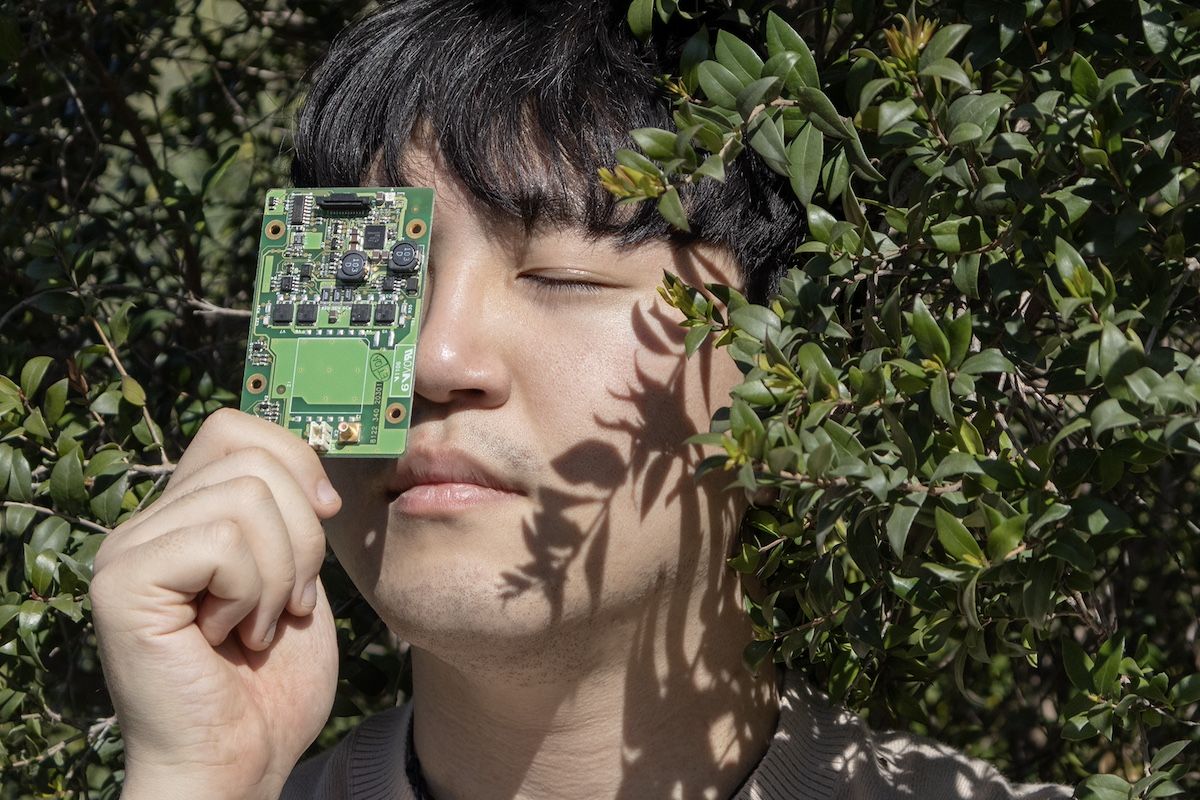
In current visual art, it is more difficult to find a unique and identifiable artist, and much more difficult for them to work alone and grow alone. Social networks like Instagram have democratized the production of images and have made trends move all at once and in different parts of the world.
This, which to a greater or lesser extent has always happened, is now emphasized by that furious immediacy, by that surfeit of images and by their already poor communication mechanism and their low effectiveness in discourse.
In the midst of the Tik Tok generation, the still image has been deliberately supplanted by the moving image. Social networks feed on images, creating a new collective language. It should not be surprising in cases where teenagers talk to each other with emoticons instead of words.
Current photographers must seek a sensationThere is no place, no country, or anything in common to go to seek inspiration. There is no longer a Paris, a Berlin, or a Tokyo. Artists end up in a niche, faithful to a personal style, often the result of a mix between their successes and their flaws, and with their very exclusive personal references.At the same time, thanks to the virality of networks, a global popular art becomes more ephemeral than ever, very impactful, but instantly forgotten or supplanted.
Things have not changed, they have become more accentuated. The search for referents focuses on affinity with others or on difference. Current photographers must seek a sensation, something agile that competes in the time they have had to live, that goes against all the noise; two or perhaps three images that do not leave the viewer indifferent. Something that distances the viewer from the tedium of representation.
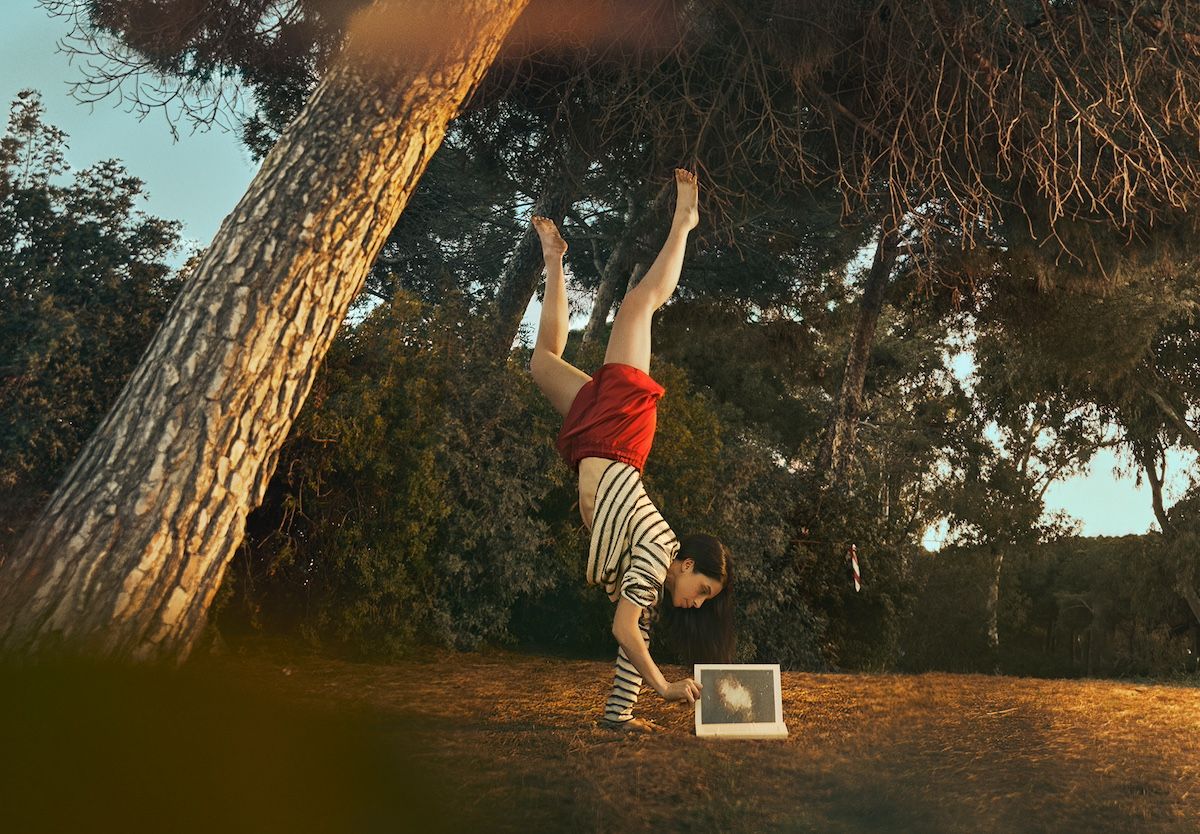
Collective art is a revolution, which, as if that weren't enough, must also confront artificial intelligence with all its impulses and talents. With the inevitable expansion of this new technology, and with the era of technopopulism fully established, one cannot gently enter this good night. One must point a finger at everything that smells of humanism and separates us from the synthetic brain, from the machine that uses the diabolical algorithm to give a thumbs up or down as if it were a Roman circus.
The machine, for now, cannot feel, cannot make mistakes and therefore, is not yet capable of having a signature, a personality as an author. It is the small details, the vices, the mannerisms, the small preferences in the framing, the whim with the light, the errors, the imperfections, the recurrent, that end up forging an artist. That conjunto ends up being, voluntarily or involuntarily, a style.
In this photographic exhibition, the forest is presented as an escape, as a refuge.Time, as always, will write, through interested hands, who transcends and who does not. Who we should remember and who not. Who deserves attention and who not, and who should be consumed and who not. In this exercise of purging, an enormous amount of discards and loss of talent are generated that end up in oblivion without deserving it.
In this photographic exhibition, the forest is presented as an escape, as a refuge. A return to the origin to flee from civilization. A place of technological and social dissidence; beginning and end of the proposal. There is something of an innate perennial cycle in nature, of rebirth and resurgence. From the forest, we can reimagine everything and always start anew.
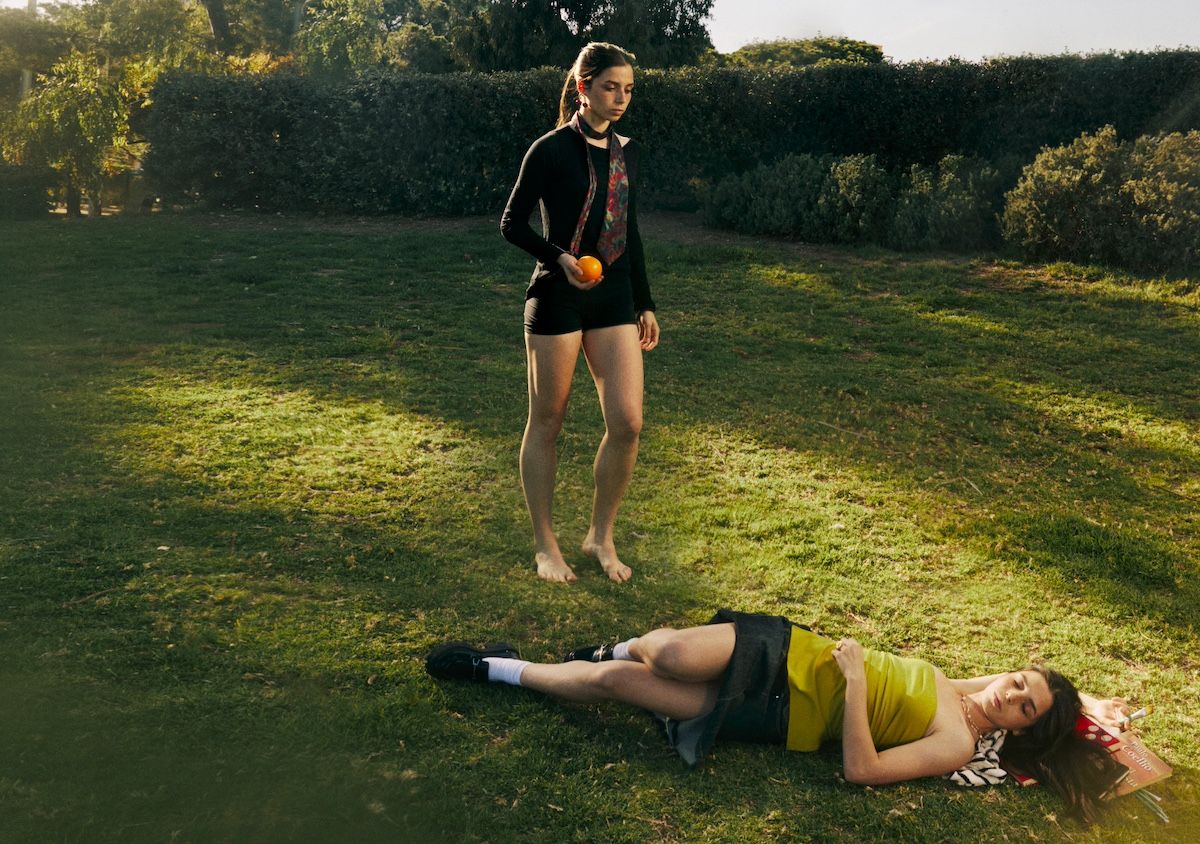
In the forest, time stops, nature gains control and we find ourselves alone, without artifice and in the midst of what is born and cohabits in a wild way.
The shadows contort and the light is filtered by the leaves of the treetops. New figures and forms appear with each blink. Artists take refuge in the forest like John Rambo did, fleeing a world that no longer understands him and with all his comrades dead; like C. J. McCandless in Into the Wild; like one who needs to retreat to the rhythm of The Forest by The Cure, to return home with renewed strength and experiences to tell.
The exhibition is made up of the collaborative project by artists and curators Francesca Bari, Li Bing, Paolo Buso, Fabio Di Pietrantonio, Shabnam Ferdowski, Daniela León, Patrick Martin, Paula Mateu, Seok Park, Daniela Portillo, Felix Razum, Charlotte Rühl, Sukriti Singh, and Bartosz Sobolewski. The project is directed by Pedro Vicente and mentored by Natasha Christia, Iván Hugo, Elena Olcina, and Pedro Vicente.
Add The New Barcelona Post as your preferred Google source for free
Stay informed with the latest news.