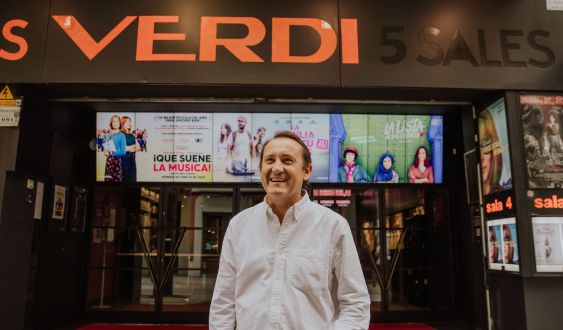
To speak of the Verdi cinemas is to speak of cinema afternoons in capital letters. It is to speak of Barcelona. Of the streets and squares of Gràcia. Of inveterate cinephiles. Of seekers of emotions and stories that fill the spirit. It is to speak of a history of illusion, innovation, and especially overcoming challenges. Because the emblematic original-version multiplex has been on the ropes several times, on the verge of disappearing, but has always managed to pull through, adapting to changing habits, overcoming economic crises, and now also a pandemic that has once again forced it to reinvent itself.
[subscribe_newsletter_esp]
It is a stage full of difficulties, with restricted capacities and many spectators still fearful of going to the cinema as they used to. But the Verdi cinemas are fortunate to now have behind them the film distribution group A Contracorriente Films, which came to the rescue of the emblematic cinemas in 2014 and currently owns 100% of the shares. Thanks to the successful trajectory of Acontracorriente Films and the entrepreneurial spirit of its founding partners, the Verdi cinemas have just taken a new step with the launch of Sala Virtual De Cine, a project with which they make the leap to the Internet.
This is a forward-looking decision that seeks, once again, to adapt to the context and new generations by leveraging technology and a very important element: now more than ever, consumers are willing to pay for good content without having to leave home; one only needs to look at the millions of subscribers that the major international streaming platforms have achieved.
"We are opening a new exhibition window that should not be seen by cinemas as an enemy window, but as the ideal complement to their business. We are landing in the online world without giving up a single spectator in the cinema," says Adolfo Blanco, founding partner of A Contracorriente Films.
We are opening a new exhibition window that should not be seen by cinemas as an enemy window, but as the ideal complement to their businessAccording to Blanco, every time a viewer watches a film through this virtual cinema, it generates income that contributes to the maintenance and survival of physical cinemas. Thus, Sala Virtual de Cine is not an exclusive platform for the Verdi cinemas, but open to the entire exhibition sector and currentlyone hundred cinemas across Spain have already joined the initiative.
"When you enter the website and register, you must select your usual cinema, which allows that cinema to keep a portion of the price you pay for the film. It is a revolutionary concept that we have created this 2020, in the midst of the pandemic, although we had already been working on the project for two years," explains Blanco in an interview with The New Barcelona Post.
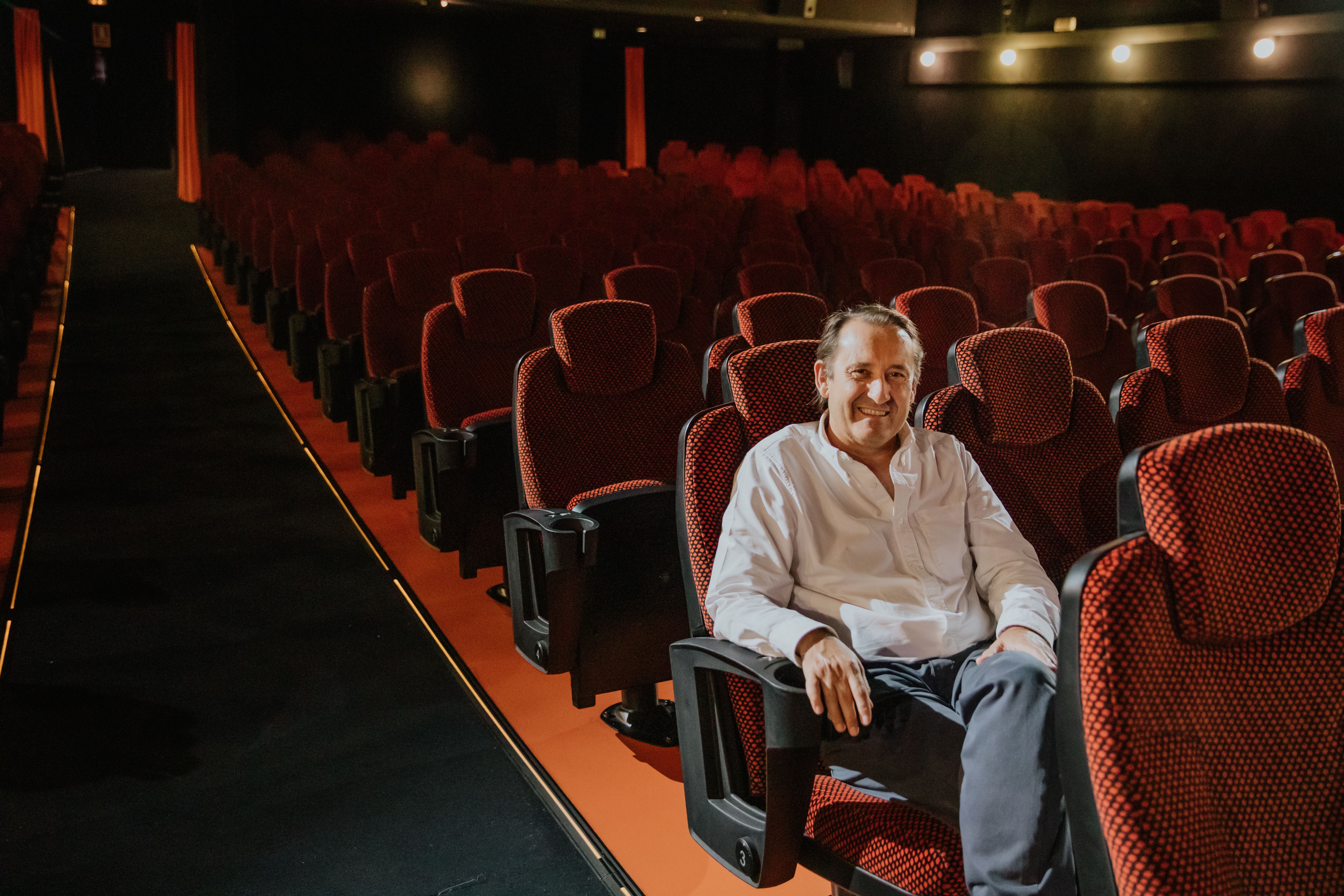
According to the businessman, the difference with large streaming platforms is that Sala Virtual de Cine does not operate as a monthly subscription model, but only allows payment per film viewed. Another differentiating element is that it is also a premiere window, as some films can be seen simultaneously with their debut in cinemas.
"There are many films that have a very short exhibition period in cinemas and that we quickly rescue in Sala Virtual de Cine, we give them continuity, since cinemas have a limited number of screens and sessions," Blanco points out. Usually, when a film is released, cinemas have a protected window or period for exclusive exhibition of 112 days. However, the sector is changing and the rigidity of these rules that have defined an era is also fading.
"It's not about eliminating the protection window for all films ---Blanco argues---, but about making tailor-made suits; we will evaluate it case by case, because there are films that clearly do not require such a long period of protection, because they do not need to be exhibited for so many days in cinemas." One of the films that will be released simultaneously in physical cinemas and virtually is the Italian documentary film Fellini of the Spirits.
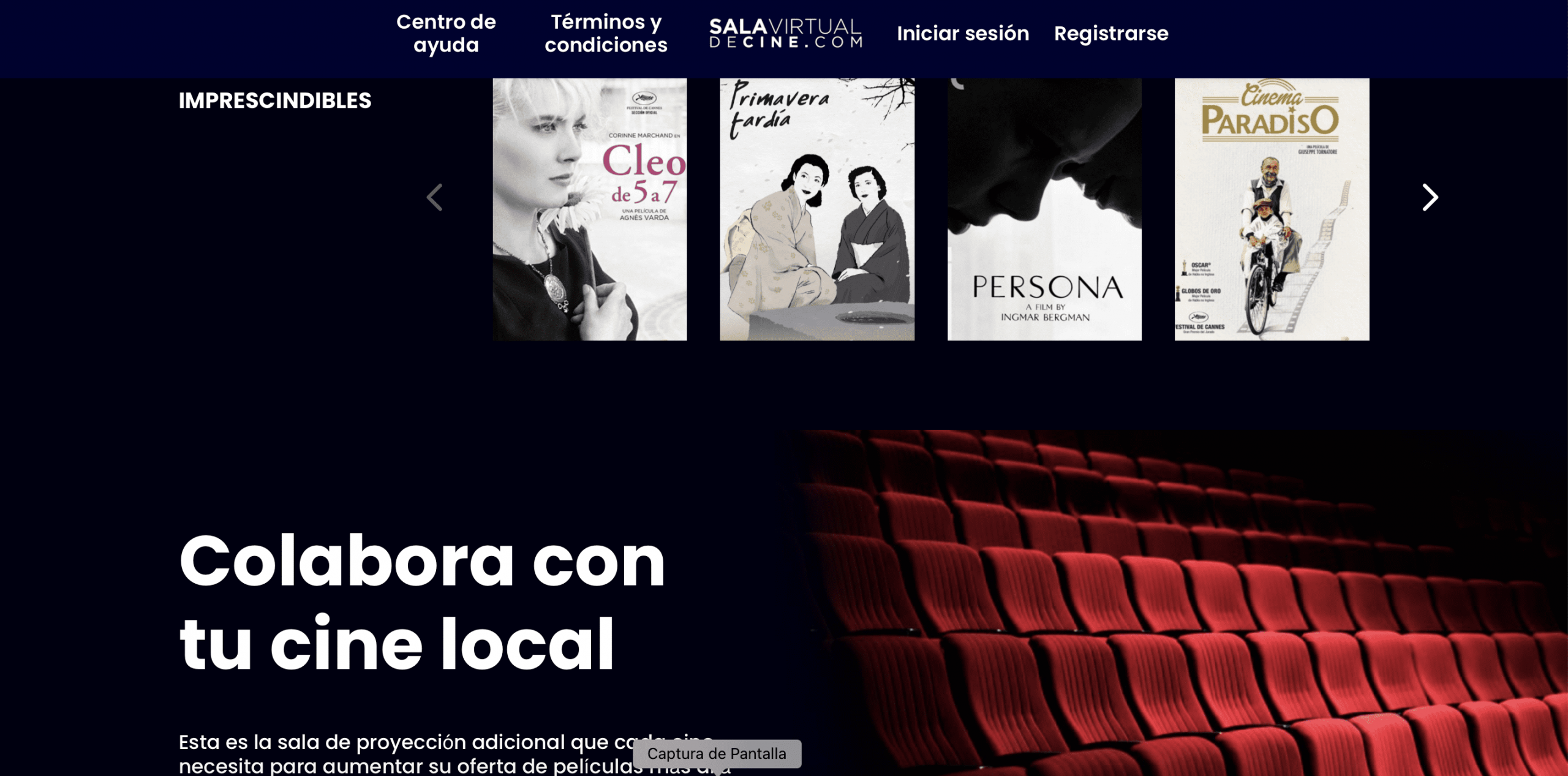
In Sala Virtual de Cine, you can find films on offer, at a price of 1.99 euros, and also great classics, at 2.99 euros. Premieres can be viewed at home for 6.99 euros. Another strong point of Sala Virtual de Cine will be the offer of high-end art documentaries, a very niche market segment that the Verdi cinemas have successfully managed to retain.
It is a business model that is supportive of our cinemas and open to the entire sectorAccording to the partner of A Contracorriente Films, the platform is like another screening room for associated cinemas, as they can exhibit films that they have already withdrawn and thus continue to generate income. "It is a business model that is supportive of our cinemas and open to the entire sector," says Blanco, adding that it is a complement for cinemas that also allows reaching those viewers who do not go to the cinema. "We make any film accessible to any viewer", he emphasizes.
Overcoming the most difficult year
The Verdis have launched this project in a year marked by decrees that have closed, opened, closed again, and reopened theaters due to the coronavirus. "One more closure and they kill us. The consequences of the pandemic for the cinema sector are tremendous. People must understand that theaters are safe and that capacity is limited to 50%," he stresses.
Blanco, however, admits that the Verdis have better attendance than other theaters, as they attract "a young audience, very intellectually restless and loyal." The multiplex is closely linked to the social and cultural life of Gràcia and acts as a locomotive for many businesses in the area, especially the bars and restaurants near the theaters. "Thousands of people visit us every week; if we are closed, it shows in the neighborhood," Blanco believes. In June, to celebrate the first reopening with the neighborhood, they commercialized tickets at popular prices, 2.90 euros, with the attendance of 10,000 spectators in just seven days.
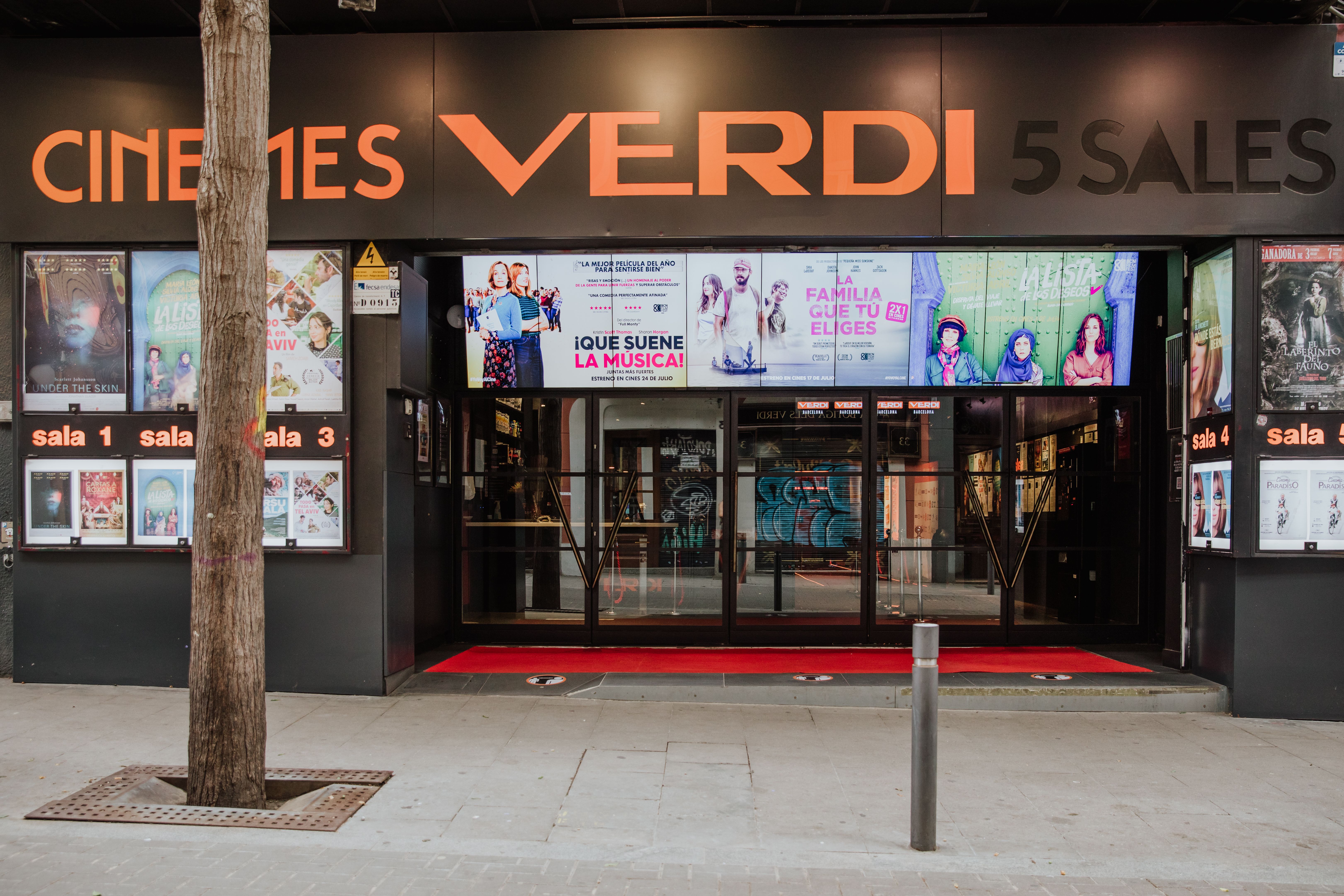
A Contracorriente Films has been able to compensate for the drop in spectators in its theaters ---they own nine in Barcelona and 17 in Madrid--- with the increase in demand for films from large streaming platforms. The pandemic has boosted the consumption of television hours, and the distribution company has sold many more films than usual to these online companies, which needed to expand their catalog. Thus, the company expects to close the 2020 fiscal year with revenues similar to those of 2019, quite an achievement given everything that has happened.
A Contracorriente Films, a success story
The A Contracorriente Films group, based in Barcelona, invoiced 26 million euros last year and is considered the main film distributor of Spanish capital. It should be noted that 86% of the sector is controlled by the film distributors of the American majors, that is, the big Hollywood studios. Of the remaining 14%, A Contracorriente controls a third of the market, which makes it the largest of the independent distributors or those unlinked from the majors (it controls a global share of 4%). Its catalog of classics, such as Fellini's La Dolce Vita, exceeds 1,500 titles.
With a staff of one hundred workers, the company was born eleven years ago as a spin off of Notro Films, a distributor that Adolfo Blanco had founded after leaving the Planeta group and that he sold to the audiovisual group Vértice 360. After the sale, the entire former Notro team re-embarked with A Contracorriente Films, a company that maintains the DNA of distribution, but has verticalized and has also entered into production ---it has co-produced 24 films--- and exhibition. It belongs to several partners, seven of whom work in the group and there are others with a more financial profile.
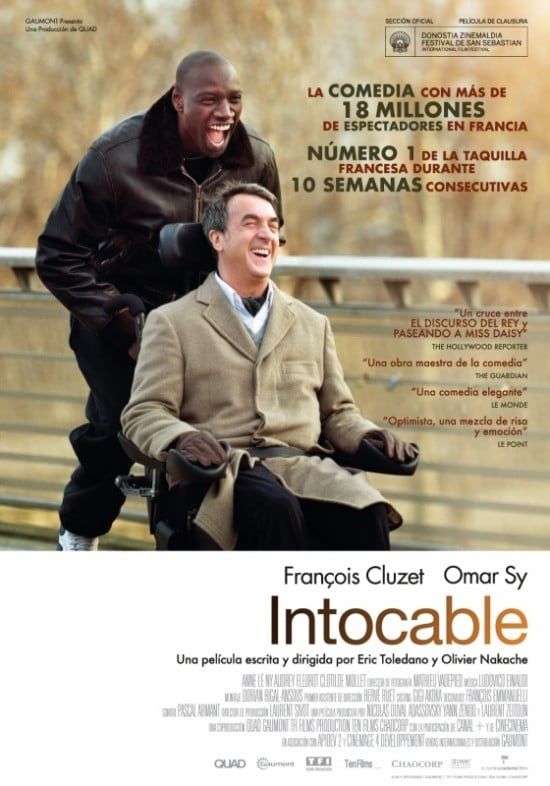
In its original activity, they distribute about 25 films a year, that is, they manage one premiere every two weeks. Their focus is commercial European cinema and the so-called feel good cinema, that is, the one that gives good vibes. The Cinesa chain is their main client. Their big hit was the distribution of the film Intocable, which became the highest-grossing non-English-speaking European film.
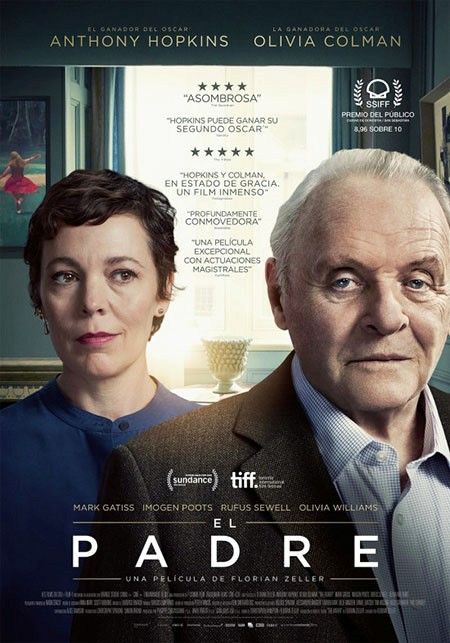
A Contracorriente premieres today The Father, the most important film of the year for the company, as it stars two greats: Anthony Hopkins and Olivia Colman. It is a film that Sony distributes almost worldwide, but in Spain it belongs to the Catalan company.
In 2012, A Contracorriente entered the exhibition sector with the purchase of the Conde Duque cinemas in Madrid, to which the Verdi cinemas were added in 2014, so today they operate a total of 26 screens.
THE VERDI, THE LEGACY OF A VISIONARY, ENRIC PÉREZ FONT
The Verdi cinemas were born in 1987 at the hands of Enric Pérez Font, a visionary passionate about the seventh art and, especially, auteur cinema who opted to install in Gràcia the first multiplex in Barcelona in original version. In the city there were other cinemas specialized in screening undubbed films, such as Capsa or Casablanca, but they only had one screen.
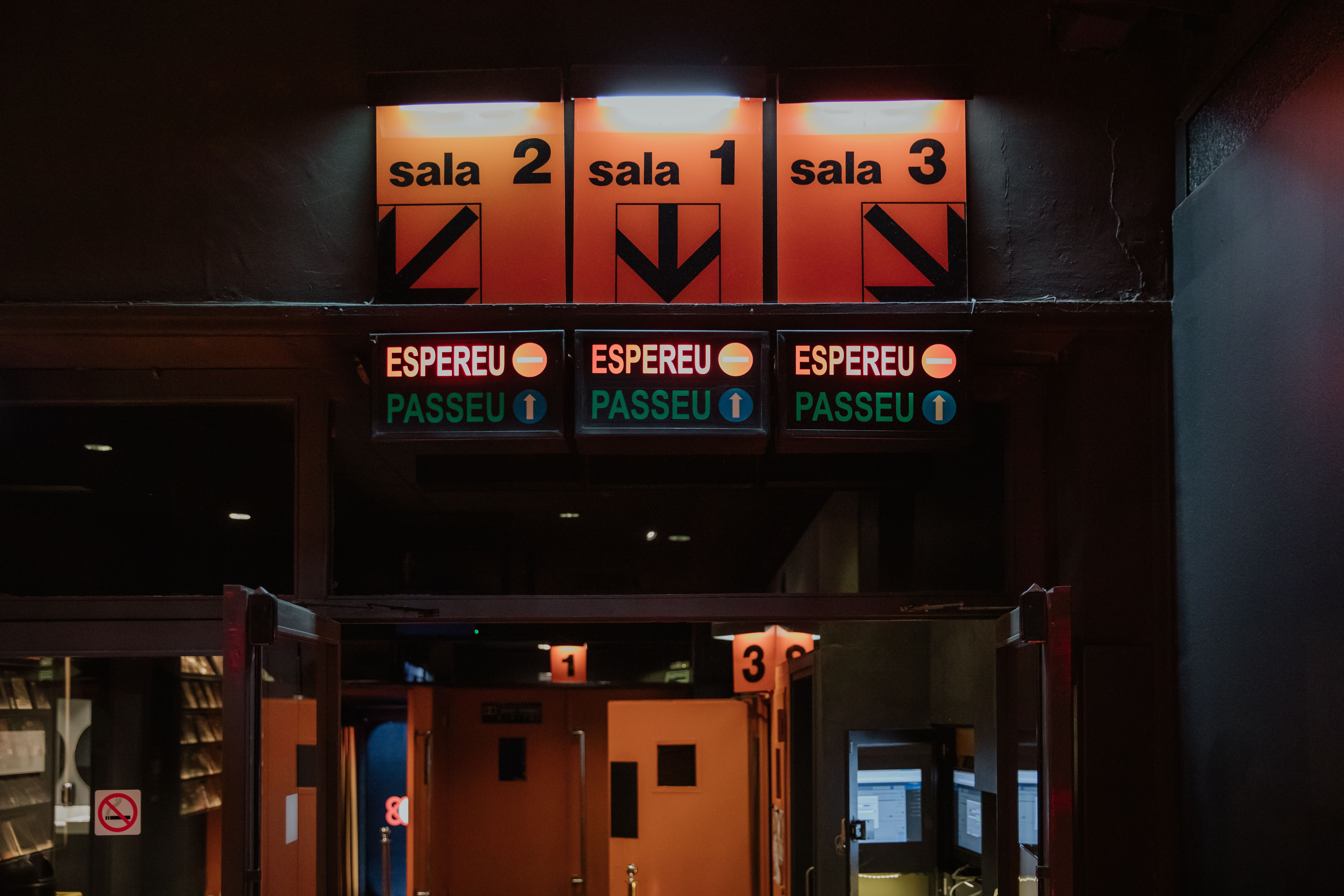
After the initial success, the Verdi grew from five to nine screens by renting an adjoining property, with access from Torrijos street, called Verdi Park. The cinemas experienced various ups and downs, with some years better than others and overcoming various crises. In 2013, however, alarm bells rang and many apocalyptic articles were published in the Barcelona press predicting the closure of the Gràcia complex due to the delicate health of the company. And it was then that A Contracorriente films came to the rescue of the Verdi, which were, by the way, one of the distributor's best clients.
Adolfo Blanco remembers very well how difficult the negotiations were for the rescue plan of the multiplex. "I threw in the towel several times," he assures, but if the Verdi closed "it would be a catastrophe for A Contracorriente, because we would lose one of our main windows. We had to try."
We managed to get the Verdi out of the ICU by rowing and rowing and now Covid arrives!And that's how, thanks to the support of Triodos Bank---which had already granted a lifeline to the founder of the Greens---, of theInstitut Català de Finances(ICF) and the Catalan Institute of Cultural Companies (ICEC), A contracorriente became the majority shareholder of the cinemas. "We managed to get the Verdis out of the ICU by rowing and rowing and now Covid comes along!", exclaims Blanco.
A year ago, Enric Pérez left the shareholding of the Verdi, which now has a single shareholder. The company has also secured the future of the complex by acquiring the building that houses the theaters, with the financial support again of Triodos Bank and the ICF. This year, A Contracorriente Films has won the 6th edition of the Triodos Bank Award, which is organized annually by the European entity.
Add The New Barcelona Post as your preferred Google source for free
Stay informed with the latest news.
