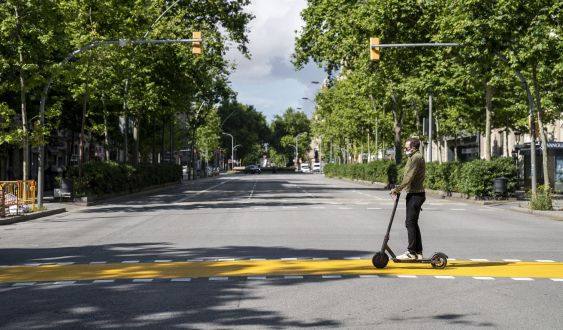
It is estimated that in the metropolitan area of Barcelona, 44,210 daily trips are already made with the so-called personal mobility vehicles (PMV), a category mostly dominated by electric scooters, but which also includes segways and other devices. The volume of users who regularly use this means of transport on weekdays has quadrupled in just three years, as in 2017 the number of daily trips was 10,000, according to a study just published by the Barcelona Metropolitan Area (AMB) and the Institute of Regional and Metropolitan Studies of Barcelona (IERMB).
Despite the strong growth experienced, scooters represent only 0.4% of all daily trips made in the metropolitan area. Much more widespread is the use of bicycles, which already accounts for 1.9%, with 211,993 movements. In terms of people, it is estimated that there are already more than 118,000 Barcelona residents who are regular or occasional users of scooters and segways. In addition, about 42,000 people claim to have one or more scooters at home.
According to the study, the profile of PMV users is that of a man (60%-70% of the total) between 30 and 40 years old who uses the scooter for work or study reasons (54% of cases) or personal reasons (46%). The average duration of trips is 15 minutes, mainly through the urban fabric of Barcelona. These users usually walk and drive less than the average population, but use bicycles, motorcycles, or public transport more.
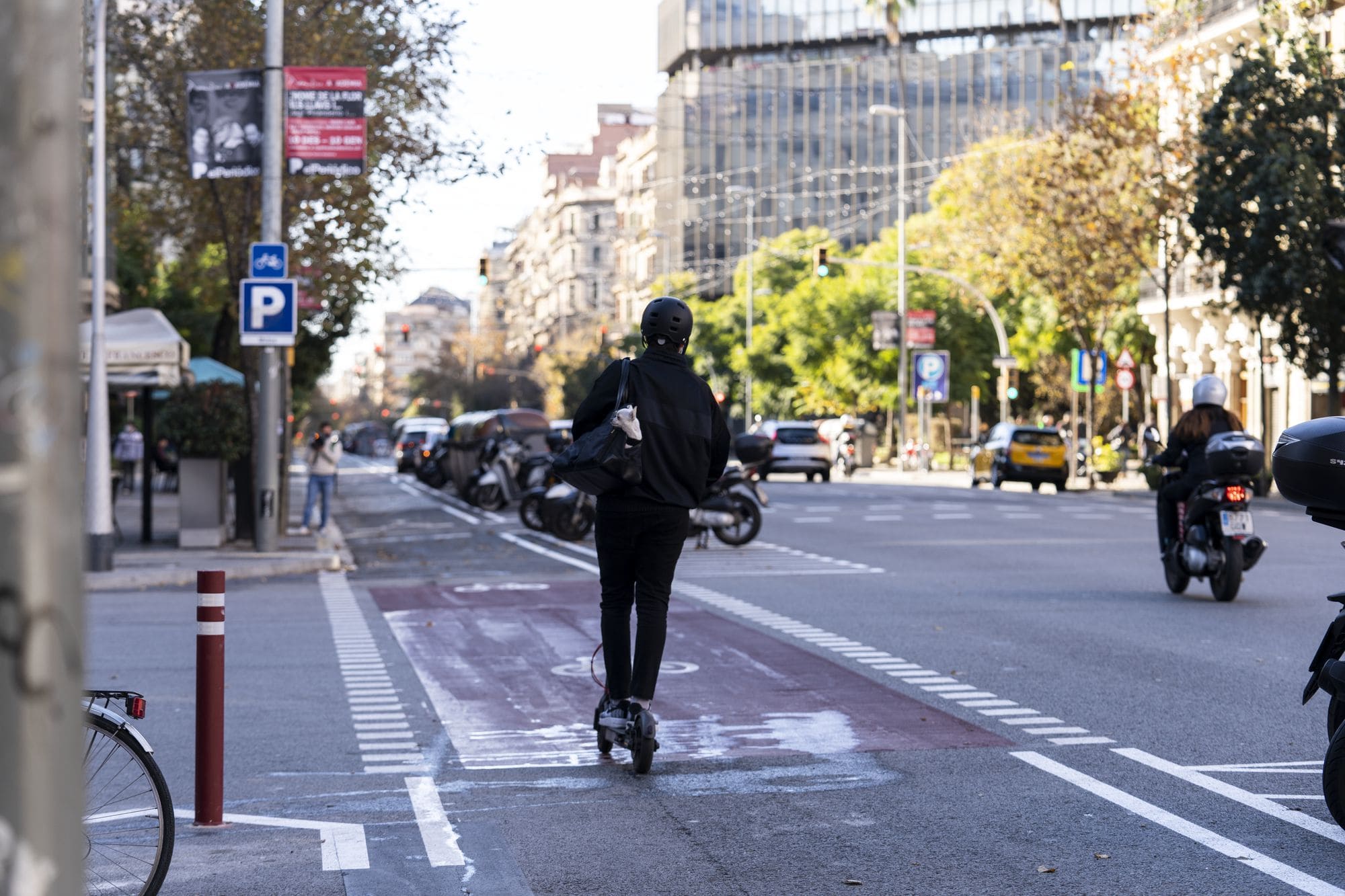
The Vice President of Mobility, Transport and Sustainability of the AMB, Antoni Poveda, states that electric scooters are already "another piece of daily urban mobility" and that "they must be taken into account to continue advancing in new, much more sustainable mobility."
The IERMB assures that the growth of this new form of mobility allows reducing the use of private vehicles in the city, as there is a transfer from cars to scooters. It also incentivizes intermodality between different means of transport and reduces congestion in public transport during peak hours. In parallel, the head of the institute's mobility area, Maite Pérez, points out several drawbacks, such as possible "coexistence conflicts with pedestrians and cyclists, the occupation of public space, accident rates, or the fact that many electric scooter users previously traveled on foot."
Scooters are another piece of daily urban mobility and will be taken into account to continue advancing towards more sustainable mobilityThe study highlights that one of the great pending challenges in Barcelona is the regulation of shared electric scooter rentalafter the "sudden irruption" of different operators in 2017, which caused numerous conflicts between companies and administrations. "Over time, the market has been thoroughly restructured, resulting in the disappearance or absorption of many companies," states the AMB. "The future of shared electric operators in the Barcelona metropolis is still uncertain, awaiting regulation to grant licenses," they point out.
Barcelona prepares the tender to regulate electric scooter rental for this summer. The main operators met with the City Council in September 2019 to begin joint work to achieve a regulation, although, since then, no progress has been made. The sector demands speed and compliance with the announced forecast, as this indefiniteness has generated uncertainty and legal insecurity. Some operators have not waited and have put their scooters on the street without authorization, implying a comparative disadvantage with the rest.
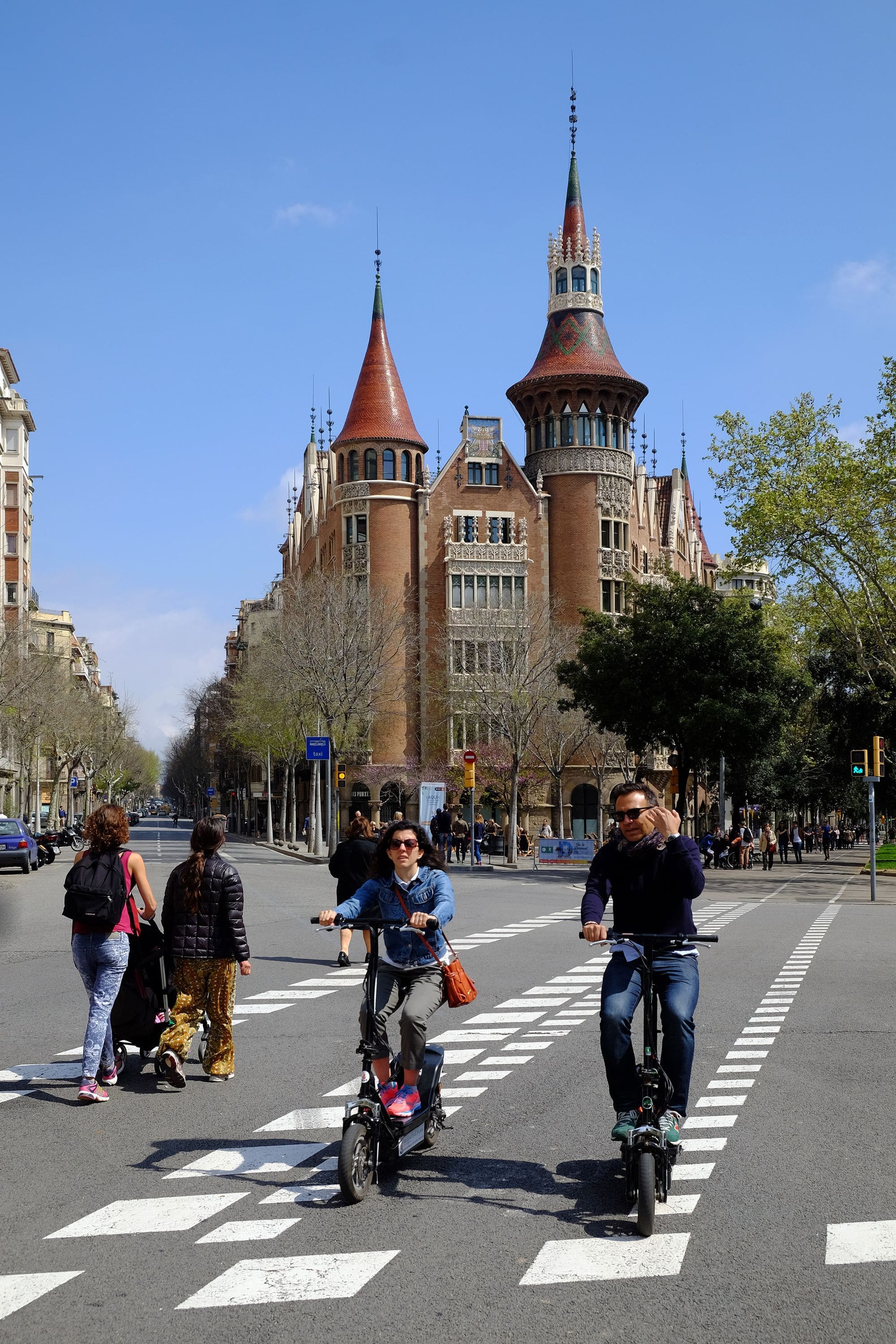
Effective regulation of this activity would allow the city to set conditions that are aligned with the challenges of reducing pollution, improving traffic in the city, and improving the use of scooters by users. The commitment to scooters adds to the council's desire to weave an alternative, sustainable, and healthy urban mobility network.
Unclear regulations
In the study on PMVs, the AMB, an organization chaired by the mayor of Barcelona, Ada Colau, recommends standardizing municipal ordinances and informing and educating citizens and local police about the regulations. It should be remembered that there is no regulatory framework at a European level, meaning each State promotes its own regulation. In the case of Spain, the DGT promoted the first instructions in 2016. In 2020, it modified the general vehicle circulation regulations and reduced the maximum speed of PMVs from 30 to 25 km/h and prohibited their use on interurban roads. The AMB was a pioneer in regulating scooters in 2017 based on the DGT's 2016 instruction, but there are many discrepancies between municipalities and inconsistencies between local and state regulations. "The regulations remain excessively confusing," the report emphasizes.
The AMB also recommends the creation of a metropolitan dialogue table on PMVs and that the option of also creating metropolitan-wide shared electric scooter licenses be considered. Among other proposed measures is to continue working on traffic calming to improve the integration of PMVs in the city and redistribute road space to the detriment of private cars.
Add The New Barcelona Post as your preferred Google source for free
Stay informed with the latest news.
