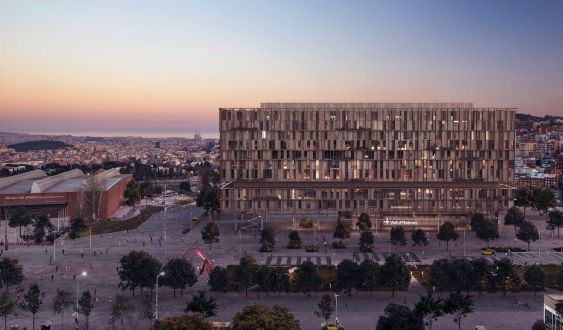
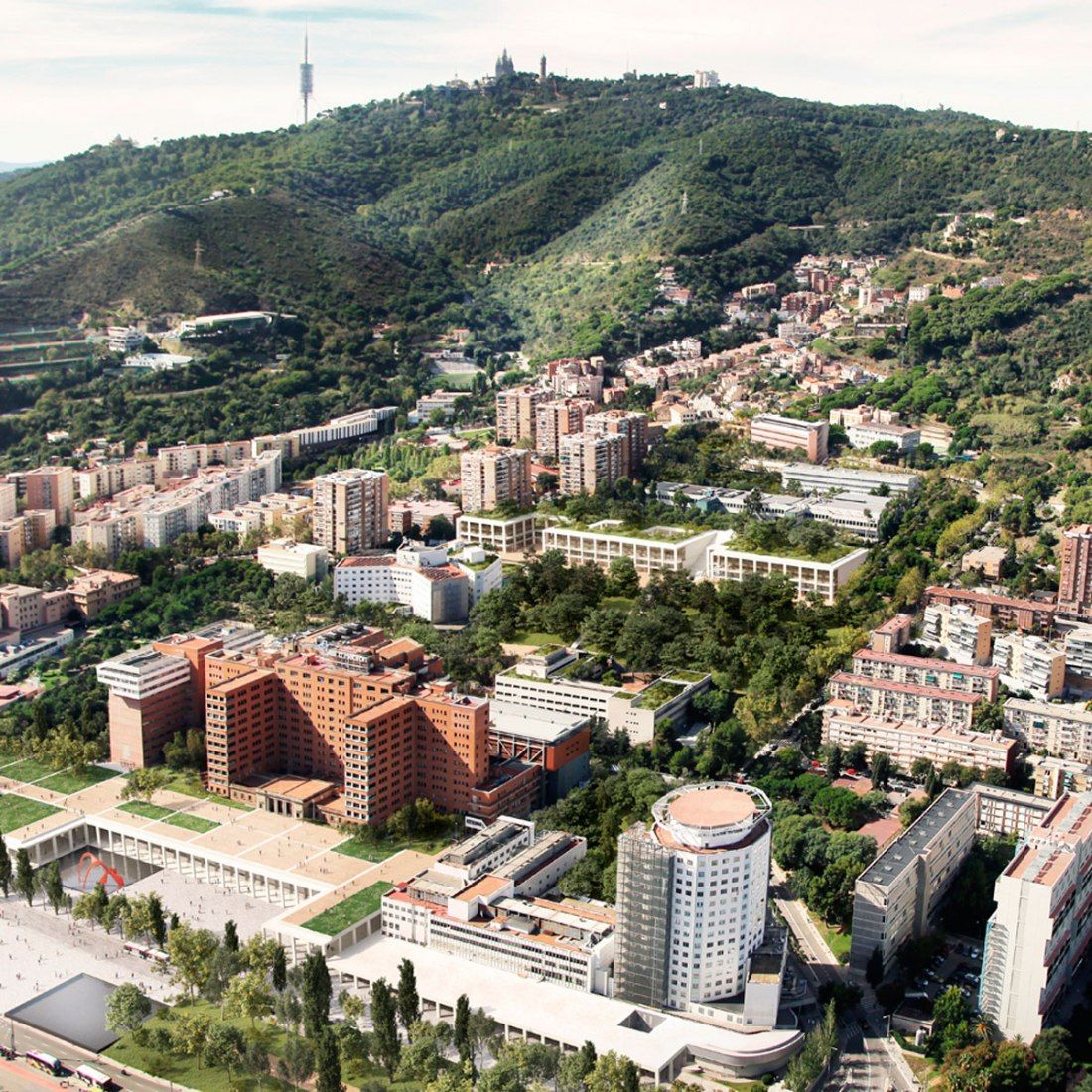
The Vall d'Hebron hospital is a small city through which 50,000 inhabitants pass daily. Between patients, family members, and professionals, the facilities often become congested, hindering the daily life of a complex that lives with its back to the surrounding neighborhoods. On an area of about 125,000 square meters, fenced and not very accessible, coexist the hospital itself, the Vall d'Hebron Research Institute (VHIO), the Vall d'Hebron Institute of Oncology (VHIO), the Multiple Sclerosis Center of Catalonia (Cemcat), and the Universitat Autònoma de Barcelona (UAB), totaling a staff of 9,000 workers. To all this, it is added that years pass, as seen in the central building, built in the late 1950s and with an infrastructure that has to be updated to avoid becoming outdated.
With the aim of improving its healthcare and urban integration, the public center undertook an expansion project in 2017. The total budget is estimated to be 300 million euros, with a planned completion of all works before 2030. "The new Vall d'Hebron does not change location, it stays where it is, but it is improved with new buildings and the rehabilitation of those that are not demolished," explains Albert Salazar, the hospital's manager. Those that are maintained and undergoing improvements are the General Hospital ---the main one---, the Traumatology, Rehabilitation and Burns Hospital, and the Children's and Women's Hospital. These last two date from the late 60s.
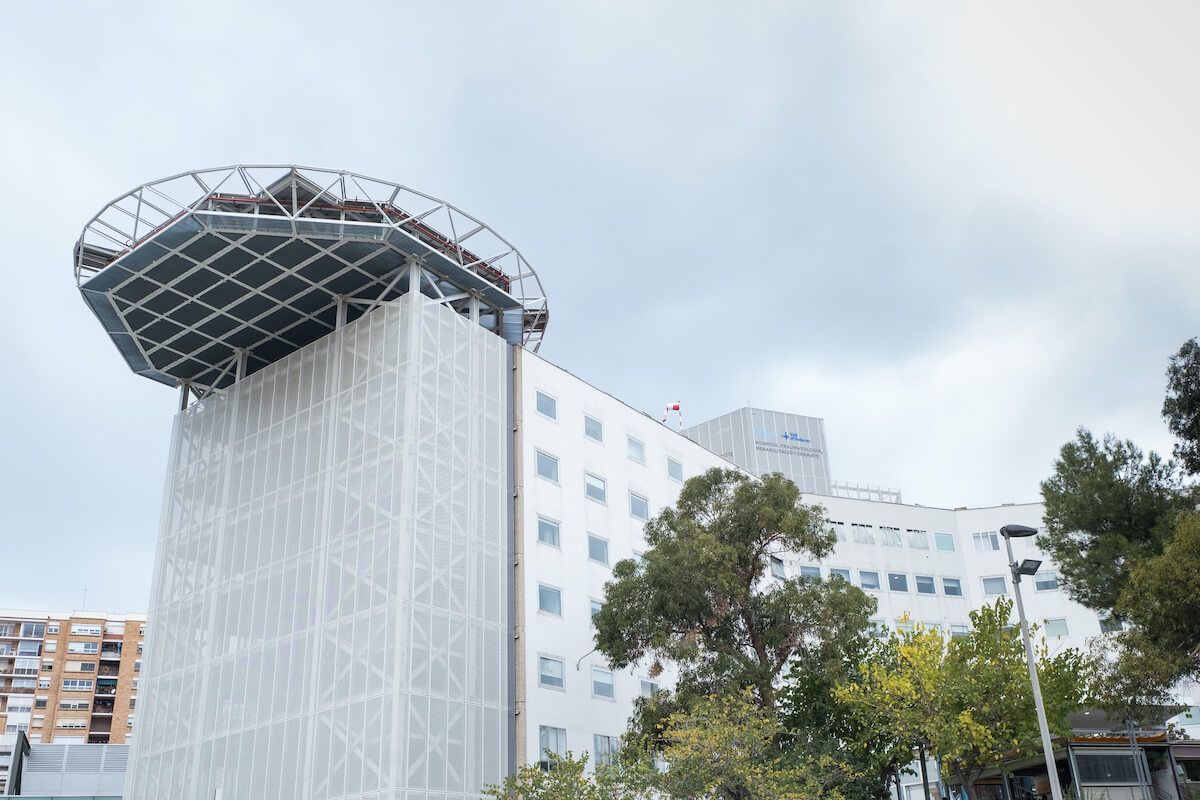
The project that began five years ago is starting to show its first results, with some spaces already completed, such as the helipad, inaugurated at the end of 2021. The new infrastructure is located on the west wing of the Traumatology, Rehabilitation and Burns Hospital, taking into account that the majority of patients arriving by medical helicopter suffer from very serious traumas or burns. The installation has reduced the time from when the patient lands on the helipad until they enter the emergency room to two minutes. Previously, when it was on the other side of the Ronda de Dalt, it took 15 minutes and required transfer by ambulance. The new helipad is expected to register 300 annual operations.
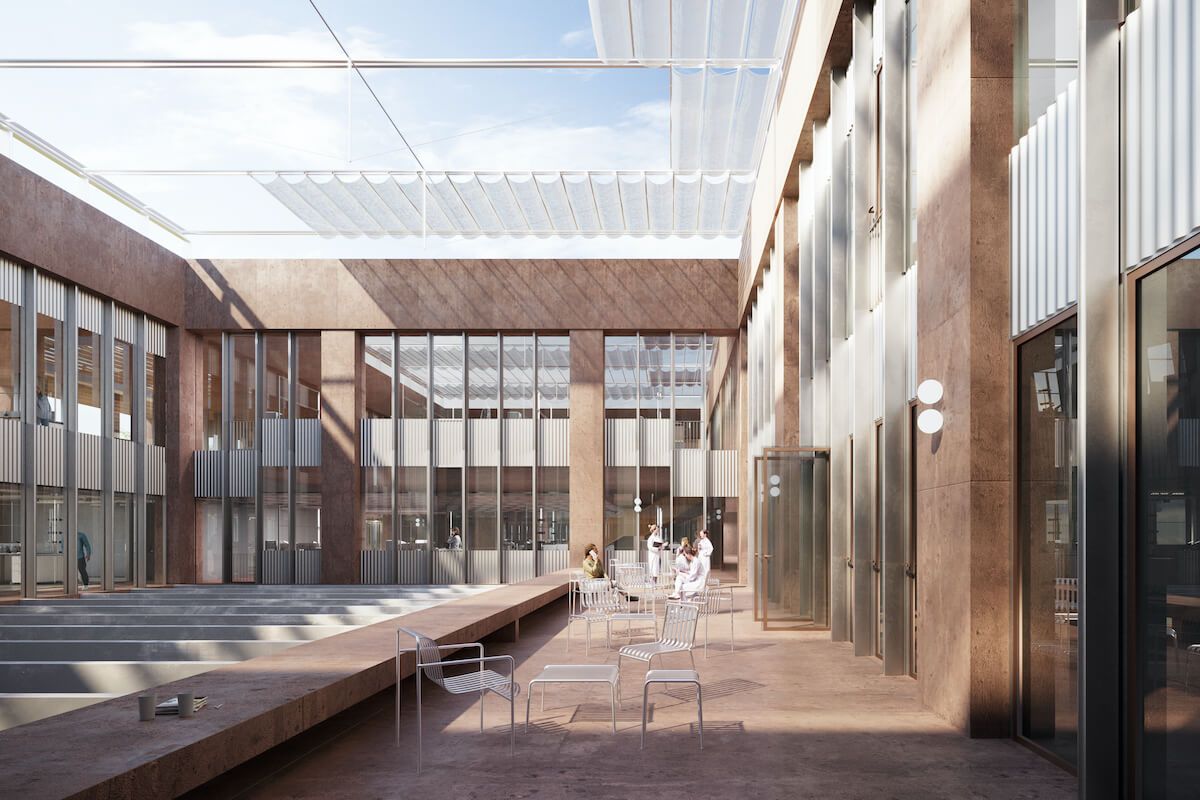
While some facilities are being inaugurated, others are seeing construction progress "at a good pace," as is the case with the future building of the Vall d'Hebron Research Institute (VHIR), as Salazar points out. Work began in December 2020, with the demolition of the old laundry and the dining hall of the Old School of Nursing, the space on which the center, designed by BAAS Arquitectura and Espinet/Ubach studios, will be erected. Specifically, it is located between the UAB teaching building and the Traumatology Hospital.
The new VHIR headquarters will serve to concentrate all research carried out on campus in a single space, until now scattered across different points. With an investment of 40 million euros, the surface area dedicated to research will grow by 300%, reaching 17,000 square meters, and the space dedicated to laboratories will double, to 5,569 square meters. It is expected to host some 400 researchers and cutting-edge scientific infrastructures, such as a cyclotron, that is, a particle accelerator that will allow the production of new radiopharmaceuticals. It will also include an Advanced Therapies center and another for transplants. It is expected to be ready by the end of 2023.
An outpatient clinic with 250 consultations
One of the essential pieces of the future Vall d'Hebron will be the new adult outpatient care building, which will concentrate almost all outpatient services, until now also dispersed across the campus, in addition to being located alongside other patients, within the General Hospital or the Traumatology Hospital, causing large concentrations of people in a single space. With this outpatient clinic, with 250 consultations spread over ten floors, the aim is to transform outpatient care, with the objective of strengthening it to relieve other areas of the hospital and achieve more efficient operation. "Everything that does not require admission is better," Salazar emphasizes. Likewise, when the rest of the campus is freed from external consultations, the facility will be expanded, and space will be gained for hospitalized patients and surgical activity. Only the Children's Hospital will preserve the current consultations, recently renovated.
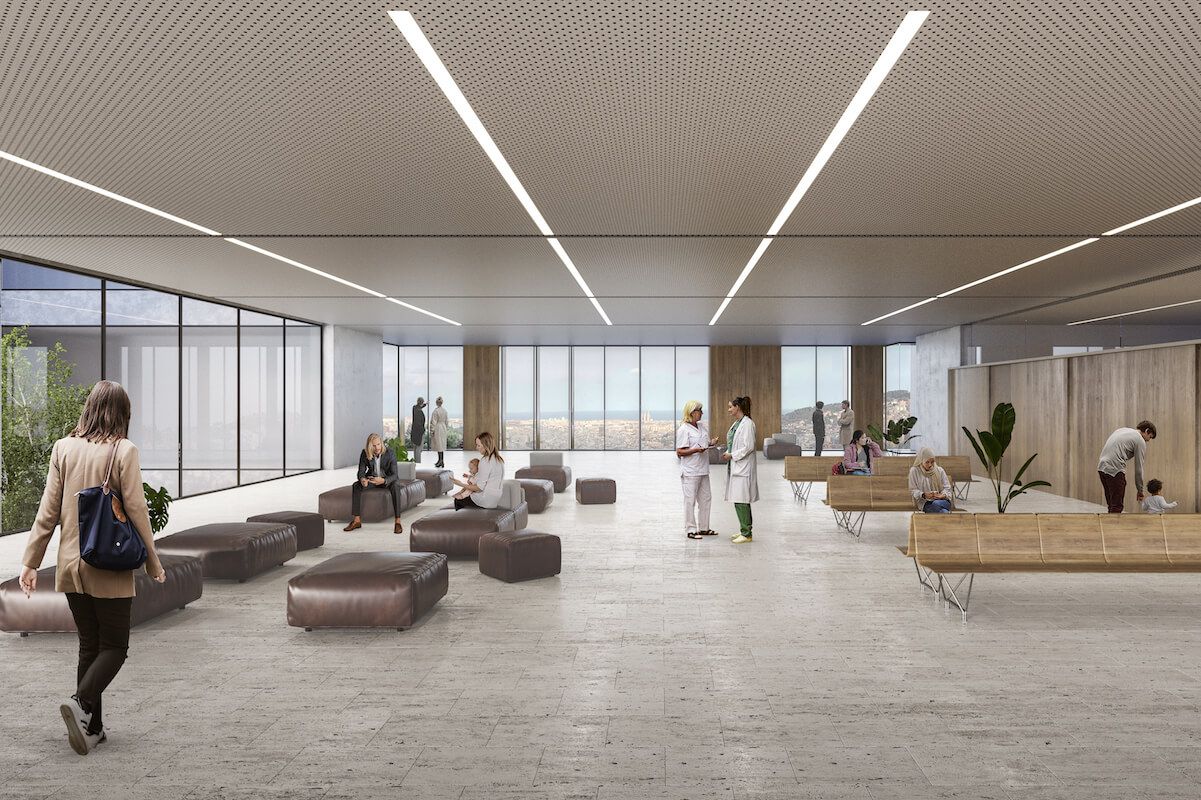
Currently, outpatient care represents the largest volume of all Vall d'Hebron, with one million annual visits, a figure that is expected to grow to one and a half million in the coming years. According to Salazar, to improve the service, its accessibility to everyone will have to be guaranteed, extending hours, which will go from 8 in the morning to 8 at night. Its operation will also be changed, trying to attend to patients in the minimum possible time, with evaluation by different specialists, tests, and diagnosis in a single day. "Multidisciplinary and functional teams will be configured to provide patient-centered care focused on their illness, and not on the medical specialty," explains the manager. This will mean that, for example, a person with diabetes will not only be seen by the endocrinologist but will also be visited by the surgeon or the podiatrist, covering the different ailments that this disease can cause.
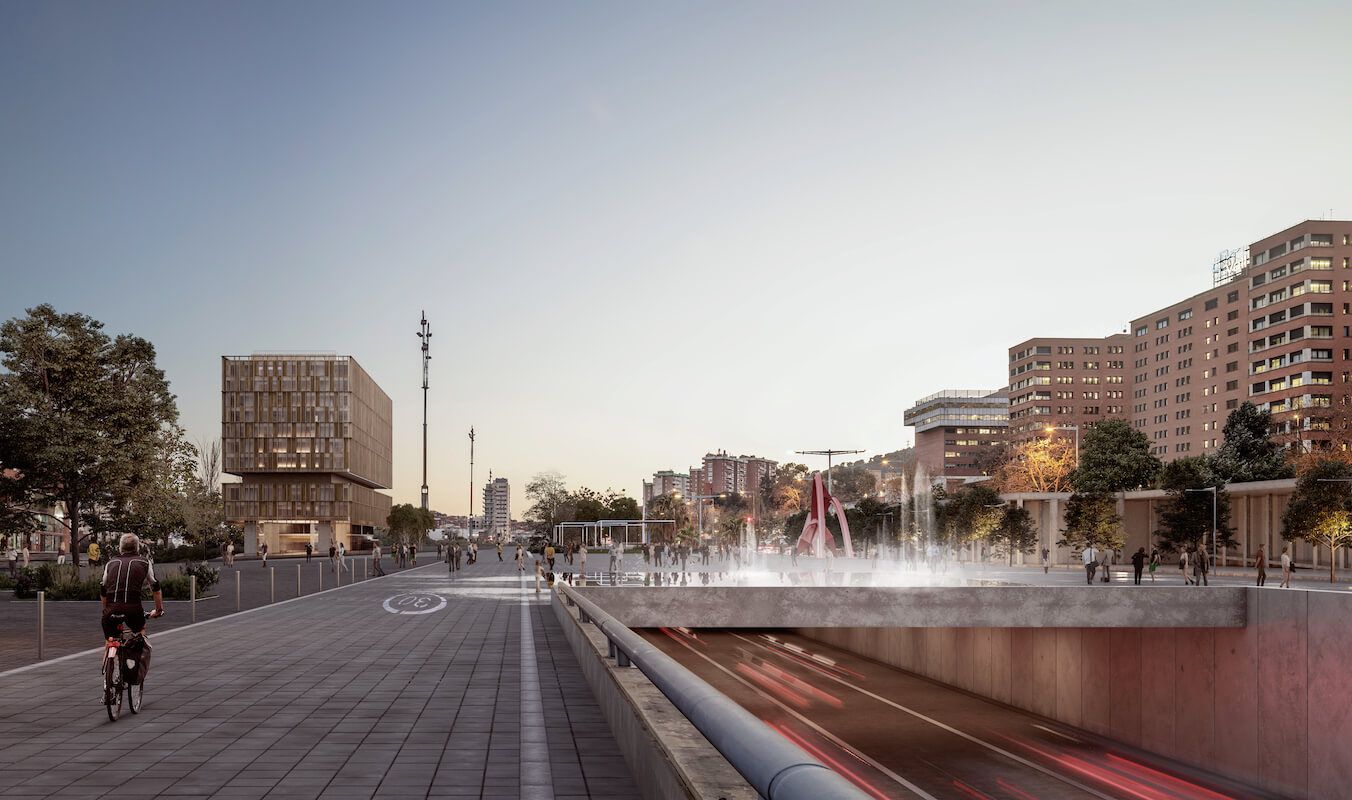
The new outpatient clinic, designed by architects Diego Nakamatsu and Lluís Morán, will involve an investment of 70 million euros and will be located on the other side of the Ronda de Dalt, in the Teixonera neighborhood, just in front of the General Hospital. It will be built on a municipal property building, known as La Losa. In it, there are the L3 metro depots and TMB offices, topped by a B:SM parking lot and a municipal crane depot. With a total area of 46,210 square meters, in addition to consultations, it will also have 100 examination rooms ---where tests are carried out--- and 100 Day Hospital beds, as well as an imaging diagnosis area, a pharmacy, and a rehabilitation area. Built with industrialized and prefabricated elements, construction is expected to begin in 2024 and end in 2026.
Concentrate emergencies and multiple ways to cross the campus
The last major piece of the expansion project being carried out by Vall d'Hebron hospital is the one known as the FUL building, after the initials for Pharmacy, Emergency, and Logistics. It is the greenest part and is expected between 2028 and 2030. Like the new outpatient clinic, it requires the approval of a Special Urban Plan for its materialization. In the FUL building, all emergencies will be concentrated, with the exception of pediatric ones. With an investment of 90 million euros, it will be divided into two buildings. The first, of 18,862 square meters, will be used for the new emergency services and the pharmacy, and will be connected underground to the General Hospital and the Traumatology Hospital. The second, of 10,050 square meters, will house the kitchen, laundry, maintenance areas, and warehouses, essential activities for the proper functioning of a hospital.
The last major piece of the expansion project being carried out by Vall d'Hebron hospital is the one known as the FUL building, which is expected to be ready between 2028 and 2030What is also in a very early stage is the connection on both sides of the Ronda de Dalt, to reach the new outpatient clinic on foot.This will connect the hospital with the Teixonera neighborhood, but the Montbau and Sant Genís dels Agudells neighborhoods will also benefit from the new Vall d'Hebron, as the campus will open up to them, with the creation of a large urban park and a network of vertical and horizontal paths.
This will end the isolation and facilitate mobility, one of the major burdens at this hospital, with walls and disconnected accesses that force one to travel a long distance ---uphill--- if one chooses the wrong entrance. For this reason, escalators will be installed that will allow going from the Ronda de Dalt to the end of the hospital grounds, at the foot of Collserola. A circulation ring and a pedestrian promenade will also be defined, running through the grounds from Nínive street to the Montbau Library.
Add The New Barcelona Post as your preferred Google source for free
Stay informed with the latest news.
