During this last year I have driven many kilometers. I have traveled through Catalonia, I have visited different parts of Spain and I have had the opportunity to speak with young entrepreneurs from very different realities. Some continue family businesses, others start from scratch; some lead companies with dozens of employees and others are still trying to consolidate their first project. I have also been able to share many conversations with entrepreneurs who have been in business for decades, universities, associations and institutions.
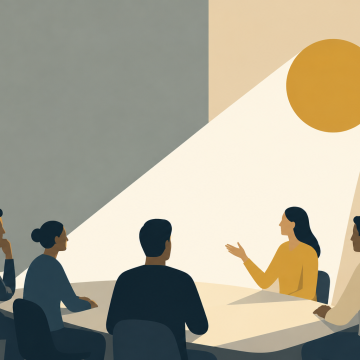
After all this journey, there is a feeling that has become increasingly evident to me: there is a generation that wants to participate more and that, in some way, is starting to raise its hand.
For many years we have heard that young people are the future, the relief, the next generation. Surely it is said with the best of intentions, but it has a contradictory point when many of these young people are already creating companies, hiring people, seeking financing, making decisions or trying to take their projects beyond our borders. We are not waiting for our turn to do business because, simply, we are already doing it.
"Talking about generational change should not mean setting aside those who have held positions of responsibility for years"
I believe that now it is time to take another step and also participate in those spaces where business, economy and society are discussed. And for this to happen, willingness is needed from both sides.
Talking about generational change should not mean setting aside those who have held positions of responsibility for years. It would be absurd to give up all that experience. One of the things I value most about the conversations I have had with entrepreneurs from other generations is precisely listening to how they faced moments that we did not live, what mistakes they made and how they managed to build companies that, in some cases, have survived for decades.
We have a lot to learn from them and I believe that a fundamental part of the generational change consists precisely in ensuring that this knowledge is transmitted. But for transmission to occur, two generations must meet: one willing to share what it has learned and another willing to listen and, when the time comes, assume responsibilities.
This last point is important because sometimes we talk a lot about the need to give opportunities to young people and much less about the responsibility we have to take advantage of them.
It's easy to ask for space to be made for us. It's another thing to be willing to occupy it.
Participating means dedicating time to issues that often do not have an immediate return for our company. It means going to meetings, getting involved in associations, approaching universities, listening to positions different from our own, and dedicating a part of our time to collective projects. When you are trying to get a company off the ground, especially during the first few years, it is not always easy to find that time.
But I am increasingly convinced that this is also part of our responsibility as entrepreneurs.
For too long, perhaps we have understood the company as something that ends at the door of our office. However, anyone who has tried to build one knows that it constantly depends on what happens outside: on the training and talent we are capable of generating, on infrastructures, on institutions, on access to financing, on public services and, ultimately, on the economic and social environment in which we develop our activity.
If we want to be part of this environment, we will also have to get involved.
"If we want there to be a generational handover, at some point we will have to give real responsibilities and also accept new ways of understanding things"
Business organizations have an important responsibility here. It would not make much sense to continuously talk about generational handover if we are then unable to incorporate it into our own structures. And I also don't think it's enough to include young people simply to be able to say that they are present. If we want there to be a generational handover, at some point we will have to give real responsibilities and also accept new ways of understanding things.
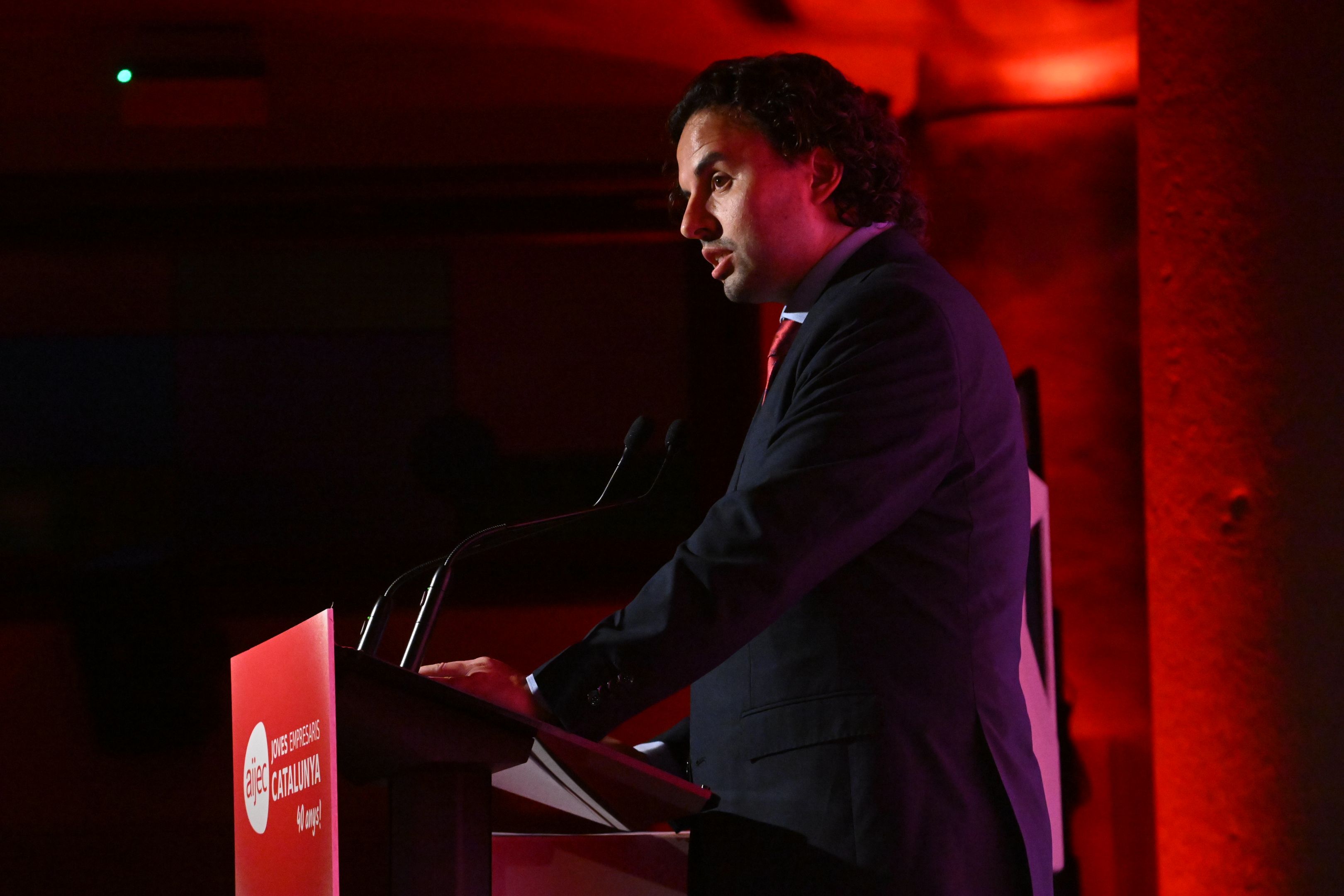
This is something we are trying to do at AIJEC. During this last year, we have gone out a lot, probably more than we imagined when we started. We have traveled the territory, we have entered universities, we have strengthened relationships with other business organizations and we have met very different projects.
This journey has also helped me to dismantle some clichés about what we understand by a young entrepreneur. There is no single profile. There are technological startups and family businesses, freelancers and companies that already have important structures, projects that have achieved large funding rounds and others that have been built euro by euro with the savings of their founders. There is also the entrepreneur who every morning raises the blind of a business and who will probably never appear associated with the word entrepreneurship.
They all form part of the same business fabric and I believe we must be able to represent it much better.
For this reason, one of the things that has acquired the most meaning for me during this year is the idea of community. Not understood as a place to meet only with people who think like us, but as a space where we can share experiences, learn from those who have already traveled part of the way and also get to know business realities that have nothing to do with ours.
Generational change should precisely occur here. I don't believe in organizations of young people against organizations of old people, just as I don't believe that one generation should wait for the previous one to disappear to start participating. I am much more interested in the idea of building bridges between both.
Furthermore, there is something we sometimes forget: in a few years, we will be on the other side. We will be the ones who will have to decide whether to open spaces for those who come after us and whether we are capable of transmitting to them what we have learned along the way. Probably then we will understand even better the importance of doing it well now.
Generational change, therefore, does not begin the day someone leaves a responsibility and another person takes their place. It begins much earlier, when different generations begin to work together and when those of us who are younger also stop observing from the outside and decide to get involved.
"Perhaps we have internalized this idea so much that we ended up waiting for someone to tell us when our turn came"
For years they have told us that we are the coming generation. Perhaps we have internalized this idea so much that we ended up waiting for someone to tell us when our turn came.
I believe there is no need to wait.
We can continue listening and learning from those who have been doing business for many more years than us, but at the same time we can start taking on responsibilities and participating in the conversations that will define the coming years.
It's not about taking anyone's place. It's simply about starting to take ours.
And for that, perhaps, the time has come to raise our hand.
Add The New Barcelona Post as your preferred Google source for free
Stay informed with the latest news.