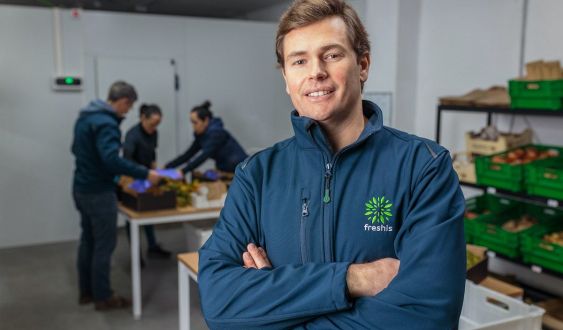
Like so many other entrepreneurs, Freshis CEO Lluis Puig analyzed a traditional value chain and found ways to make it more efficient by shortening steps and relying on technology. In his case, he focused on fruit and vegetable production in Spain, "an outdated sector with many intermediaries that lengthen times, increase costs, and destroy value."
The origin was a frustrated investment. Puig worked as a consultant for sovereign funds and family offices, and he was asked to analyze a US company specializing in hydroponic agriculture. He became interested in this alternative that uses mineral solutions instead of agricultural soil and thought about developing a similar concept in Spain. "But I realized that with an inefficient value chain, it made no sense to set it up. The product would get lost among so many intermediaries," he says.
Once the problem was detected, Freshis was born. Puig created this startup accompanied by former Aldi Spain director Pablo Engelman and Adsmurai CFO Jaume Puig. The three co-founders set up a value chain parallel to the traditional one, going directly to buy from producers and selling online to the final consumer. Founded in 2020, the startup began operating in Madrid, although the management team came from Barcelona. The Madrid launch was determined by personal reasons. Two years later, they have just arrived in the Catalan capital, where the company is headquartered.
The products of this company, marketed under Freshis' own brand, can be purchased through its website and, in a short time, will also be available through a mobile application. They started with fruits and vegetables, and then added other products, such as eggs, legumes, nuts, cheeses, cured meats, oils, jams, honeys, bread, cookies, and wines. They rule out eventually including meat and fish and products from other brands. "We are not a supermarket, we are specialists in fresh produce," Puig emphasizes. Some of the local producers they work with are Carlania Celler (Conca de Barberà), 1932 Forners (Mataró), Cítrics Terres de l'Ebre, La Trencadora (El Rourell), Cal Modest (Tornabous) or the quince from Montserrat Rull (Tarragona). To all of them, they pay between 10 and 20 cents more per kilo compared to the standard price.
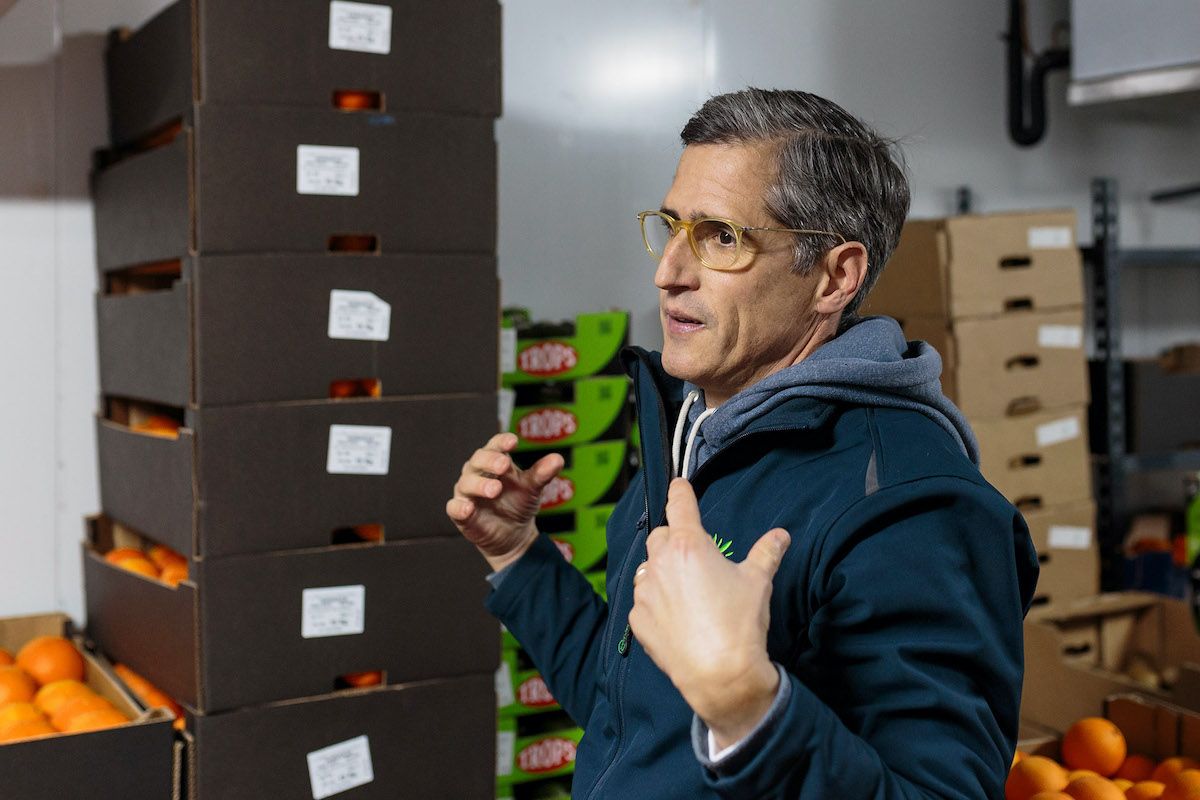
Consumers can place orders until 12 AM and products arrive at their homes in less than an hour. To make this possible, the startup has a logistics platform on the outskirts of the two cities where it operates. It is there where they receive fresh fruit and vegetables in the early morning. They collect it at six in the morning and take it to the warehouses they have within Barcelona and Madrid. They prepare the orders and begin to distribute them from nine in the morning with their own last-mile delivery fleet, consisting of electric motorcycles and vans.
Asked what differentiates them from other options that allow direct purchase from local producers, Puig defends that, as they are currently structured, they will not manage to change how the sector behaves. Furthermore, the CEO emphasizes that Freshis allows for fast delivery and a simple sales process, using technology to improve the relationship with both the producer and the consumer. For the former, they analyze information and tell them what they need to produce and what not, while for the latter, they interpret their behavior and make product suggestions that they usually buy and others that might interest them.
Reaching more Spanish cities and starting international expansion
Since its creation, Freshis has managed to attract 4,000 registered users, of whom 2,000 have made a purchase and 1,500 have repeated. They primarily target the end consumer, but have also started selling to neighborhood fruit shops. In Barcelona, they have their logistics platform in El Prat de Llobregat and their warehouse on Balmes Street. Between Barcelona and Madrid, they have a staff of 20 employees. In 2020, their first operational year, they had a turnover of 140,000 euros, a figure that rose to 300,000 in 2021. For this 2022, they expect to exceed one million euros.
In Barcelona, they have their logistics platform in El Prat de Llobregat and their warehouse on Balmes StreetThe startup started with 350,000 euros of own capital.They are immersed in their first round with external investors, with which they want to obtain 2.5 million euros.They have already raised 500,000 euros from investors such as Víctor Font (Delta Partners), Ferran Soriano and Mark Tluszcz (Mangrove Capital Partners), and theventure capitalGerman Good Seed Ventures. With the resources they obtain, they want to continue developing their technology andopen in new cities in Spain ---Bilbao is being considered---, as well as begin its international expansion in Germany. The resources they still need to capture, they want to come fromventure capital traditional, although they also contemplate the option of resorting to five former directors of German distribution groups such as Lidl and Müller.
Add The New Barcelona Post as your preferred Google source for free
Stay informed with the latest news.
