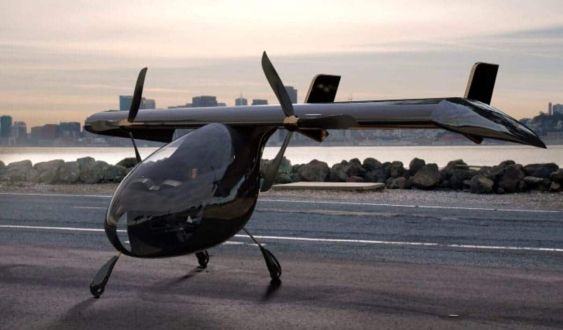
The Catalan startup AAM, based in Barcelona, is developing a full-scale prototype of the electric air taxi that the company has been working on for six years and that will be able to reach 300 kilometers per hour, to save time in urban and interurban travel.
For this new phase of the project, AAM has just started a one-million-euro financing round, with the aim of being able to commercialize, at a unit price of 200,000 euros, the first units of this means of transport in 2025, mainly starting the business in the United States.
The promoters of the idea, a team of seven people led by its CEO, Aitor Martín, estimate that with the electric air taxi each user will be able to reduce a quarter of daily, urban and interurban trips, with savings of between 200 hours and 300 hours per year. The air taxi will facilitate the movement of two people without the presence of a pilot, since the flight is autonomous.
The first units will be commercialized at 200,000 euros, initially in the United States, starting in 2025Martín defends AAM's proposal as a disruptive initiative that wants to democratize the use of the air taxi and "that will radically change urban mobility and the concept of the city" because it enters the air space where there is no traffic or obstacles, so that travel will be in a straight line and at high speeds to optimize travel time. For this reason, it will operate with a fare system similar to that of a conventional taxi: establishing prices according to the distances traveled. In this case, in relation to flight minutes instead of kilometers."We will have an efficiency between 5 and 10 times greater than our competitors and costs 10 times lower", highlights Martín.
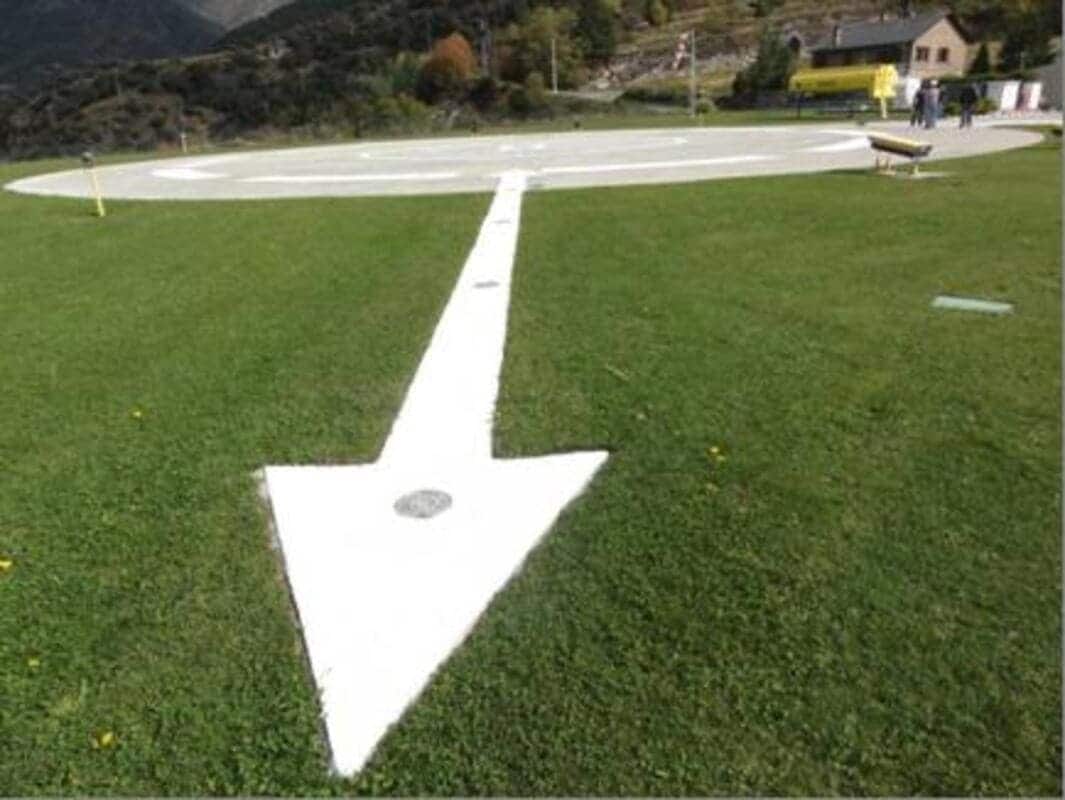
The service will operate with a fare system similar to that of conventional taxis, but establishing prices based on the flight minutes used.The flying taxi consists of fixed-wing technology similar to that of STOL (short take-off and landing) that allows reducing takeoff and landing distances to less than 50 meters. Therefore,will be able to use the helipad runwaysCurrently, in Catalonia there are 70 heliports managed mostly by the Generalitat. This is a network with one public-use heliport (Circuit de Catalunya), 25 specialized ones (Firefighters, Mossos d'Esquadra, rural agents, ...), plus 16 infrastructures for sanitary use (hospital and emergency), and three other private heliports and 25 more occasional heliports (which operate few times a year) destined for different public services and private operations.
The startup AAM is part of the new Catalonia Exponential Leaders program by Acció (Generalitat), which identifies leading disruptive companies in Catalonia to boost their transformation. Through the promotion agency Acció, in 2019, the firm benefited from Acció's Startup Capital grants, a program that allocates up to 75,000 euros to each emerging company to execute its business plan.
Add The New Barcelona Post as your preferred Google source for free
Stay informed with the latest news.
