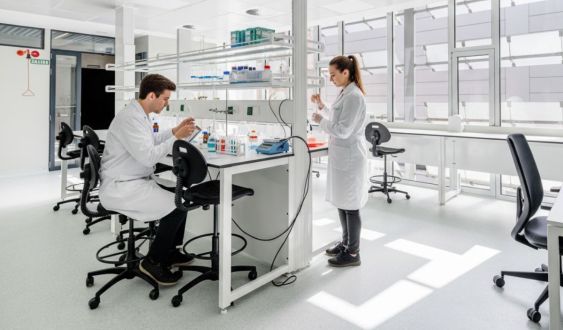
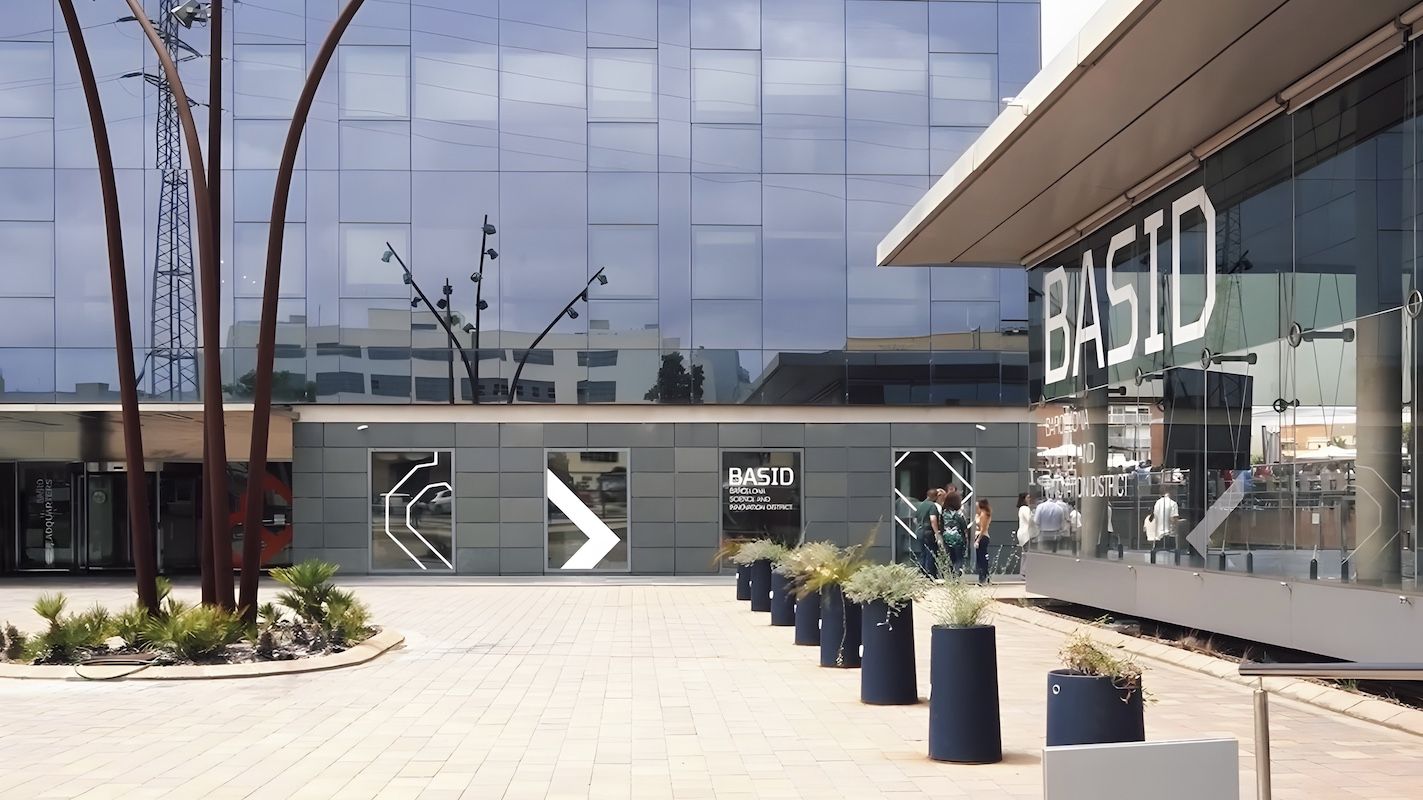
For a scientific company, finding suitable spaces and facilities to develop its research can be a complicated task: laboratories, clean rooms, cutting-edge equipment are elements that cannot be found or installed in any office. In this context, and given the dynamism of Barcelona's scientific ecosystem, SID Barcelona emerged just over a year ago as the first private science and innovation center in Barcelona, with spaces designed with life sciences and innovation in mind.
Located at the gates of Barcelona, between Esplugues de Llobregat and Sant Joan Despí, SID is now a neuralgic point with leading companies and academic institutions, with about thirty in total, including multinationals such as Bayer, startups such as Aortyx —recent winner of the Nit de Catalonia.health—, and top-level institutions such as Sant Joan de Déu, which has moved part of its R&D to SID —with seven research groups—, as well as companies that come from research centers, such as Poseidona. "We managed to attract very powerful projects to the campus," highlights Pilar Gil, co-CEO of the group along with Javier de Pablo.
Through these companies, more than a thousand people work on the campus, made up of five buildings totaling more than 75,000 square meters. "They include state-of-the-art laboratories, offices, corporate headquarters and buildings with specialized services," highlight the two directors of the company, which also has a campus in Madrid, opened in 2021. Shortly after came the one in Barcelona, now with the fund Stoneshield Capital and Colonial.
Now, the campus acts as a pole of attraction for scientific companies, both local ones that want to grow and international ones that seek to land in Barcelona. "We grew very fast in Barcelona, especially in the laboratory area, because there was a lot of unmet demand," Gil emphasizes: "We are at 90% occupancy in the laboratory area," she remarks.
Landing strip for international companies
SID plays a relevant role in attracting these international companies. The company, in fact, coordinates with Accióand withBarcelona Globato facilitate the landing of foreign companies in Catalonia. "When it comes to talking about infrastructure, our campus is a good option for landing," highlights Gil, as it adapts to the technical demands of companies and the equipment they need: "We are a facilitator to make that landing possible." And De Pablo goes further: "We are the home of science and innovation in Catalonia."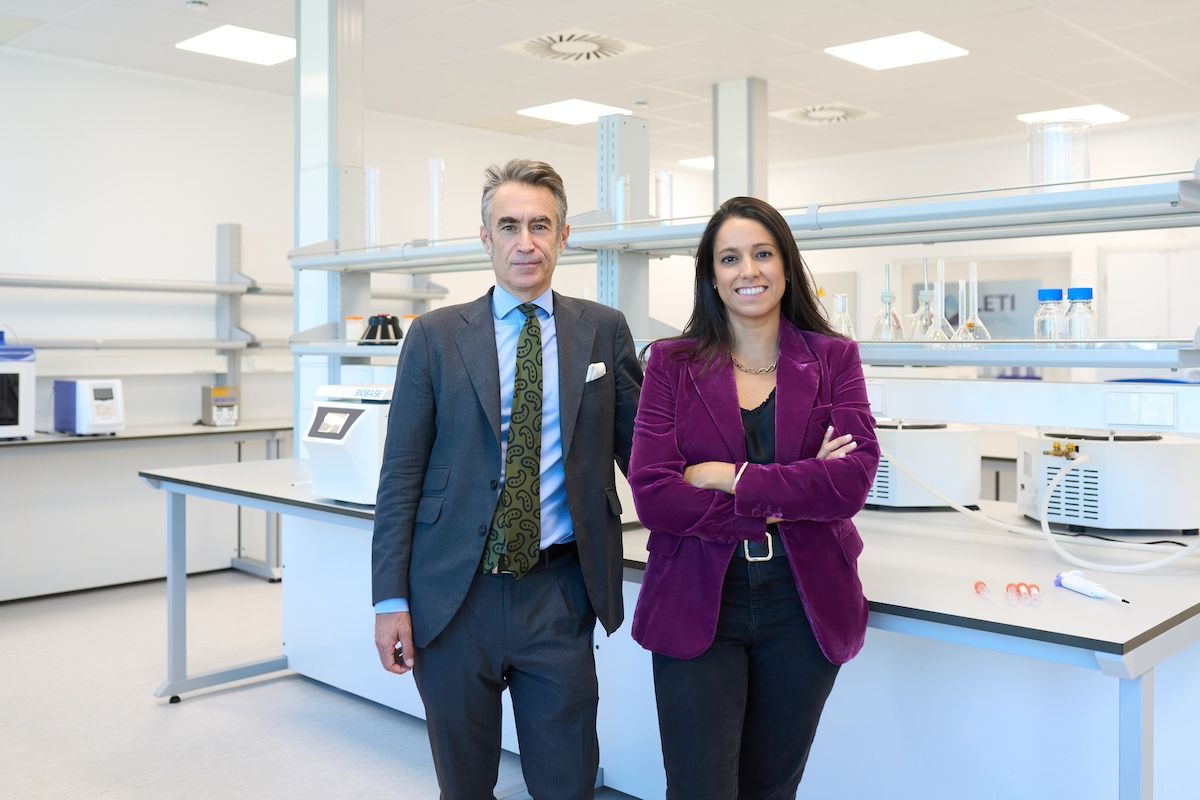
Having these spaces is key to facilitating the growth of the ecosystem, in a context where "in Spain, traditionally, science and innovation spaces had been public," explains the executive. "When companies wanted to grow, they couldn't find accommodation in the private sector," and this lack of space led companies to assume millionaire real estate investments to scale, and that's where SID sought its space, offering scientific companies the facilities they need to continue developing.
"We are like tailors: we adapt to the needs of each company," summarizes De Pablo. Thus, they offer turnkey solutions ---from a few square meters to large areas---, with the capacity to accompany companies in each phase of their expansion. And it's not all about the office: "We offer private laboratories adapted to the size and scientific team of each company, but also shared facilities that we operate and manage ourselves," explains Gil. Cell culture rooms, biochemistry spaces, material washing, technical gas supply, or centralized management of biological and chemical waste are part of a mechanism that operates more like a research center with multiple projects than an office building.
This dual real estate and scientific leg is, according to Gil, the great strength of the project. "Companies prefer to allocate their treasury to their development and business, not to buying a building. And for foreign companies, acquiring land or facilities in a new country is much riskier than signing a lease with experts," she points out.
Because SID is not limited to renting spaces. "They are living ecosystems that we energize," notes Gil. To do this, the campus organizes events, fosters internal synergies, and acts as a visibility platform in sectoral forums such as BioSpain, where they accompany their companies with their own stands.
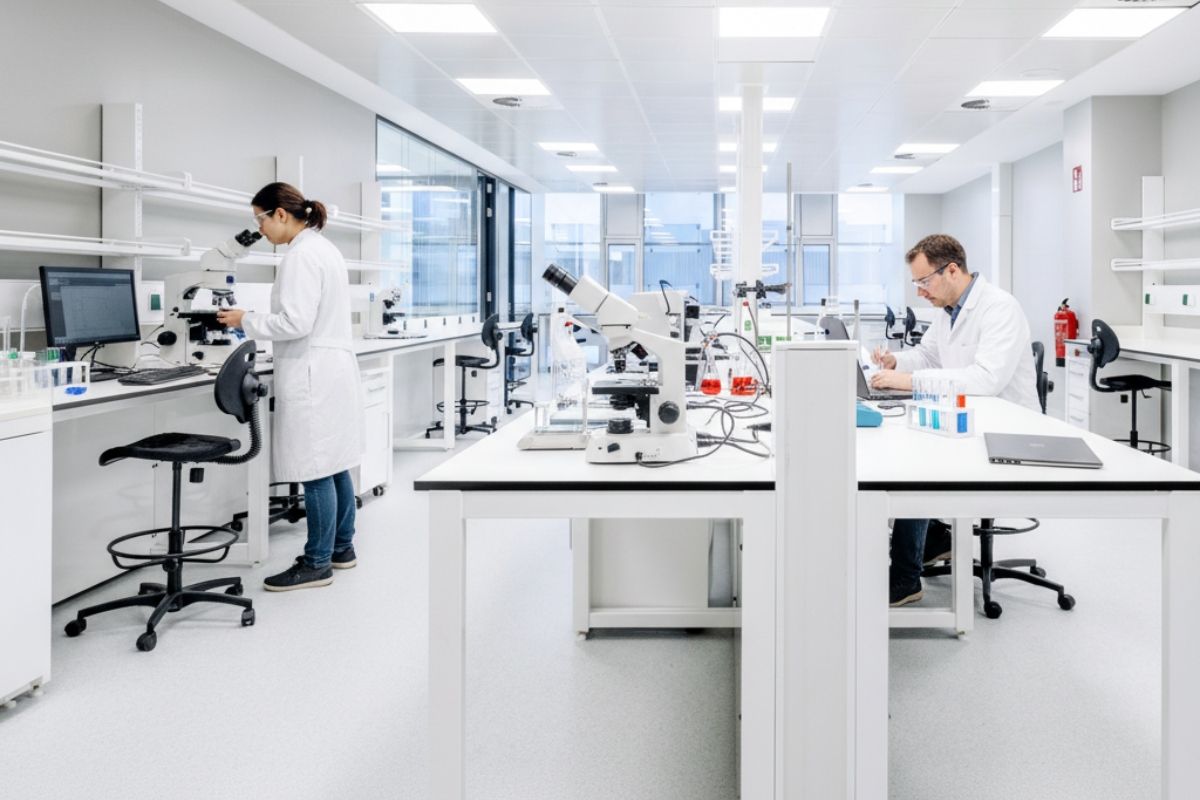
Now, the group is analyzing new opportunities to expand the current campus and does not rule out acquisition operations, including integrating facilities of companies that want to sell their assets to continue growing under the district's umbrella. It does so at a time when Barcelona is determined to consolidate itself as one of the great European life sciences hubs, with a mechanism in which SID provides infrastructure, equipment, and knowledge to give space to science and its growth.
Add The New Barcelona Post as your preferred Google source for free
Stay informed with the latest news.
