[dropcap letter="S"]
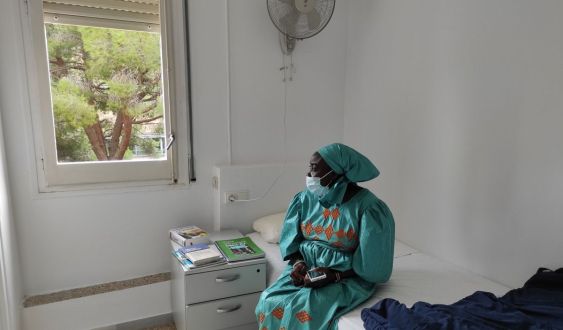
ubmerged in an especially inhospitable informational autumn, last week a good piece of news cut through the usual density of headlines like a ray of light. The inauguration of La Llavor, a new residential inclusion center for homeless people, is a shared success between the Barcelona City Council, the Ared Foundation, and the Sant Joan de Déu Social Work. This municipal facility is the first exclusively dedicated to housing women, a social problem "hidden and difficult to detect" in the words of the Deputy Mayor for Social Rights, Social Justice, Feminisms and LGTBI, Laura Pérez, who presided over the event alongside Mayor Ada Colau.
[subscribe_newsletter_esp]
The La Llavor center is located in the Horta-Guinardó district and had already been functioning as temporary accommodation for low-income relatives of patients hospitalized at Vall d'Hebrón Hospital. Since 2009, its management was carried out by the Ared Foundation, which specializes in the labor insertion of people at risk of social exclusion. Now, the Sant Joan de Déu Social Work (SJD) has joined the project, taking charge of the management of the center's new use, contributing its extensive experience in caring for people in vulnerable situations.
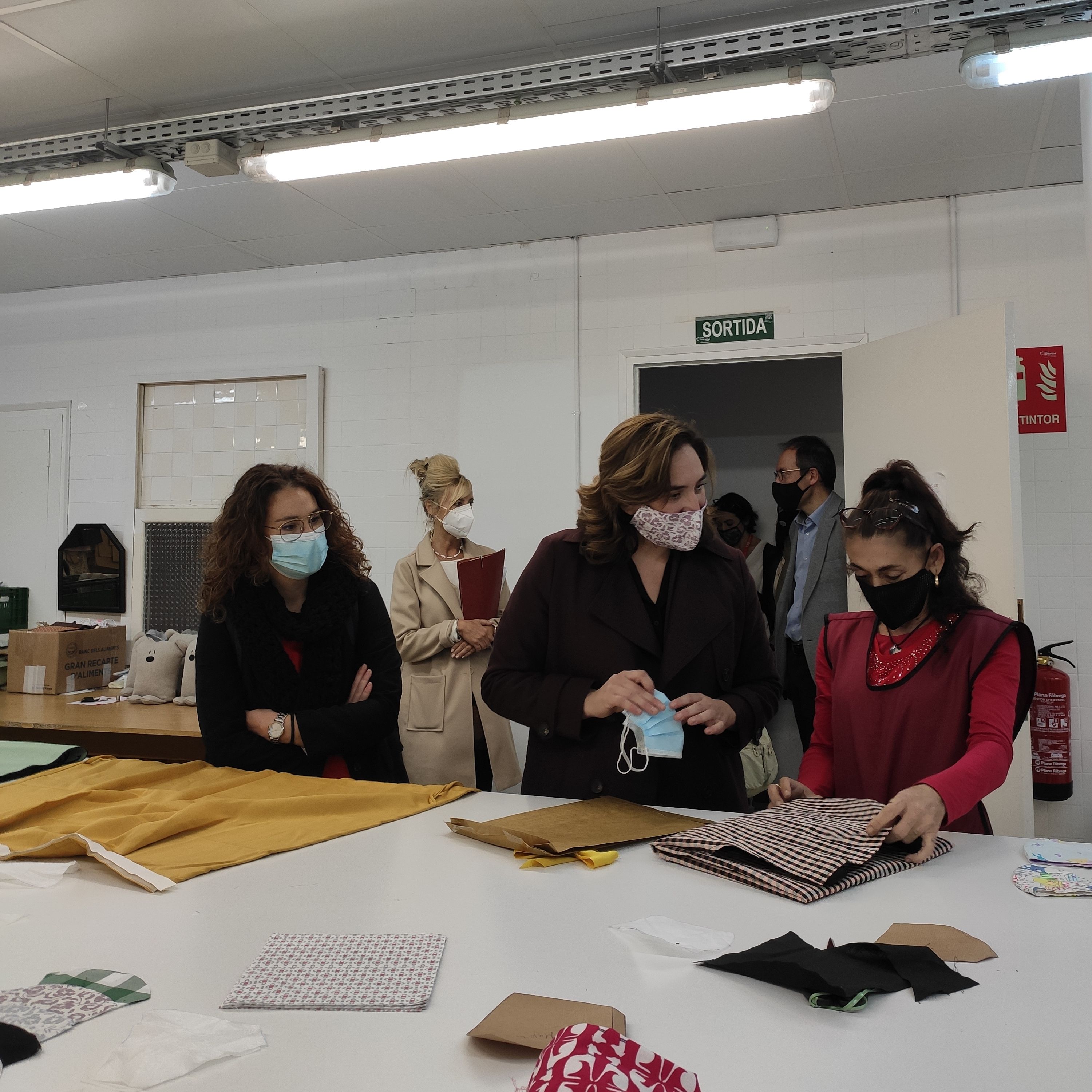
Precisely, vulnerability seems to have spread like an oil slick during this pandemic year, putting families and individuals who, until the arrival of the virus, struggled to make ends meet, in trouble. It is alongside these groups that an organization like SJD wants to be, which, in the words of its director, Oriol Bota, wants to contribute to being part of the solution: "Solidarity in times of crisis makes more sense than ever. A caring society is the basis for achieving a better world."
Since the 16th century
The Hospitaller Order of Sant Joan de Déu is a religious entity and one of the largest international non-profit cooperation organizations in the world. Founded in 1572, it currently has 400 centers in 55 countries, where people at risk of exclusion and with a high level of social vulnerability are cared for. One of Sant Joan de Déu's most famous quotes --which he uttered years before being canonized-- was "Do good well," and five hundred years later the members of the hospital family strive every day to care for the nearly 20 million people who benefit from their Social Work in the world.
One of Sant Joan de Déu's most famous quotes --which he uttered years before being canonized-- was "Do good well," and five hundred years later the members of the hospital family strive every dayIn Catalonia, the organization has existed for more than 150 years, extending its activity in the 16 centers it has distributed throughout the territory. The most emblematic building is undoubtedly the Hospital de Sant Joan de Déu, located on a promontory on the border between Esplugues and Barcelona, welcoming from aboveto all those vehicles that enter the city every day via Avenida Diagonal. But the mother and child hospital, which represents almost two-thirds of the budget of Solidaridad SJD in the area of influence of Catalonia (5.8 million euros out of a total budget of 9.3 million, according to 2019 data) is only one piece in the complex machinery of its Social Work.
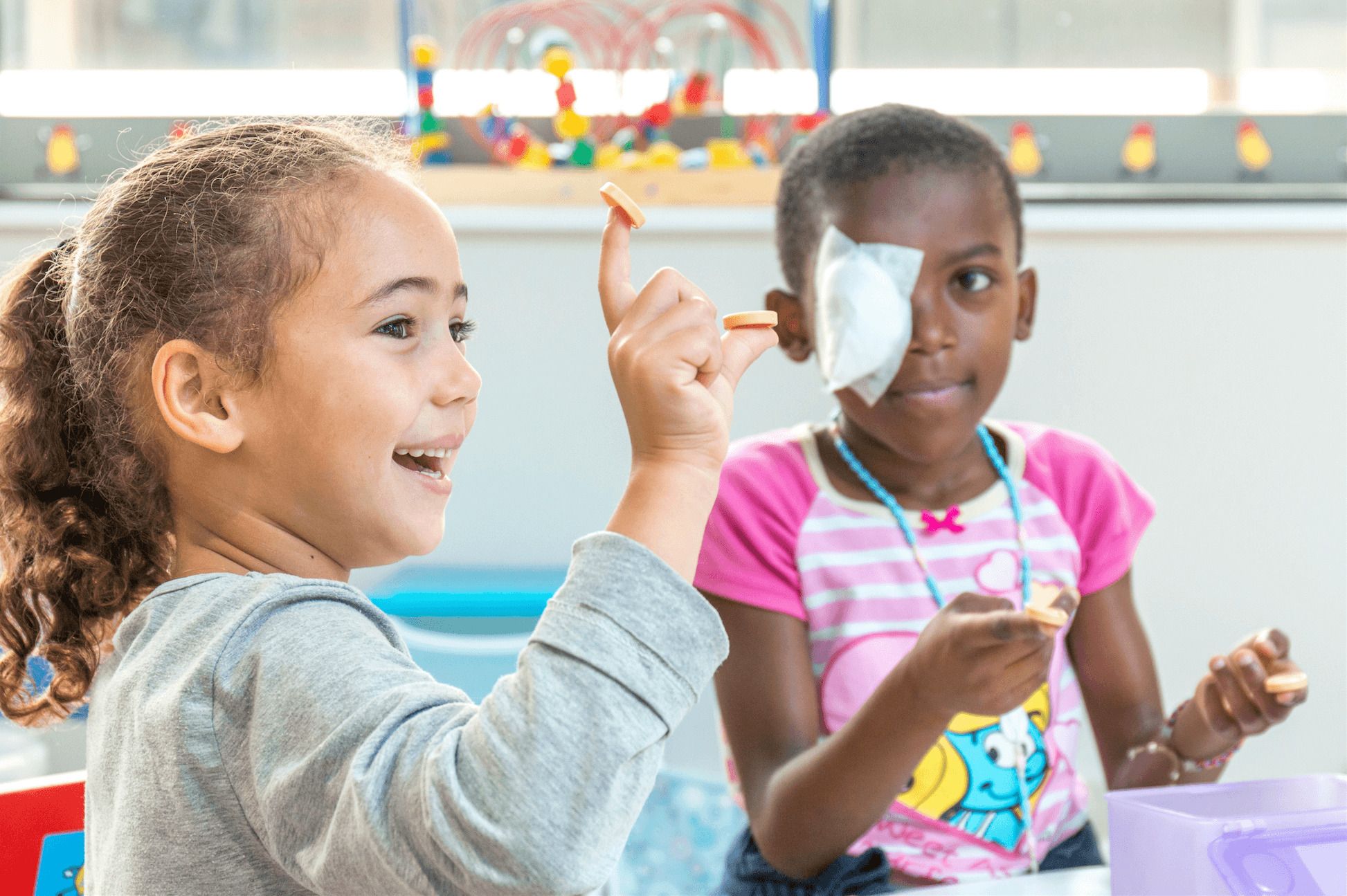
With facilities in towns such as Mollet, Viladecans, Manresa, Lleida or Sant Boi --where they have been taking care of people's mental health since 1895--, the organization demonstrates its willingness to have a presence beyond the Catalan capital. The work of the Social Work is possible thanks to the work of its 6,600 employees, nearly 3,000 volunteers, 680 collaborating companies and entities, and 40,000 members and donors. A large community that with its effort tries "that no one is left behind", one of the organization's maxims.
Eight lines of action
Its commitment to social inclusion and solidarity translates into a multitude of projects distributed across eight different lines of action. We have already mentioned the notoriety of its work in the area of childhood and youth when talking about the Sant Joan de Déu Hospital, a true engine for the organization and a reference institution in research and innovation in the field of child health. But there is much more.
We started by talking about homeless people and the inauguration of the La Llavor center, and this is a field in which SJD Social Services have been doing a vital yet silent work for decades. Many people live on the streets and each of them has arrived there through different paths. Hundreds of stories have passed through centers like Hort de la Vila, located in the Sarrià neighborhood of Barcelona, that deserve to be told. This facility, with capacity to accommodate 90 people, is one of the two residential centers that SJD has in the city. Hort de la Vila aims to be a place of welcome and a new beginning for homeless people, trying to improve their current situation and building the emotional stability and security necessary to restart a new life in full autonomy.
The head of the center, Charo Sillero, has been leading the institution for five years and states that her work is "to be with those people who are in a situation of vulnerability and exclusion." "At all times and for as long as necessary," adds Sillero, who does not give up on any case. "We start from the premise that everyone has capacities and skills, so recovering full autonomy is possible," she defends.
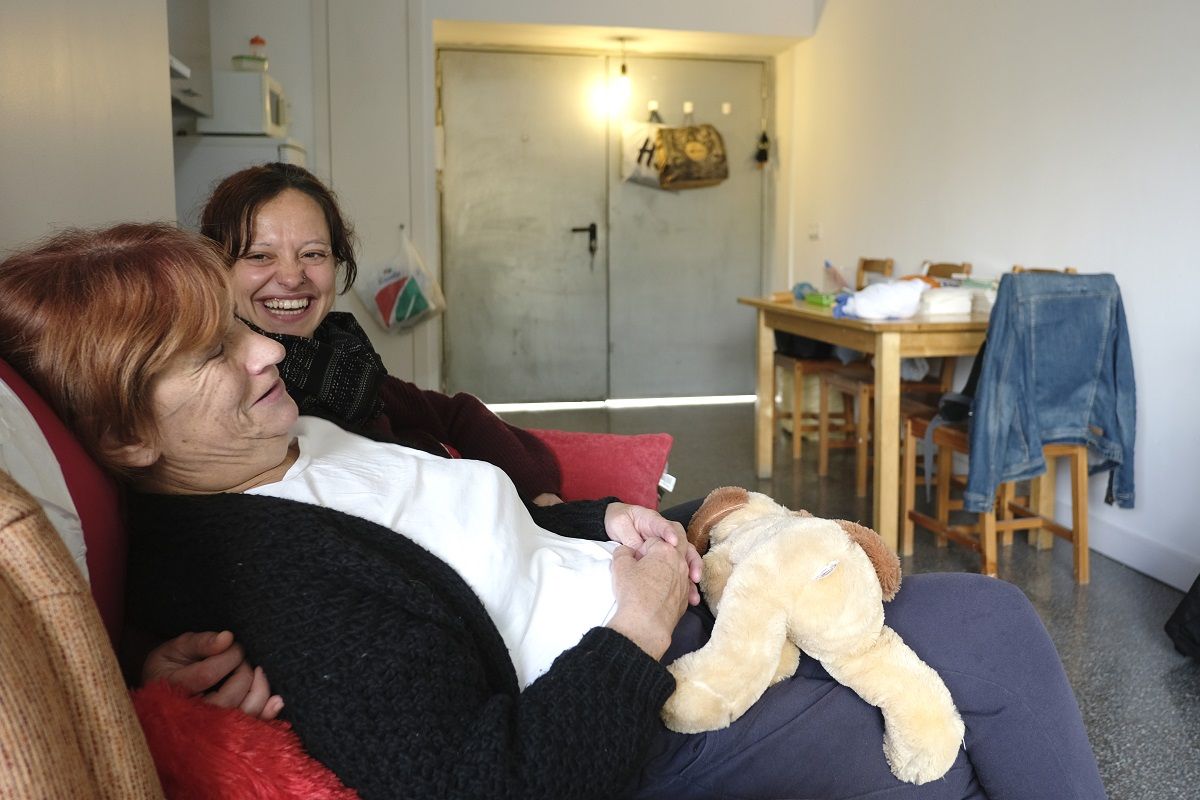
We have also alluded to the work that SJD carries out in the field of mental health, exemplified in the Health Park that the institution has in Sant Boi. A line of action often made invisible by the strong stigmatization that this problem has in our society. The Director of Analysis and Strategy in Mental Health at SJD in Catalonia, Cristina Molina, refers to her work in these terms: "While the young population sector has it more normalized, socially it is a topic that is not talked about much. This does not happen with other health problems, such as, for example, cancer." Molina adds that "mental health is not only a pathology and expanding the concept in a positive way, we relate it to emotional well-being" and calls for "demanding a less paternalistic model and one more focused on people's rights."
Other areas in which SJD's Social Work is very actively involved are dependency, intellectual disability, research and teaching, migrations, and international cooperation. All this immense work requires an essential ingredient to achieve its goals: raising awareness in society. A transversal mission in all social organizations that has become even more complicated this year. But the coordinator of the entity's Solidarity area, Brother Eduardo Ribes, does not give up and seeks everyone's involvement to find solutions. "We cannot look the other way, nor think that this is something temporary or that its solution corresponds to the government in power; we must ask ourselves: in the face of this pandemic, what can I do personally? What can I contribute?" he explains. Ribes emphasizes the principle of hospitality, one of the most deeply rooted values in the organization: "Our concept of hospitality is integral; we cannot dissociate the social from the health sphere, as both complement each other. And for us, hospitality encompasses everything; that leads us to be attentive to emerging needs, to show solidarity with the person who suffers."
"We cannot look the other way, nor think that this is something temporary or that its solution corresponds to the government in power; we must ask ourselves: in the face of this pandemic, what can I do personally? What can I contribute?" explains Brother Eduardo RibesOne of SJD's latest campaigns is named The Faces of Vulnerabilityand aims to communicate the difficulties that the pandemic has caused in all areas of action of the Social Work. Many people who were already experiencing different situations and degrees of vulnerability have seen their world crumble in recent months.How to answer the #StayAtHome call when you don't have one? How does isolation affect people in a situation of dependency? How to enable access to an autonomous life for a refugee family in a context of confinement?
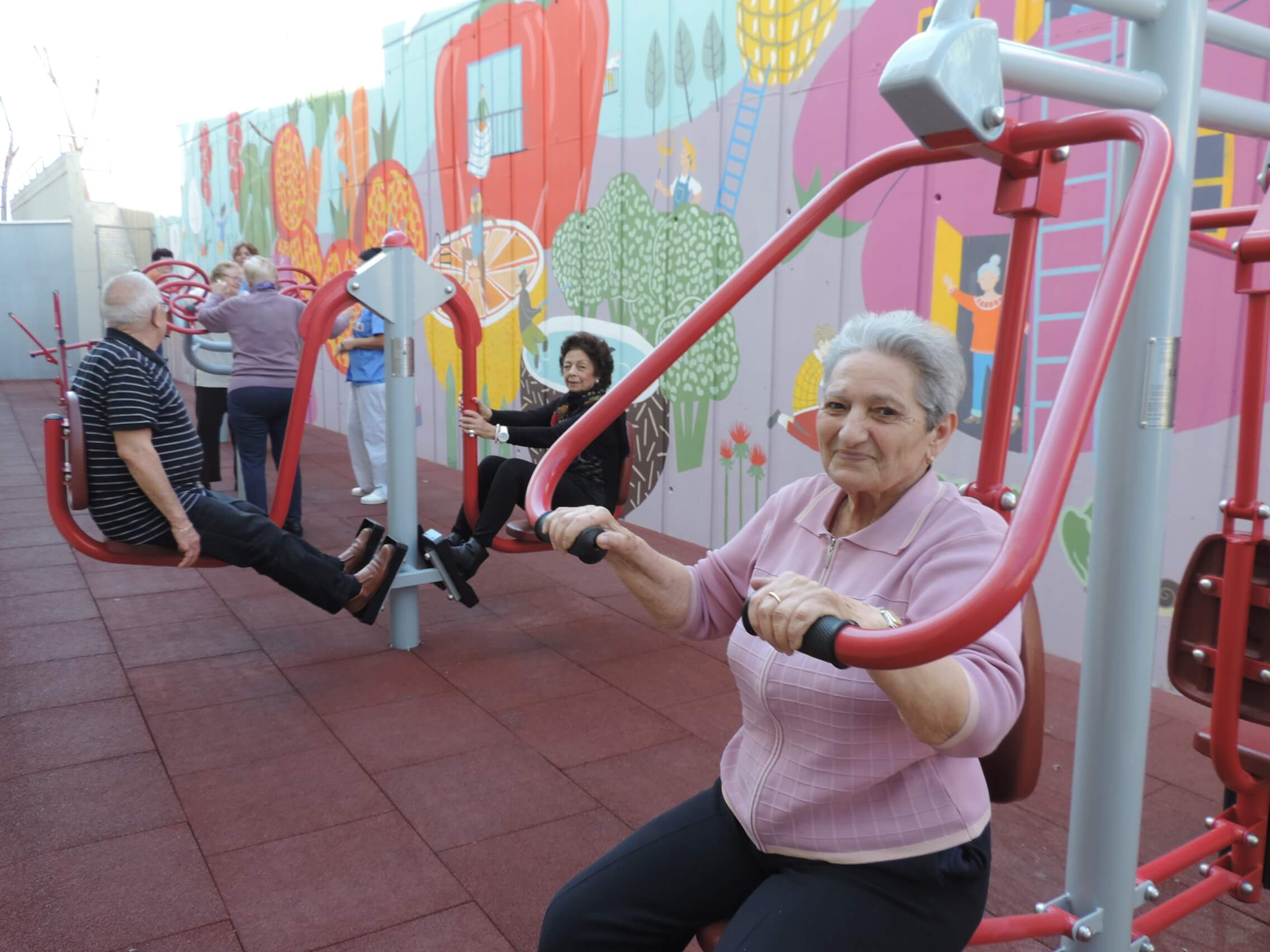
Questions with difficult answers, which this campaign wants to help elucidate. Said project has been awarded the Talent 2020 prize and has managed to raise more than 100,000 euros thanks to the generous contribution of individuals and companies, but the institution continues to need support to continue building and strengthening its community. That is why SJD makes a call to society in order to obtain the necessary help to guarantee the viability of its projects.
The Magic Line
At this time of year is when, under normal conditions, SJD opens its registration periods to participate in one of its most popular activities: the Magic Line. A popular march that runs through the streets of Barcelona, Mallorca, Valencia and Murcia, and in which winning is not important but rather gathering around the values of empathy and solidarity that SJD advocates. In the last edition of the Magic Line, 13,000 people participated, divided into 982 teams, and nearly 400,000 euros were raised.
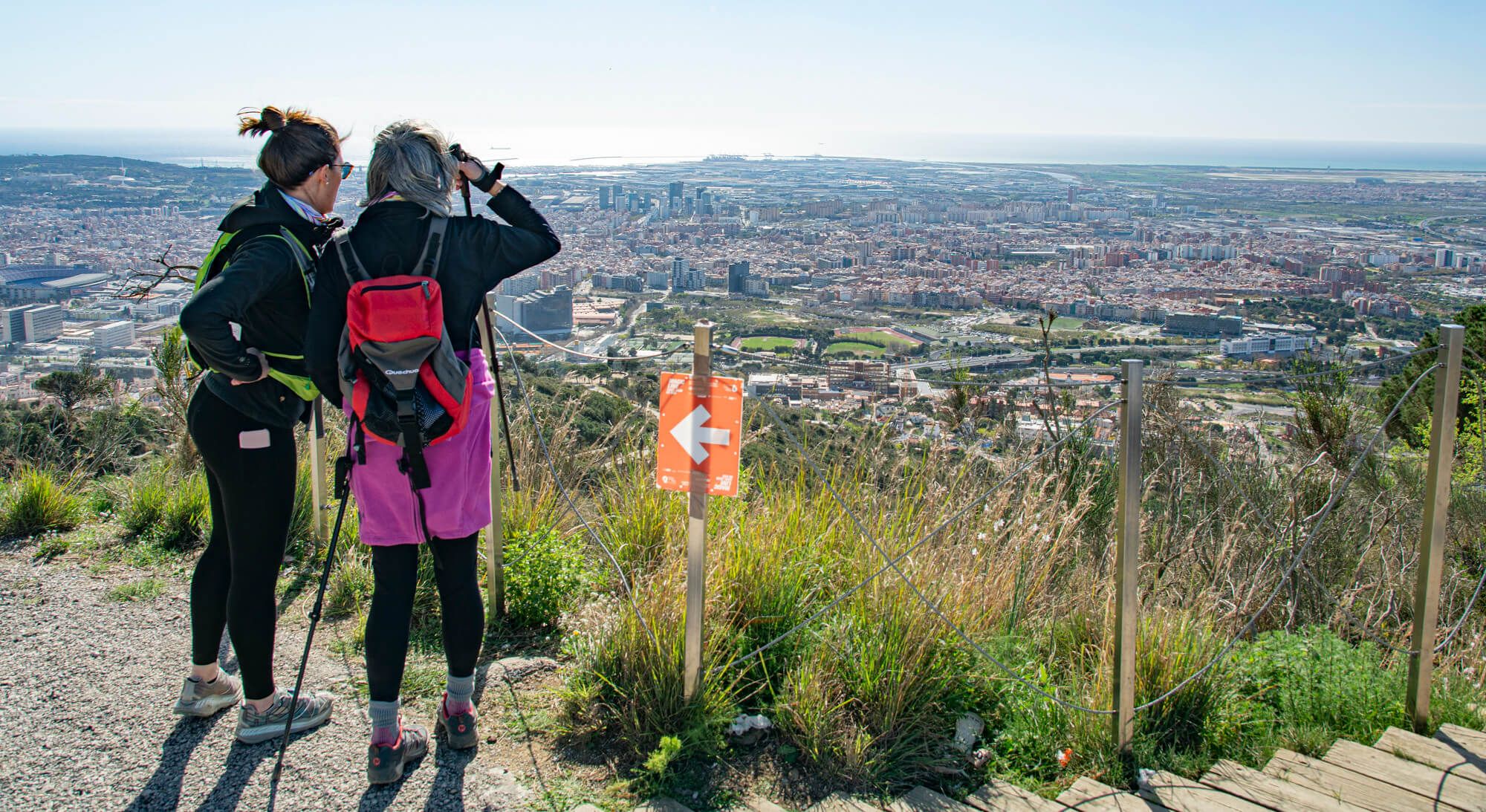
For SJD's Social Work, its Magic Line is a very important event and they are already working on the format that the 2021 edition will have, clearly conditioned by the current uncertain situation. The organization comments on the possibility of proposing a virtual alternative to the usual walk through the city, but undoubtedly everyone hopes to recover the festive atmosphere of past editions as soon as possible. Because one of SJD's main characteristics is to approach people and accompany them, and this inherent proximity to company will always be more tactile than digital.
Putting people at the center
In this strange world, where the individualism of mobile phones makes us walk down the street with our heads down, it is urgent to get closer again to our neighbor. "We need to recover the relational factor, put the culture of care at the center of our priorities, practice empathy and approach the other as a person with the same rights as oneself. Because when you know and recognize the other, you can no longer feel indifferent," says the head of the Awareness area of SJD's Social Work, Diana Casellas.
An organization founded in the year 1572 has surely known other 2020s and from this experience draws its strength. With the aim of continuing to advance and leave no one behind, perhaps it is worth pausing for a moment and rethinking the path. A path that places people at the center and makes us look around us, that reminds us that we need each other. A path that seems long but that the Obra Social de Sant Joan de Déu wants to continue traveling hand in hand with its great community and citizen collaboration.
Add The New Barcelona Post as your preferred Google source for free
Stay informed with the latest news.