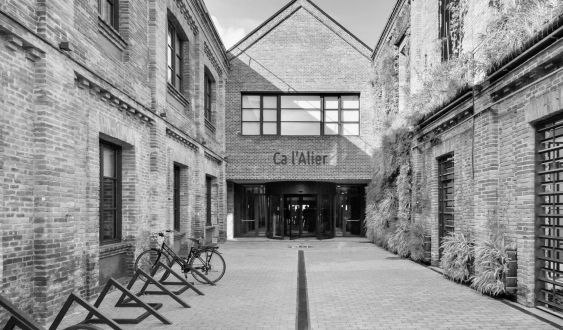
For a long time, the popularity of Poblenou, one of Barcelona's most unknown neighborhoods until a few years ago, has been on the rise. It was known, but the result of the macro survey carried out by the international magazine Time Out had to arrive to finally confirm it. The magazine's objective was to find out which were, for its readers, the best neighborhoods in the world. Or the most exciting, as Americans would say. In addition to the number of respondents, local experts from numerous countries and editors of the international publication were added to guarantee a global network that would yield objective results. The result? The conclusion that, indeed, the Poblenou neighborhood of Barcelona is one of the 50 best districts in the world to live in.
And what was valued? Well, nothing out of the ordinary, but highly demanded factors: neighborhoods in full effervescence with interesting establishments in (almost) all areas, an acceptable quality-price ratio, and a place, moreover, where tourists could also experience the best of the city, the authentic, as travel guides would say. And one thing is for sure, in Poblenou one can live, eat, drink, and cultivate oneself and do it like a true local. Resident's word.
Poblenou, they point out in the conclusions of this worldwide neighborhood ranking, "was the center of Barcelona's industrial revolution but, today, in the blocks extending northeast of Parc de la Ciutadella there are hardly any signs left of the textile and transport companies that were built in this industrial area of Catalonia at the beginning of the 20th century."
And, well, that's the charm, in the essence of this neighborhood that is seen as "a beachside village within a city, which continues to avoid gentrification (most businesses close at midday and many even on Saturday afternoons) amidst the new industry of the 21st century." And despite the industrial revolution that broke out here during the last century, the truth is that today it has little of industrial about it, but a lot of revolution.
Digital agencies, prestigious consultancies, or leading startups occupy the buildings once dedicated to textile production. These buildings have been adapted as spectacular workspaces, restaurants, cafes, and even art galleries. It is the most industrialized area of the neighborhood, although even so, and thanks to its careful reconversion, it is not cold, not even corporate.
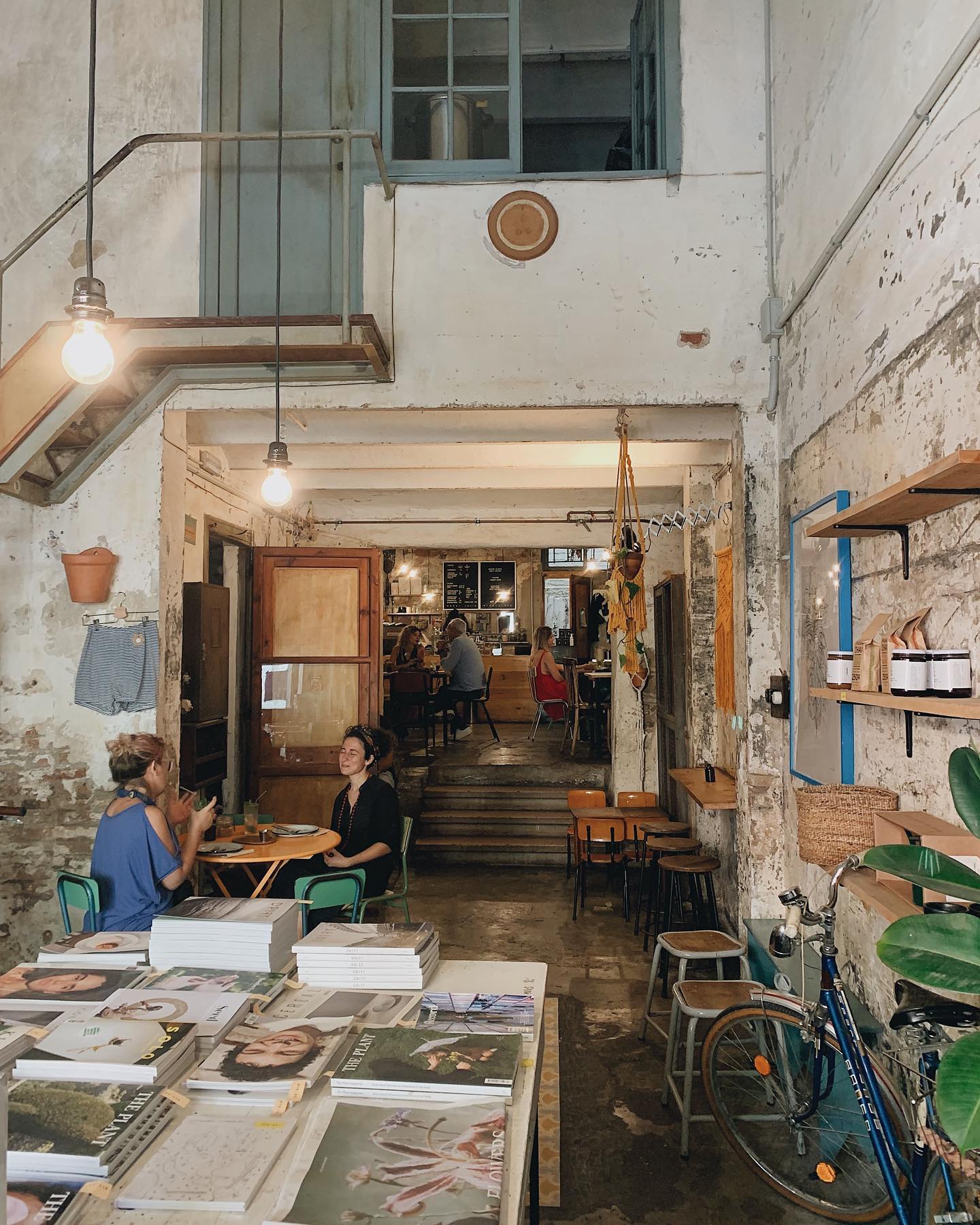
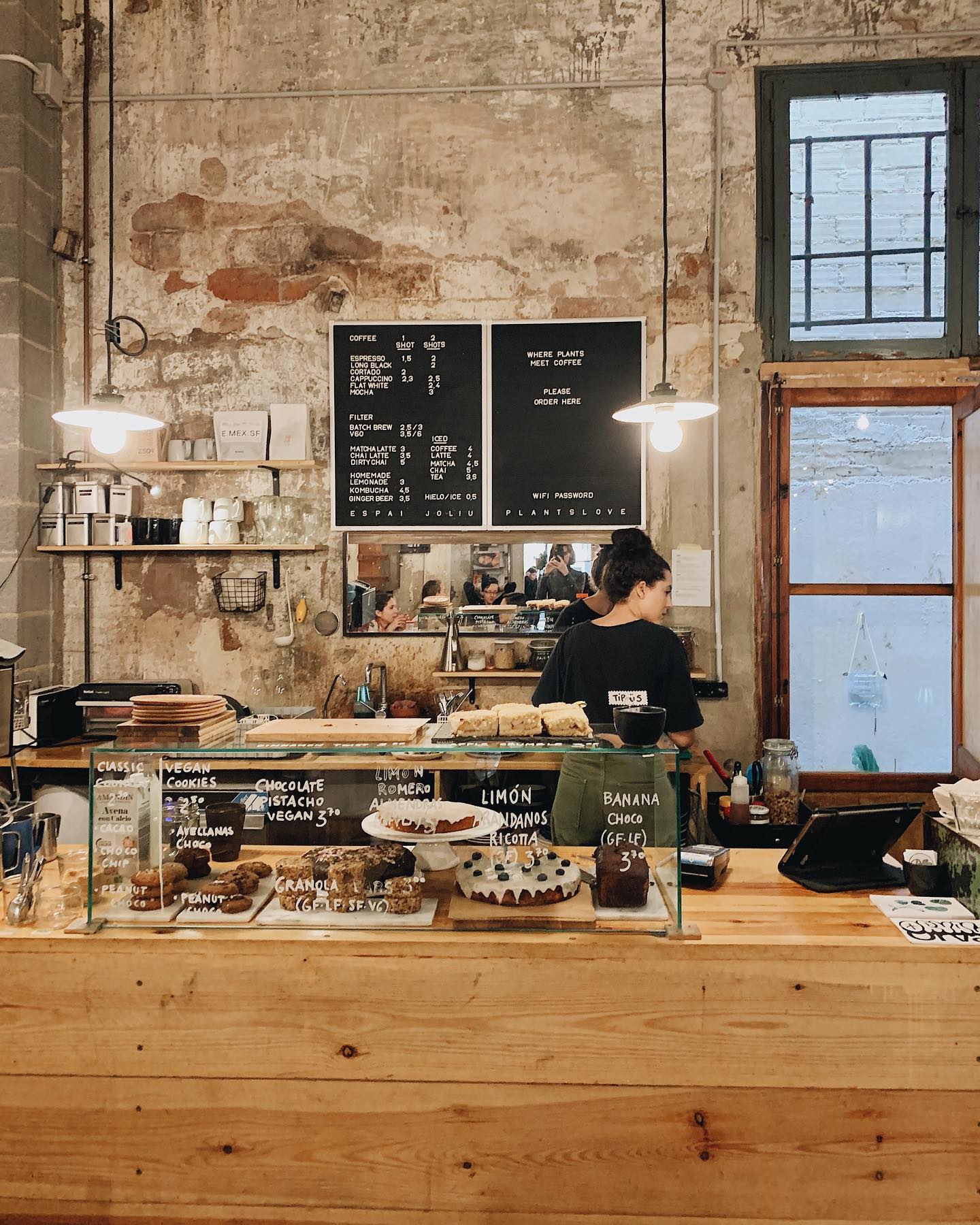
There is a perfect balance between the workday and places of leisure that, like Espai Joliu, reconcile you with modern life. In this space conceived as a concept store they serve a delicious coffee that has been, since its creation in 2016, conquering the hearts of all those lovers of the good and the beautiful, of the organic and of what comes from nature. Gastronomically, their offer focuses on good coffee and artisanal sweets from some of the city's most cutting-edge patisseries.
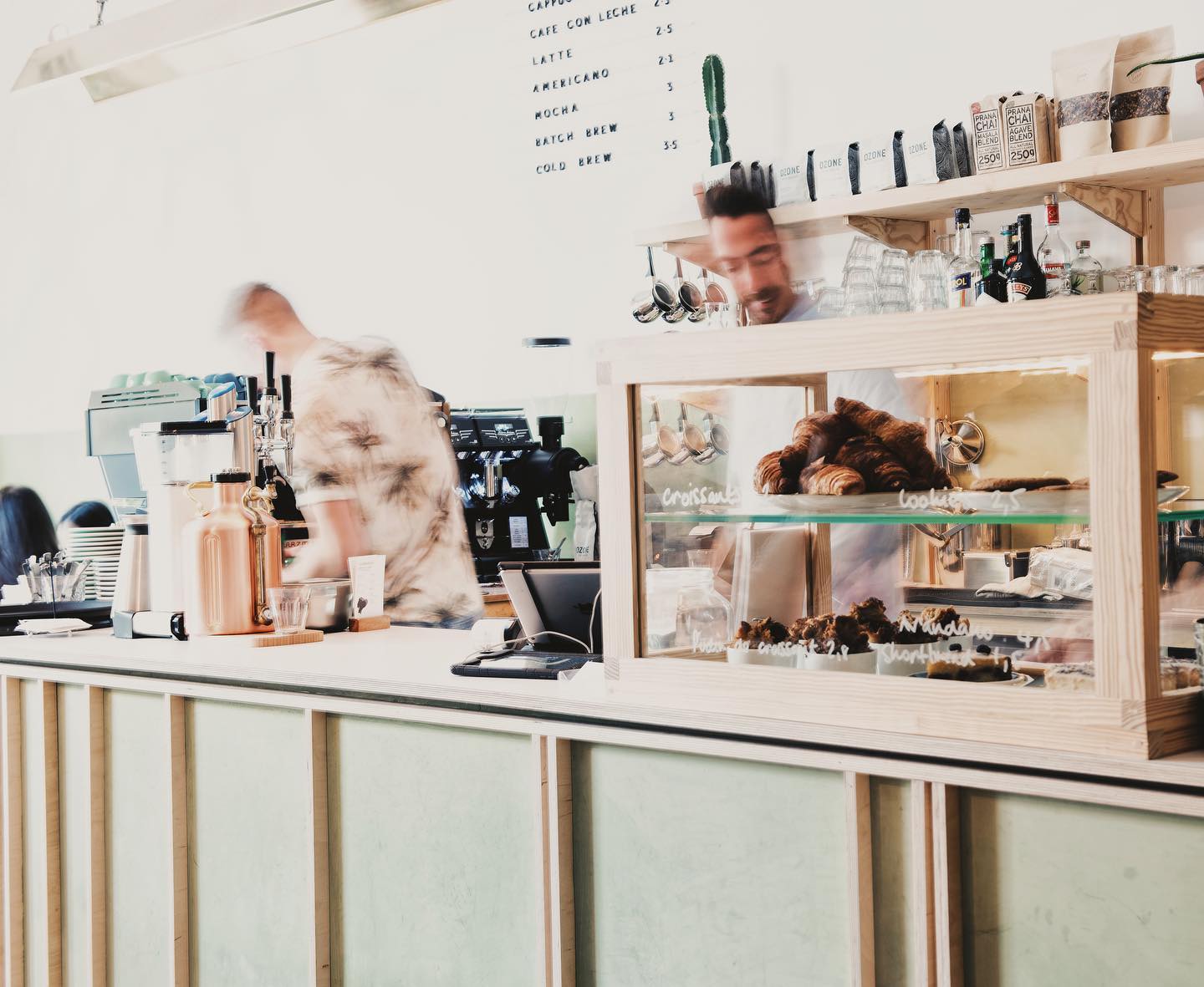
Instagram fodder, this photogenic space with industrial vibes offers delicious food (avocado toast and appetizing healthy sandwiches are a must) and good drinks, but also interesting ceramic objects from local artisans like Valentinis Artisian or prestigious international magazines. In this area you can also find other cult spots like one of the branches ofNomad Coffee or Little Fern, a casual restaurant focused on community located in the heart of the district. Drawing inspiration from New Zealand's thriving coffee culture, Little Fern offers healthy and delicious food combined with specialty coffee. Among its star dishes is what could be, although I confirm it, the best banana bread in the city.
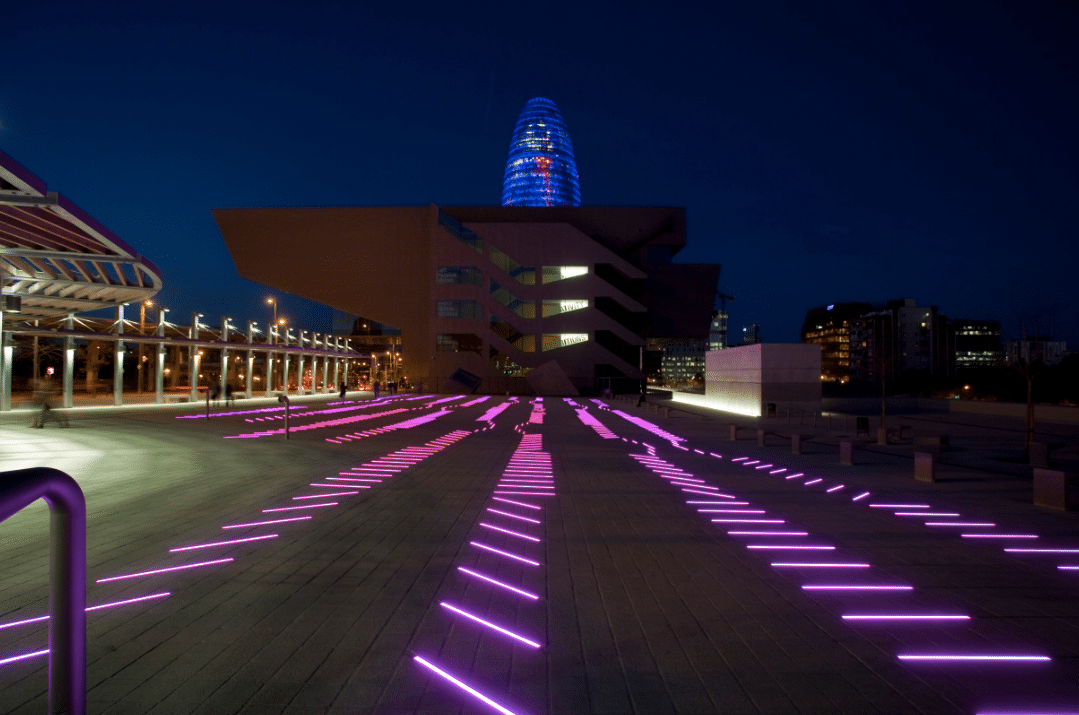
The new neighborhood cuisine
Although if it's about eating or drinking, it's better to do it in the great classics that govern the neighborhood based on good cuisine, such as Els Tres Porquets (their sobrasada and camembert croquettes are out of this world) or Els Pescadors, or in some of the newcomers who, given their popularity even in times of pandemic, are here to stay. This is the case of Can Culleres, a restaurant with no greater pretension than to serve good food. And it is here where Jordi Asensio and Patricia Nieven set a precedent with honest cuisine using fresh and quality ingredients. From their creations, traditionally based but applying creative and innovative techniques, dishes such as grilled octopus with pumpkin hummus, tsatsiki sauce and black rice crust, razor clams with pico de gallo or hake kokotxas al pilpil are born. Spoons up for a cuisine that is a declaration of intent, that of returning to its origins.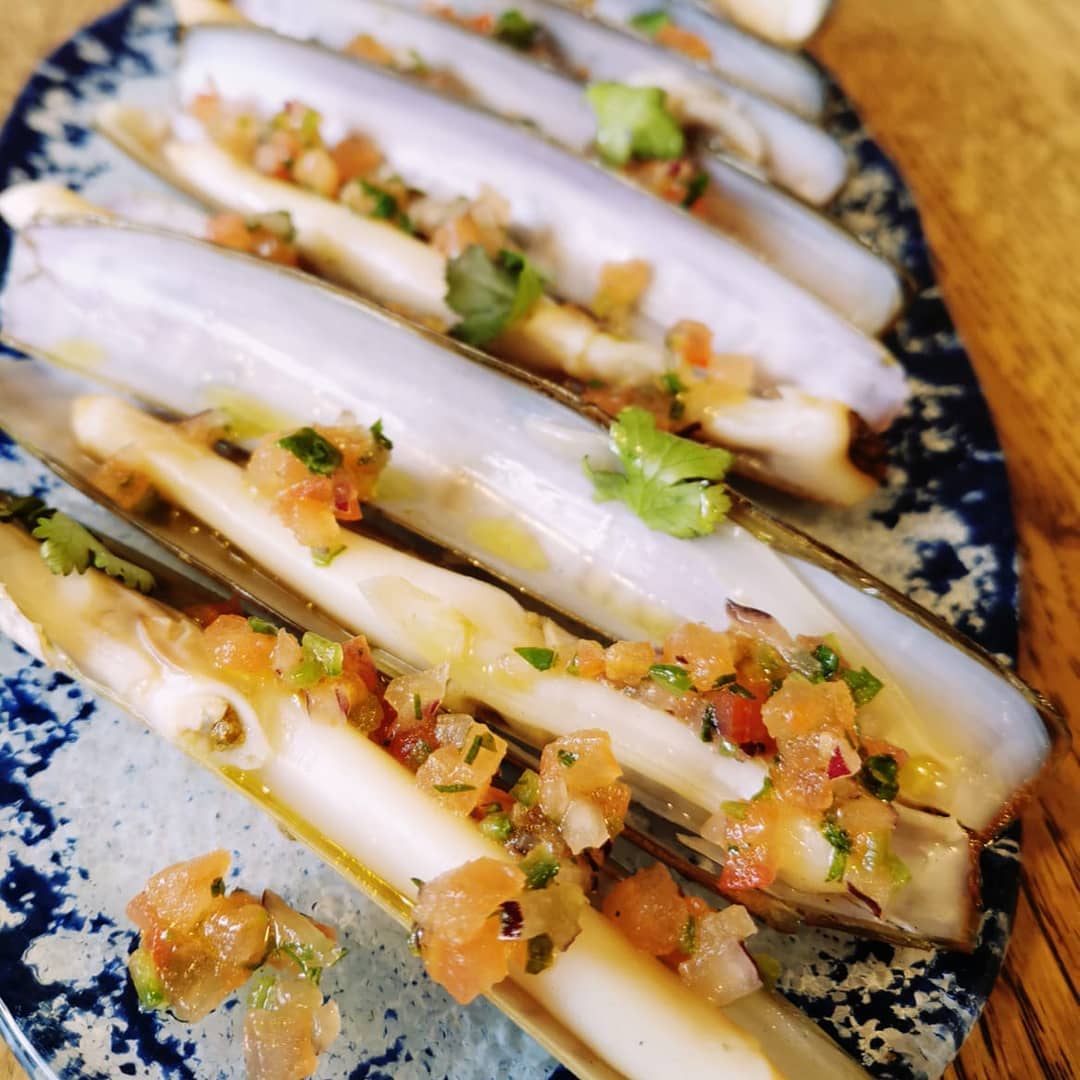
Add The New Barcelona Post as your preferred Google source for free
Stay informed with the latest news.