X marks the spot. So reads a well-known pirate motto and so confirms the emerging art festival ArtNou. Until September 4, more than thirty centers, including galleries, independent spaces, and institutions, in Barcelona and l'Hospitalet de Llobregat, have their entrance marked with this X, indicating that surprising treasures are hidden inside, as a result of their participation in the emerging art festival ArtNou. Treasures to discover in the form of artworks ---from painting or sculpture to performances or documentaries--- by young artists who, like a raw treasure, also seek to be discovered, in this case, by the art circuit and the public of the city.
In its fourteenth edition, ArtNou offers more than thirty exhibitions by some sixty artists under 35 who are either just starting their professional careers in the complicated world of art or seeking to consolidate their brief trajectory. "ArtNou acts as an X-ray or a map of the potential of emerging Catalan art. It could almost be considered the end-of-course or graduation photo of a very powerful generation of creators who rarely occupy the walls of galleries and museums," summarizes Pilar Cruz, the director of this festival.
Thus, with a complete program that extends throughout the summer, the festival allows observing the richness and diversity of these young creators. Precisely, the festival was born more than a decade ago, in 2012, by Art Barcelona, the association of art galleries ---then presided over by Carlos Durán, director of Galeria SENDA--- which detected this need to bet on making young art visible, as they observed that the art galleries in the city and its surroundings did not have a clear commitment to emerging art.
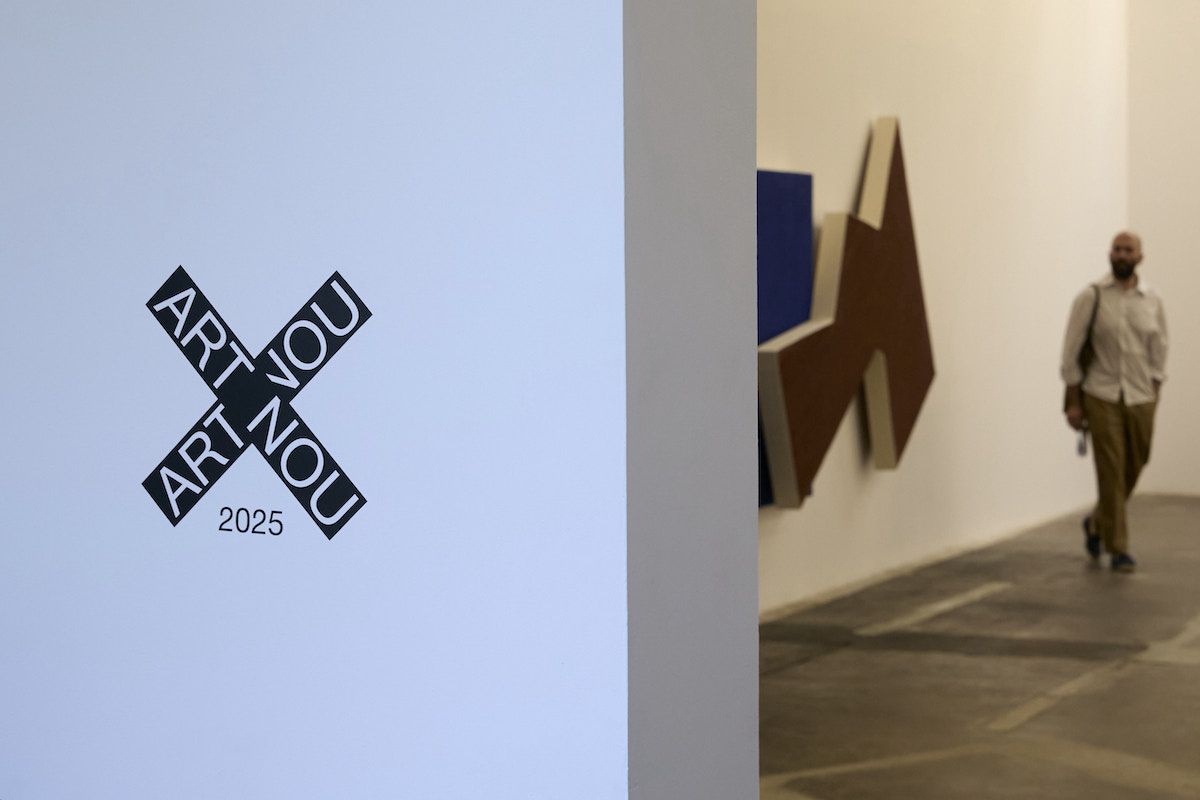
The presence of young artists in galleries, in fact, was practically non-existent ---and with exceptions, still is--- in spaces that act as an artistic and commercial showcase. "How are these artists going to consolidate and legitimize their careers if they are not given space to exhibit and commercialize their work?" laments Cruz. To reverse this low representation of young creators, ArtNou brings together works by emerging artists in 21 galleries, 11 independent spaces, and four institutions, such as La Capella or Sant Andreu Contemporani.
In fact, "for many creators, ArtNou is the first contact with professionalization", assures the festival director. A first contact with the commercial art circuit ---facilitated by art galleries that connect artists and collectors--- which often appears hermetic and cryptic. Spaces that, moreover, also struggle to attract new audiences, and especially young people, since at first glance they seem like centers reserved for great collectors and experts. Thus, the festival serves as a pretext for these art galleries that proliferate in the city to open their spaces to both new young creators and visitors.
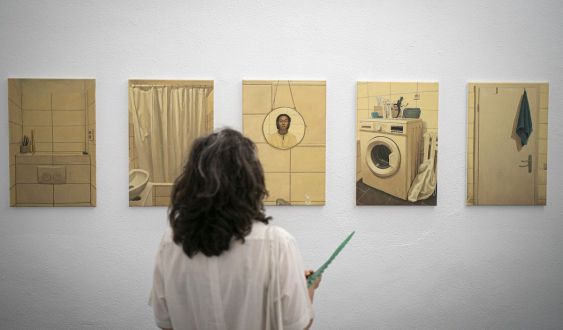
For artists, "it also serves as training on the dynamics of working with galleries," emphasizes Cruz. From the exhibition's conception to the writing of the room sheet or the calculation of assembly times, these young creators must face, in many cases, these challenges for the first time. Even so, the festival director reminds that "emergence has many degrees", so the festival brings together artists who are exhibiting for the first time, with other more consolidated creators who have not yet had that more professional contact with the art world. Thus, for example, this edition also features Rocío Quillahuaman ---known for her funny Instagram vignettes that she now abandons to recognize her mother's work, one of the many domestic workers, in documentary format---, or Raquel G. Ibáñez, both exhibiting at Àngels Barcelona.
For galleries, the festival also represents an opportunity to meet new artists and give them this space without having to think, for example, about the economic performance of the exhibition. "The festival allows all galleries, simultaneously, to program young art, taking that risk with the peace of mind that there is a team and a festival that supports these exhibitions," says Natàlia Foguet, director of Fundació Úniques, one of the participating centers. "Exhibiting an artist is an economic investment, so galleries do not want to risk programming an artist who does not yet have a consolidated audience or is known within the art circuit," says Cruz.
"ArtNou is just one more tool within a system that must be strong and consolidated. The festival cannot and should not replace other initiatives to continue promoting emerging art"The goal is for it to reachfor a stable relationship to be generated between artists and galleries, to promote and boost, thus, the career of young artists. This is the case of Alán Carrasco, who held his first solo exhibition within the framework of ArtNou and, this year, has managed to be represented at the ARCO fair in Madrid. In fact, one of the awards at this fair in the capital, the Pilar Forcada ARCO award, has been won by another of ArtNou's participants, who began her career at this festival in 2019 and has managed to exhibit at the Venice Biennale or at the Fundació Joan Miró.
Likewise, and unlike other festivals, ArtNou does not impose specific curatorial or thematic lines, but rather the exhibitions arise from the synergies created between artists and galleries. Thus, the themes and formal languages are as varied as the young artists themselves and, by extension, society in general. Young artists who inhabit the world and face its problems, problems that they often channel through art. "Young artists and their works serve as a compass to know what worries current society; and through their works they force us to focus on specific themes or aspects," says Cruz. For this reason, themes such as identity, the relationship with the body, gender dissidences or racism are themes that underlie several of the exhibitions.
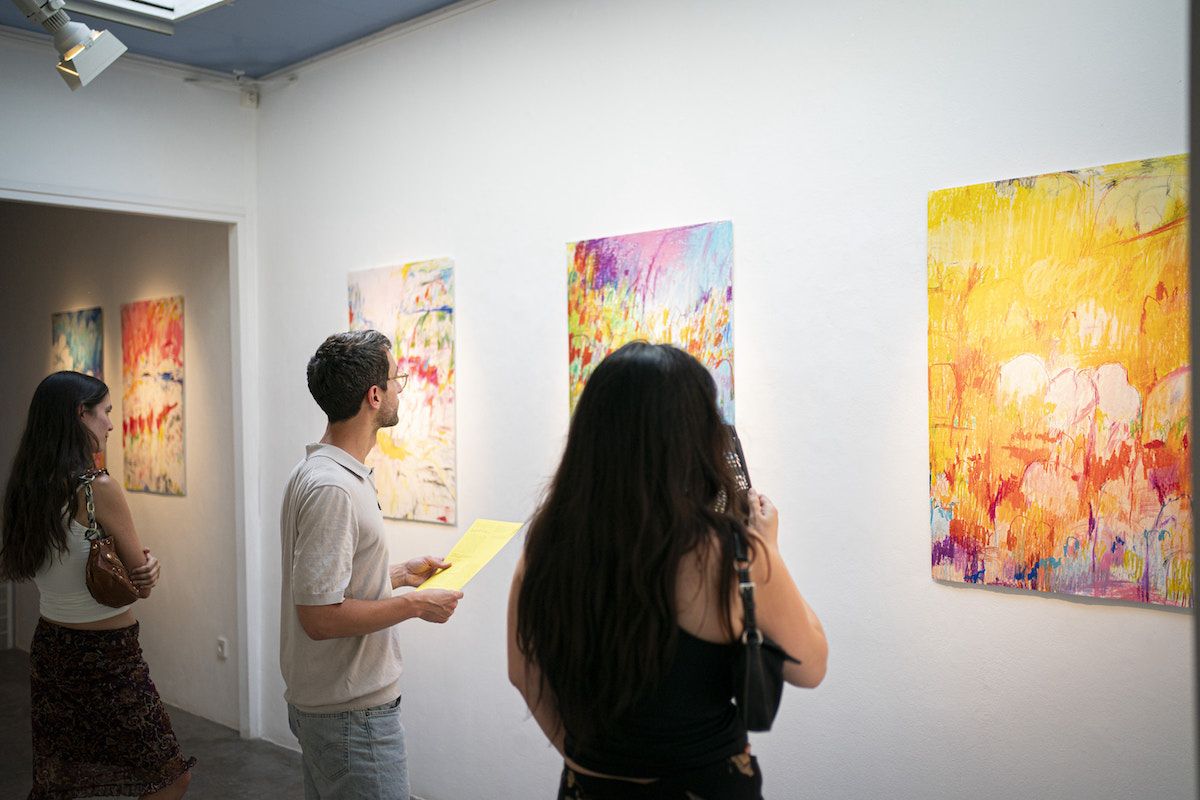
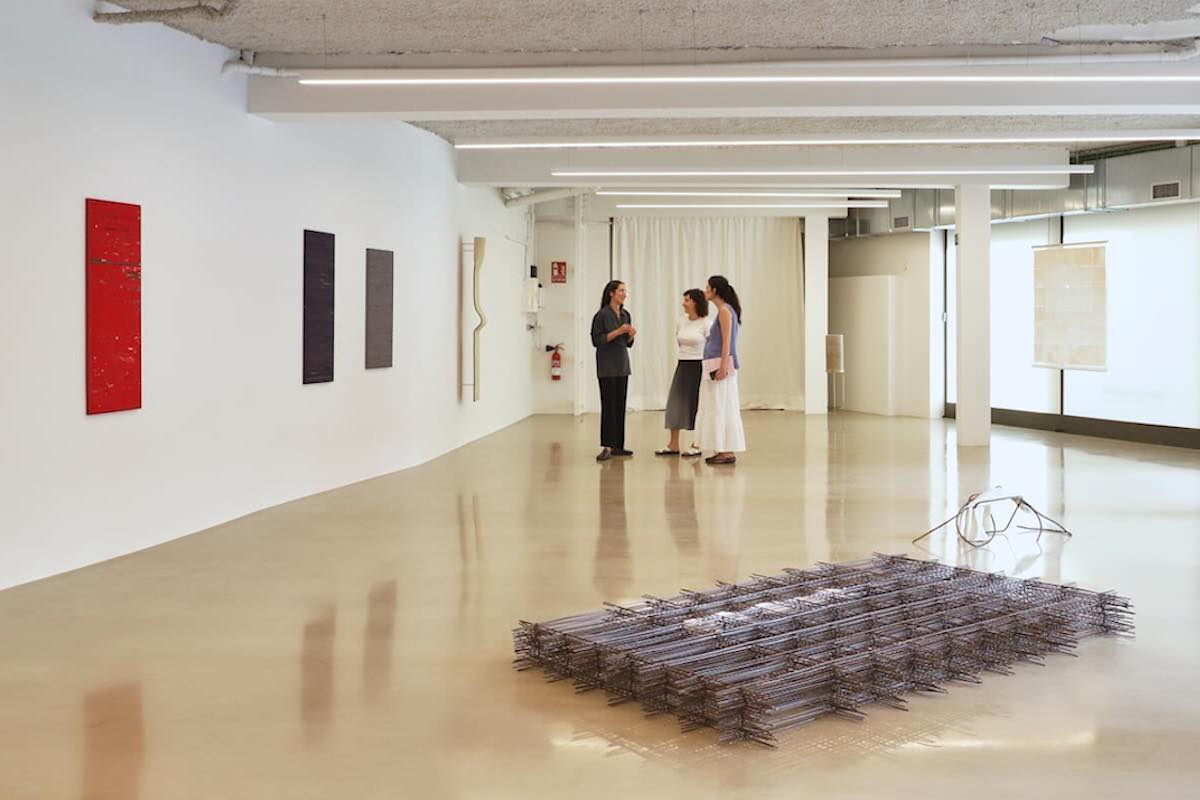
There is an exhibition for every personality and aesthetic preference, from the most figurative painting to theatrical performance. A quick stroll along Trafalgar Avenue, where a wide variety of participating galleries are concentrated, already allows one to grasp this diversity in forms and themes. From Rose Madone's inner journey captured in abstract paintings at Escat Gallery to Luis Rentería's fabrics that connect with the spiritual world of spells.
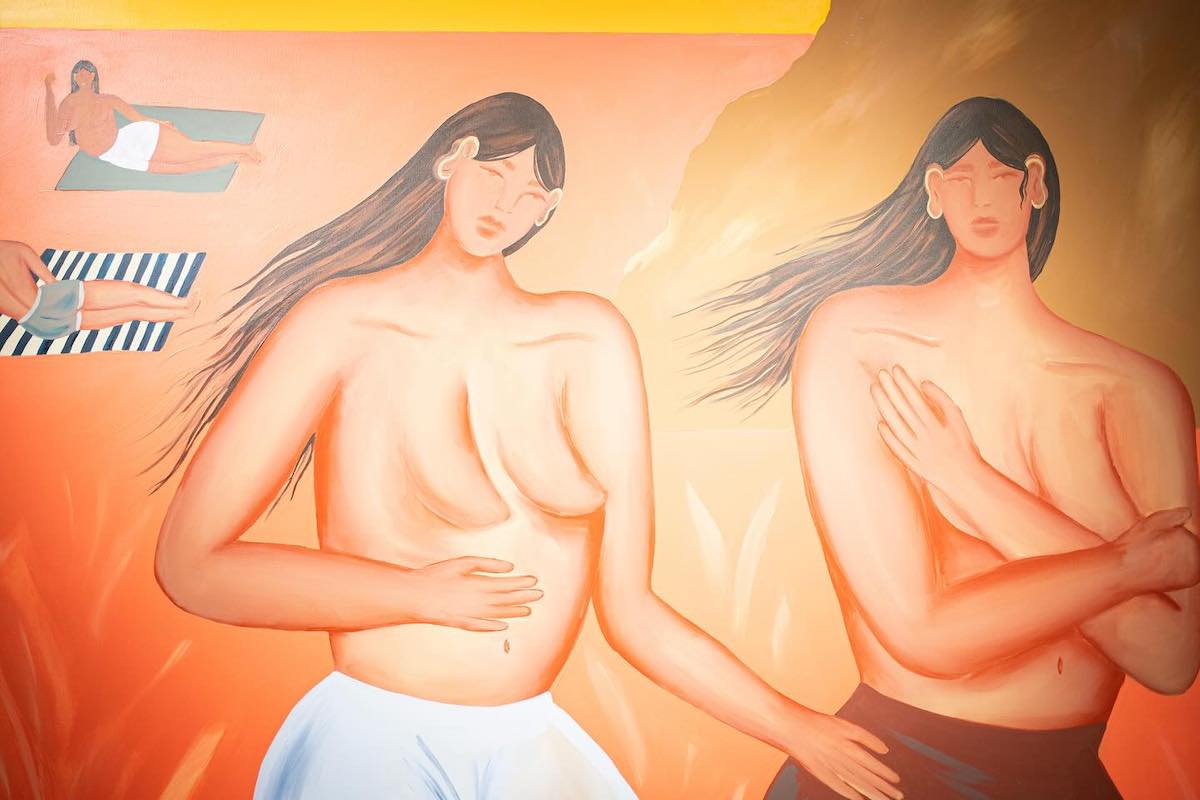
In short, young people who are inspired by their surroundings and who take their reality as a starting point, like Ethel Coppieters who, through feminine and colorful figures that even recall those of Gauguin, subverts current beauty canons: painting contemporary women who are in no way idealized. Colors that are also protagonists of Blanca Gracia's exhibition Mala hierba nunca muere (Weeds Never Die), where those weeds, those beings discarded or marginalized by society, now become central elements that take root and spread.
Another aspect that also surprises when observing the list of young artists is the gender parity among the exposed creators. A parity that, although it should not be a reason for celebration, continues to be an exception in the vast majority of festivals and exhibitions in local and international museums. A parity that does not exist, for example, in one of the great state contemporary art fairs: ARCO, where only 35% of the artists are women ---a percentage that is reduced even further when analyzing Spanish artists, who only represent a meager 5%---. In contrast, in ArtNou, out of 58 participants, more than half are female creators.
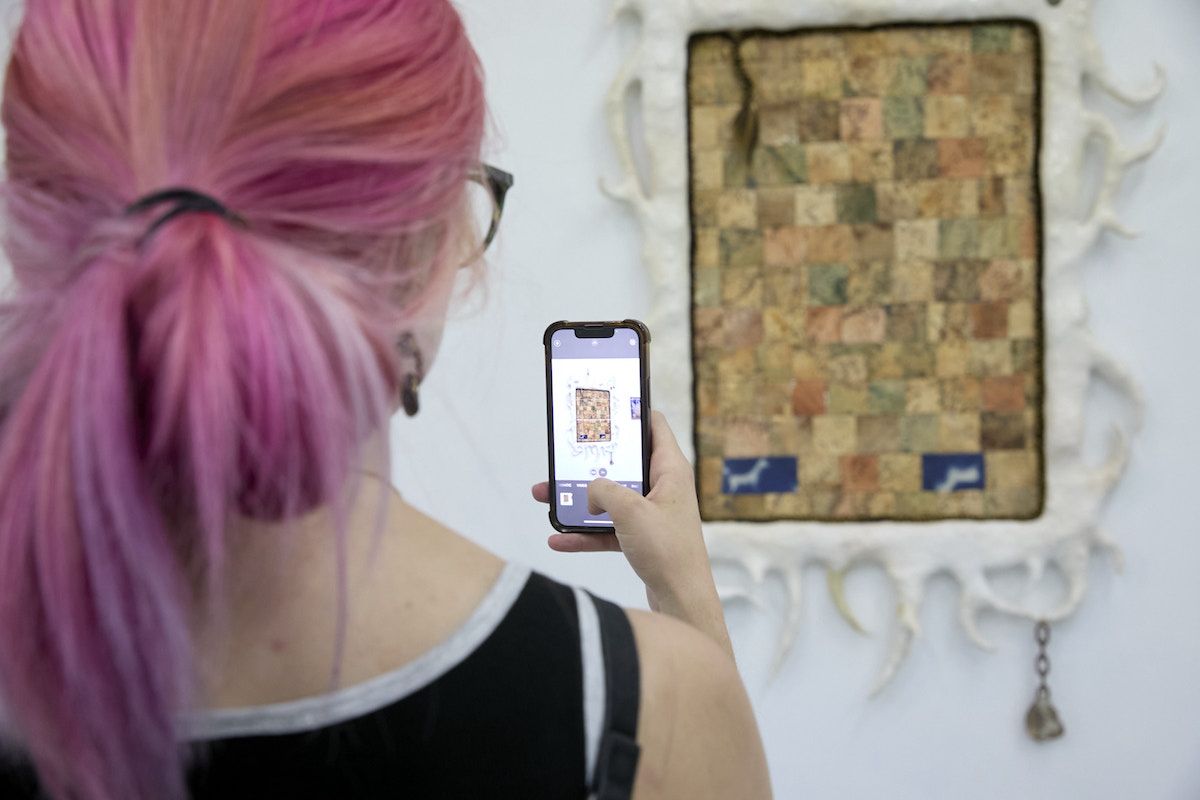
"This is a common symptom in contemporary art: although in the early stages of creation there is parity between men and women, in the art world there is also the so-called glass ceiling, making it difficult for female artists to consolidate their professional careers," laments Folguet from Fundació Úniques. Thus, while in ArtNou the proportion is equitable, in the Barcelona Gallery Weekend, dedicated to established artists, the figures are diametrically different. Precisely, the foundation seeks to promote a more equitable collecting, exhibiting works by women artists who work or reside in Catalonia. During the emerging art festival, this space exhibits the work of three artists ---Mariona Berenguer, Julia Aurora Guzmán, and Anna Ill--- who, through the common thread of textiles, address issues such as death or gestation or the stigmas towards manual laborers.
Despite the underrepresentation of young artists in the city's galleries, Cruz defends that the Catalan capital "is one of the best cities to start an artistic career," not only because of the existence of multiple galleries that allow the dissemination and commercial distribution of artists' works, but also because of institutional support for creation, with cultural centers and creation factories, as well as an extensive program of scholarships and residencies that foster artistic creation.
However, Cruz also insists that it is necessary to preserve this richness and diversity of the current landscape. For the festival director, it would be essential to have "an integral plan to support artistic creation" in which all artistic agents and institutions, from galleries to festivals and public institutions, would work. "ArtNou is just one more tool within a system that must be strong and consolidated. The festival cannot and should not replace other initiatives and scholarships to continue promoting emerging art," Cruz reminds. Likewise, the cultural manager also recognizes that Barcelona is one of the cities where it is most difficult to sustain an artistic career in the long term, due to global challenges such as gentrification or the high cost of living.
Looking ahead to the coming years, Cruz believes that the festival has ways to continue growing, not in the number of galleries or artists, but in its recognition or acquisition program. "ArtNou is an X-ray of the current ecosystem and as long as there are no new galleries or more creators, the festival will not vary," Cruz acknowledges. However, they do wish to expand their recognition program, to not only boost the beginnings of artistic careers, but also to encourage them to be sustainable in the long term.
Currently, in addition to the annual ArtNou award, the contemporary art fair SWAB Barcelona also selects a gallery to participate in its event, as does the Marseille fair Art-O-Rama. On the other hand, the Hotel Wittson selects participating artists from the festival to exhibit in its facilities, and Fundació Úniques will acquire works exhibited at the festival to be part of its collection. Likewise, the festival also seeks to focus on continuing to strengthen and expand its relationship with public institutions and is now looking at new allies: universities and fine arts faculties.
Add The New Barcelona Post as your preferred Google source for free
Stay informed with the latest news.
