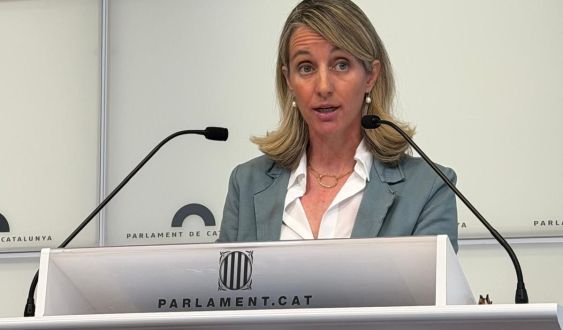
"Culture is the light of life." This statement, attributed to musician Pau Casals, summarizes a way of understanding the fundamental role of culture in society. But that light, as the director of the Fundació Catalunya Cultura, Maite Esteve, reminds us, has not sustained itself over time. Patronage has been the flame that, constantly and often silently, has sustained not only culture, but also research and the social fabric of the country.
A flame that now institutions also want to rekindle with the new Catalan patronage law. After years of advocacy and joint work between cultural agents and institutions, the initiative begins its parliamentary journey with the registration of the bill. This new legal framework, promoted by the Plataforma pel Mecenatge —formed by more than 200 entities and led by Maite Esteve—, is born with the aim of filling the existing regulatory vacuum in Catalonia in this area and complementing the current Spanish legislation. Thus, the law contemplates tax incentives such as deductions in personal income tax, as well as new mechanisms for promotion and pedagogy, through the Council for the Promotion of Patronage.
After failed attempts in previous legislatures, Esteve trusts that this time the text will have the necessary political consensus to move forward. In fact, the bill has been registered in Parliament with the support of three groups: PSC, ERC, and Junts. Even so, the Platform has already held conversations with the other parties and trusts in expanding support during the processing. If the process advances without setbacks, the promoters estimate that the law could be approved by the end of this year or early 2027.
A law with more deductions and pedagogical instruments
The proposal reaches Parliament after a long journey inside and outside Catalonia. In fact, at the end of 2023, the Plataforma pel Mecenatge already participated in the reform of the state Patronage Law, in force for 21 years, which increased tax deductions for donations and reinforced the role of civil society. Since January 2024, individuals can deduct 80% of the first 250 euros donated and 40% of the rest.
The objective now is to complete this framework with its own regulations for Catalonia, allowing for the deployment of autonomous competencies —especially in the Catalan section of the personal income tax (IRPF)— and to build a model more rooted in the territory. Thus, the proposal foresees an additional autonomous deduction of 15% for the first 250 euros and 45% for the rest. In the case of universities and research, the percentage rises to 20% and 30%, respectively.
Added to state incentives, small contributions could achieve an almost total tax return. "When a Catalan makes a donation to an entity, they could get a 95% return, and in universities and research, 100%," Esteve explained during the presentation in the Parliament. "These are especially relevant incentives for crowdfunding, but very significant for entities, which need stable resources to continue doing work that benefits society as a whole," she added.
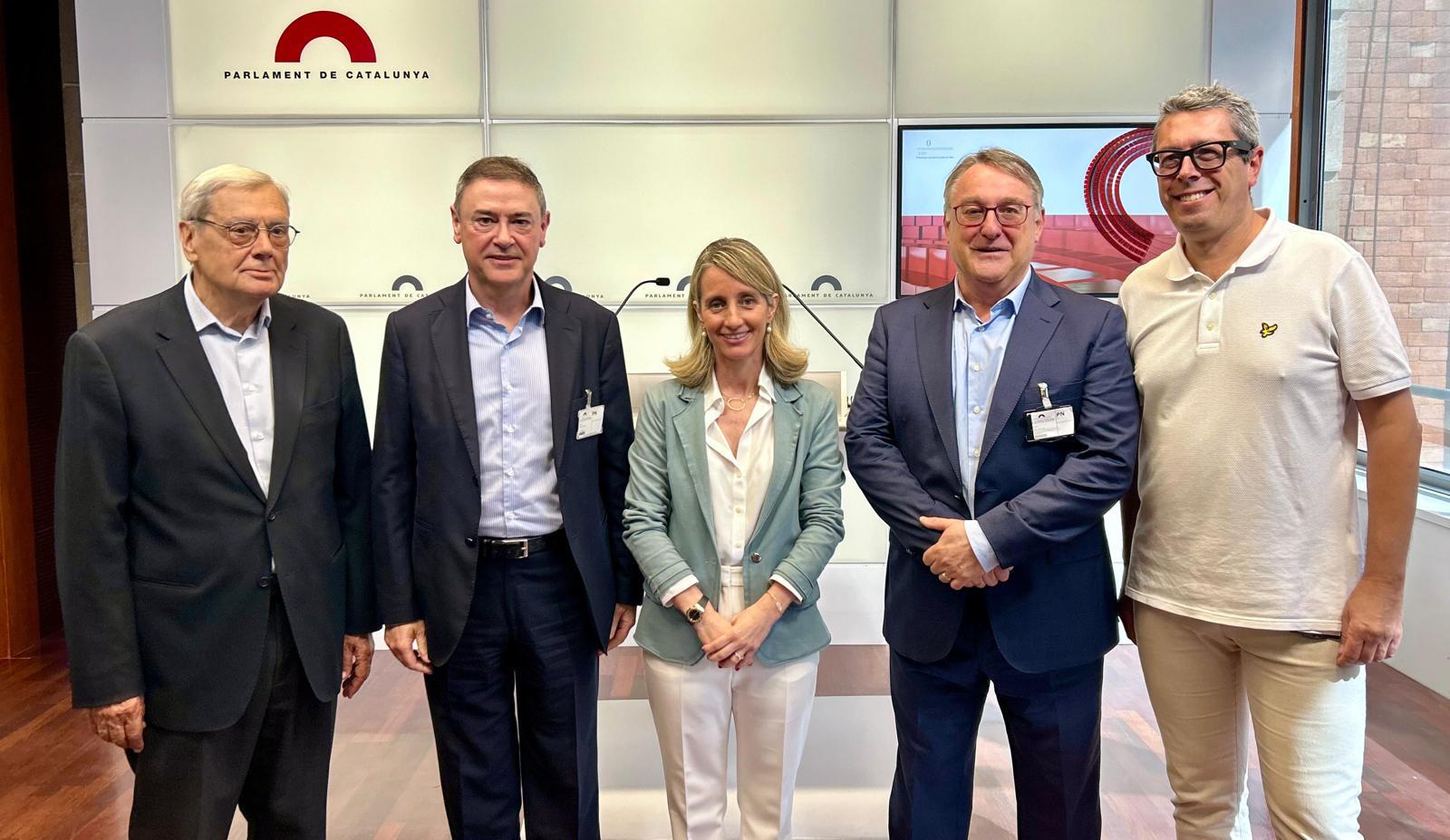
Beyond tax incentives, the proposal pursues an even deeper objective: to transform the social perception of this field and turn it into a daily tool for citizen participation. Although Catalonia has a broad associative fabric —with more than 2,000 foundations— and a tradition of donations, these donors are rarely recognized as patrons or even manage to understand this concept in society as a whole. "We need to re-explain what patronage is, open it up to everyone, and make it understood that it is not a privilege of a few, but a tool for collective benefit," Esteve claimed.
With this purpose, the text incorporates instruments of promotion, recognition, and pedagogy inspired by the French model of the Aillagon Law (2003), promoted by Minister Jean-Jacques Aillagon. That reform transformed the social perception of patronage in France: in just one decade, corporate donations went from 150 million to 1,200 million euros, while individual contributions doubled.
Taking this example as a reference, the new bill incorporates the creation of a Council for the Promotion of Patronage, with public and private participation, responsible for promoting a permanent observatory on philanthropy, sharing good European practices, and developing social awareness actions. With this set of tools, the promoters want to strengthen the role of patronage as a cultural and social engine of the country because, as Esteve has claimed, "when patronage works well, we all win, but above all the country wins."
Add The New Barcelona Post as your preferred Google source for free
Stay informed with the latest news.