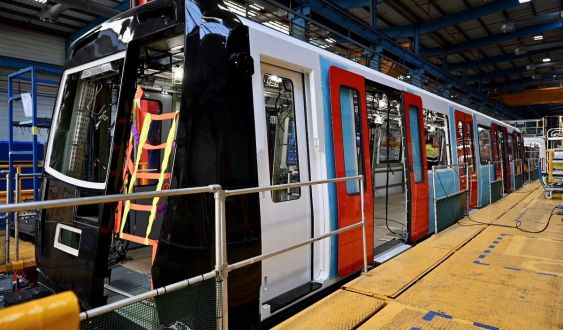
Lines 1 and 3 of the Barcelona metro will debut new cars this summer, which will be more accessible and comfortable, and will allow for the complete elimination of asbestos in the network. The French multinational Alstom is manufacturing them at its Santa Perpètua de Mogoda plant, with a team of 60 workers dedicated to building the 50 trains commissioned by TMB. This is the most important purchase of railway rolling stock in the history of the public transport operator, for an amount of 318.85 million euros.
The convoys will begin to be put into operation at the end of May with the arrival of the first unit on L3, as well as on L1 at the end of June. From this date, the delivery rate will be four trains per month, two per line. By the summer of 2023, all new units are expected to have been incorporated. Currently, four trains are already undergoing the last validation tests, checking braking and traction or testing the signaling system. A fourth unit is already ready to be delivered to TMB in the coming weeks to begin circulation tests.
The new cars, from series 7000 and 8000, will serve to replace the oldest vehicles in the Barcelona metro. Specifically, 48 trains from series 2000, 3000, and 4000 will be withdrawn, which represent the majority of rolling stock that makes up lines 1 and 3. The presence of asbestos in these convoys will prevent them from being reused and they will be scrapped. On the other hand, the purchase made by TMB will allow the fleet of line 3 to be expanded with two more trains.
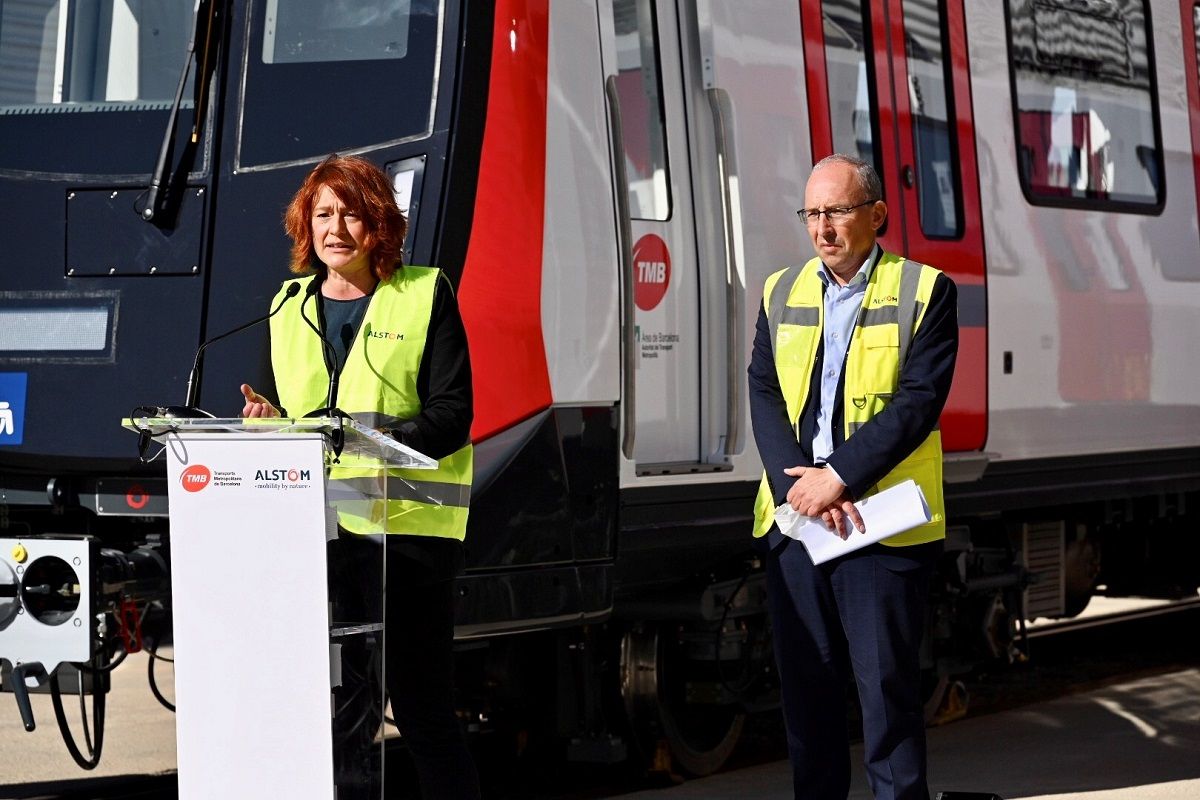
The new cars will serve to replace the oldest vehicles in the Barcelona metro.During a visit to the Alstom plant and production lines, the president of TMB, Laia Bonet, has highlighted the progress in accessibility that the new trains will bring, complying not only with Spanish and Catalan regulations but also with the guidelines of neighboring countries. As Bonet has highlighted, different groups of people with disabilities have been incorporated to participate in the design of the vehicles from the beginning, with the aim of contemplating all the needs they may have when using the metro.
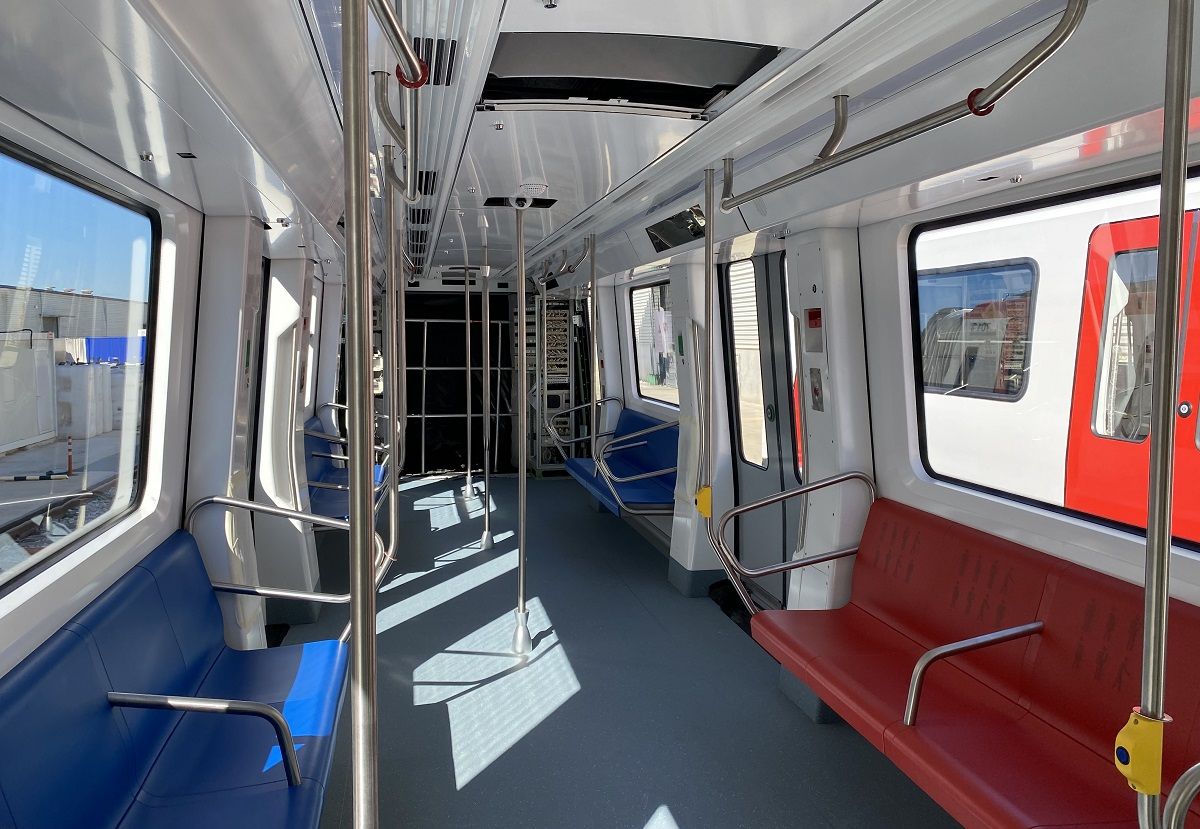
Entities such as ONCE, Ecom, Dincat, and Cocemfe have contributed to this process. Thanks to their contributions, the doors and corridors of the carriages will be wider, and the spaces for people with reduced mobility will be clearly distinguished and the doors closest to them will have automatic opening at all stations. Likewise, seats for elderly or pregnant people will be red, to differentiate them better. The buttons for intercoms or emergencies have been placed in a way that they are also accessible to everyone.
As is already done in other carriages, the exterior doors of the convoys will be painted red to facilitate their identification for people with visual problems. Navilens technology will also be incorporated, a system to guide blind people through QR codes and mobile phones, present throughout Barcelona's metro and bus network. Developed by the Murcian company Neosistec, this innovation was first tested, precisely, in the Catalan capital within the framework of the Mobile World Congress (MWC) in 2018 and has since been exported to many other cities and countries around the world.
Greater comfort for users will be another characteristic of the new L1 and L3 trains, with an exterior appearance similar to that of the current ones. As Bonet explained, the aim has not been to increase the capacity of the trains, made up of five interconnected carriages, but to make them more comfortable "at a time of maximum demand for public transport" and on two of the most frequented metro lines.
In this way, more ergonomic seats and side handholds above the seats for people standing have been incorporated, according to the director of TMB's metro network, Òscar Playa. The classic red light thermometers that now indicate stops will be replaced by screens, which will allow more information to be provided. There will be USB ports for charging mobile devices, a service that is currently only available on line 2. Work has also been done to introduce new control systems to reduce stops due to incidents.
"Reference project" for Alstom
The president of Alstom in Spain and Portugal, Leopoldo Maestu, has stated that the order for 50 new trains for TMB is a "reference project" for the company, as were the 9,000 series trains, which served line 9 of the metro, characterized by operating without a driver.
The L9 order helped Alstom in other tenders, leading these cars designed for TMB to metros around the world, such as those in Peru, the Dominican Republic, Panama, and Singapore. Maestu has not hesitated to say that the new trains for lines 1 and 3 will also represent "a leap" in quality and that the company will be able to export them as it did with those for line 9.
Add The New Barcelona Post as your preferred Google source for free
Stay informed with the latest news.
