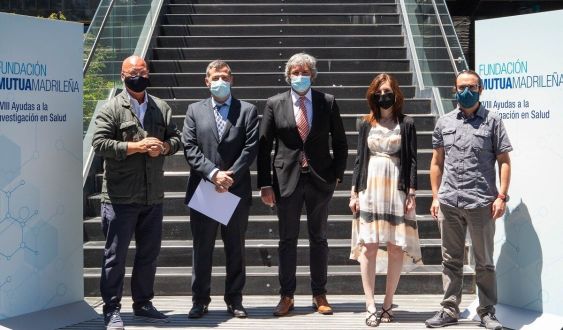
The commitment of the Mutua Madrileña Foundation to society translates into programs such as the Annual Call for Health Research Grants, which this year reaches its XVIII edition. The call, which was made public this Tuesday in Madrid, has selected a total of five projects that will be developed in different research institutes and hospitals in Barcelona. With a grant of almost 400,000 euros, they will address diverse areas, such as rare diseases, oncology, transplants, and traumatology.
One of the Catalan projects that the Mutua Madrileña Foundation will support will be the one led by Dr. Javier Torres at the Vall d'Hebron Hospital. The objective of this research will be the development of gene therapy through the introduction of a functional copy of the GFM1 gene in order to solve an alteration responsible for an ultra-rare disease: hepatoencephalopathy due to COXPD1.
According to Torres, this mitochondrial disease, which prevents organs from generating enough energy, occurs in newborns. Many of them die from liver failure, but a group of patients has been detected who have a longer survival, but who live confined to a wheelchair. The doctor adds that there are only 35 cases in the world and a couple of them are in Spain, although it is estimated that the real incidence could be higher.
The project led by Torres seeks a treatment for these patients through gene therapy for this mitochondrial disease. If validated, it could serve as a model for the development of therapies for other congenital rare diseases with similar characteristics.
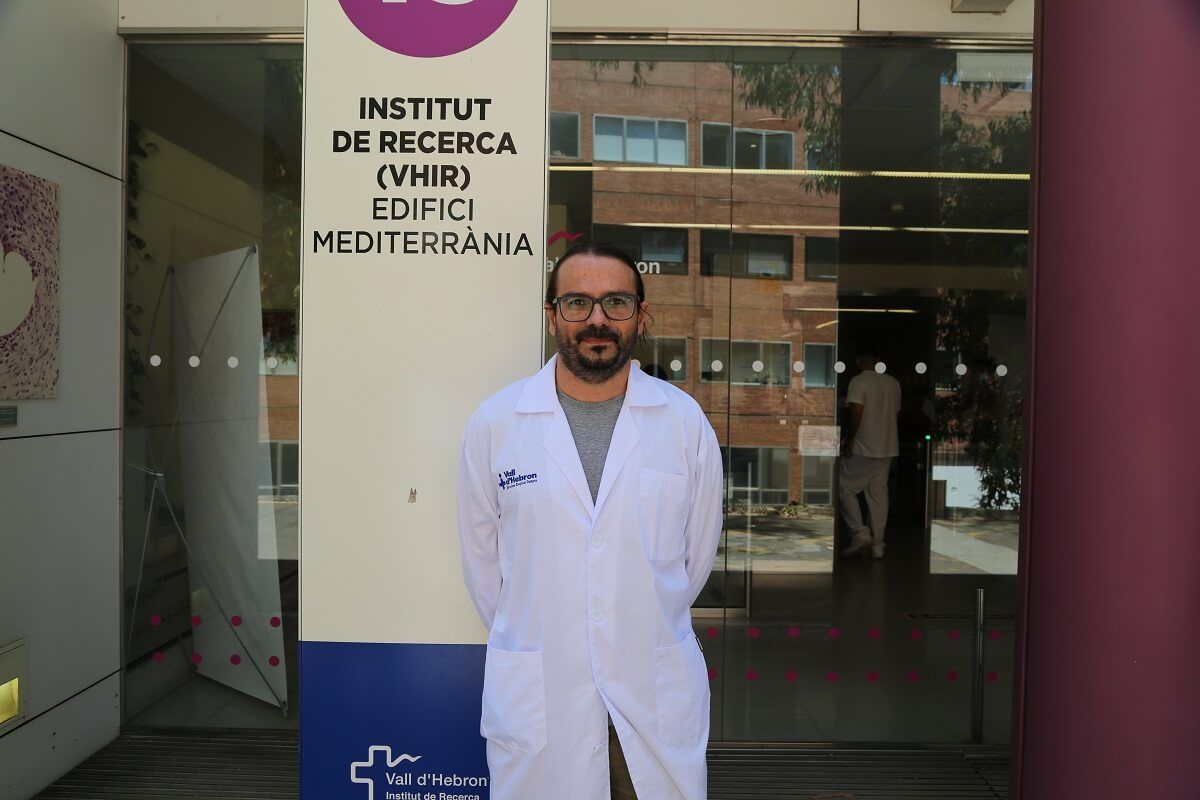
One of the peculiarities of the project led by Torres is that it will be developed collaboratively with centers from other communities. Specifically, it will do so with professionals from Madrid, Aragon, and Navarra. The Mutua Madrileña Foundation promotes this type of cooperative work in its call to obtain synergies between groups from different autonomous communities and obtain more consistent results. Likewise, Torres points out that he had been looking for funding for years to continue his research on this disease and celebrates that entities such as the Mutua Madrileña Foundation are committed to these pathologies that usually remain orphaned and without solution.
Study on prostate cancer in Bellvitge
Another project that the Mutua Madrileña Foundation will support will be carried out at the Catalan Institute of Oncology-Bellvitge Biomedical Research Institute (Idibell), where Dr. Josep Maria Piulats and his team will develop the SMARTER-CRPC study. This study will serve to validate whole-body diffusion magnetic resonance imaging as a technique to identify active bone metastases in patients with castration-resistant prostate cancer. If its validity is confirmed, it will be an alternative to biopsy, less invasive and with the capacity to reduce false negatives.
Artificial intelligence in Clínic transplants
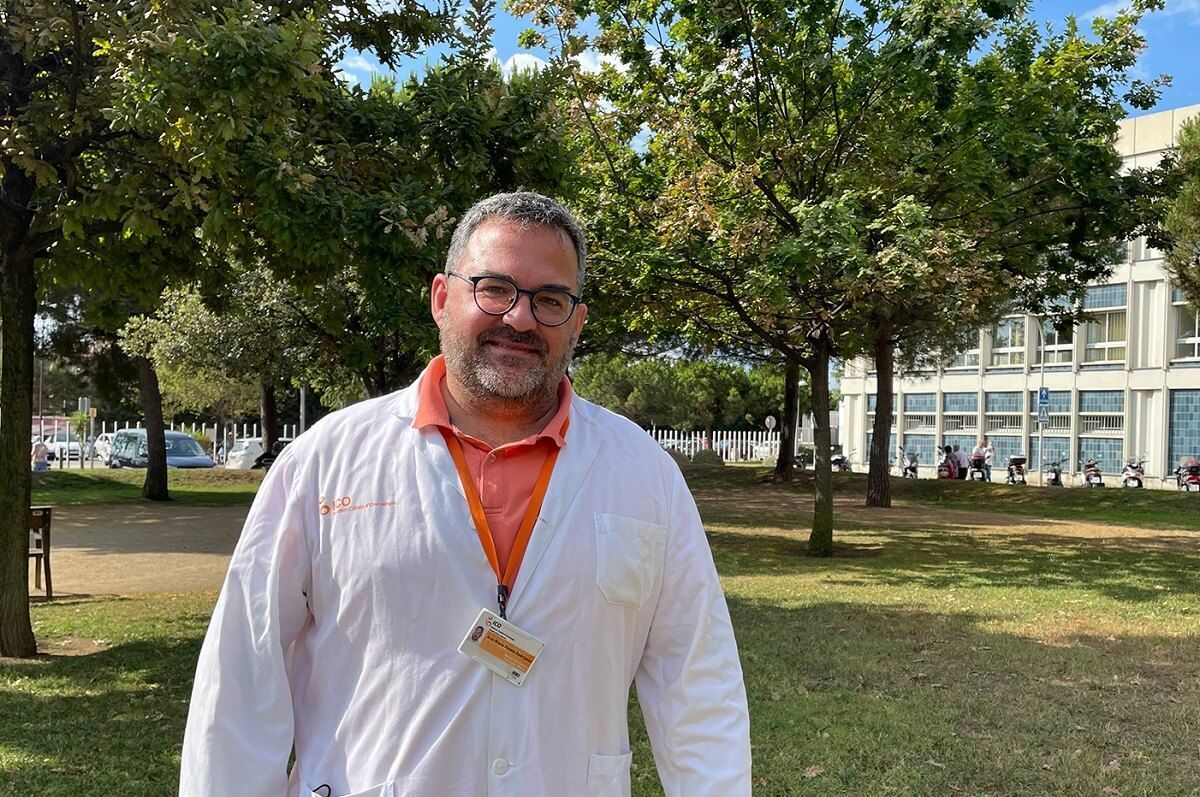
Dr. Ignacio Revuelta, from Hospital Clínic-August Pi i Sunyer Biomedical Research Institute (Idibaps), will develop, thanks to this aid, a predictive model to optimize and improve donor-recipient matching in controlled donation after circulatory death kidney transplantation with data at the time of donation that predict short- and long-term outcomes. The use of this technology will allow the development of predictive models that can significantly increase the number of transplants, reducing waiting lists.
Use of respiratory physiotherapy in lung transplants
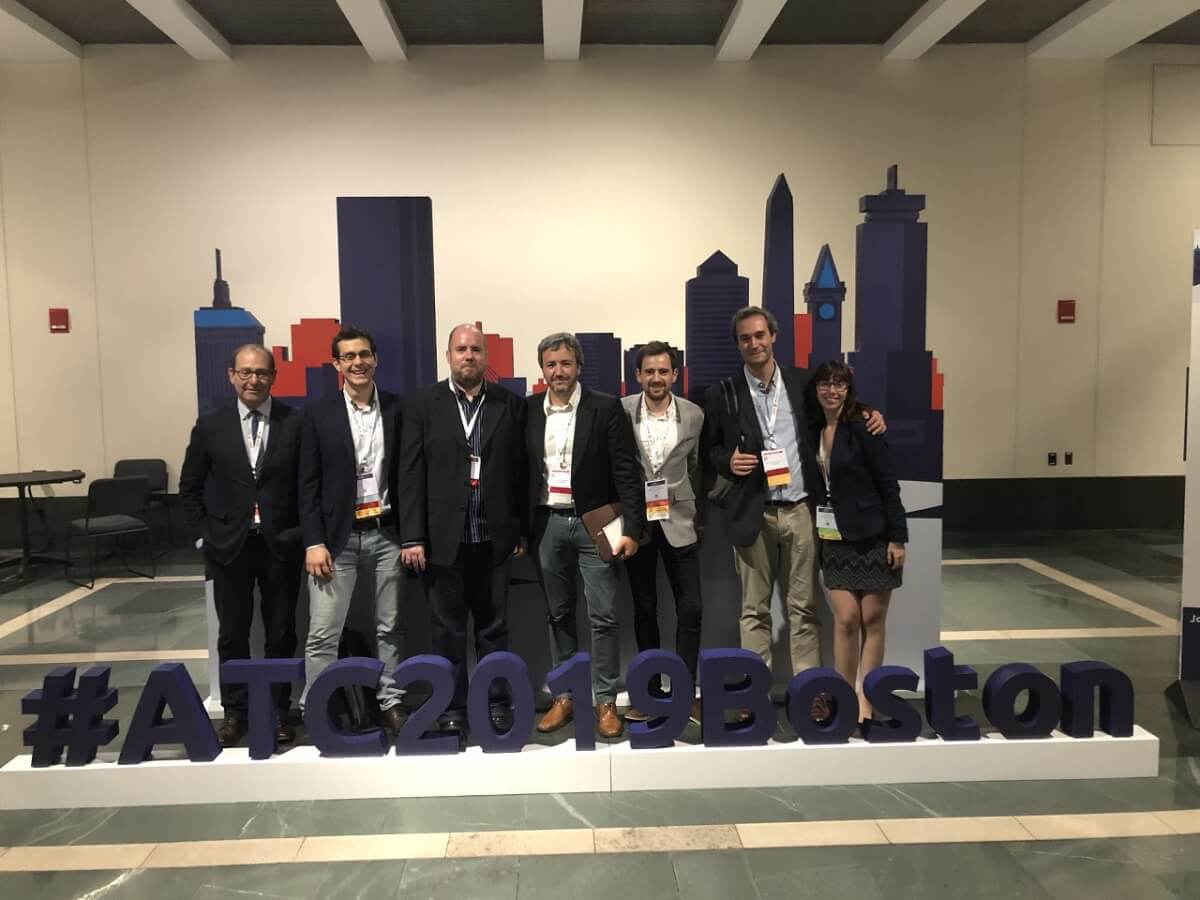
On the other hand, Dr. Alberto Sandiumenge, from Hospital Vall d'Hebron-IRHVH, will assess the effectiveness of respiratory physiotherapy in potential lung donors as a tool to improve oxygenation and thus increase the number of solid organ donors. If his hypothesis is proven, an improvement in oxygenation could lead to an increase in the number of available lungs, reducing the number of people on the waiting list, the time to transplant, and mortality on the waiting list. It would also mean a better quality of the transplanted graft, which would reduce some post-transplant complications and improve the short, medium, and long-term prognosis of lung recipients.
Effectiveness of scheduled hip replacement surgery
In traumatology, Dr. José Luis Agulló, from Hospital de Bellvitge-Idibell, will study the impact of scheduled hip replacement surgery for osteoarthritis on functional capacity and cardiovascular risk factors. Knowing the effect of surgery on various parameters (balance, strength, or cardiovascular quality) and being able to quantify it would offer complementary information that can influence specific prescription and its timing of application.
Two million euros throughout Spain
At the state level, the budget for this call from the Mutua Madrileña Foundation has reached two million euros, benefiting a total of 27 studies and clinical trials, which will be developed in 24 hospitals and one university in eleven autonomous communities.
All of them are aimed at improving medical treatments, but they also have to serve to contribute to the maintenance and development of scientific research in Spain. Since the launch of the first call in 2004, more than 63 million euros have been allocated to support 1,400 research projects.
The awards ceremony for the XVIII Call for Health Research Grants was held at the Mutua Madrileña Auditorium in Madrid, in an event presided over by the president of the Mutua Group and its foundation, Ignacio Garralda; the president of the Scientific Committee of the Mutua Madrileña Foundation, Dr. Rafael Matesanz, and the former head of the Microbiology and Infectious Diseases Service of Hospital Gregorio Marañón, Professor Emilio Bouza. The three were accompanied by the principal investigators of the studies that received grants.
Add The New Barcelona Post as your preferred Google source for free
Stay informed with the latest news.
