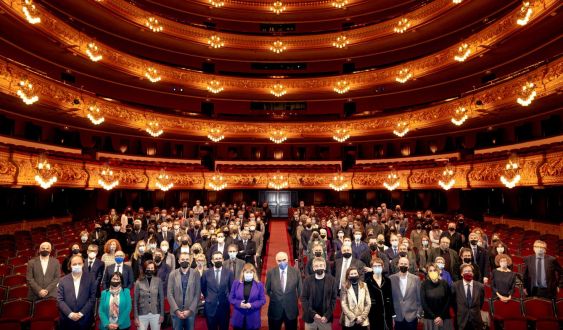
First prominent action of the commemorative events for the 175th anniversary of the Liceu. More than one hundred museums in Catalonia have decided to honor the great Barcelona theater by joining the initiative Museus i Liceu: una història compartida (Museums and Liceu: a shared history), a network project that aims to highlight "the legacy and the traces left by a 175-year-old institution in the territory, culture, and people."
"The initiative focuses on the idea that there are fragments of the Gran Teatre's memory in cultural entities throughout the territory," explains the Liceu, which has managed to involve 119 entities in this action, including museums, archives, libraries, and exhibition centers. In total, 145 works related to the history of the Liceu have been selected, which each of the participating museums will exhibit between this week and the end of July 2023. Among these works or materials that help document and reconstruct the trajectory of the opera house on La Rambla are paintings, documents, sculptures, instruments, and personal objects of personalities linked to the Liceu, such as Pauleta Pàmies, Joan Magriñà, Maria Barrientos, Pau Casals, Isaac Albéniz, Ramón Casas, Joan Miró, Pablo Picasso, Salvador Dalí, Joan Brossa, or Antoni Tàpies.
Many of the works, as explained this Tuesday, have a direct relationship with the theater and others "date back many centuries before its foundation, but are, at the same time, part of the cultural heritage necessary to reach today and document the history of the Gran Teatre del Liceu: traces in the country, culture, and people." In addition to being viewable in the different participating museums, the selected works and their corresponding explanation can also be consulted through the website created for this initiative.
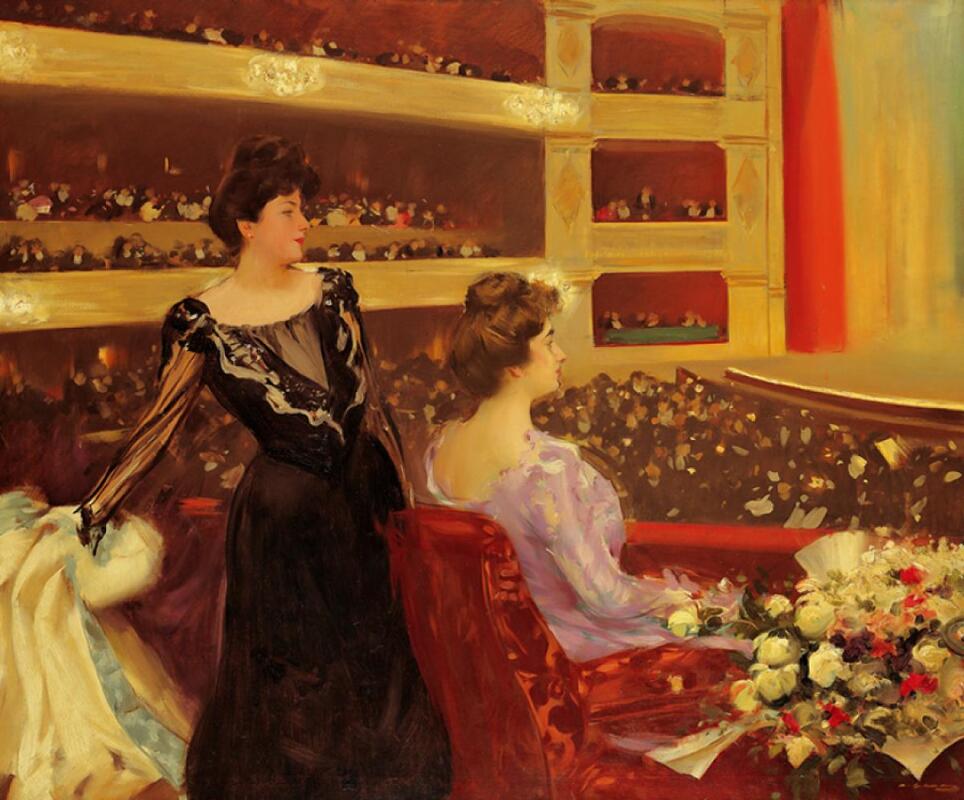
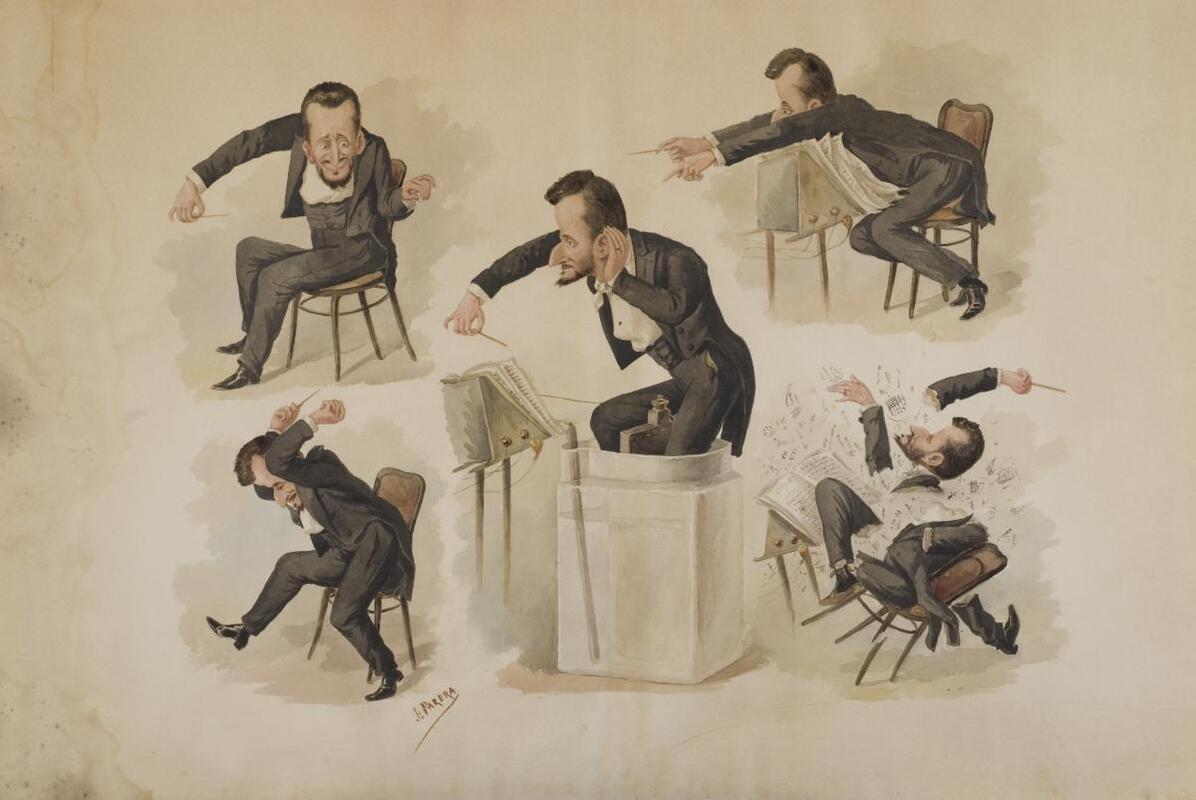
The 145 works in the Museus i Liceu exhibition reflect all kinds of themes and moments. For example, El Liceu (1902), by Ramon Casas, portrays a scene inside the theater. Caricatures of Leopoldo Mugnone, by Josep Parera Romero, refers to November 7, 1893, when the anarchist Santiago Salvador threw two bombs that caused about twenty deaths coinciding with the opening night of the season.
Works by Picasso (Salida del teatro, 1896) or Romà Ribera (Salida del Liceo, 1913) can also be seen. The Gala-Salvador Dalí Foundation participates with one of the backdrops for the ballet Tristany foll, a work by Salvador Dalí. There are also pieces from the 1st century BC, such as El sacrificio de Ifigenia, a mosaic representing an episode from the Iliad, a myth that has been an inspiration for various operas, such as Iphigénie en Tauride (1779), performed at the Liceu several times.
The most recent work is part of the Contemporary Art Collection of Fundación La Caixa and can be seen at CosmoCaixa, a video about the action that artist Eugenio Ampudia carried out on June 22, 2020, on the occasion of the reopening of the Liceu after the end of the state of alarm caused by the pandemic, which consisted of filling the theater with 2,292 plants, the total capacity, which enjoyed the interpretation of Giacomo Puccini's piece Crisantemi by a string quartet.
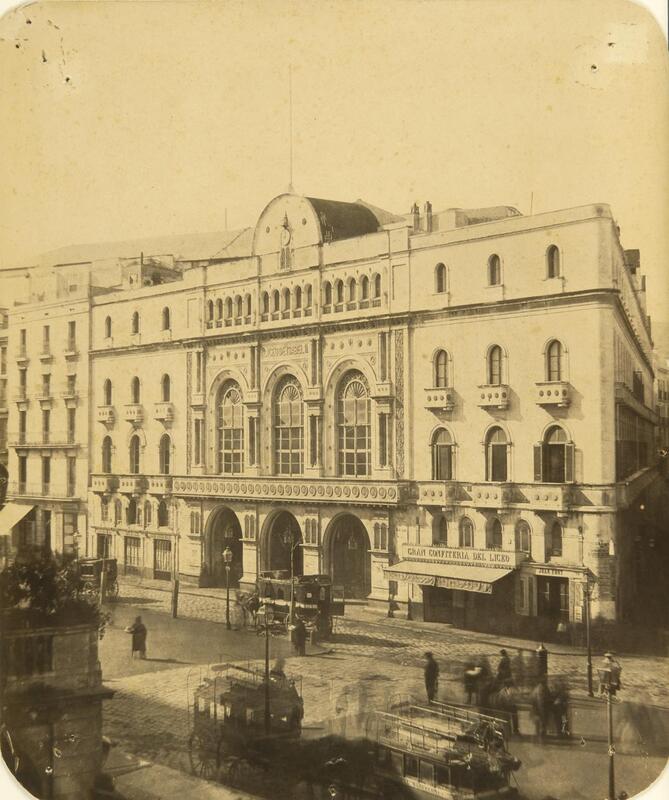
The Gran Teatre del Liceu was founded on April 4, 1847, although the association that promoted the construction of the theater had actually been born a decade earlier.
Add The New Barcelona Post as your preferred Google source for free
Stay informed with the latest news.
