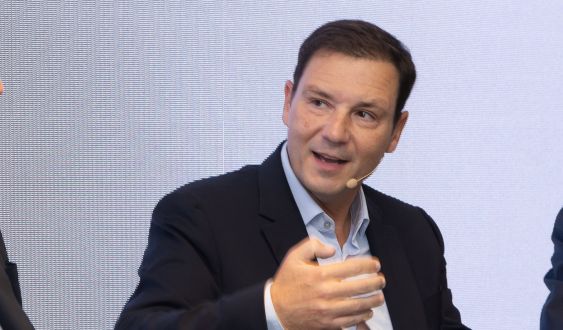
Rafael Ruiz is an industrial engineer. His drive led him to work for various automotive brands after graduating in 1997. He worked on body-in-white structures and participated in flagship projects including the Porsche Cayenne and the Touareg, alongside ventures in the United States, Germany, and Australia. This granted him first-hand insight – in his own words – into "vehicle development across the automotive sector" as well as its manufacturing operations. In 2006, he resolved to set up his own business, which would ultimately emerge as the Catalan winner awarded the former Nissan factory site in Barcelona’s Zona Franca, joined by Chinese partner Chery. Today, Ebro EV Motors Group is an electric and hybrid brand gaining market share at pace. Its vehicle line-up features four core SUV models, each offering distinct powertrain options: plug-in hybrid, self-charging hybrid, and petrol. While the immediate aim is broadening the range and cementing customer loyalty, Ruiz’s ambition stretches considerably further: the Ebro Motors chairman wants to play in the big leagues – "to build a listed, domestic automotive champion," he explains.
The Ebro story began well before Ruiz’s enterprise emerged in 2006. From 1954 to 1987, Ebro established itself as the benchmark commercial and agricultural vehicle brand across Spain. Born in 1954 out of the nationalisation and restructuring of Ford Motor Ibérica, the company began assembling tractors and lorries based on British Ford designs (such as the popular Ebro Major tractor and the B-Series trucks). During the 1960s and 1970s, the company enjoyed substantial expansion, forged an alliance with multinational Massey Ferguson, and relocated its primary manufacturing operations to the historic factory in Barcelona’s Zona Franca. Its lorries became ubiquitous fixtures of the Spanish urban and rural landscape, until Nissan’s progressive entry into the shareholding structure led to the historic brand being phased out in 1987.
Years later, in 2006, from a modest workshop in Martorell, Ruiz and his co-founders and colleagues – Pedro Calef (current CEO of Ebro) and Daniel Asensio (founding partner and board member) – launched a venture designed to pool their collective engineering know-how into an integrated firm overseeing the entire production cycle, from initial concept to industrial scale. "We put in long hours back then," Ruiz recalls. Few could have foreseen that this engineering consultancy would ultimately acquire the Ebro brand, bring it back to the Zona Franca, and, in an act of poetic justice, restore that badge rooted in Catalan and Spanish agriculture to the bodywork of modernised passenger cars.
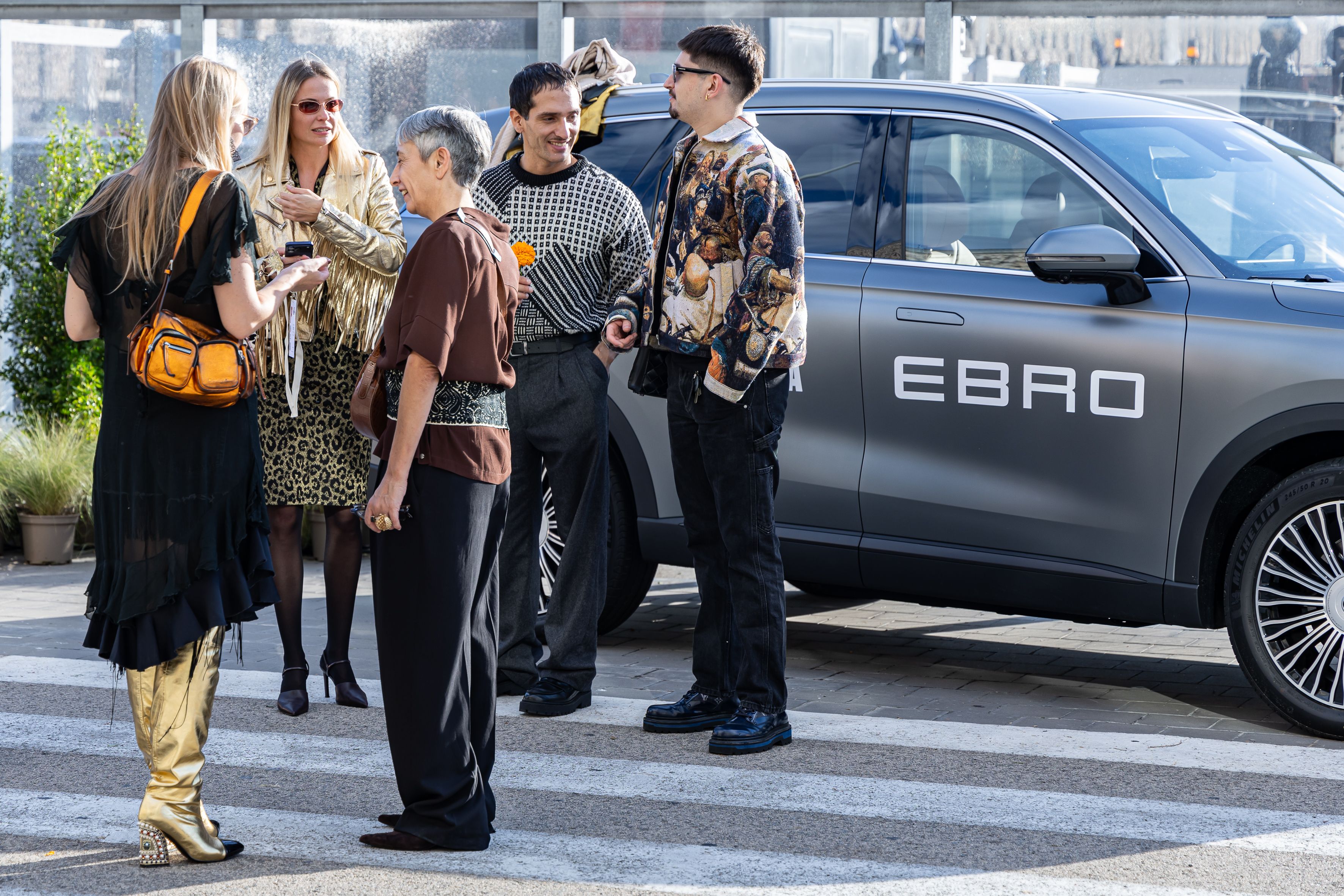
The company’s turn towards passenger vehicles took root in 2012, when Ruiz began reflecting on resource constraints, specifically crude oil. Indeed, Ruiz regularly addresses natural resource scarcity in conference remarks, pointing to the loss of national sovereignty incurred by relying on foreign powers for vital needs such as transport. That insight, allied with the technical capabilities of his team, led them to conclude that the only path to breaking dependence on oil and gas was building electric vehicles. According to the company chairman, by 2018 they were already collaborating with several specialist firms in the EV space.
Nissan’s departure and the return of an industrial giant
Nissan ceased operations permanently in late 2021, leaving a sprawling 500,000-square-metre industrial footprint vacant. The resulting vacuum and uncertainty unsettled plant workers and spurred public administrations to launch a tender process to reindustrialise the site. Operating through an alliance known as the Decarbonisation Hub (Hub Tech Factory), EV Motors – the parent entity of Ebro – secured operating rights before acquiring the plant’s manufacturing assets and machinery outright in 2023. While several partners were originally part of the consortium, "we were the only ones who stayed the course to the finish line," Ruiz explains.
Moreover, Ruiz held a decisive trump card. Unlike foreign investment funds, EV Motors revived the historic Ebro trademark. "I bought the domain directly from a young man at his home," the chairman recalls, illustrating his personal investment in resurrecting this icon of mid-century motoring. That heritage dimension lent the venture powerful symbolic weight and garnered administrative backing. Crucially, their binding commitment to rehire and reabsorb former Nissan employees affected by the closure won over the trade unions.
Yet despite institutional and union backing, Ebro required technological muscle and financial scale – an industrial partner capable of supporting the leap. The turning point arrived in April 2024 with the signing of a joint venture with Chinese automotive giant Chery, which was actively seeking an operational foothold within Spain, and Catalonia in particular. Under the current structure, Ebro retains majority ownership of the factory (Ebro Factory), while Chery supplies vehicle platforms and assembles its own brands on site (such as Omoda), underpinning the plant’s commercial viability.
Plug-in hybrids and the horizon for electric mobility
Ebro was conceived out of the desire to escape reliance on fossil resources, yet widespread electrification remains some distance away. Ruiz recognises that the transition cannot leap directly from internal combustion to fully electric vehicles overnight; hybrid models are essential transitional bridges. Alongside the clear shortage of EV subsidies and purchase incentives, charging infrastructure presents a significant bottleneck. According to the latest ANFAC Electromobility Barometer for the third quarter of 2026, Spain’s public charging network stands at 58,075 points. While Ruiz acknowledges "there has been progress," he confirms that among the brand's forthcoming releases, the sole 100% electric model "is conceived for urban mobility" – designed primarily for short, city journeys. Meanwhile, larger models will feature hybrid powertrains to guarantee long-distance capability, all geared towards addressing individual transport needs under a single domestic brand.
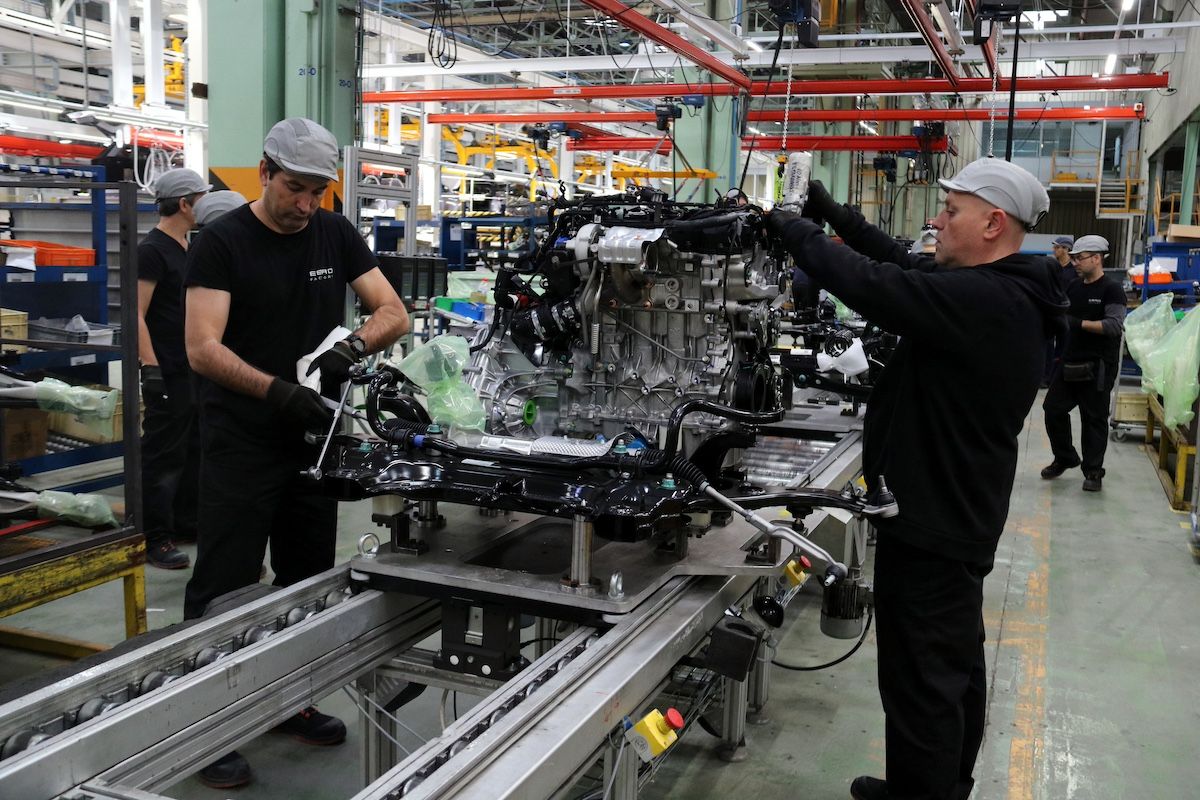
Ultimately, Ebro’s chairman set out to build an industrial heavyweight, seized the opening left by Nissan’s exit from Barcelona, and partnered with an overseas giant eager for European production capacity. Moving forward, Ruiz’s core challenge will be taking this aspiring "national champion" and shaping it into a competitive, sustainable, and scalable enterprise capable of sustained growth.
Add The New Barcelona Post as your preferred Google source for free
Stay informed with the latest news.