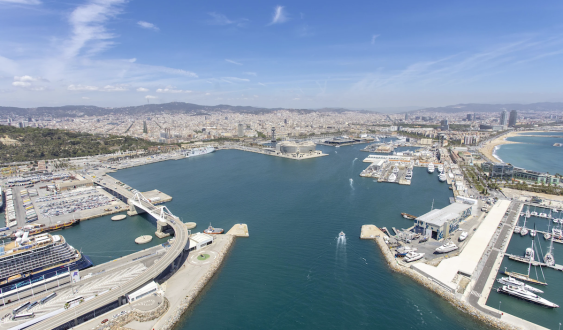
Barcelona takes another step towards its third port terminal dedicated to vehicle traffic, and it does so hand in hand with Nippon Yusen Kabushiki Kaisha (NYK). The Board of Directors of the Port of Barcelona has awarded the Japanese multinational the concession for the new automobile terminal for a period of 27 years. The shipping company, which has the second largest fleet of ships dedicated to car transport worldwide, will invest 75 million euros in building the new terminal, which will be located on the Príncep d'Espanya dock.
The new terminal, which will occupy more than 101,000 square meters, will be operational in 2027, after an investment that will be the largest by a Japanese company in a Spanish port. Having this third terminal for vehicles will reinforce the Port of Barcelona as an international hub for the automotive sector, in a context where traffic of cars from East Asia, especially China, to Europe is booming.
NYK's offer, the only one submitted to the tender, includes a traffic forecast of close to 180,000 vehicles annually, mostly imports, starting in 2028. The terminal, which will be operated by 100% electric vehicles and equipment and will have a photovoltaic installation, will be located next to the dock's railway terminal, which will soon be expanded with a fourth track. When ready, it will allow NYK to move up to ten car convoys per week.
In this regard, NYK's proposal "fully aligns with the objectives of the Port of Barcelona, consolidating it as a logistics hub at a time of significant changes in distribution chains," defended the president of the Barcelona infrastructure, José Alberto Carbonell.
The multinational, which has a fleet of 96 car carriers, also owns 50% of the Norwegian Uecc, specialized in connections for vehicle logistics in Europe, which will generate synergies that will allow positioning the port as this hub for automobile distribution in Europe and also the Mediterranean.
Towards the electrification of cruises
The port's board of directors has closed another award: Powercon will be in charge of the construction and commissioning of the first system that will allow connecting cruise ships to the electrical grid in the city. This connection, called Onshore Power Supply (OPS), will be installed at Terminal H of Moll Adossat, granted to MSC Cruises and operational since the beginning of the year.
Awarded for 12.2 million euros, the contract follows the same model as the two OPS already operating in the port —one for container transport at the Best terminal, and another, for ferries at Grimaldi's—, with a turnkey format that includes everything from project drafting to maintenance for the first two years.
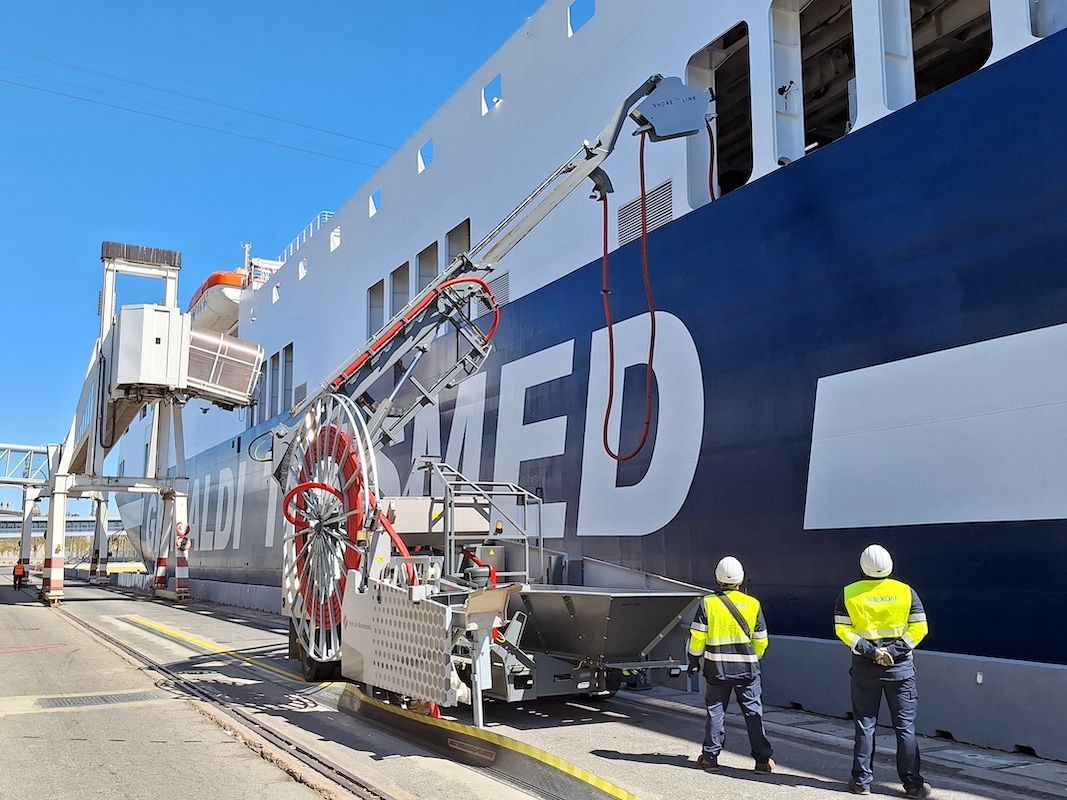
After the Grimaldi connection began operating in a pilot phase, "the construction of the first OPS for cruise ships represents a significant qualitative leap in the electrification of the Port of Barcelona's docks," Carbonell stated, describing this process as "a key element in the decarbonization of port activity."
The OPS system for cruise ships will be the first to operate connected to the new medium-voltage network that will be deployed throughout the port to electrify the main docks. With the forecast that the infrastructure's substation will begin operating in early 2027, cruise terminals will be able to receive the necessary supply, once the underwater drilling between the Energia and Adossat docks is also completed.
Add The New Barcelona Post as your preferred Google source for free
Stay informed with the latest news.
