Despite superblocks being a concept everyone talks about in Barcelona in recent years, it is a philosophy that has been defined and applied for decades. It was urban ecologist Salvador Rueda who conceived it in the late 80s, starting to test these areas in El Born. Then came the pedestrianization of Gràcia and the Poblenou superblock. Throughout this time, the term Rueda thought of has evolved and has been replicated in many other cities around the world.
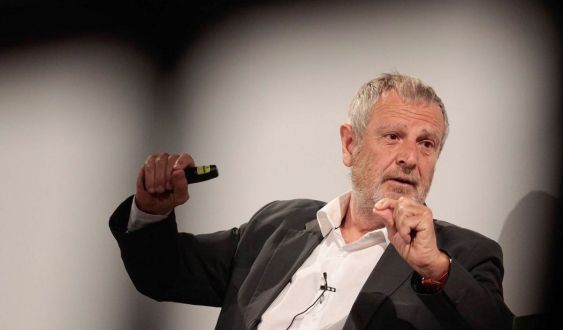
Currently, the city council is promoting the Superilla Barcelona program, an initiative that for Rueda only includes the name superblock, but does not do justice to its meaning. "They use the word superblock as marketing," Rueda explained in a conference organized by RethinkBCN, an body promoted by Foment del Treball. "They are not superblocks, they are green axes," he remarked, adding that the hundred streets that the City Council wants to pedestrianize in the coming years serve to "define some lines and little else" and do not address all the problems the city suffers, such as environmental and acoustic pollution or low habitability.
The model that Rueda proposed and that the current government is not following involves a large-scale transformation of Barcelona and applies to the entire city, without concentrating on the center. In a city where 85% of the space is dedicated to road mobility, the urban ecologist proposes freeing up 70% of the space, acting on 2,000 streets and reducing 15% of the vehicles that can circulate. "It's changing everything without changing anything," he explained. According to him, the cost of this plan would be around 300 million euros if it were executed following a tactical urbanism format.
These "small cities" that Rueda defends would serve to include more rights on the streets than the only one there is now, that of mobility. This would mean making the streets a place to walk, but also to entertain oneself and debate. For him, this model will allow everyone to continue getting wherever they want and continue taking the car when they need it. "I am not against the car, but against the misuse of the car," he maintained.
The problem is not the green axes, the expert remarks, but that the unambitious model that the City Council is promoting in the center is being replicated in some other parts of the city. He has pointed out that this is confirmed in the new plan for 22@, where green axes and not superblocks are defined. "I don't understand why we are not doing it in Barcelona, when in other cities it is being done," he said.
For Rueda, the problem of applying his model is not a traffic problem ---it only reduces 15%--- nor an economic one ---other developed superblocks have meant an increase of at least 15% in economic activity---, but a political and habit one. "Let's not stigmatize superblocks, they are our solution and can project Barcelona as the Olympic Games did," he stressed.
Add The New Barcelona Post as your preferred Google source for free
Stay informed with the latest news.
